5 Steps to Transforming Your Relationship With Your Body

Struggling with what you see in the mirror is a deeply common experience across every stage of life. Developing and sustaining a positive connection with your physical self often feels like an uphill battle, yet this challenge is far more than a superficial cosmetic concern. A difficult relationship with your body can ripple outward into almost every aspect of your life, eroding mental health, disrupting daily self-care routines, and placing strain on personal relationships.
Societal conditioning often teaches people from a young age to tie personal self-worth directly to narrow, unrealistic aesthetic standards. Over time, external criticism transforms into an automatic internal monologue that scrutinizes every meal, movement, and outfit. Moving past this dynamic does not demand immediate, forced adoration of every physical feature; rather, it requires a steady, deliberate transition toward practical self-respect and compassionate everyday habits.
Key takeaways
- Evaluating your body through functional appreciation breaks cycles of constant aesthetic criticism.
- Focusing on additive nutrition rather than dietary restriction removes guilt and sustains physical vitality.
- Discarding ill-fitting garments eliminates everyday environmental triggers of inadequacy from your closet.
- Engaging in accessible, low-pressure movement restores physical confidence without turning exercise into punishment.
- Directing protective compassion toward yourself silences harsh internal dialogue and protects emotional well-being.
The Hidden Impact of a Damaged Body Image
When an adversarial relationship with your physical form becomes your default state, daily self-care routines are frequently the first casualties. Nourishing yourself can easily turn into an exhausting internal debate centered on guilt, while essential physical rest is dismissed as unearned indulgence. Rather than serving as an outlet for vitality, exercise can warp into a punitive chore aimed at earning the right to eat or atoning for normal meals.
This internal friction inevitably bleeds into interpersonal dynamics. When low self-esteem dominates your thoughts, social anxiety often increases, leading to isolation or withdrawal. It can become difficult to accept genuine affection or compliments from partners and peers when you are convinced that your physical appearance makes you unworthy of respect. The chronic psychological strain of constant self-reproach fosters ongoing cycles of anxiety and depressive moods that dim your daily experiences.
True healing does not require sudden aesthetic perfection or unyielding, performative body positivity. The goal is genuine body neutrality and mutual respect—treating your body as an ally and a vessel for living a full life, rather than as a static ornament subject to endless public evaluation.
Five Concrete Steps to Transforming Your Body Image
Shifting away from habitual self-criticism requires concrete behavioral changes and mental reframing. By implementing five practical principles, you can systematically rebuild how you perceive, treat, and talk to your physical self.
1. Focus on What Your Body Can Do
Standing in front of a mirror cataloging perceived flaws is an exhausting habit that completely ignores the continuous, tireless support your physical frame provides. Instead of picking yourself apart based on visual criteria, shift your conscious attention toward functional appreciation.
Take time to acknowledge everyday capabilities that are easy to take for granted. Appreciate the arms that lift and embrace your children, the face that communicates warmth and smiles at coworkers, and the legs that reliably carry you through the demands of each day. When you recognize your body as an active participant in your life rather than a decorative object on display, you cultivate an authentic respect that shifting aesthetic trends cannot undermine.
2. Add Nutrition Rather Than Eliminating Foods
Mainstream approaches to health frequently rely on restriction, deprivation, and arbitrary dietary rules. These rigid boundaries often spark obsessive food thoughts, heightened stress around meal times, and an adversarial relationship with natural hunger signals. An effective, sustainable alternative is to practice an additive approach to eating.
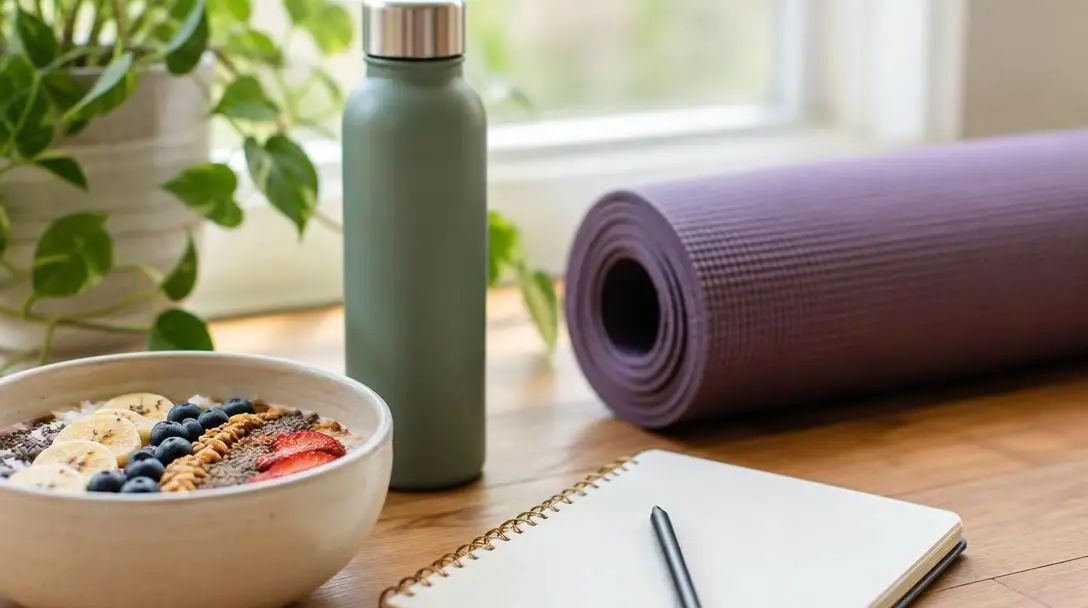
Instead of fixating on foods you believe you should avoid, look for opportunities to add nourishing ingredients that enhance vitality and satisfaction. For example, if you are planning a pizza night, you can introduce extra nutrition by adding a colorful side salad or piling on vegetable toppings. When preparing your morning coffee, pair your latte with a banana, scrambled eggs, or a serving of low-sugar yogurt. Focusing on abundance and nourishment allows you to fuel your body well while fully enjoying the foods you love.
3. Clear Out Clothes That Trigger Shame
Your wardrobe exists to accommodate your current body, not the other way around. Retaining garments that fit decades ago or clinging to "someday" clothes creates a silent, pervasive environment of judgment every single time you open your closet doors.
Keeping tight, uncomfortable items as a misguided form of motivation almost always backfires, operating instead as a constant reminder of past sizes or unrealistic future expectations. Discarding or donating clothes that trigger distress removes an ambient source of shame from your home. Making space for clothing that fits comfortably right now signals to yourself that your present body is worthy of comfort, dignity, and personal style.
Clothing is meant to serve your body, not the other way around.
4. Move in Ways You Genuinely Enjoy
Physical activity is vital for long-term health, but it should never be weaponized as a penance for eating. If intense workouts or traditional gym routines feel miserable, you do not need to force yourself to endure them. What matters is establishing a sustainable routine of movement that honors your physical capabilities without overwhelming you.
A simple baseline—such as moving for 20 minutes, three days each week—offers an accessible entry point. Focus on activities that bring ease, physical release, or social connection. You might take a brisk walk outdoors in the fresh air, follow an accessible yoga video in your living room, or sign up for a lively dance class with a friend. Movement chosen for pleasure reconnects you with physical competence and bodily awareness.
5. Speak to Yourself Like a Cherished Friend
The running commentary in your mind exerts an enormous influence over your emotional state and self-perception. A valuable baseline to maintain is simple: you would never tolerate someone insulting your best friend's appearance, and you should not allow yourself to direct that cruelty inward either.
When you notice a cycle of harsh self-criticism starting, immediately pause. Consider how you would respond if you heard those exact words directed at someone you love dearly; you would naturally step in, reject the unfair criticism, and provide reassurance. Direct that same protective instinct toward your own reflection. Reframing your thoughts with patience and kindness reinforces the reality that you deserve basic decency from yourself at all times.
At a Glance: Reframing Your Body Relationship
Transforming your internal outlook requires replacing long-held habits of self-criticism with supportive behavioral shifts. The table below outlines how these five core principles replace common punitive tendencies with constructive practices.

| Principle | Old Punitive Tendency | Constructive Practice | Practical Outcome |
|---|---|---|---|
| Functional Value | Scrutinizing mirror reflections for flaws | Recognizing everyday physical tasks | Builds lasting self-respect beyond appearance |
| Additive Fueling | Restricting calories and eliminating foods | Adding nutrient-dense sides and toppings | Reduces food obsession and supports steady energy |
| Wardrobe Dignity | Keeping old, tight clothes as motivation | Wearing comfortable clothes that fit today | Removes ambient guilt from your living environment |
| Gentle Movement | Grueling workouts used as calorie penance | Engaging in 20-minute enjoyable activities | Restores physical competence and somatic awareness |
| Supportive Dialogue | Harsh internal critiques and insults | Speaking with protective, friendly compassion | Protects mental health and lowers daily anxiety |
How Systematic Habit Shifts Rewire Self-Perception
Changing your self-perception is an ongoing process of neural habituation and cognitive reframing. Because self-critical habits are established across decades of environmental messaging, dismantling them takes steady, repeated practice. Consistently applying these steps interrupts the brain's automatic negative evaluation loops.
When you deliberately shift from aesthetic appraisal to functional gratitude, you redirect cognitive bandwidth away from social comparison. The urge to critique gradually diminishes as functional awareness becomes the default reaction to your reflection. Concurrently, removing environmental triggers—such as restrictive diets and ill-fitting garments—eradicates constant daily reminders of inadequacy. Once physical movement is decoupled from guilt and paired with respectful internal dialogue, self-care ceases to be a desperate attempt at self-correction and becomes a genuine expression of stewardship.
A Practical Daily Implementation Guide
Translating these broader concepts into daily living works best when approached through small, structured habits rather than dramatic overnight transformations. Use these practical actions to ground your journey in tangible daily routines.
- Conduct a closet audit: Dedicate an afternoon to going through your wardrobe. Remove any jeans, tops, or dresses that fit decades ago or make you feel inadequate right now. Donate or discard these pieces, leaving only items that offer comfort and ease today.
- Practice the mirror pause: Whenever you catch yourself hyper-focusing on perceived flaws in the mirror, stop. Name one specific, practical task your body accomplished that day—such as carrying home groceries or walking through the neighborhood—to break the critical visual trance.
- Plan additive meals: When assembling lunches, dinners, or snacks, avoid asking what items you should cut. Instead, identify what you can add—such as a side salad, extra vegetables, fresh fruit, or a source of protein—to increase vitality and enjoyment.
- Schedule 20-minute movement blocks: Select three days this week and reserve 20 minutes for low-stress movement. Choose an enjoyable format, such as a stroll outdoors, a gentle living-room yoga session, or social dancing, focusing purely on how your muscles feel rather than tracking calorie burn.
- Establish a compassionate thought check: When an internal insult arises regarding your weight, shape, or features, imagine uttering those exact words out loud to your best friend. Reframe the thought with the same understanding, fairness, and warmth you would offer them.
Common Pitfalls That Derail Progress
Unlearning years of critical conditioning is rarely a straight line. Being aware of frequent mental traps makes it significantly easier to navigate periods of doubt and maintain momentum over the long term.
- Expecting instantaneous transformation: Deeply ingrained habits take time to replace. Experiencing an occasional negative thought about your body does not mean you have failed; progress lies in how quickly you notice and reframe those thoughts.
- Falling into all-or-nothing eating: Viewing foods through a strict binary of good versus bad undermines an additive nutrition approach. True balance allows for both nutrient-dense foods and pleasurable treats without internal conflict.
- Demanding constant, forced positivity: You do not need to find every feature stunning at every moment of the day. Body neutrality—accepting and respecting your physical self without emotional volatility—is far more sustainable than toxic positivity.
- Using physical activity as punishment: Working out solely to compensate for what you ate reinforces an adversarial dynamic. Exercise must remain disconnected from guilt to stay uplifting and sustainable.
- Keeping ill-fitting garments as incentives: Retaining old clothes as a challenge produces ambient shame rather than genuine inspiration, continually reinforcing the idea that your present self is insufficient.
Curating Your Social and Media Environment
As you establish healthier internal habits, take time to evaluate the outside influences shaping your thoughts. Your relationship with your body does not exist in a vacuum; it is continuously influenced by the imagery, opinions, and conversations that surround you each day.
Pay close attention to your digital feeds and social circles. If certain social media accounts, entertainment outlets, or casual conversations center relentlessly on extreme dietary restriction, weight obsession, or cosmetic perfectionism, actively curate your exposure. Mute or unfollow accounts that trigger feelings of inadequacy, and set healthy boundaries around diet talk with friends and family. Guarding your environment frees up emotional bandwidth to pursue personal passions, foster genuine relationships, and enjoy life without the persistent distraction of self-doubt.
Frequently asked questions
Do I have to love everything about my appearance to have a good body image?
No. A healthy relationship with your body does not require constant aesthetic adoration. Focusing on body neutrality and functional appreciation—respecting what your body does for you rather than demanding perfection—is a far more realistic, sustainable goal.
Why is additive nutrition better than traditional dieting?
Restricting foods often fuels obsessive thoughts, stress around meal times, and a cycle of guilt. Additive nutrition emphasizes bringing in beneficial foods—such as extra vegetables, fruit, or protein—which nourishes your physical frame while preserving the enjoyment of eating.
How much exercise is recommended to start improving my body connection?
A manageable starting point is setting aside 20 minutes for movement three days a week. Choosing accessible activities like walking outdoors, home yoga, or dancing helps you appreciate your physical capabilities without feeling overwhelmed or viewing exercise as a chore.
What should I do with clothes that no longer fit comfortably?
Donate or discard them. Keeping tight clothes from past years creates an ambient environment of guilt and judgment in your closet. Wearing garments that fit your current body with comfort and ease reinforces the fact that you deserve dignity right now.
How does a poor body image harm personal relationships?
Harsh self-criticism often sparks social anxiety and encourages withdrawal or isolation. When you struggle with self-worth, it becomes difficult to accept affection, believe compliments, or connect authentically with partners and friends.
The bottom line
Rebuilding your relationship with your body is not about pursuing cosmetic perfection; it is about cultivating basic dignity, comfort, and respect. When you replace visual scrutiny with functional gratitude, nourish yourself with abundance, wear clothes that fit comfortably, move for personal enjoyment, and speak to yourself with genuine kindness, you establish an enduring foundation for health. Remembering that your current self is fully worthy of love and decent treatment is the most transformative step toward lasting peace of mind.