5 Ways To Reconnect With Yourself And Find Inner Peace

In our modern, high-speed society, daily life relentlessly pulls attention toward external demands. Between the ceaseless cycle of breaking news, workplace expectations, and the magnetic pull of social media feeds, our sensory systems remain in a state of perpetual stimulation. Over time, directing focus strictly outward causes people to drift away from their own inner monologue, resulting in chronic fatigue, emotional burnout, and a persistent sense of mental fog.
Cultivating inner calm is not a cosmetic luxury or a selfish retreat; it is an essential maintenance practice for everyday cognitive and emotional health. Reconnecting with your true internal state allows your nervous system to downshift from reactive emergency mode into genuine recovery. By deliberately carving out time to listen inward, you can systematically lower anxiety, improve decision-making clarity, and re-establish a grounded sense of personal well-being.
Key takeaways
- Inner peace requires actively diverting mental focus away from external demands and returning it to physical sensations and emotions.
- Practicing non-judgmental mindfulness helps break rumination about past events or future obligations.
- Solitude provides the necessary psychological boundary to process life experiences without social pressure.
- Technological breaks and immersion in natural environments help reset an overstimulated nervous system.
- Creative expression provides an emotional outlet when you prioritize the process of making over the quality of the final result.
The Mechanics of Disconnection and Internal Recovery
To fix the feeling of inner fragmentation, it helps to understand why modern routines cause it. When you spend all day reacting to incoming pings, urgent messages, and workplace deadlines, your nervous system interprets the environment as an ongoing series of demands. This chronic state of vigilance keeps stress hormones elevated, depleting mental stamina and locking your mind into a narrow, survival-driven focus.
Reconnecting with yourself functions as an intentional counterweight to this cycle. The process hinges on establishing firm mental boundaries that pause the incoming stream of external stimuli. When you disengage from outside opinions and constant alerts, your brain finally receives the cognitive bandwidth required to process unprocessed emotions, sort out long-term priorities, and restore emotional equilibrium. Instead of operating on autopilot, you regain the capacity to make conscious, values-driven choices.
Reconnecting with yourself is not an optional indulgence; it serves as the foundational anchor for how you perceive and navigate the world around you.
At a Glance: Five Paths to Inner Calm
| Practice | Primary Mechanism | Starter Action | Key Benefit |
|---|---|---|---|
| Mindfulness | Present-moment focus without judgment | Focus on five natural breath cycles | Alleviates worry and past rumination |
| Solitude | Removal of external voices and expectations | Take a 30-minute solo walk | Aligns daily actions with core values |
| Digital Disconnection | Interruption of reactive notification loops | Establish a phone-free morning window | Eliminates mental fragmentation and fatigue |
| Creative Expression | Emotional release bypassing analytical thought | Free-form sketching or expressive writing | Boosts mood, self-esteem, and fulfillment |
| Nature Immersion | Sensory grounding in living ecosystems | Spend time under trees or tend a plant | Lowers stress and restores healthy perspective |
5 Ways to Reconnect With Yourself and Find Inner Peace
1. Practice Mindfulness
Mindfulness is the intentional practice of directing your complete, undivided attention to the present moment without passing judgment on what you experience. A great deal of emotional exhaustion does not stem from current physical surroundings, but rather from persistent psychological time travel—replaying past mistakes or anticipating hypothetical future catastrophes. Mindfulness anchors your awareness in physical reality.
You do not need specialized cushions, apps, or hours of isolation to practice mindfulness effectively. Sit comfortably in a chair, rest your hands on your lap, and pay attention to the physical sensation of air moving in and out of your body. When random thoughts or worries inevitably bubble up, avoid criticizing yourself. Simply label them as passing mental events, let them go, and gently return your concentration to the physical sensation of breathing. Practicing this simple reset sharpens your cognitive focus and helps defuse emotional reactivity in stressful situations.
2. Spend Time Alone
In modern social structures, true solitude has become increasingly rare. Even when people are physically alone, their pockets carry devices that pipe the opinions, achievements, and criticisms of thousands of other individuals directly into their consciousness. Spending time in genuine solitude means removing those outside voices so you can clearly hear your own thoughts.
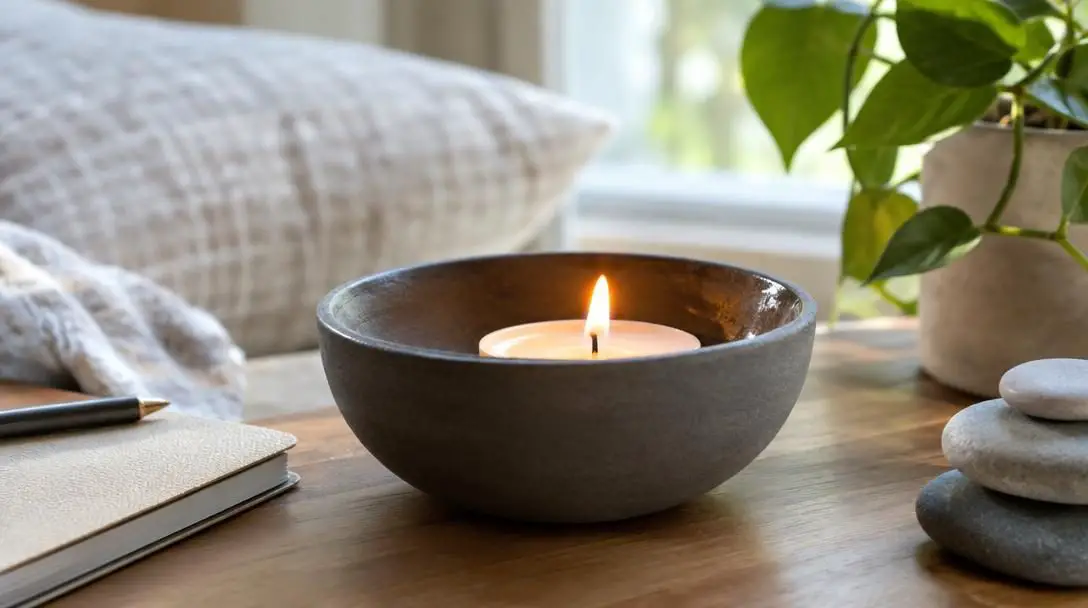
Solitude creates a protected cognitive space where you can evaluate whether your daily decisions match your personal goals and internal ethics. Whether you take a solo stroll around your neighborhood, browse a bookstore independently, or spend a quiet evening watching a movie without checking social feeds, intentional alone time recharges your internal reserves. If being alone feels uncomfortable or awkward at first, remember that silence naturally surfaces unaddressed concerns. Accept the initial discomfort as a normal sign of psychological decluttering.
3. Disconnect from Technology
While digital connectivity offers undeniable utility, it keeps the human brain trapped in an unending loop of anticipation, evaluation, and reaction. Every incoming alert represents a micro-demand on your attention, keeping mental energy divided across multiple open loops. This continuous partial attention prevents deep contemplation and leaves you disconnected from your immediate bodily sensations.
Taking intentional breaks from technology is essential to preserve your emotional autonomy. You can begin with small digital fasts, such as placing your smartphone in another room for one or two hours in the evening. Setting clear digital boundaries around transitional periods—such as avoiding screens for the first half-hour of the day and turning them off well before going to sleep—creates a natural buffer that protects your mood from waking anxiety and supports restorative sleep.
4. Engage In Creative Activities
Creative activities open a channel of communication with your inner self that analytical, logic-driven thinking cannot replicate. Engaging in creative pursuits like painting, creative writing, playing music, gardening, or dancing gives voice to subtle feelings that may be difficult to express through conversation. By engaging your hands and imagination, you invite a state of mental flow that reduces physical stress markers.
The primary reason adults abandon creative pursuits is performance anxiety. Society conditions individuals to measure the worth of an activity purely by the marketability or polish of the final product. To find peace through creativity, you must decouple the activity from perfectionism. The mental health benefits of creating lie entirely in the active process of emotional expression, not in producing a gallery-ready masterpiece.
5. Reconnect with Nature
Human beings did not evolve inside concrete enclosures illuminated by fluorescent lighting and computer screens. Spending time in natural settings offers a direct physiological antidote to the artificial tempo of contemporary society. Immersing your senses in living surroundings—smelling damp earth, watching leaves move in the wind, and feeling natural sunlight—triggers a measurable reduction in baseline stress.

Reconnecting with nature does not require traveling to remote wilderness areas. You can cultivate a deep sense of connection by taking a deliberate walk through a public park, caring for an outdoor vegetable patch, or simply sitting beneath a mature tree. If you live in an urban environment with limited green space, bring living elements indoors. Adding leafy houseplants to your workspace, sitting by a window with natural light, or listening to recorded natural sounds during focused tasks helps recreate nature's grounding influence.
How to Build a Sustainable Routine for Inner Calm
Attempting to overhaul your lifestyle all at once often creates additional pressure, undermining the very peace you seek. Instead, build your self-connection through small, structured habits that fit naturally into your existing schedule.
- Establish digital bookends: Protect the first 30 minutes after waking and the last 30 minutes before bed as device-free zones. Use this time for quiet reflection, gentle stretching, or silent hydration.
- Insert brief midday breathing breaks: Dedicate five minutes each afternoon to close your eyes, relax your shoulders, and focus purely on your natural breathing pattern to defuse midday tension.
- Schedule recurring personal dates: Block out one hour on your weekly calendar exclusively for yourself. Treat this appointment with the same seriousness as a doctor's visit or professional meeting.
- Keep creative materials visible: Place a journal, sketchbook, or musical instrument in an easily accessible location. Reach for these materials when you have free time instead of automatically unlocking your phone.
- Integrate green space into your routine: Modify your daily commute or lunch break to pass through tree-lined streets or city parks, keeping your senses tuned to the natural world.
Common Habits That Disrupt Your Progress
When developing inner calm, several common misunderstandings can stall your momentum. Watch out for these mental traps:
- Demanding immediate mental silence: Mindfulness does not mean freezing all mental activity. Thinking is what brains do naturally; success simply means noticing that your thoughts have drifted and returning your attention to your anchor without self-judgment.
- Confusing solitude with isolation: Being alone is an empowering state of mental rest, whereas loneliness is a painful sense of isolation. Do not rush to fill quiet moments with chores or entertainment out of an irrational fear of being by yourself.
- Obsessing over creative output: Judging your personal sketches or reflective writing against professional standards turns a relaxing hobby into another stress-inducing chore.
- Attempting extreme, unsustainable digital fasts: Abruptly disconnecting from all devices for days at a time is often impractical and causes professional or personal friction. Sustainable, moderate boundaries yield far better long-term results.
- Treating restoration like a performance checklist: If your self-care practices begin to feel like an exhausting chore list, take a step back. Adapt your routines so they genuinely replenish your energy rather than draining it.
Frequently asked questions
How much time do I need each day to reconnect with myself?
You can make significant progress with just 10 to 15 minutes of intentional practice per day. Even a five-minute breathing session paired with a screen-free morning window can reset your nervous system and help restore focus.
What should I do if sitting in silence makes me anxious?
Feeling restless in silence is completely normal if your mind is used to constant stimulation. Instead of sitting completely still, try low-stimulation active pursuits such as taking a quiet walk outside, stretching, or free-writing your thoughts in a notebook.
Can I practice mindfulness without meditating?
Yes. Mindfulness is simply paying attention to the present moment without judging it. You can practice it while washing dishes, drinking tea, walking, or showering by focusing entirely on the physical sights, sounds, and sensations of the task.
How do I handle family or roommates when trying to spend time alone?
Communicate your needs clearly and positively beforehand. Let others know that you are taking 30 minutes of personal quiet time to recharge so that you can be more present and energized when you return.
What if I do not consider myself a creative person?
Creativity is an inherent human capacity, not a skill reserved for professionals. Any expressive activity—whether doodling abstract shapes, writing down unfiltered thoughts, cooking an improvised meal, or arranging flowers—counts as creative expression.
The Bottom Line
Inner peace is not an elusive, unchangeable state reserved for monks, nor is it a finish line that you cross once and keep forever. It is an ongoing practice of balance that shifts as your life circumstances, personal responsibilities, and emotional demands evolve over time.
When you regularly practice mindfulness, grant yourself permission to enjoy solitude, set clear boundaries with technology, explore creative outlets, and ground yourself in nature, you cultivate deep psychological resilience. Show patience with yourself as you weave these habits into your life. With consistent attention and gentle adjustments, reconnecting with yourself becomes an intuitive sanctuary that supports your long-term health, clarity, and genuine contentment.