5 Weird Betty White Facts You’re Dying To Know
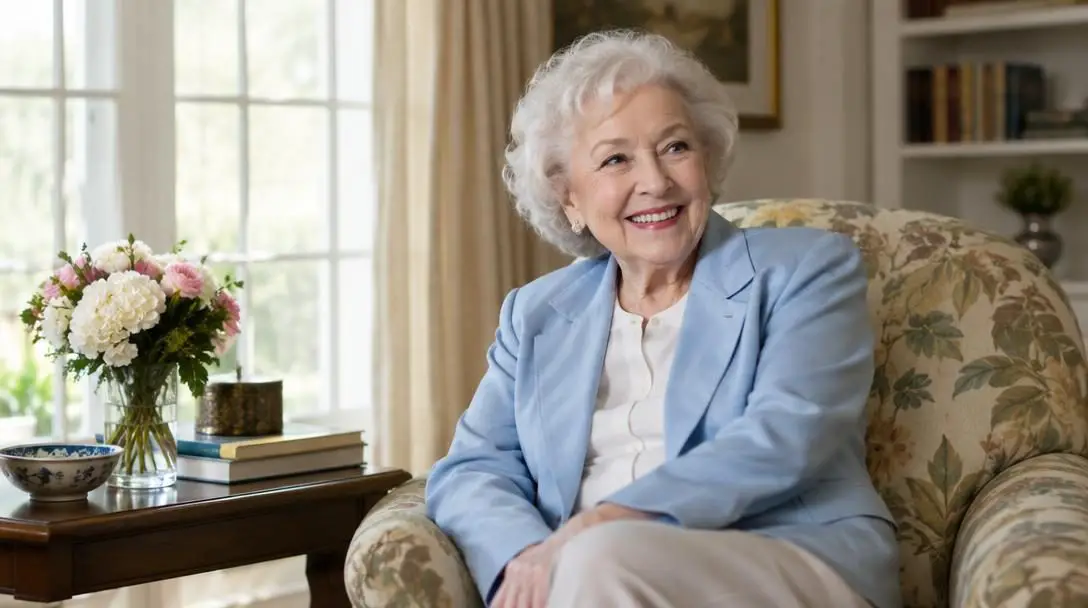
Betty White remains one of the most beloved figures in the history of American entertainment. Across multiple generations, audiences recognized her as a cultural icon whose warmth, sharp comedic instincts, and delightful charm made her an authentic national treasure. While millions of devoted fans instantly associate her with classic television roles and an infectious, sunny personality, her life away from the soundstage was filled with unexpected pursuits, record-breaking achievements, and delightful backstage surprises.
Examining her extraordinary journey reveals a multifaceted pioneer whose personal passions and off-screen endeavors were just as rich as the legendary characters she portrayed. From an unprecedented world record for professional longevity to a private talent for visual art and a mischievous reputation for practical jokes, she approached every chapter of her life with boundless vitality. Exploring these lesser-known facets offers a deeper appreciation for her enduring legacy on screen and off.
Key takeaways
- Betty White held an official Guinness World Record for the longest television career of any female entertainer, spanning more than eight decades.
- Her lifelong devotion to animal welfare shaped her daily life, leading her to house numerous pets ranging from dogs to exotic birds.
- Beyond acting and comedy, she was an accomplished visual artist who quietly pursued painting with canvas and oils throughout her life.
- She maintained a legendary reputation on production sets for executing clever, lighthearted practical jokes to break up long rehearsal days.
- Her enduring career evolved from early radio broadcasts to groundbreaking television productions, establishing her as an adaptable industry trailblazer.
At a glance: Surprising dimensions of Betty White
| Dimension | Primary focus | Key detail | Impact on her life and career |
|---|---|---|---|
| Animal advocacy | Welfare and protection | Cared for dogs, exotic birds, and shelter animals | Provided lifelong personal purpose outside Hollywood |
| Industry longevity | Television broadcasting | Spanned over eight full decades | Earned an official Guinness World Record |
| Visual arts | Painting on canvas | Explored color and form in private | Offered a meditative, non-verbal creative outlet |
| Set environment | Harmless practical jokes | Surprised cast and crew during long tapings | Relieved production tension and built ensemble camaraderie |
| Performance craft | Radio to modern sitcoms | From early live broadcasts to iconic comedy roles | Demonstrated extraordinary adaptability across eras |
Five surprising facts about Betty White
While the broader public knows her best through syndicated reruns and memorable talk show appearances, the specific details of her personal life and career trajectory highlight how uniquely multifaceted she truly was.
Lifelong animal welfare advocacy
- Advocacy focus: Ethical treatment, protection, and welfare organizations
- Household companions: Dogs and exotic birds
- Personal mission: Prioritizing living creatures alongside her professional work
One of the most defining aspects of Betty White's life was her deep, lifelong passion for creatures great and small. Beyond her celebrated Hollywood persona, she stood out as a tireless animal rights activist who consistently elevated the well-being of animals above the glamour of show business. Rather than merely lending her celebrity name to distant fundraisers, she actively worked alongside multiple animal welfare organizations, dedicating substantial personal time, influence, and hands-on effort to advocate for vulnerable species.
Her home served as an authentic sanctuary. Over the course of her life, she welcomed and personally cared for a wide variety of domestic pets and rescue animals, including traditional family dogs as well as exotic birds. Those close to her frequently observed that her compassion for animals was not an auxiliary hobby, but a foundational pillar of her personal identity that dictated her daily schedule and grounded her away from the demands of the studio lot.
Official Guinness World Record for television longevity
- Record title: Longest TV Career for an Entertainer (Female)
- Career duration: More than eight full decades
- Medium transition: From early experimental broadcasts to modern programming
In an industry infamous for rapid turnover and fleeting fame, Betty White achieved an official distinction recognized across the globe. She earned the official Guinness World Record for the Longest TV Career for an Entertainer (Female), an honor that recognized her extraordinary professional span of more than eight decades. Entering the television medium during its experimental inception, she continuously booked leading roles, guest spots, and variety appearances straight through the modern streaming era.
This achievement represents far more than mere survival in show business; it illustrates an unmatched level of professional consistency. Because television technology, viewing habits, and comedic sensibilities changed radically between the 1940s and the 2020s, maintaining continuous relevance required constant reinvention, impeccable professional discipline, and an enduring connection with successive generations of television audiences.
A quiet talent for painting and the visual arts
- Creative discipline: Fine art and painting
- Primary materials: Canvas and paint
- Artistic scope: Private, reflective visual expression
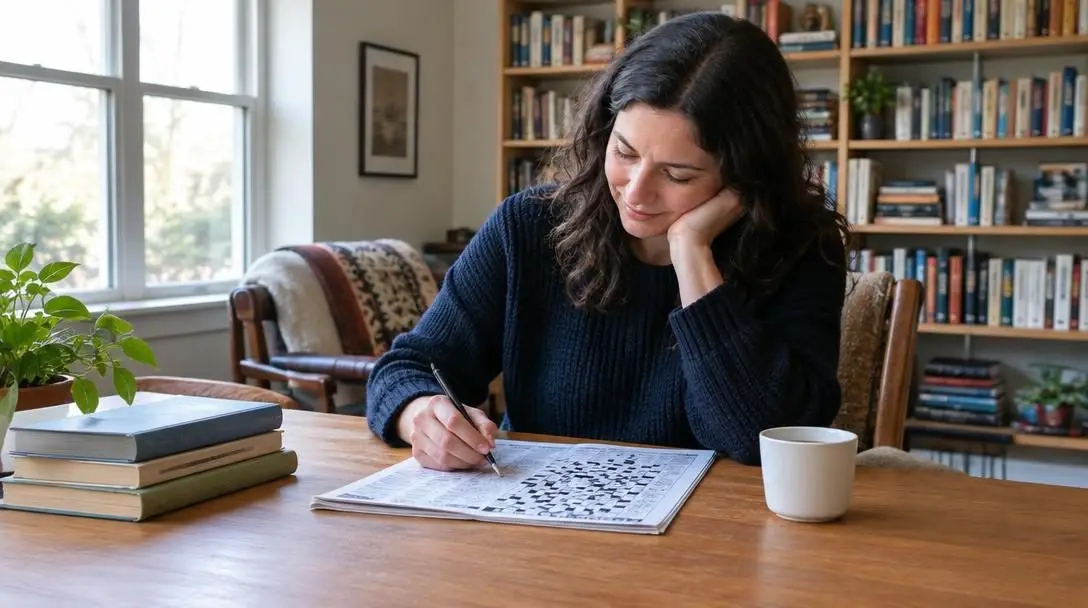
While audiences across the globe recognized her lightning-fast verbal timing and expressive facial comedy, Betty White possessed a hidden creative outlet that remained largely shielded from public view: she was an accomplished visual painter. Throughout her demanding television career, she quietly set aside time to work with paints and canvases, exploring form, texture, and color in a medium far removed from the collaborative chaos of network production sets.
This private pursuit yielded striking pieces of visual art that revealed a contemplative, quiet side to her personality. Painting granted her the freedom to create without the constraints of teleprompters, commercial breaks, or audience approval. For an entertainer whose days were governed by high-energy scripts and bustling production crews, working alone at an easel provided essential balance and allowed her to explore artistic impulses that could not be voiced through dialogue alone.
Master of backstage practical jokes
- Humor style: Mischievous, carefully orchestrated pranks
- Intended targets: Co-stars, production crews, and close friends
- Primary objective: Diffusing tension during demanding production tapings
Despite projecting a warm, sweet, and grandmotherly image in public, Betty White harbored a famously mischievous streak when the cameras were switched off. She possessed an exceptional talent for executing clever practical jokes designed to catch fellow performers and production crews completely off guard. Long studio taping days often stretched into exhausting hours under hot lights, and she made it her personal mission to puncture fatigue with spontaneous laughter.
Her backstage antics ranged from quick, witty sight gags to elaborate, perfectly timed pranks that kept her colleagues constantly anticipating her next move. Far from being disruptive, her playful humor fostered a warm, lighthearted environment on set. Fellow actors frequently reflected on how her comedic timing was just as razor-sharp when engineering off-camera mischief as it was when delivering award-winning punchlines on national television.
An eight-decade career rooted in early radio
- Foundational medium: Early radio broadcasting
- Landmark sitcom credits: The Mary Tyler Moore Show, The Golden Girls
- Signature characters: Sue Ann Nivens, Rose Nylund
The remarkable trajectory of Betty White's professional journey is virtually unmatched in modern pop culture history. She launched her career at an exceptionally young age, initially mastering the subtle technical art of early radio performance. Radio forced performers to convey emotion, spatial awareness, and comedic timing purely through vocal modulation and breath control. This foundational training gave her an immense advantage when she transitioned into television just as the medium was beginning to enter American households.
Over the subsequent decades, she created some of the most enduring characters in television history. Her turn as the outwardly sweet but bitingly cynical Sue Ann Nivens on The Mary Tyler Moore Show demonstrated her biting satirical abilities, while her performance as the naive, gentle Rose Nylund on The Golden Girls cemented her status as an international household name. Her ability to navigate shifting cultural trends while keeping her comedic delivery modern allowed her to remain an indispensable television fixture across multiple eras.
Betty White built an unprecedented eight-decade legacy by pairing unmatched comedic timing with an enduring spirit of curiosity and kindness.
The evolution of a television pioneer
To fully grasp the magnitude of Betty White's career, one must appreciate the primitive state of broadcasting when she first entered the entertainment industry. In the late 1930s and 1940s, television was considered a volatile, experimental format with limited household penetration. Established stars routinely shunned the medium, favoring the prestige of stage productions, the financial stability of major radio networks, or the glamorous prestige of Hollywood film studios.

Betty White recognized early on that television possessed a unique, intimate power. Because the camera brought performers directly into the private living rooms of everyday viewers, success required an authentic, conversational presence rather than the exaggerated, theatrical projection typical of cinema and stage. She adapted her extensive vocal training from radio to develop an effortless on-camera style. By participating in the earliest morning shows, talk formats, and variety broadcasts, she helped establish the fundamental production standards and performance conventions that would govern television programming for decades to come.
Key factors behind her extraordinary longevity
Betty White's ability to maintain public adoration and commercial success across eighty years was not simply a matter of good fortune. It was built on deliberate personal habits and professional choices:
- Subverting audience expectations: Much of her signature comedic impact relied on the contrast between her polite, demure visual appearance and an unexpectedly sharp, biting wit that surprised viewers.
- Building a collaborative culture: She viewed television production as an ensemble craft, using practical jokes and unfailing courtesy to support crew members and fellow actors during difficult shoots.
- Cultivating independent passions: By dedicating herself deeply to animal welfare advocacy and painting, she maintained a rich personal identity entirely independent of casting decisions and box office metrics.
- Embracing professional versatility: She never hesitated to take on varied formats, moving effortlessly from high-profile sitcom leads to daytime game show panels, commercial guest spots, and voiceover performances.
How to explore Betty White's artistic and humanitarian legacy
For viewers and admirers seeking to discover the full scope of her historic contributions to media and advocacy, the following structured approach covers her most vital achievements:
- Study her defining sitcom roles: Begin by viewing episodes of The Mary Tyler Moore Show to observe her acidic, sharp performance as Sue Ann Nivens, then compare it directly to her warm, gentle portrayal of Rose Nylund on The Golden Girls to appreciate her extraordinary comedic range.
- Research early radio and television history: Examine archives and documentaries documenting her work during the experimental years of live broadcasting, analyzing how she navigated early production constraints without the benefit of recorded tape.
- Support animal welfare organizations: Honor her lifelong mission by getting involved with local animal shelters, rescue initiatives, or wildlife preservation groups that champion the ethical treatment of living creatures.
- Review her modern comeback appearances: Revisit her late-career guest spots, hosting gigs, and variety sketches from the 2010s to see how seamlessly she connected with younger generations through sharp, self-aware comedy.
Common misconceptions about Betty White
Because Betty White remained in the public eye for so many decades, several persistent myths have developed regarding her professional trajectory and personal life. Clarifying these errors helps paint a more accurate picture of her historic accomplishments:
- Believing she only played naive characters: While casual viewers frequently conflate her real personality with Rose Nylund, her award-winning performance as the manipulative Sue Ann Nivens proved her capacity for biting, cynical character work.
- Assuming her career lacked struggle: Operating in show business across eight decades required navigating the cancellation of shows, rapid format transitions, and shifting network tastes through continuous reinvention.
- Dismissing her advocacy as superficial: Her devotion to animal welfare was a foundational, daily responsibility involving personal pet care and hands-on organizational support long before public relations charity initiatives became standard practice.
- Overlooking her early production insight: Betty White was not merely an actress waiting for direction; she possessed a deep technical understanding of television staging, pacing, and broadcast logistics derived from the medium's earliest days.
Frequently asked questions
What official world record did Betty White hold?
Betty White held the official Guinness World Record for the "Longest TV Career for an Entertainer (Female)," honoring her continuous work on television across more than eight decades.
What kinds of animals did Betty White keep at home?
Throughout her life, Betty White cared for a wide variety of pets, welcoming traditional domestic companions like dogs alongside more exotic pets, including birds, into her home sanctuary.
What was Betty White's hidden creative talent outside of acting?
Betty White was an accomplished painter who quietly pursued fine art throughout her life, using canvas and paint as a private creative outlet separate from the performing arts.
Why did Betty White pull pranks on television sets?
She orchestrated clever, harmless practical jokes on colleagues and crew members to relieve the tension and fatigue of long studio taping schedules, creating a collaborative, cheerful atmosphere.
What were Betty White's most famous television series?
Among her numerous credits, her most celebrated roles included the biting Sue Ann Nivens on The Mary Tyler Moore Show and the sweet, gentle Rose Nylund on The Golden Girls.
The bottom line on Betty White's extraordinary life
Betty White's enduring status as an American cultural treasure rests on far more than comedic brilliance and cheerful longevity. Her eight decades on the small screen established a gold standard for professional resilience, demonstrating that true adaptability requires continuous curiosity, technical mastery, and an unpretentious approach to one's craft. From her pioneering days in experimental radio and early television to her record-setting late-career resurgence, she navigated an ever-changing media landscape with effortless grace.
Equally inspiring was her ability to live a rich, balanced life away from the camera. By dedicating her time to animal welfare, cultivating fine art through painting, and keeping colleagues grounded with sharp humor, she proved that lasting fulfillment comes from passions outside public applause. Her legacy remains a masterclass in humor, humility, and the profound power of genuine kindness.