5 Weird Chris Rock Facts You’re Dying To Know
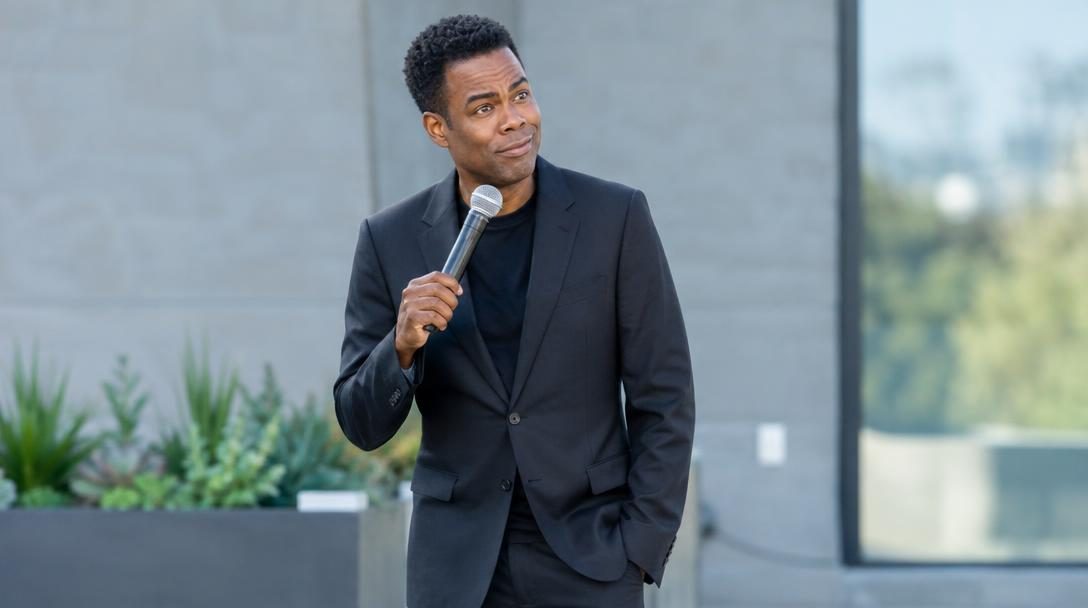
Over a career spanning more than three decades, Chris Rock has established himself as an enduring powerhouse in stand-up comedy, film, and television. Renowned for his sharp wit, biting social satire, and commanding presence, he has transformed from a determined young performer into an internationally recognized household name. Behind his celebrated public persona, however, sits a complex creative life shaped by unexpected artistic detours, intense personal vulnerabilities, and peculiar public disputes that rarely surface in standard biographical summaries.
While audiences across the globe immediately recognize him for his provocative stand-up specials and prominent screen appearances, examining the lesser-known chapters of his history offers a broader understanding of how an artist navigates long-term celebrity. From calculated shifts in professional identity to overlooked musical experiments and crippling personal anxieties, exploring these eccentric dimensions illuminates the private convictions and surprising trials that have accompanied his journey in the entertainment industry.
Key takeaways
- Chris Rock adopted his punchy stage name in the 1980s as a deliberate tribute to musical icons Rick James and Black Sabbath.
- Beyond comedy, he has released studio albums as a rapper, singer, and songwriter exploring systemic racism and police brutality.
- A severe, unyielding fear of flying once led him to reject a major film role that required international travel to Australia.
- His friendship with former United States President Barack Obama originated in the early 2000s when Obama was serving as an Illinois state senator.
At a glance: Five lesser-known aspects of Chris Rock's life
| Life dimension | Core detail | Primary influence or consequence |
|---|---|---|
| Professional moniker | Shortened from Christopher Julius Rock III | Inspired by rock and funk legends to create a punchier identity |
| Musical output | Albums bridging hip-hop and R&B | Addressed serious social commentary, including police conduct |
| Travel anxiety | Intense phobia of flying | Turned down an acting job in Australia and fueled stand-up routines |
| Political alliance | Decades-long friendship with Barack Obama | Led to high-profile campaign endorsements and rally appearances |
| Legal controversy | 1997 paternity suit by Rockefeller Rome | Created a months-long media circus before total dismissal in court |
Five surprising facts behind Chris Rock's public persona
The Origin of His Unique Stage Name
- Birth name: Christopher Julius Rock III
- Roots: Raised in South Carolina
- Inspirations: Rick James and Black Sabbath
- Era adopted: The 1980s
Before becoming one of the most recognizable voices in modern American satire, the entertainer was known simply as Christopher Julius Rock III. While that formal moniker suited his early youth in South Carolina, launching a professional comedy career during the competitive landscape of the 1980s demanded an identity that would immediately capture public attention. Rather than blending into comedy lineups with a conventional, traditional name, he set out to engineer a moniker with rhythm, weight, and lasting stage presence.
To construct his new professional persona, he drew direct inspiration from musical trailblazers whom he admired, specifically channeling the electric energy of funk icon Rick James and the heavy rock presence of Black Sabbath. Believing that a concise, hard-hitting name carried natural authority, he shortened his identity to "Chris Rock." The deliberate branding choice paid off, cementing a creative trademark that has remained synonymous with sharp, provocative humor for over thirty years.
His Surprising Musical Talent
- Musical roles: Rapper, singer, and songwriter
- Key genres: Hip-hop and R&B
- Central themes: Police brutality and systemic racism
Because the public views Chris Rock primarily through the lens of legendary comedy specials and Hollywood films, his legitimate work in the recording industry is frequently overlooked. Over the course of his artistic evolution, Rock stepped into recording studios to release multiple albums, demonstrating genuine capabilities as a rapper, singer, and songwriter. Rather than treating music as a trivial vanity experiment, he used these studio projects to explore personal creative impulses outside the boundaries of a comedy club.
Firmly grounded in the sonic worlds of R&B and hip-hop, Rock's music tackled weighty, pressing societal dilemmas. His lyrics directly confronted issues such as police brutality, institutional prejudice, and the everyday realities of systemic racism. While these musical efforts did not replicate the massive commercial triumphs of his stand-up tours and film roles, they remain an essential chapter in his broader body of work, underscoring his willingness to venture beyond standard comedic formats to deliver urgent social messages.

A Crippling Fear of Flying
- Condition: Severe aviophobia (fear of flying)
- Anxiety onset: Begins well before arriving at the airport
- Career impact: Forfeited a film acting role set in Australia
Under the glare of stage lights, Chris Rock routinely projects an aura of total fearlessness, effortlessly commanding vast arenas and dissecting sensitive cultural topics without hesitation. Away from the stage, however, he struggles with an intense, persistent fear of flying. In multiple public interviews, he has spoken candidly about this phobia, admitting that overwhelming feelings of dread and anxiety regularly set in long before he ever boards an aircraft.
This aviophobia has imposed measurable limits on his international career and creative choices. Rock once walked away from a desirable film acting role specifically because the production required him to take a long-haul flight to Australia—a journey his anxiety would not permit him to make. Rather than concealing this vulnerability from his audience, Rock converted his travel dread into artistic material, frequently crafting stand-up routines that mock the stress of modern airport security checkpoints and turn personal distress into shared humor.
By converting authentic private dread into onstage storytelling, an artist transforms a paralyzing personal phobia into shared laughter.
His Connection to Former US President Barack Obama
- Friendship origins: Early 2000s
- Early dynamic: Illinois state senator and rising comedian
- Campaign milestone: Introduced Obama at a 2012 campaign rally
The alliance between an irreverent, sharp-tongued comedian and a prominent political statesman might seem improbable, yet Chris Rock has maintained a genuine, durable friendship with former United States President Barack Obama. Their relationship dates back to the early 2000s, an era when Obama was working as an Illinois state senator and Rock was rapidly establishing himself as one of the comedy world's fastest-rising superstars. Their shared perspectives and mutual appreciation sparked an enduring bond that lasted through Obama's rise to national prominence.
As Obama pursued the presidency, Rock leveraged his cultural platform to champion his friend's campaigns, culminating in a notable appearance where he introduced Obama on stage at a major 2012 campaign rally. Rock's vocal praise persisted long after Obama finished his two terms in the White House. Over the years, the comedian has publicly described Obama in glowing terms, famously declaring him to be "the coolest guy in the world" and praising him as "the greatest president we’ve ever had."
His Involvement in a Bizarre Lawsuit
- Year of filing: 1997
- Claimant: A man calling himself Rockefeller Rome
- Allegation: Paternity claim demanding financial support
- Outcome: Fully dismissed due to complete lack of evidence
Achieving international fame frequently exposes celebrities to bizarre legal complications, and in 1997, Chris Rock became the target of a high-profile, unfounded legal dispute. A man presenting himself as Rockefeller Rome filed a formal lawsuit against the comedian, alleging that he was Rock's biological, illegitimate son and asserting that he was legally entitled to ongoing financial support from the star.

The bizarre legal initiative collapsed almost immediately once placed before the court. The case was formally thrown out due to an absolute absence of supporting evidence or factual backing. Rock vehemently denied the allegations from the moment they surfaced, consistently maintaining that he had never met or interacted with the individual in question. Even though the court dismissed the case, the outlandish accusation generated an aggressive media circus that persisted for months, serving as one of the most surreal public controversies of his career.
How vulnerability and creative reinvention shape public life
Analyzing the lesser-known milestones of Chris Rock's life demonstrates how high-profile figures balance genuine human vulnerabilities with the demands of an international career. His journey offers several valuable insights into the dynamics of public personas, personal health, and creative longevity:
- The power of deliberate reinvention: Stepping away from a given birth identity to adopt a focused stage name provides artists with an intentional creative framework, allowing them to channel specific influences like rock and funk into their professional output.
- Diversifying expressive mediums: When a performer's primary field is comedy, audience expectations center on laughter. Stepping into music and songwriting enables creators to articulate serious perspectives on institutional inequality without the constant pressure of landing punchlines.
- Humor as an emotional coping tool: Acknowledging crippling phobias on stage reframes feelings of helplessness. By discussing his travel anxieties openly, Rock transformed an isolating condition into relatable comedic observations.
- Navigating public scrutiny: Bizarre controversies, such as the 1997 Rockefeller Rome lawsuit, demonstrate the necessity of relying on formal legal mechanisms and maintaining factual clarity when confronting baseless public allegations.
Practical steps for navigating performance anxiety and personal fears
Chris Rock's willingness to speak openly about his aviophobia highlights the reality that even legendary performers grapple with overwhelming anxiety. Applying structured strategies can help manage significant stressors and creative fears in daily life:
- Acknowledge the fear openly: Attempting to suppress a phobia or anxiety generally magnifies its intensity. Speaking candidly about fears diminishes the personal shame and isolation that often accompany intense anxiety.
- Find constructive creative outlets: Converting internal tension into productive projects helps reframe negative emotions. Channelling anxious moments into writing, creative work, or humor weakens the hold that worry has over daily actions.
- Establish firm personal boundaries: Setting unambiguous limits is critical when managing severe stress. Recognizing when an opportunity—such as turning down an international role that requires extensive air travel—exceeds your current capacity protects emotional well-being.
- Ground your perspective in objective reality: During moments of acute stress or external pressure, focus exclusively on verified facts. Just as baseless legal accusations dissolve without evidence, irrational worries often shrink when measured against objective facts.
Strategic lessons and creative pitfalls to avoid
Examining the distinct phases of Chris Rock's multi-decade career reveals crucial lessons for aspiring performers, writers, and public communicators. Avoiding these common mistakes can protect both creative integrity and long-term momentum:
- Compartmentalizing your talents too narrowly: Creators often restrict themselves to a single medium out of fear of failure. Rock expanded into hip-hop, singing, and songwriting despite enjoying immense success as a comedian, proving the value of exploring diverse artistic channels.
- Reacting erratically to unfounded claims: Panicking in the face of false allegations can compound public relations damage. Trusting procedural facts and refusing to entertain baseless drama is the most reliable way to clear one's reputation.
- Failing to build cross-industry relationships: Meaningful connections frequently form outside an individual's primary field. Rock's enduring friendship with Barack Obama, established long before Obama entered presidential politics, underscores the importance of authentic relationships rooted in mutual respect.
- Clinging to an ill-fitting creative identity: Sticking rigidly to an original persona out of habit can limit professional growth. Choosing an intentional, punchy identity signals artistic clarity to collaborators and audiences alike.
Frequently asked questions
What was Chris Rock's birth name?
Chris Rock was born Christopher Julius Rock III in South Carolina before adopting his shortened, punchier stage moniker in the 1980s.
Which musicians inspired Chris Rock's stage name?
He selected "Chris Rock" as a tribute to musical powerhouses Rick James and Black Sabbath, seeking a stage name that carried an innate sense of power and impact.
What social issues did Chris Rock explore in his music career?
Through his hip-hop and R&B albums, Rock worked as a rapper, singer, and songwriter to address serious societal themes, focusing specifically on police brutality and systemic racism.
Did Chris Rock's fear of flying ever affect his acting career?
Yes. His intense aviophobia caused him to walk away from a film acting role because the production required him to fly to Australia, a journey he could not bring himself to make.
How did the 1997 lawsuit against Chris Rock end?
The lawsuit brought by Rockefeller Rome, who claimed to be Rock's illegitimate son, was quickly dismissed by the court due to a complete absence of evidence, following months of intense media attention.
The bottom line
Behind Chris Rock's commanding stage delivery and decades of entertainment triumphs sits an artist whose life has been shaped by calculated risks, artistic experiments, and very real human vulnerabilities. Whether intentionally reimagining his name after funk and rock icons, addressing systemic inequality through R&B and hip-hop albums, navigating severe aviophobia, or enduring bizarre legal circus acts, these lesser-known experiences reveal the true complexity of his journey. Recognizing both his creative range and his personal boundaries demonstrates that lasting cultural influence stems not from an absence of fear, but from the ability to keep creating in spite of it.