5 Weird Donald Trump Facts You’re Dying To Know
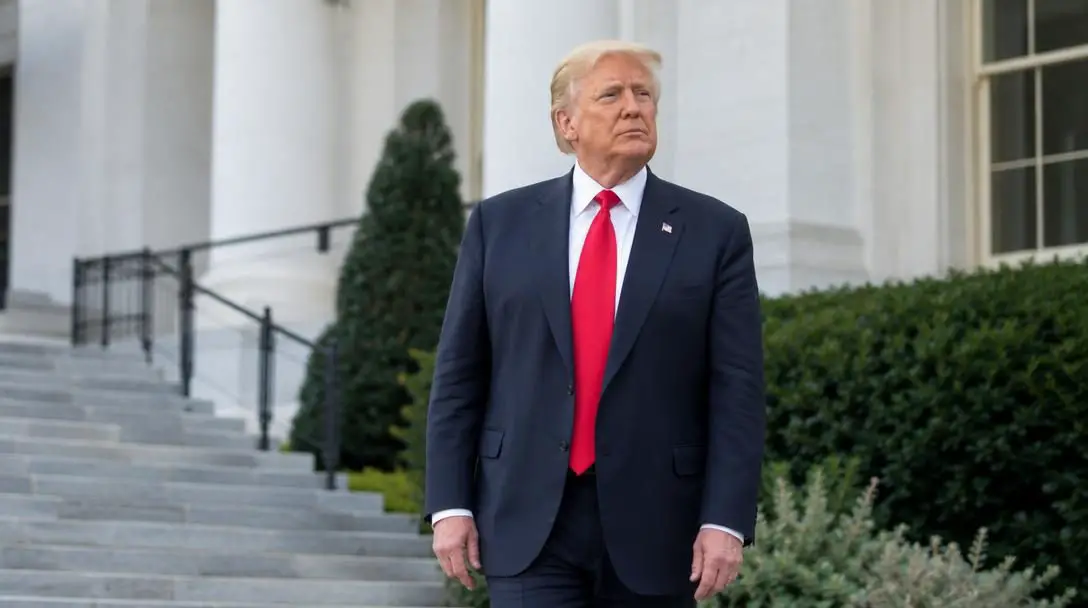
Long before entering electoral politics, Donald Trump was a fixture of American entertainment, real estate, and tabloid media. For decades, the public tracked his career not just through commercial transactions and building developments, but through his high-profile media cameos, vocal feuds, and unapologetic lifestyle preferences. His unconventional persona blurred the boundaries between celebrity culture and executive leadership.
While public figures are typically evaluated on their formal platforms and executive actions, personal idiosyncrasies often offer an equally revealing look at how they construct their public presence. From well-documented everyday phobias to unforgettable televised spectacles, these quirks reveal the complex intersections of habit, performance, and cultural influence that continue to shape his presence in the media landscape.
Key takeaways
- Donald Trump is an avowed germaphobe who routinely avoids touching handshakes, doorknobs, and elevator buttons.
- His well-known appetite for fast food from major chains like McDonald's and KFC followed him from his private jet directly into official White House gatherings.
- Decades of involvement with professional wrestling culminated in 2007 when he shaved WWE executive Vince McMahon's head on live television.
- His star on the Hollywood Walk of Fame has repeatedly been targeted by protestors, suffering spray-paint vandalism and pickaxe damage.
- His long-running, public war of words with comedian Rosie O'Donnell became one of modern entertainment's most persistent media feuds.
At a glance: Five memorable Trump quirks and milestones
| Quirk or Milestone | Category | Documented Details | Public Impact |
|---|---|---|---|
| Fear of Germs | Personal Routine | Avoids handshakes, doorknobs, and buttons; carries hand sanitizer | Complicates traditional glad-handing political retail interactions |
| Fast-Food Obsession | Dietary Habit | Favors McDonald's and KFC; uses utensils on private jet | Generated populist appeal and unconventional White House banquets |
| WWE Appearances | Television Spectacle | Hosted WrestleManias; won 2007 "Battle of the Billionaires" | Solidified theatrical showmanship and televised crossover reach |
| Walk of Fame Star | Entertainment Honor | Awarded for television work; repeatedly vandalized and struck with pickaxe | Turned a physical entertainment monument into a political flashpoint |
| Rosie O'Donnell Feud | Celebrity Rivalry | Decades of mutual barbs across press conferences, broadcasts, and social feeds | Illustrated aggressive media counter-punching as standard operating procedure |
Five documented Trump quirks and entertainment milestones
Fear of Germs
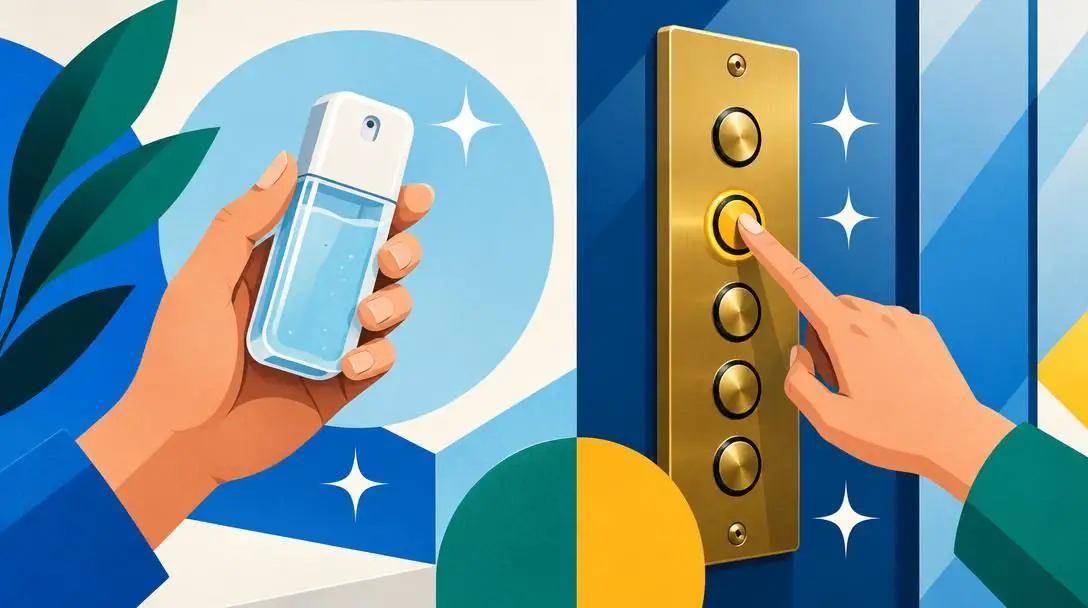
- Known aversion: Contact with bacteria and transmissible sickness
- Avoided items: Handshakes, public doorknobs, and elevator buttons
- Pocket staple: Hand sanitizer carried at all times
In retail politics, success has historically depended on the ceremonial handshake, making Trump's deep-seated germaphobia one of his most challenging personal hurdles. Trump has long maintained an intense aversion to physical germs, going so far as to view conventional physical greetings as an unnecessary health risk. Rather than concealing this anxiety, he has spoken candidly about his reluctance to touch common surfaces.
To navigate daily environments, Trump consistently limits his direct exposure to high-traffic touchpoints. Aside from avoiding handshakes whenever possible, he makes deliberate efforts to bypass doorknobs and elevator buttons, which routinely host heavy microbial traffic. Keeping hand sanitizer within arm's reach serves as an indispensable daily safeguard, allowing him to interact in crowded venues while maintaining his personal cleanliness standards.
Fast-Food Obsession
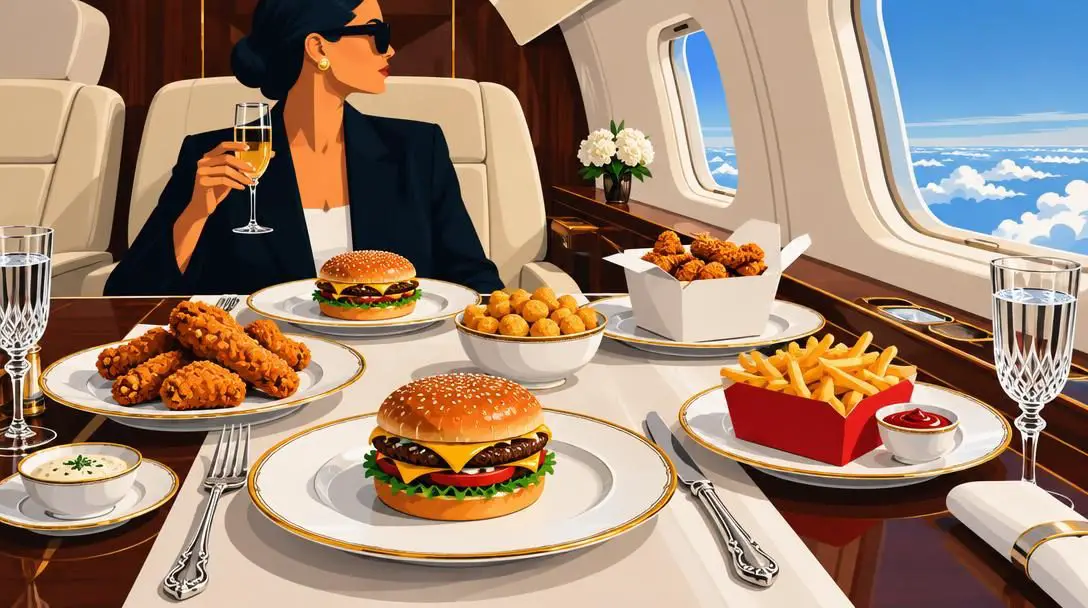
- Preferred fast-food brands: McDonald's and KFC
- White House dining: Fast-food spreads served at official receptions
- Famous eating quirk: Using a knife and fork with boxed chicken on private aircraft
While heads of state and prominent executives are usually associated with fine dining and private personal chefs, Trump has cultivated an enduring affinity for mass-market American fast food. Long before his political career, his routine diet regularly featured fare from staple drive-through chains such as McDonald's and KFC. Trump has embraced this junk-food appetite unapologetically, treating processed American staples as reliable and satisfying comforts.
This culinary preference produced several iconic images over the years. One widely circulated photograph captured him aboard his private jet, poised over a cardboard bucket of KFC with formal silverware and a ceramic plate. When collegiate sports champions visited during his tenure in office, he famously ordered massive spreads of burgers and fries directly to the White House, reinforcing his populist culinary tastes on a global stage.
WWE Appearances
- Entertainment platform: World Wrestling Entertainment (WWE)
- Key milestone: Hosting early WrestleMania events
- Signature storyline: The 2007 "Battle of the Billionaires"
Trump's relationship with professional wrestling spans several decades, representing one of his earliest forays into arena-scale televised drama. Rather than operating as a passive celebrity attendee, he actively partnered with WWE, using his properties to host flagship events like WrestleMania and embedding his larger-than-life business persona directly into company storylines.
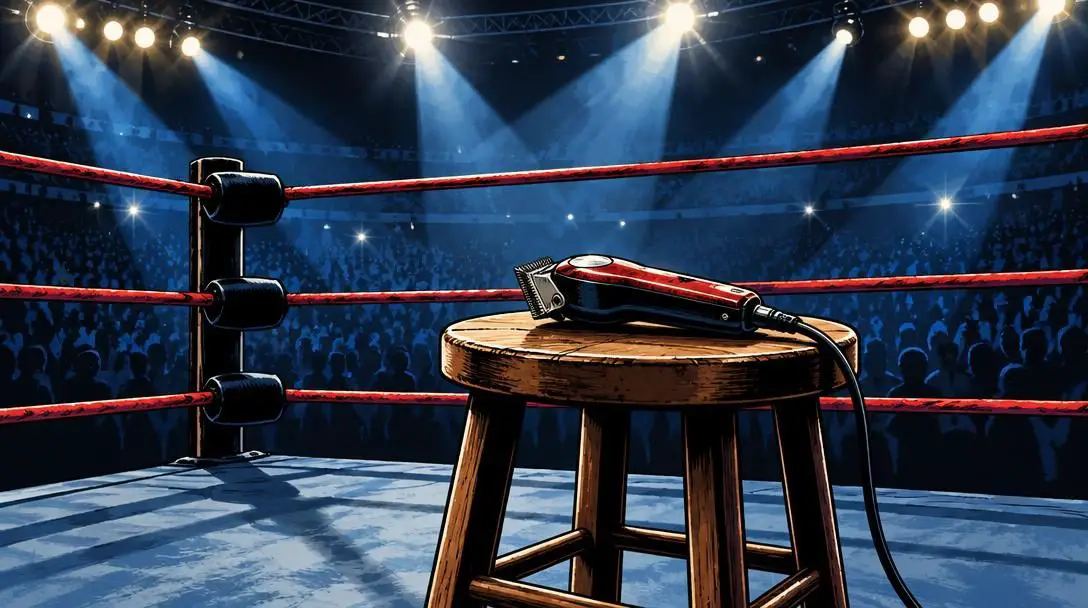
The pinnacle of this collaboration occurred at WrestleMania 23 in 2007 during the hyped "Battle of the Billionaires" match. Trump entered a high-stakes feud against WWE Chairman Vince McMahon, in which both moguls selected a proxy wrestler to fight on their behalf. Trump's chosen wrestler secured victory, leading to an extraordinary pop-culture spectacle: Trump personally helped pin McMahon down and shaved McMahon's head bald in the middle of the ring on live pay-per-view television.
Televised spectacles like professional wrestling blurred the boundaries between executive leadership and over-the-top entertainment.
Star on the Hollywood Walk of Fame
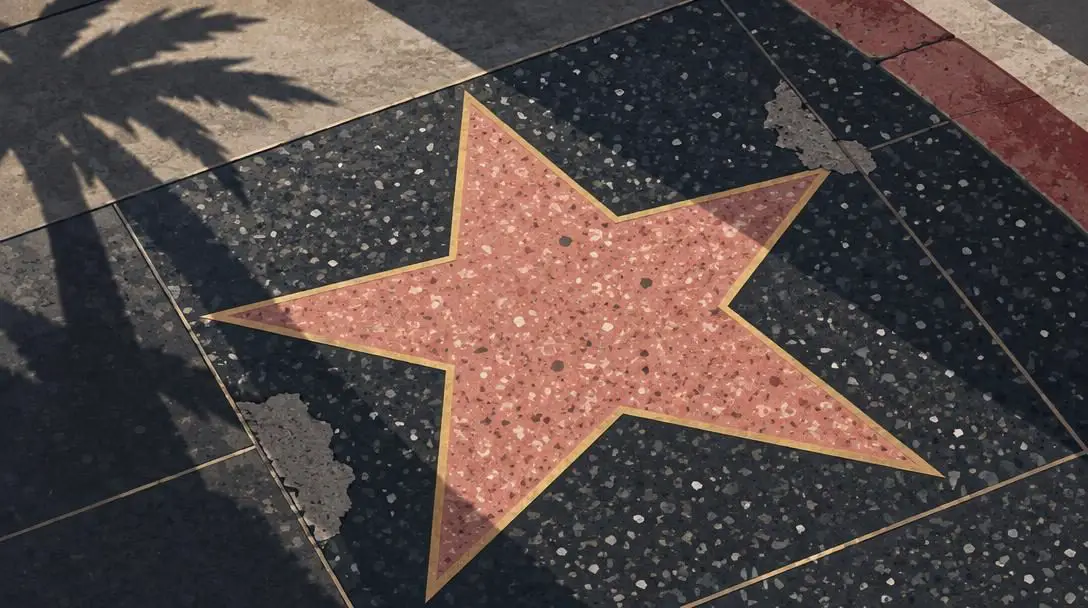
- Award category: Contributions to television and entertainment
- Location: Hollywood Boulevard, Los Angeles
- Documented damage: Paint defacement and complete pickaxe destruction
Long before entering government, Trump earned a star on the world-famous Hollywood Walk of Fame, awarded to commemorate his work in televised entertainment, including his role as the host of prime-time network programming. The terrazzo and brass monument placed his name alongside classic Hollywood actors and iconic media producers, celebrating his durable standing within the entertainment industry.
Following his pivot into national politics, however, the monument became a prime target for public anger. Over several election cycles, the sidewalk plaque suffered repeated acts of aggressive vandalism. Protesters regularly covered his name in paint, etched messages across the brass inlay, and, in several notable incidents, attacked the stone with heavy sledgehammers and a pickaxe, requiring repeated reconstruction by historic trust crews.
Feud with Rosie O'Donnell
- Rival: Comedian and talk show host Rosie O'Donnell
- Dispute channels: Television broadcasts, press conferences, and online posts
- Trump's insult: Labeled O'Donnell "a slob with a fat, ugly face"
- O'Donnell's retort: Labeled Trump "a snake-oil salesman"
Among Trump's many public disputes with media figures, none has proven more sustained or vitriolic than his multi-decade rivalry with comedian Rosie O'Donnell. The clash began in the mid-2000s when O'Donnell criticized his handling of a beauty pageant controversy on daytime television, setting off a continuous exchange of personal insults that spanned national broadcasts, news columns, and social media platforms.
The rhetoric throughout the feud was exceptionally harsh. In response to O'Donnell's critiques of his business ethics and temperament—during which she denounced him as "a snake-oil salesman"—Trump launched biting public counterattacks, famously calling her "a slob with a fat, ugly face." The rivalry became so ingrained in his public identity that it even surfaced during high-profile political debates, illustrating his refusal to abandon personal grievances.
How celebrity habits and quirks shape public perception
Public fascination with an elite figure's personal idiosyncrasies is rarely accidental. Media analysts point out that odd habits and theatrical appearances serve specific psychological functions for audiences and political strategists alike:
- Relatability versus elite distance: Savoring fast food from everyday chains bridges the cultural divide between a billionaire lifestyle and regular voters, creating an image of down-to-earth accessibility.
- The theatrical power of spectacle: Staging spectacles such as wrestling matches or public hair-shaving stunts captures mainstream media attention and frames public life as dynamic, unscripted theater.
- Vulnerability through personal aversion: Admitting to an uncontrollable fear of germs exposes a relatable human vulnerability in an individual who otherwise projects an aura of absolute control.
- Polarization focused on symbols: Physical artifacts like a Hollywood Walk of Fame star transform into focal points for ideological debates, concentrating broader societal friction onto inanimate monuments.
- Media dominance through conflict: Prolonged verbal warfare with popular culture figures guarantees constant headlines, ensuring that both participants remain culturally relevant.
How to critically evaluate political and celebrity oddities
Navigating news stories about unusual celebrity behaviors requires readers to separate lighthearted eccentricity from consequential actions. Applying a structured analytical approach helps maintain perspective:
- Separate personal eccentricities from official policies: Differentiate harmless dietary choices and hygiene habits from major economic, legal, or administrative decisions that affect the public.
- Analyze the promotional context of rivalries: Evaluate public insults and celebrity feuds with an understanding that public disputes often function as calculated attention strategies for both parties.
- Examine primary historical footage: Consult archival recordings of entertainment events—such as wrestling matches or talk-show interviews—to evaluate the event directly rather than relying on hearsay.
- Track public interaction with physical symbols: Observe how monuments, plaques, and memorabilia are treated by crowds over time to gauge changes in public sentiment.
- Diversify your information intake: Balance lighthearted coverage of personal quirks with rigorous investigative reporting on executive governance, policy impacts, and corporate operations.
Pitfalls to avoid when interpreting high-profile eccentricities
When analyzing personal anecdotes about polarizing figures, discussions frequently derail into common analytical mistakes:
- Conflating personal habits with executive policy: Assuming that a preference for fast food or a fear of common bacteria directly dictates formal administrative governance.
- Overlooking the entertainment background: Ignoring decades spent working in professional wrestling and reality television, which directly informed his media communication style.
- Taking a one-sided view of feuds: Attributing public spats solely to one participant while ignoring the mutual barbs exchanged across media platforms over the years.
- Dismissing pop culture as trivial: Underestimating how mainstream television appearances and entertainment honors build the broad brand recognition that enables a political ascent.
- Reacting purely through an emotional lens: Allowing political enthusiasm or disdain to distort historical facts regarding documented events, records, and media appearances.
Frequently asked questions
Why does Donald Trump avoid shaking hands with people?
Donald Trump is an avowed germaphobe who considers handshakes an unhygienic practice capable of spreading illness. To protect against bacteria, he frequently avoids handshakes, minimizes contact with doorknobs and elevator buttons, and regularly uses hand sanitizer.
What fast food does Donald Trump eat most often?
Trump has long expressed a strong preference for popular American fast-food chains, especially McDonald's and KFC. He has famously enjoyed meals from these franchises while traveling on his private jet and even served massive fast-food buffets at official White House gatherings.
What happened during Trump's famous WWE match with Vince McMahon?
At WrestleMania 23 in 2007, Trump and WWE Chairman Vince McMahon competed in the "Battle of the Billionaires," with each man selecting a professional wrestler to fight for him. Trump's chosen wrestler won the bout, which resulted in Trump personally shaving McMahon's head bald on live television.
Why was Donald Trump given a star on the Hollywood Walk of Fame?
Trump received his Hollywood Walk of Fame star in recognition of his contributions to the television and entertainment industries, including his years hosting prime-time television. Following his entry into politics, the star has been vandalized numerous times with spray paint and physical tools.
How did the public feud between Donald Trump and Rosie O'Donnell start?
The feud began in the mid-2000s when O'Donnell publicly criticized Trump's business conduct and ethics on daytime television. The dispute escalated over decades, with Trump calling O'Donnell "a slob with a fat, ugly face" and O'Donnell describing him as "a snake-oil salesman."
The bottom line
Donald Trump's ascent from real estate developer to television personality and ultimately to the presidency remains one of the most unconventional trajectories in modern political history. Examining his quirks—such as his pronounced fear of germs, his fast-food preferences, his WWE head-shaving stunt, his vandalized Hollywood monument, and his public feud with Rosie O'Donnell—reveals how entertainment and personal eccentricities can define a public brand.
Whether viewed as endearing populist relatable habits or startling departures from traditional decorum, these five traits demonstrate how thoroughly Trump merged pop-culture theater with political prominence. Understanding these quirks offers a clearer view of how modern celebrity operates, proving that personal routines and media combat can influence public perception just as profoundly as official actions.