5 Weird Elon Musk Facts You’re Dying To Know
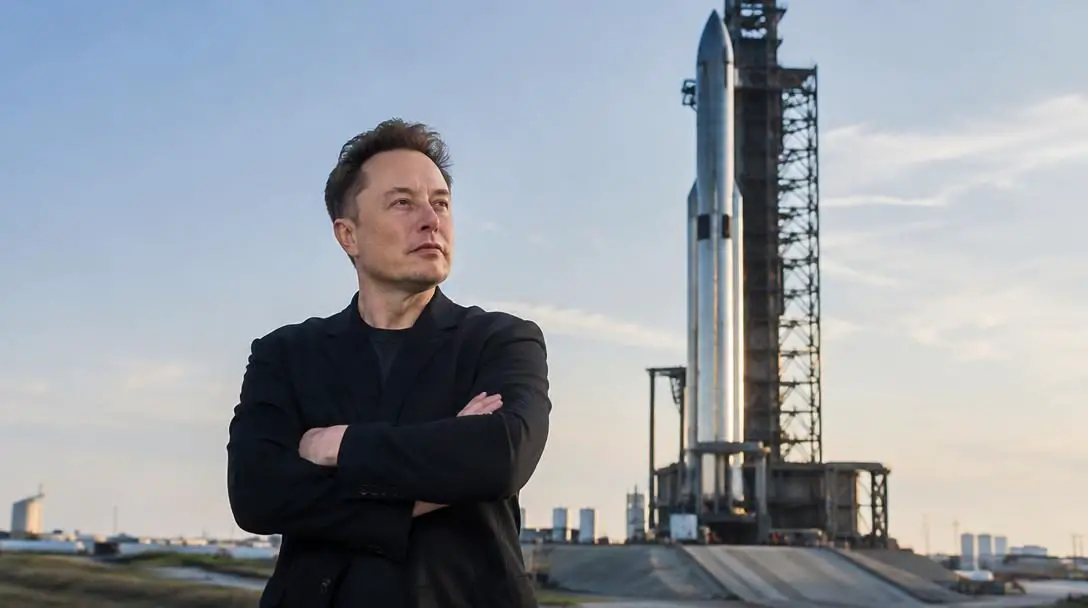
Elon Musk occupies a singular position in modern industry, orchestrating ventures that span orbital aerospace, zero-emission automotive design, neurotechnology, and infrastructure excavation. While his commercial footprint with SpaceX and Tesla is widely recognized, the daily reality of his work often ventures into territories that seem closer to speculative fiction than corporate governance.
From underground tunnels illuminated by novelty torches to direct neural implants and live television sketches, his career continually challenges standard executive behavior. Exploring the peculiar details of Musk's projects reveals how extreme engineering, viral media literacy, and long-range civilizational concepts combine to form a uniquely disruptive approach to enterprise.
Key takeaways
- Musk founded SpaceX with the primary objective of establishing a self-sustaining human civilization on Mars using the massive BFR.
- His neurotechnology firm, Neuralink, aims to build high-bandwidth brain-computer interfaces to address neurological conditions and merge with digital intelligence.
- To raise funds and publicity for The Boring Company, Musk produced and sold 20,000 novelty "Not-A-Flamethrower" devices.
- Musk bypasses standard corporate public relations by using Twitter directly, often triggering noticeable volatility in stock prices.
- He actively embraces mainstream entertainment, appearing as himself in films like Iron Man 2 and hosting Saturday Night Live.
At a glance: Five unconventional facets of Elon Musk
| Venture or Habit | Primary Domain | Defining Characteristic | Real-World Impact |
|---|---|---|---|
| Mars Colonization | Spaceflight (SpaceX) | Planetary terraforming and the BFR architecture | Shifts aerospace focus toward multi-planetary civilizational survival |
| Brain-Computer Interfaces | Neurotechnology (Neuralink) | Direct biological-to-digital neural communication | Catalyzes research and debates on cognitive ethics and neurology |
| Not-A-Flamethrower | Infrastructure (The Boring Company) | Novelty consumer hardware used for capital fundraising | Sold 20,000 units and built viral global attention for tunneling |
| Unfiltered Social Media | Public Communication (Twitter) | Spontaneous, unvetted posting of commentary and memes | Bypasses conventional media and directly shifts market valuations |
| Pop Culture Cameos | Entertainment & Television | On-screen appearances in major sci-fi and comedy broadcasts | Solidifies his persona as a modern symbol of technical ambition |
Five weird and intriguing facts about Elon Musk
Mars Colonization and the BFR

- Primary organization: SpaceX
- Core vehicle: BFR (Big Falcon Rocket)
- Long-term vision: Terraforming and multi-planetary consciousness
While standard aerospace contractors historically built disposable rockets under government contracts, Musk founded SpaceX with an explicit, singular objective: transforming humanity into a multi-planetary species. The philosophical motivation behind this effort rests on preserving human consciousness by establishing an independent, self-sustaining civilization away from Earth. Rather than viewing space travel as an instrument for brief scientific expeditions or geopolitical flag-planting, Musk plans for mass migration and continuous logistics chains.
Central to this long-term ambition is the BFR (Big Falcon Rocket), an enormous reusable transportation system designed to carry massive payloads and passengers across interplanetary distances. Musk has advocated for bold concepts such as terraforming the Martian surface to make its cold, desert environment hospitable over generations. This sweeping planetary vision challenges conventional aerospace economics and forces engineers to rethink life support, deep-space fuel manufacturing, and orbital refueling mechanisms.
Neuralink and Brain-Computer Interfaces
- Primary organization: Neuralink
- Core technology: Direct brain-computer interfaces
- Stated aims: Treating neurological disorders and merging with artificial intelligence
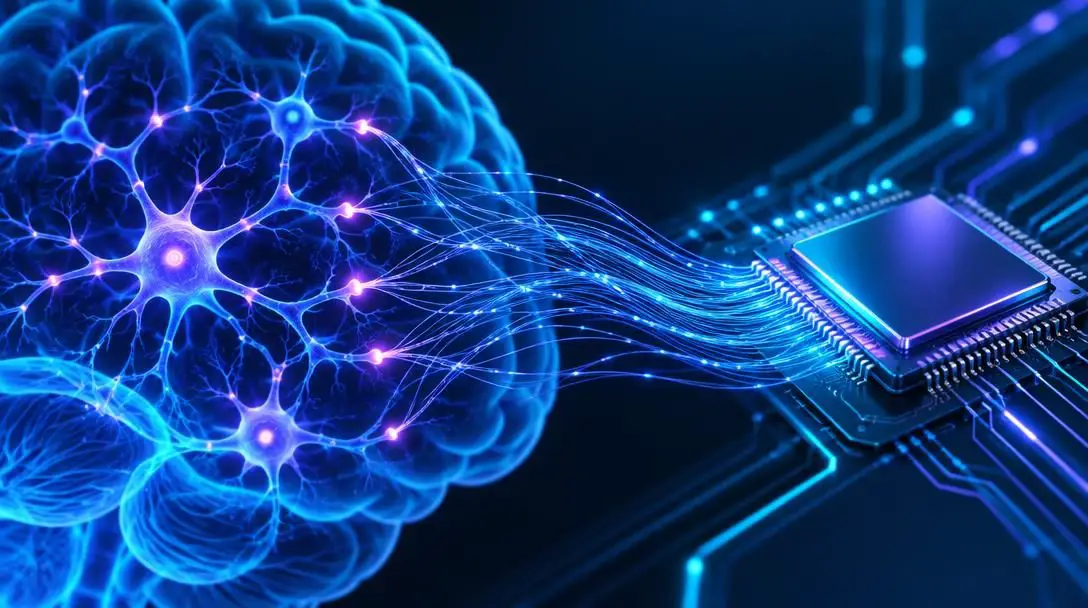
Musk's technical interests are not confined to external engineering feats; they also extend inward toward the human central nervous system. Through Neuralink, he oversees the development of direct brain-computer interfaces designed to bridge biological neurons with digital hardware. By creating ultra-fine electrode threads implanted into brain tissue, the company seeks to establish direct communication pathways that bypass conventional biological constraints.
The immediate medical applications of this research center on restoring motor and sensory functions by creating bypasses around damaged nerve structures. Over the horizon, Musk envisions a symbiotic relationship between biological brains and advanced artificial intelligence, preventing human faculties from being rendered obsolete by accelerating machine computation. However, these technical concepts have fueled serious discussions regarding data privacy, biological security, and the ethics of altering human cognition through proprietary digital systems.
The Boring Company and the "Not-A-Flamethrower"
- Primary organization: The Boring Company
- Signature merchandise: "Not-A-Flamethrower"
- Total units distributed: 20,000 units
In response to persistent street-level traffic congestion, Musk launched The Boring Company to dramatically reduce the cost and timeline associated with subterranean transit tunnels. Rather than following standard procurement protocols, the firm adopted an eccentric promotional strategy. In an unexpected fundraising effort, the company produced and sold 20,000 flamethrowers, branded as the "Not-A-Flamethrower," directly to consumers.
The device quickly became an online sensation, turning an industrial civil engineering enterprise into a viral cultural phenomenon. This episode exemplified Musk's disregard for traditional corporate playbooks, using novelty consumer hardware to finance and publicize large-scale capital endeavors. By turning industrial excavation into a topic of pop-culture conversation, the venture proved how unorthodox consumer marketing can bring widespread attention to heavy municipal infrastructure.
High-Impact Twitter Habits
- Communication channel: Twitter
- Content types: Technical updates, memes, and corporate announcements
- Market consequence: Direct fluctuations in public equity valuations
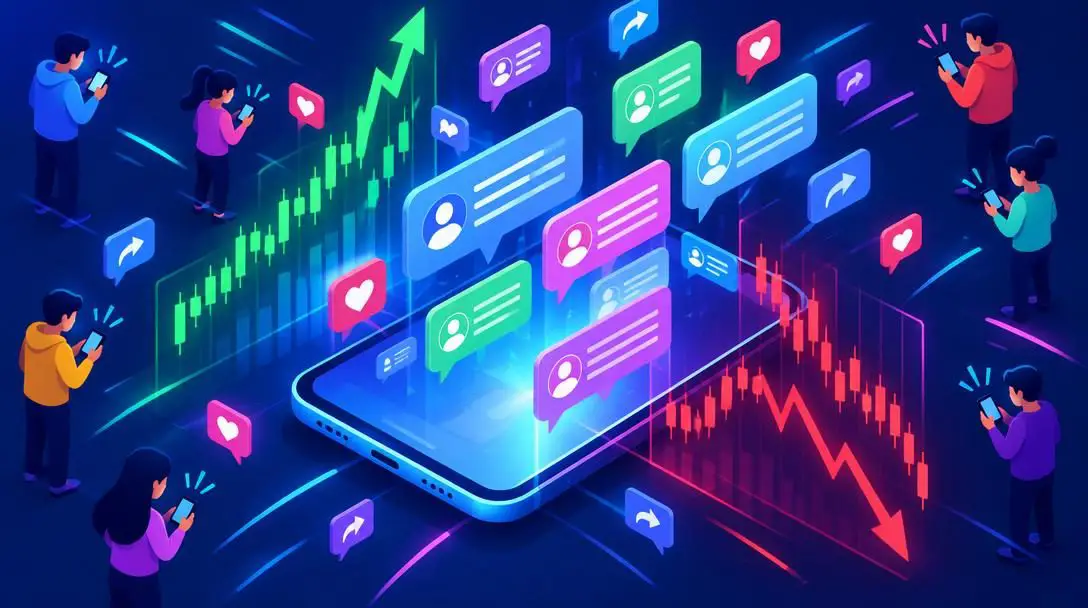
Unlike traditional executives who communicate through carefully managed public relations departments and vetted statements, Musk maintains a raw and direct presence on Twitter. He relies on the platform as his primary channel for technical disclosures, industry critiques, internet memes, and spontaneous commentary. This habit breaks long-standing business conventions, creating an unfiltered digital forum between a corporate leader and hundreds of millions of observers.
The speed and reach of these communications have real-world economic consequences. Over the years, individual posts from Musk's account have influenced trading volume, swayed consumer sentiment, and moved the stock prices of his public ventures within seconds. His social media activity demonstrates how personal digital communication can replace traditional media intermediaries, while introducing ongoing challenges regarding corporate governance and executive accountability.
Musk's approach breaks long-standing business conventions by merging spontaneous personal expression with high-stakes industrial strategy.
Hollywood Cameos and Hosting Saturday Night Live

- Notable movie cameo: Iron Man 2
- Notable television cameo: The Big Bang Theory
- Major hosting appearance: Saturday Night Live
Musk’s public persona is reinforced by frequent appearances throughout mainstream American entertainment. Unlike corporate executives who strictly remain in the business pages, Musk has repeatedly crossed over into scripted pop culture. He played himself in the Marvel cinematic release Iron Man 2, interacting with Robert Downey Jr.'s character to blur the line between real-world tech billionaires and fictional inventors. He similarly made an appearance in the popular sitcom The Big Bang Theory, volunteering in a soup kitchen alongside the show's cast.
More recently, Musk hosted the long-running live comedy program Saturday Night Live, taking part in scripted sketches and opening monologues. These appearances serve a distinct strategic purpose: they embed his industrial enterprises into popular culture, ensuring that discussions of orbital rocketry and electric transport reach mainstream viewers far beyond traditional technical communities.
The operational framework behind Musk's ventures
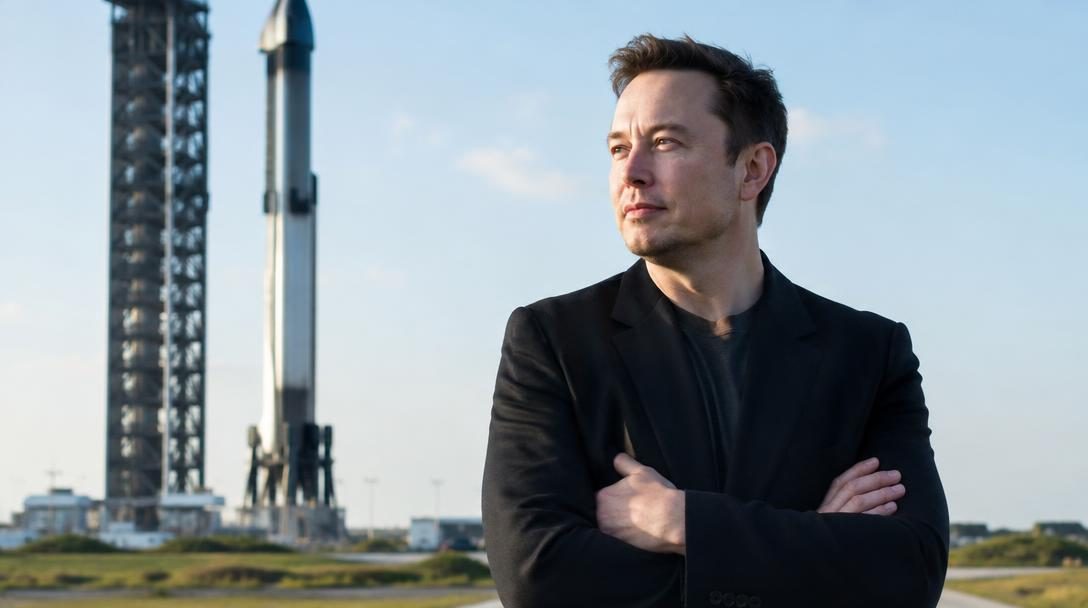
The diverse activities surrounding Musk—from drilling machines to spaceships and entertainment—are connected through an overarching operating philosophy. Recognizing this framework helps explain how these different initiatives fit together:
- First-principles reasoning: Instead of accepting historical aerospace or automotive benchmarks, Musk analyzes problems down to their foundational physics and materials costs, designing custom solutions from scratch.
- Bypassing intermediate PR: Utilizing direct social media channels ensures that operational updates, delays, and breakthroughs reach consumers without editorial filtering.
- Cross-disciplinary branding: Cameos in major feature films and late-night television establish a cultural identity that attracts specialized engineering talent and maintains sustained public focus.
- Unorthodox capital generation: Deploying viral merchandise like the "Not-A-Flamethrower" generates immediate operating funds while cementing community engagement.
How to objectively evaluate news about Elon Musk
Given the rapid development cycle and media coverage surrounding Musk's enterprises, readers need a systematic framework to parse incoming reports. Following this structured approach helps separate tangible technical results from speculative publicity:
- Separate active prototypes from theoretical goals: Differentiate between operational hardware—such as operational rocket launches—and distant aspirational concepts like full planetary terraforming.
- Consult formal regulatory and engineering filings: Review filings with agencies overseeing medical devices, aerospace safety, and municipal tunneling rather than relying solely on social media commentary.
- Evaluate ethical and physiological constraints: When reading updates on neurotechnology, balance software claims against biological challenges, clinical testing timelines, and data privacy safeguards.
- Isolate equity market volatility from technical progress: Recognize that immediate changes in stock prices caused by social media posts do not automatically reflect changes in factory production or research capabilities.
Common misconceptions to avoid
Navigating news about Musk's complex portfolio often leads to confusion. Observers should avoid several frequent analytical errors:
- Assuming all announced timelines are fixed deadlines: Many long-range targets for interplanetary travel or biological integration represent optimistic technical trajectories rather than firm schedules.
- Underestimating the regulatory landscape: High-risk endeavors involving human neural tissue or underground urban transport require extensive municipal and federal approvals that take years to clear.
- Treating informal online remarks as binding policy: Spontaneous posts on Twitter frequently reflect personal opinions or humor rather than formal corporate resolutions.
- Analyzing individual enterprises in total isolation: Discoveries in metallurgy, battery chemistry, and automated manufacturing are frequently shared across the technical teams at Tesla, SpaceX, and The Boring Company.
Frequently asked questions
What was the purpose of the Boring Company flamethrower?
The "Not-A-Flamethrower" was conceived by Elon Musk as an unorthodox fundraising and promotional gimmick for The Boring Company. A total of 20,000 units were sold to generate capital and international awareness for the company's underground tunneling initiatives.
Why does Elon Musk want to colonize Mars?
Musk advocates for establishing a self-sustaining human presence on Mars as insurance for the long-term survival of human consciousness. His goal through SpaceX is to make humanity a multi-planetary species by developing reusable transport systems like the BFR.
What are the primary medical goals of Neuralink?
Neuralink develops brain-computer interfaces designed to restore motor and sensory functions by bypassing damaged neural pathways. In the long term, the company also aims to explore symbiotic integration between human cognition and artificial intelligence.
Which major films and television series feature cameos by Elon Musk?
Musk made a notable big-screen cameo in Iron Man 2 and appeared on television in the sitcom The Big Bang Theory. In addition, he stepped onto the live stage as the host of the comedy sketch show Saturday Night Live.
How do Elon Musk's social media posts impact financial markets?
Because Musk posts directly on Twitter without traditional public relations filters, his public comments and memes can immediately sway investor perception, causing sudden volatility in the stock prices and valuations of his companies.
The bottom line
The most unusual facets of Elon Musk's career—from planning Martian habitats and manufacturing novelty flamethrowers to undergoing live comedy hosting—are not isolated eccentricities. Instead, they illustrate a deliberate strategy that combines uncompromising engineering principles with viral modern communication. By breaking conventional corporate molds, Musk maintains an unprecedented level of global visibility across aerospace, neurobiology, and civil transit.
As his initiatives continue to progress, separating real engineering milestones from online showmanship will remain essential for observers. Whether one evaluates the biological ethics of Neuralink or the logistical reality of the BFR, Musk's work demonstrates that contemporary technological innovation is deeply intertwined with media culture and public curiosity.