5 Weird Jack Nicholson Facts You’re Dying To Know

Jack Nicholson stands as one of the most recognizable, celebrated, and enigmatic figures in modern cinema. Over a career spanning multiple decades, his performances have garnered widespread acclaim, earning him an enduring reputation for portraying rebellious, intense, and emotionally layered characters. From the moment he became a defining presence in Hollywood, audiences were captivated not only by his magnetic on-screen talent but also by the persistent air of mystery that surrounded his personal life.
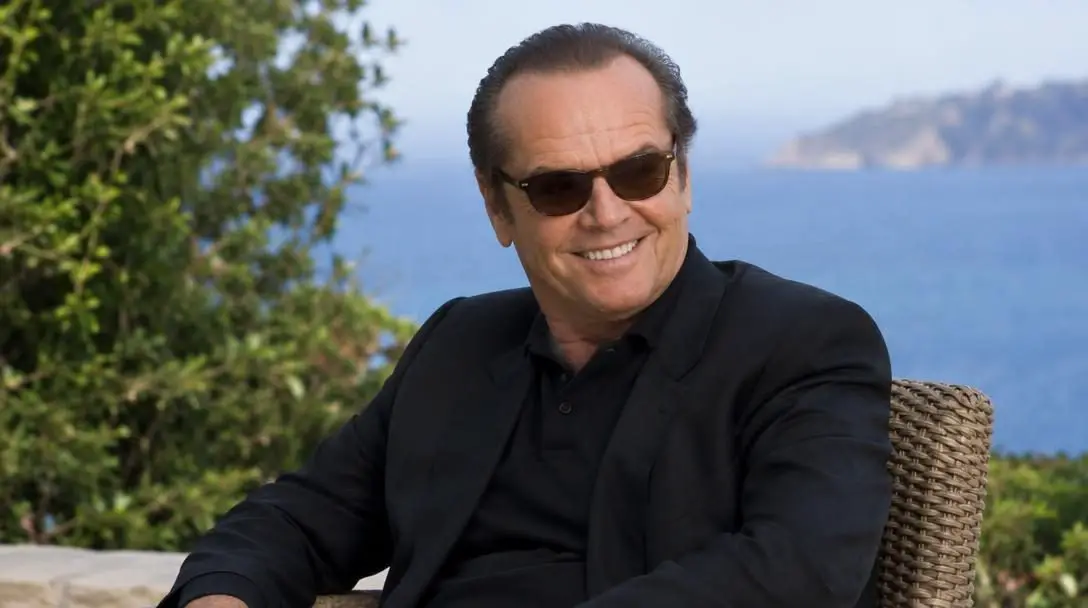
Unlike contemporary stars whose daily routines and personal struggles are broadcast across round-the-clock media cycles, Nicholson cultivated an elusive aura that kept fans and biographers guessing. Behind his signature grin and trademark dark sunglasses lay a complex individual whose personal history was filled with dramatic turns, unexpected passions, and profound family revelations. Examining the unusual facts of his life offers a clearer window into how an ambitious performer carved out one of the most distinctive identities in entertainment history.
Key takeaways
- Jack Nicholson was legally born John Joseph Nicholson, choosing his professional name to cultivate broad commercial appeal while honoring the father he never met.
- He spent decades believing his biological mother, June Nicholson, was his sister until an investigative reporter from Time magazine uncovered the truth.
- Beyond his acting career, Nicholson developed his athletic focus as an accomplished golfer who competed in professional tournaments alongside notable peers.
- He established an elite private modern art collection showcasing original masterworks by Pablo Picasso, Henri Matisse, and Andy Warhol.
- During pre-production for Tim Burton's 1989 film Batman, Nicholson was considered for the role of the Joker before the part went to another actor.
Five surprising facts behind the Hollywood legend
While generations of movie fans are intimately familiar with Jack Nicholson's celebrated filmography, several lesser-known aspects of his journey reveal the complex realities beneath his public persona. These five intriguing realities highlight how his family background, personal recreations, and casting histories shaped a unique cinematic legacy.
John Joseph Nicholson

- Legal birth name: John Joseph Nicholson
- Surname heritage: Named after a father he never met
- Professional moniker purpose: Designed for universal appeal and marketability
Many moviegoers assume that the actor’s household name was his legal moniker from birth. In reality, he entered the world as John Joseph Nicholson. When he first set out to forge a path in the entertainment industry, he made the calculated decision to adopt the professional identity of Jack Nicholson. While he selected the first name Jack because he believed it possessed a punchier, more universal appeal for audiences and studio executives, he deliberately kept the surname Nicholson. That surname connected him to the biological father he never met, anchoring his new professional brand to his true genealogical roots while creating an accessible public identity.
June Nicholson

- Biological relationship: Mother of Jack Nicholson
- Assumed family role: Raised Jack as his elder sister
- Disclosure source: Investigative journalists from Time magazine
Perhaps the most astonishing chapter of the actor’s personal life involves his complex family structure. Jack Nicholson grew up believing that his biological mother, June Nicholson, was his older sister. June had become pregnant at a young age, and to protect her from the social stigmas prevalent in mid-twentieth-century America, the family devised an elaborate domestic facade. June's mother stepped forward to raise Jack as her own son, while June assumed the role of his sibling.
Nicholson lived well into his adulthood without knowing the reality of his lineage. The revelation arrived only after an investigative journalist from Time magazine discovered the documentation while researching a profile on the star. The discovery profoundly altered Nicholson's understanding of his youth and forced him to reevaluate his closest familial relationships long after his mother and grandmother had passed away.
Professional golf career
While global audiences recognize Nicholson primarily as a master of dramatic tension and razor-sharp comedic timing, his dedication extended well beyond the soundstage and onto the fairway. Nicholson developed a deep passion for golf, committing himself to the technical demands of the game to the point of playing at an accomplished professional level.
Rather than treating the sport as an occasional weekend distraction, Nicholson practiced rigorously and entered professional golf tournaments. His presence on the competitive circuit allowed him to establish close friendships with other dedicated celebrity golfers, including Clint Eastwood and Alice Cooper. This high-stakes athletic pursuit demonstrated a disciplined, focused side of his personality that contrasted sharply with his wilder cinematic characters.

Private fine art collection
Away from film sets and public red carpets, Nicholson cultivated a sophisticated appreciation for modern and contemporary visual art. Over several decades, he assembled a museum-caliber private collection that ranks among the most respected in the entertainment industry, featuring significant works by masters such as Pablo Picasso, Henri Matisse, and Andy Warhol.
For Nicholson, gathering fine art has never been merely an avenue for financial investment or domestic decoration. He has frequently viewed his art collection as an essential wellspring of personal expression and creative inspiration. Immersing himself in the visual innovations of modernist masters allowed him to recharge his creative energy and bring a nuanced aesthetic perspective back to his work in front of the camera.
The 1989 Batman Joker casting
The history of major motion picture casting is filled with intriguing alternate possibilities, and Nicholson's career intersects directly with one of superhero cinema's biggest milestones. In the lead-up to director Tim Burton’s landmark 1989 production of Batman, studio executives and producers considered Jack Nicholson for the role of Gotham City’s iconic villain, the Joker.
Alternate casting discussions offer a fascinating window into how a single production choice can redefine Hollywood history.
Nicholson's proven track record of portraying volatile, eccentric, and psychologically complex characters made him a natural candidate during initial discussions. However, after extensive negotiations and creative evaluations, the production team ultimately awarded the role to another talented actor. Film historians and comic book enthusiasts continue to debate how Nicholson's distinct screen presence would have shaped the film's tone had those early casting deliberations turned out differently.
At a glance: The unexpected facets of Jack Nicholson's life
The varied dimensions of Nicholson’s journey reveal a figure whose private realities were just as compelling as his famous screen credits. The table below outlines how these five key facets influenced his personal and public life.
| Area of Focus | Core Fact | Key Individuals or Entities Involved | Significance to His Legacy |
|---|---|---|---|
| Identity and Branding | Born John Joseph Nicholson | Biological father | Created a punchy, universally appealing screen persona |
| Family Dynamics | Mother posed as his sister | June Nicholson, Time magazine | Demonstrated personal resilience amid intense media scrutiny |
| Athletics | Competed in professional golf tournaments | Clint Eastwood, Alice Cooper | Showcased rigorous personal discipline outside Hollywood |
| Cultural Philanthropy | Curated a premier modern art collection | Picasso, Matisse, Warhol | Served as an intellectual source of creative inspiration |
| Blockbuster Cinema | Considered for the Joker in 1989 | Tim Burton, Batman production team | Highlights major alternate possibilities in franchise casting |
How personal branding and adaptation work in Hollywood
Examining the unexpected turns of Jack Nicholson’s biography illustrates broader principles of how enduring stars navigate the modern entertainment landscape. A multi-decade career requires a balance between public presentation and personal boundaries.
First, constructing a professional identity demands intentional marketing. Aspiring performers often alter birth names to remove friction for audiences and industry gatekeepers. Transitioning from John Joseph to Jack offered an immediate, memorable rhythm that fit theater marquees and promotional posters, proving that commercial viability often starts with subtle personal rebranding.
Second, weathering profound personal upheaval under media observation requires immense psychological stamina. When major biographical truths are exposed by journalists rather than shared in private confidence, public figures must process life-altering revelations while under the gaze of global fans. Nicholson handled the truth about his mother with remarkable composure, refusing to let family trauma derail his creative focus.
Third, pursuing rigorous off-screen passions provides grounding against industry volatility. Engaging with high-focus activities like professional tournament golf and intellectual disciplines like art collecting allowed Nicholson to cultivate peer networks that did not depend entirely on box-office returns.
Practical steps for researching celebrity biographies
Biographical research requires separating documented facts from pervasive industry lore. When investigating complex public figures, applying a methodical verification strategy ensures accuracy.
- Locate primary investigative journalism: Search historical archives for original investigative reporting from established outlets, such as the initial Time magazine coverage that uncovered Nicholson's family background.
- Examine official studio production logs: Consult verified trade records, studio development notes, and director archives to distinguish authentic casting negotiations from informal industry gossip.
- Review sanctioned sports rosters: Verify athletic claims by cross-referencing official tournament entry sheets, player standings, and confirmed participant rosters rather than relying on casual anecdotes.
- Track exhibition catalogues and auction registries: Confirm private art holdings by reviewing museum loan acknowledgments, provenance documentation, and established gallery catalogues.
Common mistakes to avoid when interpreting Hollywood lore
Popular culture often distorts biographical nuances into simplified myths. When studying historical entertainment figures, keep these frequent missteps in mind:
- Assuming stage names erase heritage: Many assume performers choose stage names solely for vanity. In Nicholson’s case, retaining his biological father's surname anchored his career to his authentic roots despite adopting a new first name.
- Treating sensitive family secrets as mere trivia: Reducing complex family arrangements to entertainment gossip ignores the genuine emotional toll of mid-century social stigmas on unwed mothers and their children.
- Dismissing celebrity athletics as PR stunts: Observers frequently assume high-profile actors enter athletic events purely for publicity, overlooking the intense physical dedication required to compete at professional tournament standards.
- Conflating casting deliberations with finalized contracts: Pre-production shortlists frequently include high-caliber stars who never sign onto the project; distinguishing between casting considerations and confirmed roles is vital for accurate film history.
Cultural context and broader industry impacts
Understanding Jack Nicholson’s unique personal narrative requires an appreciation of the social landscape of twentieth-century America. The decision by June Nicholson and her mother to conceal the true parentage of young Jack reflects the stringent societal pressures and moral scrutiny directed toward young, unmarried mothers during that era. What appears shocking today was, at the time, a survival mechanism designed to protect both the child and the mother from severe social marginalization.
Furthermore, early comic book adaptations like Tim Burton's 1989 Batman represented a transitional moment for studio filmmaking. Evaluating prominent, seasoned performers for villainous roles indicated that comic book properties were shifting away from lighthearted television serials toward serious, atmospheric cinematic blockbusters.
Finally, the interplay between visual art collecting and performing arts highlights the holistic nature of creative discipline. Nicholson’s dedication to modern masters demonstrates that great acting is rarely practiced in isolation; it is enriched by continuous exposure to innovative forms of expression across multiple mediums.
Frequently asked questions
What was Jack Nicholson's real name at birth?
Jack Nicholson was legally named John Joseph Nicholson at birth. He adopted the stage name Jack to create a more universal and accessible identity for audiences, while retaining his original surname in honor of the father he never met.
How did Jack Nicholson discover that his sister was actually his mother?
Nicholson discovered the truth well into adulthood when an investigative reporter from Time magazine uncovered official records while writing a comprehensive biographical piece on the actor.
Did Jack Nicholson actually play professional golf?
Yes, Nicholson committed to the sport with serious discipline, developing his skills to the point of competing in professional golf tournaments alongside fellow celebrity enthusiasts like Clint Eastwood and Alice Cooper.
Which prominent artists are included in Jack Nicholson's art collection?
Nicholson's private modern and contemporary art collection features valuable original works by legendary painters including Pablo Picasso, Henri Matisse, and Andy Warhol.
Did Jack Nicholson portray the Joker in the 1989 Batman movie?
Nicholson was actively considered for the role during pre-production development, but the role ultimately went to another actor in the production discussed in the article.
The bottom line
Jack Nicholson’s legacy reaches far beyond his charismatic screen presence and memorable one-liners. His life story reflects a journey defined by reinvention, resilience in the face of shocking family revelations, athletic dedication, and a deep devotion to artistic culture. By exploring the lesser-known realities of his life, film lovers gain a richer understanding of the authentic, complex human being behind the iconic Hollywood legend.