5 Weird Jennifer Aniston Facts You’re Dying To Know
Jennifer Aniston has spent decades under the intense glare of the international media spotlight, recognized across the globe for her era-defining portrayal of Rachel Green on the classic television sitcom Friends. While millions of viewers feel as though they grew up alongside her through their television screens, public perception is often confined to high-profile red carpets, glossy magazine covers, and effortless comedic timing.
Behind the polished Hollywood veneer lies a multifaceted individual shaped by early professional hardships, private passions, personal memorials, and everyday vulnerabilities. Exploring the lesser-known dimensions of Aniston's life and career offers a grounded perspective on how one of the world's most enduring cultural icons navigates fame, manages anxiety, and maintains meaningful personal convictions.
Key takeaways
- Jennifer Aniston experienced multiple career setbacks and starred in short-lived shows like Molloy and The Edge before landing her breakout role on Friends.
- Her cultural impact extends from defining 1990s beauty standards with "The Rachel" haircut to normalizing discussions around travel anxiety and aviophobia.
- She honors personal relationships through discreet body art, including a sentimental tattoo on her right foot dedicated to her late dog, Norman.
- To cope with a severe fear of flying, Aniston relies on structured grounding habits such as deep breathing exercises and sensory distractions like music and movies.
- Her philanthropic advocacy channels visibility and resources toward global medical relief and pediatric healthcare, supporting organizations like Doctors Without Borders and St. Jude Children's Research Hospital.
Five fascinating facts about Jennifer Aniston
While Aniston remains a household name, several specific aspects of her personal history, career trajectory, and private coping mechanisms reveal a relatable, resilient human experience beneath the celebrity status. From decade-defining trends to private tributes, these five facets provide a comprehensive look at her life away from the sitcom soundstages.
| Fact focus | Key detail | Primary impact |
|---|---|---|
| "The Rachel" haircut | Layered, shoulder-length style worn on Friends | Defined international 1990s salon trends and beauty culture |
| Early career rejections | Roles in canceled series like Molloy and The Edge | Demonstrated career resilience prior to mainstream stardom |
| Norman tattoo tribute | Discreet ink reading "Norman" on her right foot | Personal memorial honoring the deep bond with her late dog |
| Aviophobia management | Severe flight anxiety addressed with breathing and media | Demonstrates practical grounding during high-stress travel |
| Charitable advocacy | Support for St. Jude, Doctors Without Borders, and cancer research | Mobilizes public awareness and resources for critical humanitarian needs |
The iconic Rachel hairstyle
- Signature design: Layered, shoulder-length cut
- Origin: Television sitcom Friends
- Cultural era: 1990s international fashion
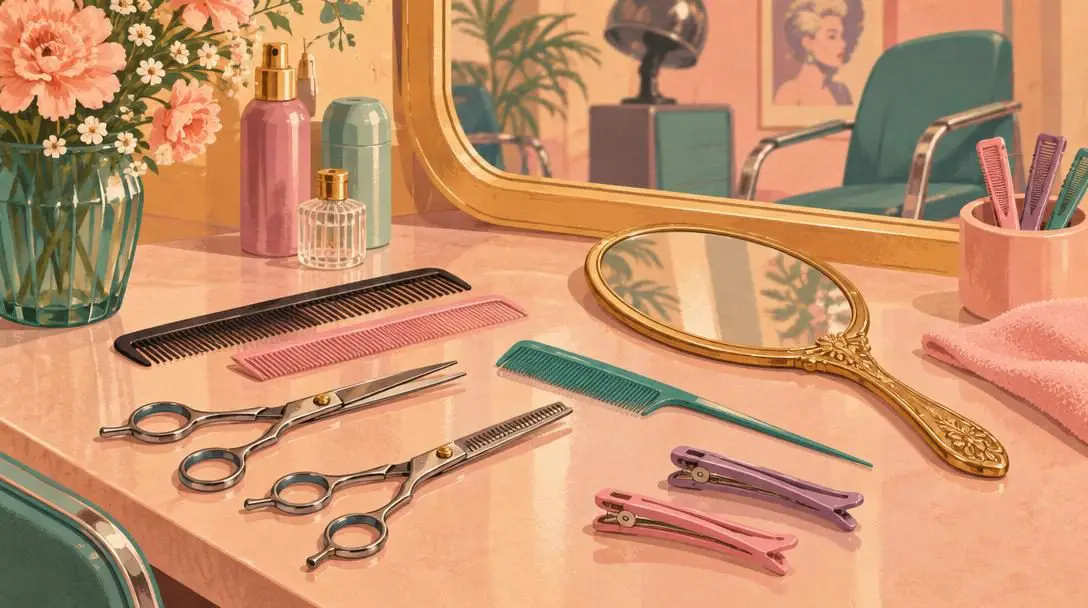
When discussing memorable television fashion statements, Jennifer Aniston's name remains permanently linked with "The Rachel." Introduced during the early seasons of Friends, her character Rachel Green donned a sharply layered, voluminous shoulder-length cut that rapidly evolved from an on-screen styling choice into an international cultural phenomenon. Women across the globe brought magazine clippings into salons demanding the exact cut, establishing an unprecedented shared beauty standard throughout the 1990s.
The ubiquity of the hairstyle demonstrated the immense power of prime-time television in shaping everyday consumer habits. In an era before social media algorithms, weekly sitcom broadcasts served as central gathering points for mass culture, and Aniston's hairstyle became the visual shorthand for modern, accessible elegance across an entire decade.
Early career rejections and forgotten shows
- Early credit: Molloy
- Sketch comedy credit: The Edge
- Breakthrough milestone: Casting as Rachel Green
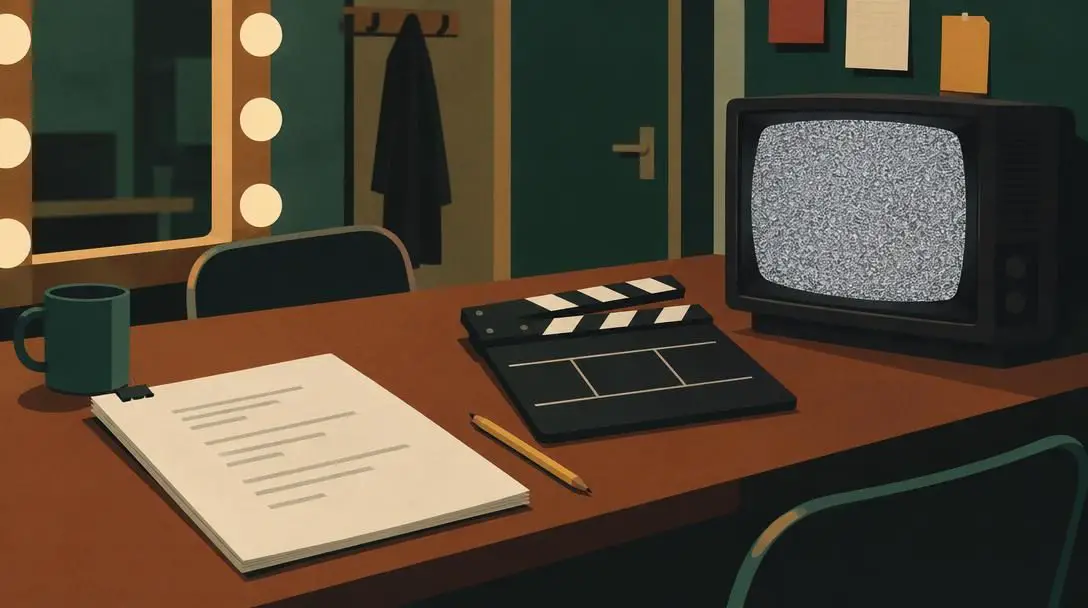
Before achieving generational fame, Aniston endured an arduous cycle of failed auditions, professional doubt, and sudden cancellations. Early in her career, she took on recurring and regular roles on short-lived television programs such as the family comedy Molloy and the sketch comedy series The Edge. Despite her natural comedic timing, these projects failed to achieve lasting broadcast runs, leaving her facing recurring professional uncertainty.
Rather than letting recurring industry rejection derail her ambitions, Aniston maintained a persistent audition schedule. Her willingness to navigate unstable employment and early creative disappointments laid the foundation for the resilience required to carry a prime-time television juggernaut for ten seasons.
Discreet tattoos and the Norman tribute

- Placement: Right foot
- Inscription: "Norman"
- Significance: Memorial tribute to her late dog
While Aniston’s polished public image is rarely associated with heavy body art, she maintains an affinity for delicate, highly intentional tattoos. Rather than choosing conspicuous designs, she selects discreet, hidden placements that mark deeply significant personal milestones and relationships. Her most prominent and meaningful piece of body art is an intimate tribute placed specifically on her right foot, inscribed with the name "Norman."
The tattoo serves as a lasting memorial to her beloved late dog, Norman, whose companionship was a constant presence in her life over many years. This permanent tribute provides a comforting emotional anchor, demonstrating how personal grief and meaningful attachment transcend the artificial boundaries of celebrity status.
Personal memorials and discreet tributes remind us that emotional attachment and profound grief remain universal human realities.
Intense aviophobia and grounding techniques

- Condition: Aviophobia (fear of flying)
- Coping mechanism 1: Deep breathing exercises
- Coping mechanism 2: Engaging distractions through music and movies
Maintaining a high-profile Hollywood career requires near-constant international travel for film productions, press tours, and promotional appearances. However, Jennifer Aniston suffers from intense aviophobia, openly admitting to experiencing severe anxiety and physical distress whenever stepping aboard an aircraft. For someone whose profession mandates a jet-setting lifestyle, this phobia presents a recurring logistical and psychological challenge.
To prevent her travel anxiety from limiting her professional commitments or personal life, Aniston developed a reliable toolkit of grounding strategies. She relies on intentional, controlled deep breathing exercises to calm her autonomic nervous system during turbulence and takeoff. Additionally, she intentionally redirects her attention through immersive sensory distractions, using curated playlists of music and engaging movies to maintain focus and psychological calm throughout the duration of long flights.
Philanthropic commitments and advocacy

- Medical research focus: Breast cancer research advocacy
- Pediatric partner: St. Jude Children's Research Hospital
- Global relief partner: Doctors Without Borders
Beyond her status as an entertainment icon, Jennifer Aniston has spent years directing her platform, financial resources, and public influence toward high-impact humanitarian organizations. She has served as a visible and vocal advocate for breast cancer research, working to ensure continuous funding and heightened public awareness for medical detection and prevention initiatives.
Her philanthropic portfolio includes extensive, longstanding support for St. Jude Children's Research Hospital, assisting in their mission to advance treatments and cures for pediatric catastrophic diseases without burdening families with medical costs. Furthermore, her consistent contributions to Doctors Without Borders provide frontline emergency medical aid to populations affected by armed conflict, epidemics, and natural disasters around the globe.
The reality behind the Hollywood persona
Public figures in modern media are frequently compressed into simplified archetypes. When an actor stars on an extraordinarily popular sitcom for a decade, audiences instinctively fuse the fictional traits of the character with the real human being. The pervasive popularity of Rachel Green made it easy for millions of fans to assume Aniston led a life entirely insulated from common human struggles, anxieties, and career hurdles.
Examining her real-life experiences bridges the vast gap between an idealized Hollywood lifestyle and everyday human vulnerability. Acknowledging that an international star relies on basic grounding routines to endure flights, mourns the passing of a pet with sentimental ink, and persevered through multiple canceled shows reframes our understanding of public success.
How celebrity influence operates in modern society
The cultural phenomena surrounding Jennifer Aniston illustrate how media visibility intersects with social behavior, empathy, and humanitarian mobilization. When an individual commands persistent public attention across multiple generations, their personal choices and open vulnerabilities carry measurable social impact.
- Visual trendsetting: Distinct styling choices, exemplified by "The Rachel," spread rapidly because television broadcasts provide a shared visual reference point that viewers can adopt to participate in current culture.
- De-stigmatizing personal struggles: When prominent individuals candidly discuss career rejection or situational phobias like aviophobia, they normalize widespread human anxieties and validate constructive coping mechanisms.
- Mobilizing charitable capital: Directing public attention toward institutions like St. Jude Children's Research Hospital or Doctors Without Borders converts widespread media interest into tangible support for vital humanitarian initiatives.
Practical coping strategies inspired by Aniston's habits
While the circumstances of an A-list actor are unique, the grounding techniques and resilient mindsets Jennifer Aniston uses to manage adversity can be adapted directly into daily personal and professional routines.
- Implement structured breathing to counter acute stress: When confronting intense situational anxiety, consciously slow down your respiratory cycle. Take deep inhalations through the nose, pause briefly, and release a long, measured exhalation through the mouth to regulate your heart rate and soothe the nervous system.
- Use planned sensory distractions: Prepare dedicated media playlists, podcasts, or films ahead of high-stress scenarios like air travel or medical appointments to keep cognitive bandwidth occupied.
- Reframe professional setbacks as necessary steps: View rejected applications or canceled initiatives as routine stages of professional development, following the example of navigating short-lived early roles like Molloy.
- Establish meaningful personal grounding markers: Maintain private physical keepsakes, personalized notes, or discreet memorials that reinforce connections to loved ones and grounded personal values.
- Engage in targeted advocacy: Dedicate regular time or resources toward vetted philanthropic organizations, supporting essential causes like pediatric medical research or disaster relief.
Common mistakes when viewing celebrity success
Drawing personal inspiration from high-achieving public figures requires avoiding several frequent misconceptions regarding achievement, emotional well-being, and lifestyle management.
- Assuming overnight success: It is easy to look at an established star and assume their career trajectory was seamless, completely overlooking years of uncredited auditions and canceled pilot episodes.
- Expecting instant cures for deep-rooted anxiety: Overcoming or managing phobias like aviophobia requires persistent, daily application of grounding routines rather than an immediate one-time fix.
- Adopting trends without personal evaluation: Blindly copying hairstyles or lifestyle habits without considering personal preferences, hair texture, or daily routines leads to dissatisfaction.
- Underestimating small-scale charitable giving: Assuming that only multi-million-dollar celebrity contributions make a difference discourages valuable grassroots donations to critical healthcare causes.
- Believing material wealth eliminates grief: Financial success does not protect anyone from the emotional weight of losing a beloved companion or experiencing personal loss.
Frequently asked questions
What is Jennifer Aniston's tattoo on her foot dedicated to?
Jennifer Aniston has a discreet tattoo reading "Norman" on her right foot, placed as an intimate personal tribute to honor the memory and deep connection she shared with her late dog, Norman.
Which early television shows did Jennifer Aniston star in before Friends?
Before securing her breakout role as Rachel Green on Friends, Aniston appeared in smaller roles on short-lived television series including the sitcom Molloy and the sketch comedy show The Edge.
How does Jennifer Aniston manage her fear of flying?
To cope with severe aviophobia, Aniston relies on structured grounding techniques, specifically practicing controlled deep breathing exercises and utilizing audio-visual distractions such as music playlists and movies during flights.
What charities and causes does Jennifer Aniston support?
Aniston actively advocates for breast cancer research and provides ongoing philanthropic support to prominent humanitarian organizations, including St. Jude Children's Research Hospital and Doctors Without Borders.
Why did "The Rachel" haircut become such a massive cultural trend?
The shoulder-length, layered hairstyle worn by Aniston's character on Friends became a global phenomenon due to the massive weekly viewership of the sitcom, which turned the look into an accessible, defining beauty standard of the 1990s.
The bottom line
The lasting fascination with Jennifer Aniston reaches far beyond the glamorous red carpets and unforgettable sitcom punchlines that define her public profile. Her journey underscores the value of career persistence through early professional rejections, the necessity of proactive coping habits when confronting real-world fears, and the importance of using one's voice to champion vital humanitarian causes.
By examining the lesser-known truths of her life—from meaningful memorial tattoos to dedicated philanthropic advocacy—audiences gain a grounded perspective on a Hollywood star who has paired enduring global fame with genuine personal resilience.