5 Weird Jim Carrey Facts You’re Dying To Know
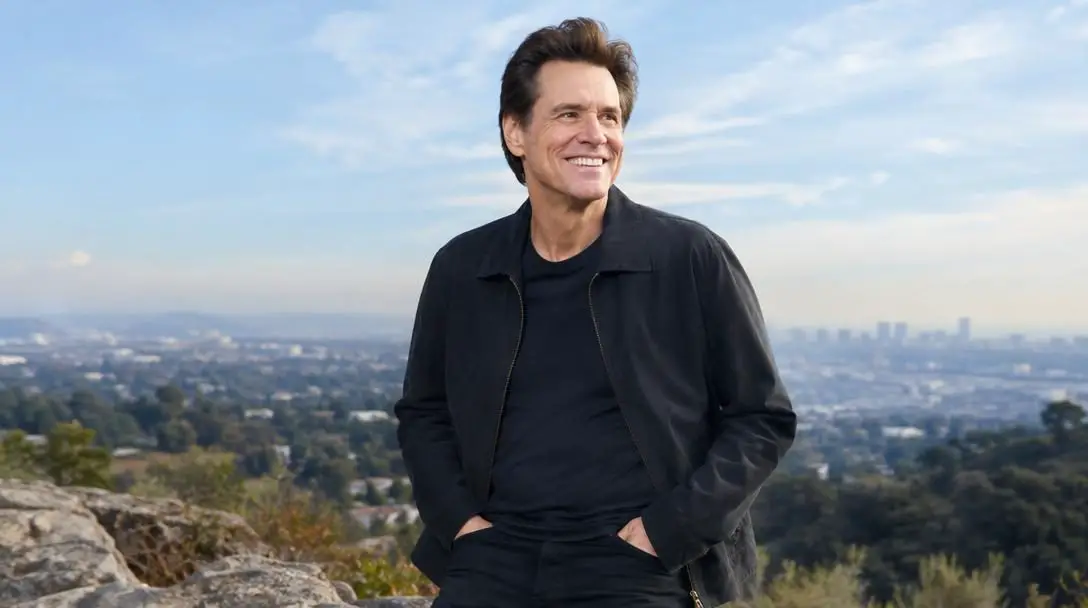
Jim Carrey has long stood out as one of modern cinema's most electrifying comedic performers. From his breakneck physical performances in blockbuster hits like Ace Ventura: Pet Detective and The Mask to his introspective, layered transformations, Carrey has captivated audiences across the globe. Yet behind his rubber-faced antics and box-office dominance lies an intensely complex individual whose life story combines extreme hardship, unorthodox acting methodologies, and a relentless search for metaphysical truth.
Exploring the lesser-known dimensions of Carrey’s journey uncovers a performer who refuses to separate his art from his personal quest for meaning. From his origins in Canada to his deep immersion in Eastern philosophy and contemporary art, these five weird, compelling facts illuminate the mindset, rituals, and philosophy of Hollywood's most unconventional leading man.
Key takeaways
- Carrey developed his kinetic comedy in Newmarket, Ontario, using humor to cope with severe childhood poverty while studying Charlie Chaplin and Jerry Lewis.
- His transformative method acting during the filming of Man on the Moon blurred reality as he stayed in character as Andy Kaufman around the clock.
- Carrey looks to Eastern traditions such as Buddhism and Advaita Vedanta to dismantle the ego and pursue personal authenticity.
- Outside of Hollywood, he is an accomplished gallery-exhibited painter and a vocal impressionist whose mimicry launched his stand-up career.
- He anchors his daily mental focus using visualization, positive affirmations, and carrying crystals for their energetic properties.
At a glance: Five facets of Jim Carrey’s unusual journey
| Dimension | Key Focus | Core Mechanism | Primary Artistic Medium |
|---|---|---|---|
| Early Life | Overcoming childhood adversity | Humor as psychological survival | Slapstick and physical performance |
| Acting Process | Total character embodiment | Method immersion on and off set | Biographical film (Man on the Moon) |
| Spiritual Quest | Ego transcendence and presence | Mindfulness and philosophical inquiry | Buddhism and Advaita Vedanta |
| Visual Expression | Uncensored emotional release | Dynamic scale, texture, and color | Fine art gallery painting |
| Daily Mindset | Focusing creative intent | Visualization and tangible anchors | Positive affirmations and crystals |
Five weird and revealing facts about Jim Carrey
Humble Roots and Slapstick Influences
- Birthplace: Newmarket, Ontario, Canada
- Birth Date: January 17, 1962
- Formative Influences: Charlie Chaplin and Jerry Lewis
- Early Adversity: Severe family financial struggles
Before achieving international fame, Carrey experienced a humble and challenging upbringing. Born in Newmarket, Ontario, Canada, on January 17, 1962, his early years were marked by profound financial struggles that tested his family's stability. Rather than letting hardship extinguish his spirit, Carrey turned to comedy as an emotional refuge and psychological survival tool.
His earliest inspirations were titans of physical performance, notably Charlie Chaplin and Jerry Lewis. Carrey studied their control of gesture, facial elasticity, and timing, recognizing that physical slapstick could communicate across boundaries where language often failed. By transforming poverty and personal distress into laughter, he discovered how humor could alter an emotional environment, establishing the foundation for his future cinematic work.
Extreme Method Immersion as Andy Kaufman
- Signature Project: Man on the Moon
- Portrayed Subject: Andy Kaufman
- Immersion Depth: Inhabited the persona on and off camera
Carrey’s comedic versatility is matched by his willingness to pursue immersive method acting to its furthest limits. While filming the biographical drama Man on the Moon, in which he played the eccentric, subversive comedian Andy Kaufman, Carrey abandoned standard acting techniques in favor of total character embodiment.
Rather than stepping out of character when the director called cut, Carrey insisted on remaining in Kaufman's persona throughout the production schedule, interacting with cast members, crew, and visitors exclusively as Kaufman or Kaufman's abrasive alter ego, Tony Clifton. This extreme process intentionally dissolved the boundary between his true identity and the subject he was portraying, creating an uncanny environment that surprised his colleagues and resulted in an electrifying, layered performance.

Letting go of the ego allows an artist to transcend conventional creative limits and achieve true personal freedom.
Exploration of Buddhism and Advaita Vedanta
- Philosophical Traditions: Buddhism and Advaita Vedanta
- Core Concepts: Non-duality, mindfulness, and ego transcendence
- Stated Goal: Inner peace and living authentically
Beneath Carrey’s extroverted public presence lies a persistent interest in metaphysics. Over the years, he has immersed himself in Eastern philosophies, particularly Buddhism and Advaita Vedanta, an ancient non-dualistic school of Hindu philosophy that examines the nature of the self and reality.
These studies led Carrey to rethink his relationship with fame, celebrity, and human identity. He often speaks about the necessity of releasing the ego, viewing the public persona of a movie star as an illusion rather than a permanent self. By prioritizing presence, mindfulness, and authenticity over the pursuit of external validation, Carrey has used Eastern contemplative traditions to cultivate inner peace amidst the noise of the entertainment industry.
Prolific Fine Art and Impersonation
- Secondary Medium: Fine art painting
- Exhibition Venues: Professional contemporary art galleries
- Performance Skill: Versatile vocal impressions
While millions recognize Carrey for his filmography, his creative impulses extend far beyond the cinema screen. He is an accomplished fine artist whose large-scale paintings have earned serious attention and display space in respected art galleries. His visual work is celebrated for its bold use of color, heavy textural layering, and emotive scale, offering an unfiltered window into his thoughts.
In addition to his work with a brush, Carrey possesses an extraordinary gift for vocal mimicry. Capable of shifting his voice, cadence, and posture to match a wide variety of public figures and archetypes, Carrey developed this vocal skill alongside his visual slapstick, giving him a versatile palette that remains central to his creative identity.
Visualization Habits and Energy Crystals
- Mindset Tools: Positive affirmations and visualization
- Physical Anchors: Carrying energy crystals
- Intended Outcome: Mental focus and intentional manifestation
Carrey’s unconventional habits are just as prominent in his daily personal life as they are on a movie set. A committed believer in the power of intention, he has spent decades practicing visualization and positive affirmations to shape his mindset and realize his professional ambitions before they occur in physical reality.

Alongside these cognitive exercises, Carrey frequently carries crystals, valuing them for their traditional associations with energy enhancement and mental clarity. These physical objects serve as tangible reminders to stay centered, intentional, and attuned to the deeper forces of human consciousness, regardless of external circumstances.
The psychological framework behind Carrey’s career
Carrey's wide array of interests—slapstick comedy, radical method acting, ancient philosophy, expressive painting, and spiritual rituals—might seem disconnected at first glance. However, looking at the underlying mechanisms reveals a cohesive philosophy centered on emotional authenticity and self-expression.
- Humor as an emotional shield: Growing up amid financial precarity taught Carrey to process anxiety through laughter, proving that comedy can transform personal hardship into creative fuel.
- Complete artistic surrender: His work on Man on the Moon shows a commitment to eliminating the barrier between the creator and the art, surrendering his ego to inhabit another mind.
- Ego deconstruction: Traditions like Advaita Vedanta provide him with an intellectual framework to separate his core self from the transient titles and applause of Hollywood.
- Immediate physical expression: Painting provides Carrey with a direct, solitary artistic outlet free from the committee decisions and technical machinery of film sets.
- Conscious grounding: Affirmations, visualization, and physical anchors like crystals serve as psychological cues to keep him focused on deliberate intentions rather than drifting through distractions.
How to integrate Carrey’s mindful and creative practices
While few people will headline major Hollywood comedies, anyone can adapt Carrey’s strategies for resilience, mindfulness, and creative exploration into their daily routine.
- Reframe challenges with humor: When confronted with frustration, actively look for the absurd or lighthearted elements of the situation to reduce stress and regain perspective.
- Practice daily mindfulness: Set aside quiet moments to sit in silent observation, paying attention to breath and bodily sensations without judging your thoughts.
- Experiment across creative mediums: Break free from your primary work by picking up a sketchbook, painting on canvas, or writing purely for the pleasure of creating.
- Establish a visualization routine: Spend five minutes every morning picturing your key goals in vivid detail, backing those mental images with focused affirmations.
- Select a physical focus anchor: Choose a small object, such as a pocket stone or personal keepsake, to act as a tangible reminder to remain present and focused throughout the day.
- Prioritize authentic living: Regularly assess whether your daily choices reflect your genuine values or if you are simply performing to meet the expectations of others.
Common misconceptions and pitfalls to avoid
Adopting unconventional habits requires discernment. When studying an artist as singular as Carrey, it is easy to misapply his techniques or overlook the hard work supporting them.
- Confusing visualization with real effort: Mental imagery and affirmations are designed to focus intention, but they cannot replace the practical discipline required to master a craft.
- Using comedy to bury painful feelings: While laughter is an effective coping mechanism, relying on it to dodge genuine emotional struggles can prevent long-term personal healing.
- Treating deep philosophy as a shallow trend: Studying traditions like Buddhism or Advaita Vedanta demands real reflection and study; adopting their language casually misses their true depth.
- Allowing immersion to destroy healthy boundaries: Carrey's all-consuming embodiment of Andy Kaufman produced artistic breakthroughs, but losing sight of personal limits can damage real-world relationships.
- Holding back out of fear of amateurism: Many people avoid new creative endeavors like painting because they fear poor results, forgetting that expression has personal value regardless of mastery.
Frequently asked questions
Where did Jim Carrey grow up and how did his childhood shape his comedy?
Carrey was born on January 17, 1962, in Newmarket, Ontario, Canada. His family dealt with serious financial hardship, and Carrey turned to physical humor as a coping mechanism and an escape from these difficulties, drawing inspiration from masters like Charlie Chaplin and Jerry Lewis.
What happened during Carrey's method acting on Man on the Moon?
While portraying the late comedian Andy Kaufman in Man on the Moon, Carrey remained in character as Kaufman both on and off set throughout the shoot, blurring the lines between his actual identity and the role he was playing.
Which philosophical ideas does Jim Carrey follow?
Carrey has explored Eastern philosophical systems, with an emphasis on Buddhism and Advaita Vedanta. These traditions emphasize non-duality, mindfulness, releasing the ego, and discovering authentic inner peace.
Is Jim Carrey recognized as a professional fine artist?
Yes. Beyond his acting career, Carrey is a dedicated painter whose colorful, expressive, and textured works on canvas have been showcased in prominent art galleries.
Why does Jim Carrey carry crystals?
Carrey carries crystals as part of his quirky personal rituals, valuing them for their traditional energetic properties while utilizing visualization and affirmations to anchor his intentions.
The bottom line
Jim Carrey's journey reveals that brilliant comedy often originates from deep resilience and a willingness to explore the unusual. Rising from financial distress in Ontario to the top of Hollywood, he has consistently defied expectations by embracing radical method acting, fine art, and ancient metaphysical traditions. By pairing a disciplined work ethic with an open, inquiring mind, Carrey shows that genuine creativity begins when you have the courage to dismantle your ego and express your true self without compromise.