5 Weird Mel Gibson Facts You’re Dying To Know
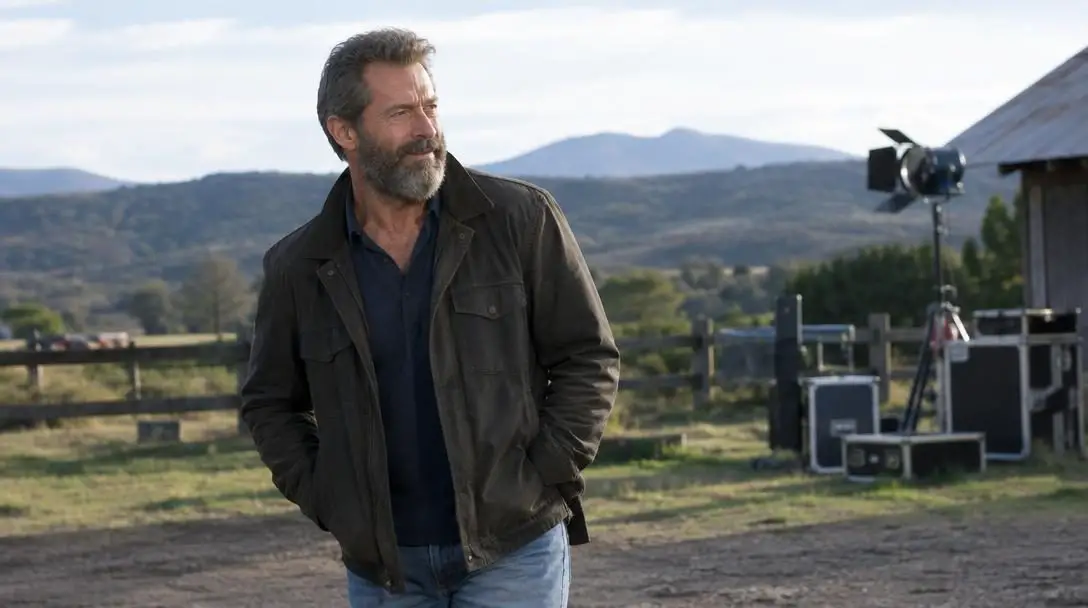
Mel Gibson remains one of the entertainment industry's most recognizable, accomplished, and polarizing figures. Over several decades as an actor, director, and producer, he has built an extensive filmography while navigating constant public scrutiny. Behind the high-profile awards, commercial box-office triumphs, and headline-grabbing controversies lies an intriguing private world defined by distinct personal rituals, unconventional creative outlets, and profound superstitions.
Celebrities who spend long stretches of their lives under intense media attention frequently develop idiosyncratic habits that stand in stark contrast to their larger-than-life screen personas. Exploring these lesser-known traits uncovers a complex portrait of an artist balancing public spectacle with solitary passions, private fears, and mechanical curiosities.
Key takeaways
- Mel Gibson is a dedicated painter who uses solitary visual art as a hands-on creative balance to mainstream filmmaking.
- He pursues the unconventional and resource-intensive hobby of breeding rare exotic animals in specialized facilities.
- A profound case of triskaidekaphobia drives him to avoid launching projects or attending major events scheduled on the 13th of the month.
- He has assembled an extensive personal collection of obsolete antique manual typewriters prized for their tactile craftsmanship.
- He adheres strictly to personal superstitions, routinely carrying lucky charms and executing meticulous rituals before crucial career events.
At a glance: Five lesser-known aspects of Mel Gibson
While audiences know Gibson primarily through cinematic roles and directorial projects, his off-screen habits reveal an eclectic mix of creative pursuits, unusual acquisitions, and deeply rooted personal beliefs. The table below outlines how these distinct traits manifest in his private life.
| Distinct Trait | Domain | Key Manifestation | Psychological Role |
|---|---|---|---|
| Canvas Painting | Fine Arts | Focus on composition, texture, and visual balance in solitary studio sessions | Independent sensory release away from large film crews |
| Exotic Animal Breeding | Husbandry | Devoting time, knowledge, and facilities to raising rare and unusual species | Hands-on engagement with living systems away from industry pressures |
| Triskaidekaphobia | Specific Phobia | Strict avoidance of the numeral 13 in personal, travel, and production schedules | Effort to manage perceived vulnerability and avoid negative outcomes |
| Antique Typewriters | Historical Collecting | Curating an extensive assembly of obsolete manual typing machines | Tactile inspiration and connection to enduring mechanical craftsmanship |
| Lucky Charms and Rituals | Superstition | Carrying protective talismans and completing pre-event routines | Establishing a comforting sense of control amidst unpredictable situations |
Five weird Mel Gibson facts you may not know
Beyond the well-known press tours and public appearances, Gibson has cultivated specific habits and pastimes that surprise even longtime observers of his career. From tactile vintage machines to intense calendar phobias, these five facts illuminate his personal idiosyncrasies.
Accomplished Canvas Painting
- Medium: Visual fine arts and canvas painting
- Artistic focus: Composition, texture, and visual balance
- Creative environment: Solitary, contemplative studio practice
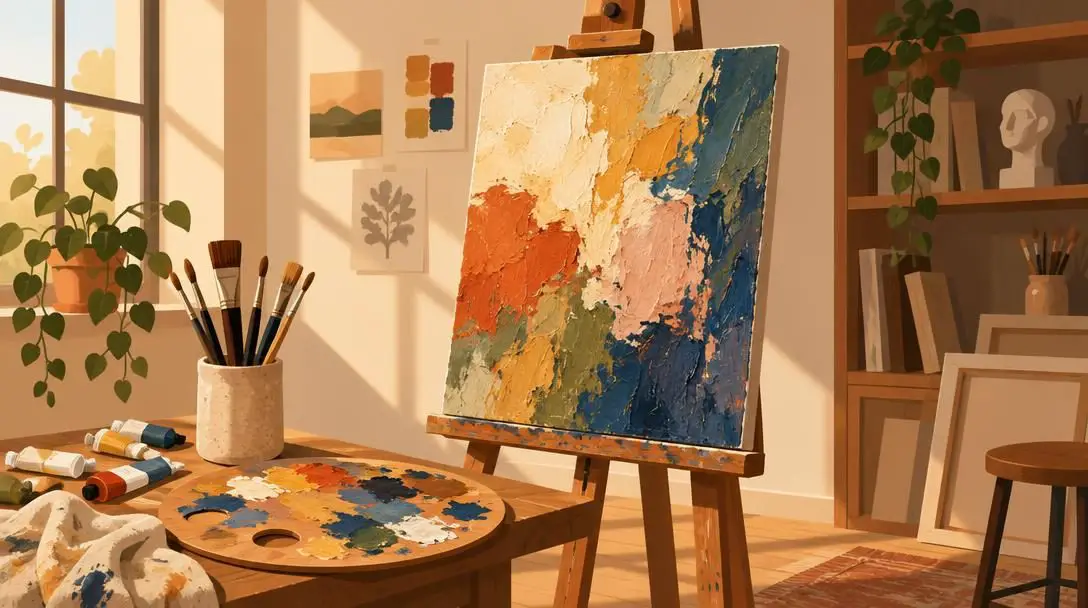
Although widely celebrated for his dynamic acting and large-scale directorial projects, Gibson possesses an impressive and lesser-known talent as a painter. Many cinematic performers explore auxiliary artistic mediums, but reports indicate that Gibson approaches visual art with serious technical commitment. His work demonstrates a sophisticated eye for composition, structural balance, and tactile surface texture. Unlike commercial filmmaking, which demands coordinating hundreds of production crew members and navigating external studio oversight, painting provides Gibson with a solitary, unfiltered creative space. This hands-on practice allows him to explore visual ideas purely on his own terms, functioning as an essential private outlet away from the chaotic demands of cinematic storytelling.
Exotic Animal Breeding
- Core pursuit: Breeding rare and unusual animal species
- Resource commitment: Significant time, specialized housing, and expert care
- Lifestyle contrast: Distinct departure from conventional celebrity pastimes
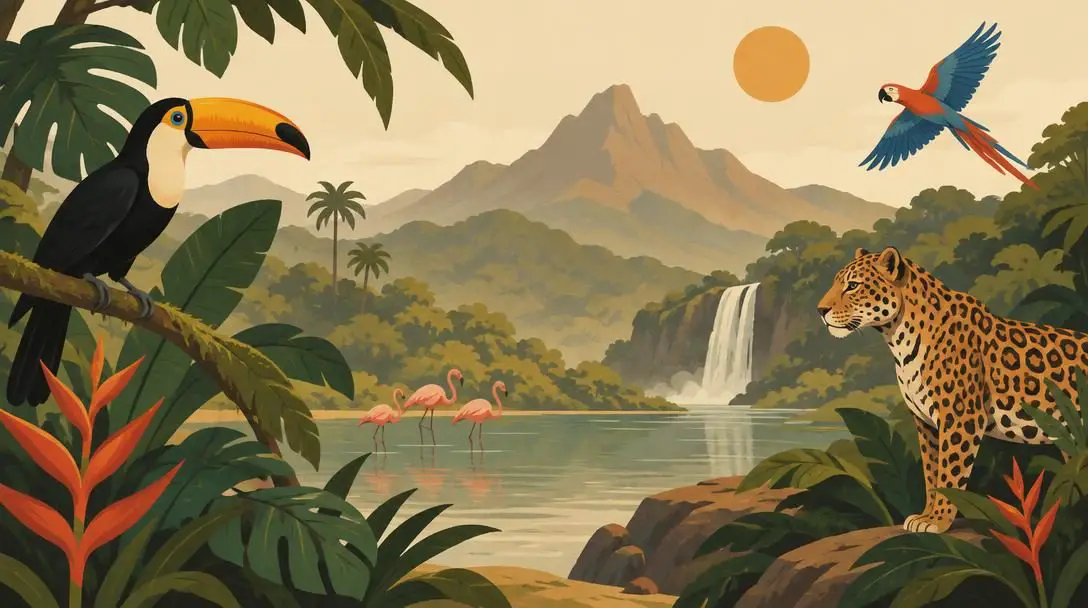
While many high-profile Hollywood figures gravitate toward conventional leisure pursuits like golf, fine dining, or luxury travel, Gibson has pursued a far more demanding and unusual hobby: breeding exotic animals. He has dedicated substantial time, energy, and financial resources toward housing and raising rare species. Managing exotic fauna requires rigorous knowledge of animal husbandry, specialized infrastructure, and disciplined daily care routines. This unconventional pastime introduces an eccentric dimension to his off-screen life, showing a willingness to engage in complex, non-entertainment responsibilities that demand continuous patience and attentiveness.

Triskaidekaphobia and Calendar Avoidance
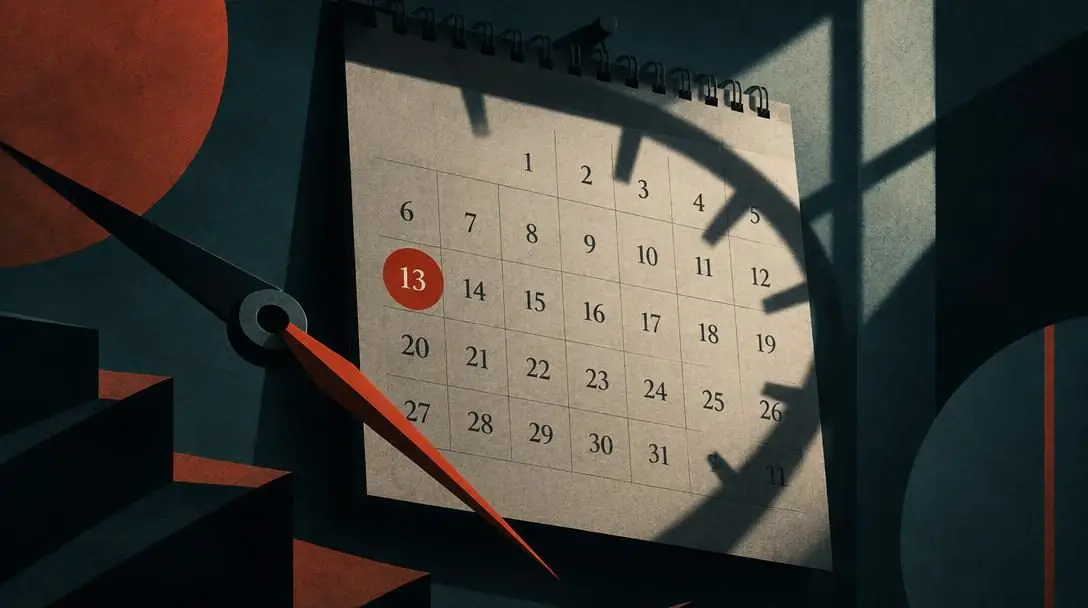
- Condition: Triskaidekaphobia (irrational fear of the number 13)
- Behavioral impact: Avoiding projects, flights, and events on the 13th
- Function: Superstitious coping mechanism to circumvent misfortune
Fears and phobias affect people across all walks of life, but Gibson harbors a particularly pronounced aversion known as triskaidekaphobia, the irrational fear of the number 13. Reports indicate that he goes to extraordinary lengths to steer clear of anything tied to this specific numeral. This aversion directly influences his operational calendar, leading him to deliberately avoid scheduling meetings, launching new creative ventures, or attending important events on the 13th day of any month. This persistent phobia illustrates a deeply superstitious mindset that actively dictates real-world logistical planning and professional routines.
Antique Typewriter Collection
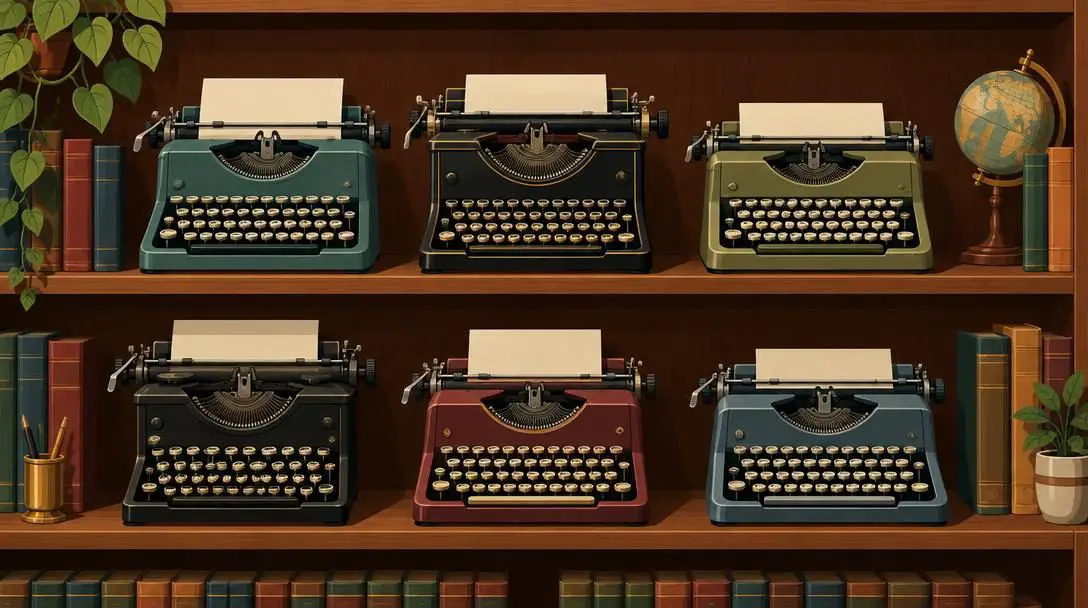
- Collected objects: Obsolete manual writing machines
- Appealing traits: Historical craftsmanship, tactile keys, and mechanical precision
- Creative role: Tangible source of storytelling and narrative inspiration
Over decades of high-earning cinematic success, Gibson has amassed a notable fortune, yet one of his most distinct acquisition habits involves collecting antique manual typewriters. In an era shaped by digital screens and ephemeral software, mechanical typewriters stand as monuments to physical engineering and historic craftsmanship. Observers suggest that these obsolete writing machines may hold sentimental value or serve as tactile creative catalysts for his narrative development. The physical feedback of a manual strike and the visual presence of mid-century machinery offer an earthy counterbalance to modern digital living.
Superstitious Rituals and Lucky Charms
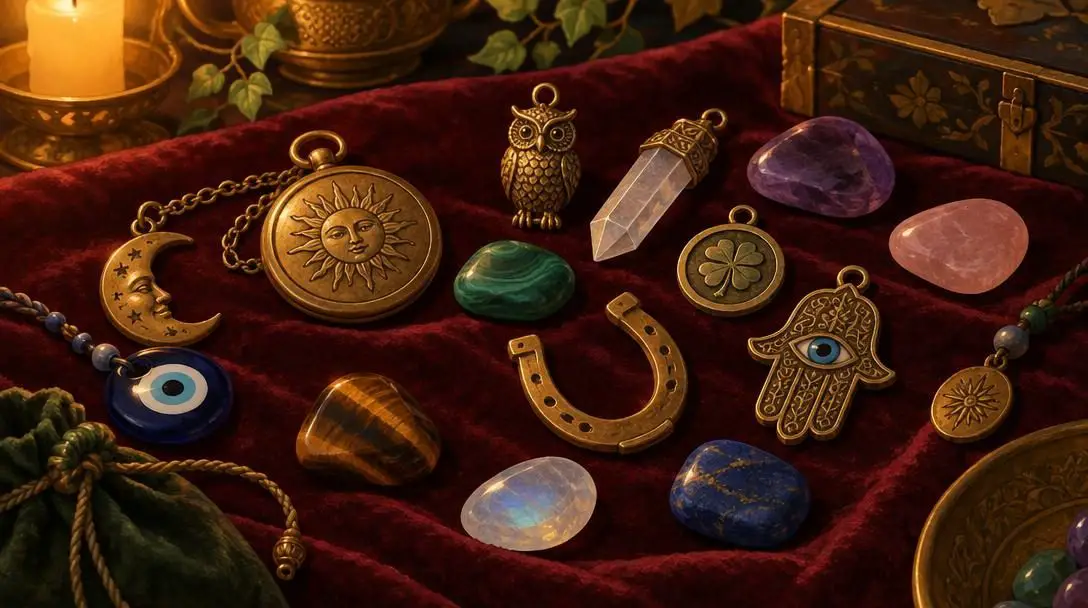
- Habitual practices: Carrying lucky charms and executing pre-event routines
- Intended outcome: Attracting good fortune and ensuring project success
- Underlying motive: Maintaining emotional grounding in unpredictable environments
Superstitions have long permeated creative disciplines, and Gibson is notably susceptible to their pull. Reports document that he routinely observes quirky personal superstitions in both his everyday life and high-stakes film environments. These practices encompass carrying personal lucky charms and executing precise, meticulous preparatory routines prior to stepping onto sets or attending critical industry functions. Far from being passive whims, these rituals reflect an active effort to invite favorable outcomes and regain personal equilibrium when facing the volatile variables of the entertainment industry.
Behind the well-documented screen presence and cinematic storytelling, intriguing personal habits and unique traits offer a fascinating look at the pressures of life in the spotlight.
The intersection of Hollywood pressure and personal superstitions
To understand why an accomplished creative figure embraces rigid superstitions or tactile collections, one must examine the operational realities of the entertainment industry. Show business is characterized by extreme volatility, sudden shifts in public favor, and unrelenting public exposure. Even industry veterans who attain massive professional accolades face intense psychological pressure whenever a new project enters production.
Throughout cinematic history, actors, screenwriters, and directors have sought psychological anchors to manage environments where commercial and artistic outcomes remain inherently unpredictable. When the stakes are exceptionally high and success cannot be mathematically guaranteed, protective rituals and tangible hobbies frequently step into the void. Whether an individual clutches a talisman, avoids an ominous date, or loses themselves in the mechanical restoration of vintage devices, these actions provide a vital stabilizing framework within an unpredictable working environment.

The psychological functions of eccentric hobbies and phobias
The behavioral quirks exhibited by prominent artists are rarely random; they serve distinct psychological needs. By examining how practices like triskaidekaphobia, fine art painting, and animal husbandry operate, one can see clear patterns of emotional self-regulation and coping strategies.
- Establishing perceived control: Conditions like triskaidekaphobia and protective pre-event rituals function as self-defense mechanisms. By actively circumventing the number 13 or adhering to strict personal preparation steps, an individual works to limit uncertainty and build a predictable perimeter around stressful events.
- Unfiltered emotional expression: Solo painting provides a non-verbal, private release valve. For a filmmaker accustomed to managing multi-million-dollar sets with hundreds of collaborators, the canvas provides total autonomy and freedom from commercial committee review.
- Grounded connection to living systems: Breeding rare fauna shifts attention entirely away from box-office returns, reviews, and industry gossip. Animals respond strictly to routine, habitat conditions, and nutritional care, offering an unpretentious, grounding reality.
- Physical connection to history: Assembling a collection of manual typewriters connects the owner to tangible craftsmanship. The tactile click of keys and the weight of cast iron offer an enduring sense of permanence that contrasts sharply with transient digital media.
Practical steps for managing personal quirks and superstitions
While ordinary individuals may not manage exotic animal sanctuaries or collect dozens of rare typewriters, the psychological impulse to rely on rituals or unique hobbies is universal. Anyone navigating anxiety, superstitions, or intense creative drives can implement practical steps to maintain balance.
- Identify the root cause of the habit: Reflect on whether a specific ritual or superstition stems from harmless cultural fun or from an acute anxiety about losing control over outcomes.
- Evaluate real-world consequences: Assess whether personal phobias or routines interfere with work duties, family schedules, or healthy relationships. If skipping dates causes scheduling gridlock, the behavior requires conscious re-examination.
- Redirect nervous energy into tactile arts: Emulate the grounding effects of painting or mechanics by setting aside dedicated personal time for sketching, writing, or hands-on restoration projects.
- Build flexible grounding routines: Replace rigid, fragile superstitions with reliable, portable grounding exercises, such as diaphragmatic breathing, situational journaling, or structured objective analysis before high-stakes events.
- Curate hobbies for personal fulfillment: Build collections or pastimes around items that deliver genuine tactile inspiration and historical curiosity rather than accumulating clutter for status.
Common mistakes when navigating strong personal quirks
Navigating idiosyncratic habits, fears, and niche pastimes requires ongoing self-awareness. When managed poorly, eccentricities can morph into disruptive burdens that amplify stress rather than relieving it.
- Permitting superstitions to dictate major life choices: Allowing an irrational fear of specific dates, numbers, or omitted rituals to cancel crucial business obligations creates logistical turmoil and unnecessary professional friction.
- Devaluing solitary creative pursuits: Neglecting private expressive outlets like painting in favor of non-stop career labor often precipitates severe burnout and artistic stagnation.
- Underestimating the operational burden of intensive hobbies: Launching demanding pursuits, such as breeding animals or sourcing delicate historical artifacts, without sufficient time and resources leads to stress and neglect.
- Suppressing harmless individuality: Forcing yourself to hide benign eccentricities out of fear of social judgment strips away authentic joy and personal distinctiveness.
- Substituting protective charms for real-world preparation: Assuming that carrying a talisman or repeating a mantra can substitute for diligent research and practical rehearsals creates an unstable foundation for performance.
Frequently asked questions
Does Mel Gibson actively paint and display his artwork?
Gibson is an accomplished painter who dedicates serious attention to composition, texture, and visual balance. However, he approaches his painting primarily as a solitary, private creative practice rather than a commercial gallery pursuit, using it to recharge away from film sets.
What specific animal species does Mel Gibson breed?
Reports confirm that Gibson commits significant personal time and resources to breeding rare and unusual exotic animal species in specialized facilities, though detailed inventories of his specific enclosures remain largely private.
How does Gibson's triskaidekaphobia affect his film career?
Because of his intense fear of the number 13, Gibson reportedly avoids participating in major public events, signing contracts, or launching creative projects scheduled on the 13th day of the month.
Why does Mel Gibson collect antique manual typewriters?
Gibson has assembled an extensive collection of obsolete manual typewriters, likely drawn to their intricate mechanical engineering, enduring historical craftsmanship, and tactile ability to spark narrative inspiration.
What kind of superstitions does Gibson follow before major events?
Gibson carries personal lucky charms and performs precise preparatory rituals prior to executing major career milestones, utilizing these traditional practices to foster positive outcomes and regain psychological control amidst uncertain conditions.
The bottom line
The lesser-known aspects of Mel Gibson's life—from his private canvases and exotic animal pens to his typewriter shelves, protective charms, and avoidance of the number 13—reveal a striking contrast to his high-octane public persona. These unique habits emphasize that even individuals at the highest levels of global fame rely on personal rituals, tactile crafts, and solitary hobbies to navigate the unpredictable pressures of their environments. By balancing genuine creative passions with self-awareness, anyone can use unique personal pastimes as grounding anchors while keeping irrational anxieties in check.