5 Weird Queen Elizabeth II Facts You’re Dying To Know
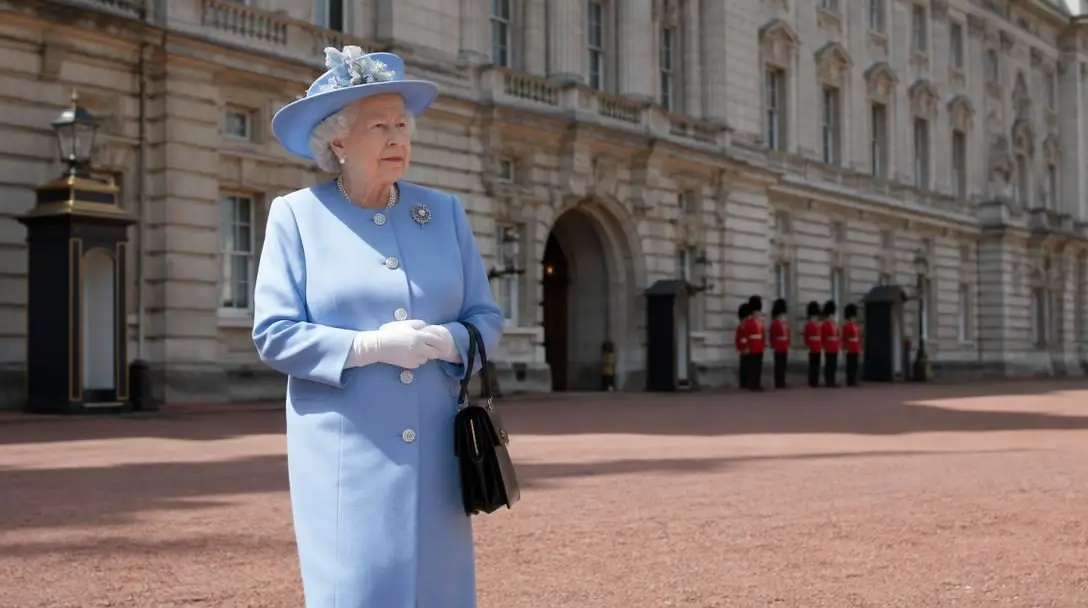
Queen Elizabeth II stands as the longest-reigning monarch in British history, remembered across the globe through the formal pageantry of state banquets, diplomatic ceremonies, and unwavering constitutional duty. For over seven decades, her public profile remained synonymous with solemn composure and royal etiquette. Yet behind the palace gates and the heavy mantle of statecraft, Her Majesty maintained a collection of personal habits, specialized skills, and private pastimes that diverged sharply from conventional aristocratic expectations.
Examining these unconventional dimensions reveals a monarch who was remarkably practical, technologically curious, and quick-witted. From repairing military transport engines during wartime to managing a lively pack of more than 30 herding dogs, the Queen navigated the immense divide between ancient royal traditions and the shifting demands of modern life.
Key takeaways
- Queen Elizabeth II developed genuine mechanical skills during World War II through formal service in the Women’s Auxiliary Territorial Service.
- She owned more than 30 Corgis throughout her lifetime, personally supervising their daily care, routines, and diets.
- Alternative historical theories have questioned official birth orders, though standard civic and parish registers verify her status as the eldest daughter of King George VI.
- Behind her composed public demeanor, the monarch possessed a famously dry wit and a private talent for mimicking accents and public figures.
At a glance: Five unexpected facets of Queen Elizabeth II
To understand the breadth of Her Majesty’s personal life beyond the throne room, the following overview outlines the background, context, and defining characteristics of these five notable traits.
| Fact Topic | Primary Era or Origin | Key Defining Detail | Significance |
|---|---|---|---|
| Wartime Car Mechanics | World War II (ATS) | Trained to diagnose faults, rebuild engines, and change spark plugs | Demonstrated practical manual capability rather than purely ceremonial status |
| Devotion to Corgis | Lifelong reign | Personally cared for and walked a total of more than 30 dogs | Softened her public image and created an enduring global animal connection |
| Birth Order Debates | Twentieth-century historiography | Theories alleging a concealed older sister with physical disabilities | Reflects public fascination with dynastic succession and aristocratic secrecy |
| Dry Wit and Mimicry | Throughout adult life | Impersonated regional accents and political leaders behind closed doors | Helped ease nervous diplomatic guests and humanized formal state speeches |
| Secret Digital Presence | Modern digital era | Rumored personal Facebook profile maintained under an alias | Continues a lifelong pattern of early adoption of communications technology |
Five intriguing and unconventional facts about Queen Elizabeth II
While the British monarchy is traditionally associated with rigid decorum, these five specific realities highlight the unexpected ways Queen Elizabeth II challenged standard aristocratic tropes.
Wartime Vehicles and Mechanical Repairs
- Service Branch: Women’s Auxiliary Territorial Service (ATS)
- Role: Driver and automotive mechanic
- Preferred Private Driving: Rugged utility vehicles at Balmoral and Sandringham
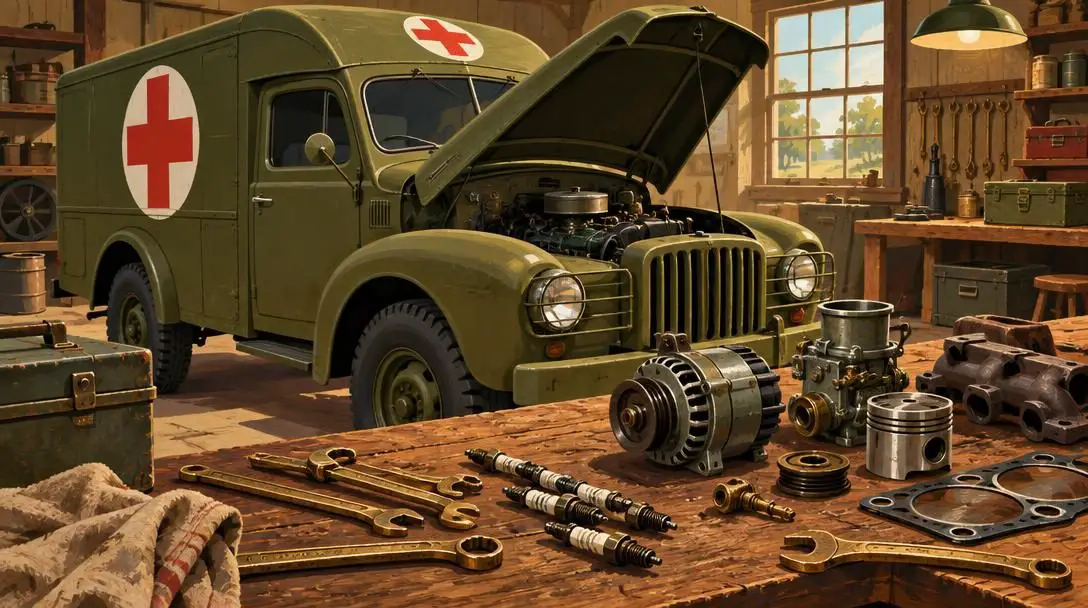
One of the most practical dimensions of Queen Elizabeth II’s life was her direct competence under the hood of a motor vehicle. Unlike contemporary monarchs who are almost exclusively ferried in pristine motorcades, she developed a deep, working comprehension of automotive engineering during the height of World War II. Joining the Women’s Auxiliary Territorial Service as a young princess, she underwent standard mechanical training alongside fellow British recruits.
Her instruction was rigorous and comprehensive. She learned how to deconstruct and rebuild internal combustion engines, diagnose complex mechanical failures, adjust gear assemblies, inspect fluids, and swap spark plugs. This technical acumen remained sharp throughout her life. Long after her wartime service concluded, she routinely chose to drive herself across her private estates at Balmoral and Sandringham, often operating rugged utility vehicles over rough terrain without an accompanying chauffeur or security driver at the wheel.
The Royal Corgis
- Total Owned: More than 30 Corgis
- Role in Court: Daily companions, portrait subjects, and informal icebreakers
- Personal Care: Direct dietary oversight and daily parkland walks
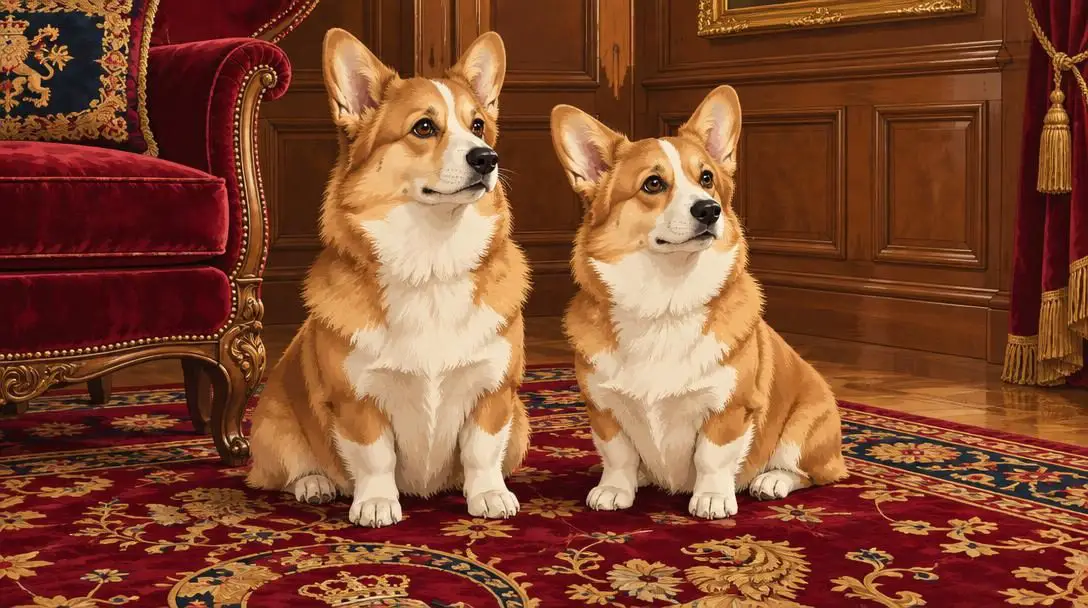
Animals served as an emotional anchor throughout the Queen’s private life, but the Pembroke Welsh Corgi became her definitive visual and personal trademark. Over the course of her seven-decade reign, she owned more than 30 of these expressive, short-legged herding dogs. Rather than delegating all canine upkeep to kennel staff, Her Majesty insisted on an extraordinary level of hands-on participation in their day-to-day welfare.
Whenever her demanding schedule allowed, the Queen personally mixed and supervised their specific meals, walked them across royal parklands, and allowed them to roam freely throughout private royal apartments. The dogs were known to join her on official travel, sit prominently in formal portraiture, and occasionally disrupt the solemnity of palace ceremonies. Their spirited presence frequently caught foreign dignitaries and world leaders by surprise, puncturing the stiff atmosphere of court protocol with spontaneous domestic life.
Royal Succession and Birth Order
- Official Standing: First-born daughter of King George VI and Queen Elizabeth
- Speculative Theory: An alleged concealed older sister with physical disabilities
- Authoritative Proof: Registered civic records and historic parish registers
Because constitutional monarchies depend strictly on an unbroken, legally unquestioned line of hereditary succession, birth order is subject to supreme legal scrutiny. Official historical records establish unequivocally that Elizabeth was the first-born child of King George VI and Queen Elizabeth (the Queen Mother). Nevertheless, unconventional historical theories have occasionally emerged suggesting alternative succession narratives.
These speculative claims suggest the possibility of an unrecorded or hidden older sister who was allegedly kept away from the public gaze due to physical disabilities. While reputable genealogists and historians dismiss these narratives by pointing to standard civic birth registrations and parish documentation, the persistence of such theories highlights how aristocratic medical privacy during the early twentieth century continues to fuel public speculation and alternate succession lore.
Dry Wit and Impersonations
- Humor Style: Understated, dry, and situational
- Private Skill: Accurate impersonation of regional accents and political figures
- Public Function: Disarming tense diplomatic encounters and humanizing speeches
The Queen’s public face was defined by an unyielding, practiced neutrality, but those who interacted with her away from cameras consistently noted her sharp sense of humor. Rather than maintaining icy aloofness, she frequently employed subtle, self-deprecating remarks and dry observations that caught unsuspecting guests completely off guard.
Beyond off-the-cuff witticisms, the sovereign possessed a well-documented talent for mimicry. In private quarters, she regularly delighted family members, visiting dignitaries, and aides with spot-on imitations of various regional accents and prominent politicians. By weaving humorous remarks into public addresses and disarming nervous visitors with quick quips, she effectively dissolved the rigid social barrier separating the crown from everyday citizens.
Beneath the formal poise demanded by state occasions lay a sharp, observational wit that allowed the Queen to disarm world leaders and humanize an ancient office.
The Secret Facebook Profile
- Platform: Facebook
- Operating Method: Private profile registered under an alias
- Technological Milestones: First televised Christmas message (1957), early military email (1976)
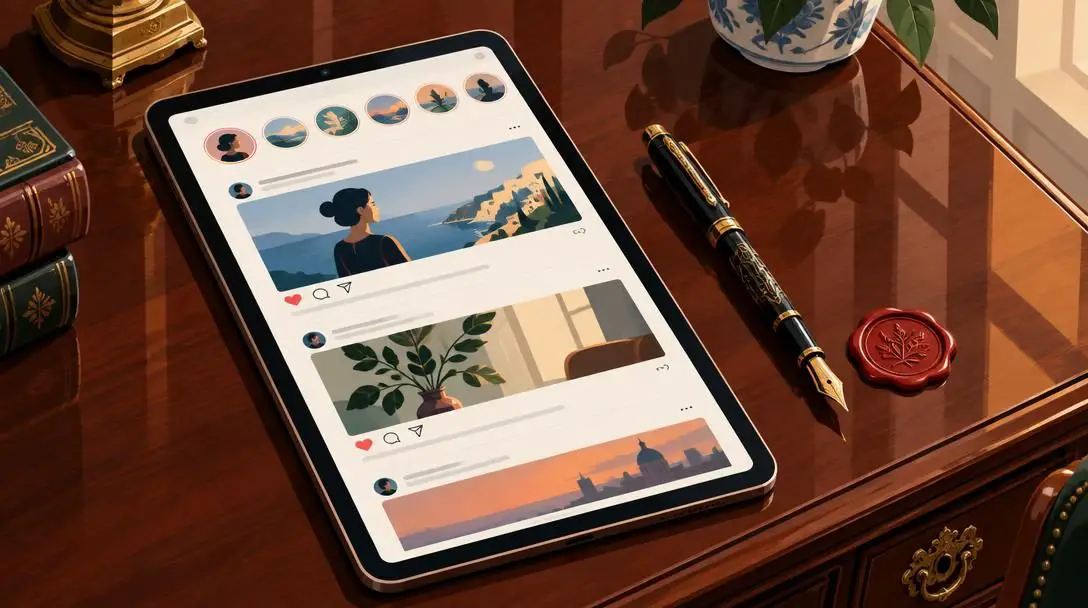
As the digital revolution remade global media, the royal household established formal, verified organizational accounts across major social networks. However, long-standing reports have pointed to the existence of a clandestine, personal Facebook account maintained by the Queen under a discreet pseudonym. Online interactions and digital breadcrumbs linked to this alleged profile have periodically surfaced across internet forums and media reports.
While palace officials never formally verified the account, the rumor aligns seamlessly with her lifelong enthusiasm for modern communication tools. Elizabeth II was consistently forward-looking regarding technological breakthroughs: she authorized the first live television broadcast of her Christmas address in 1957 and dispatched an early electronic mail message from a military research facility back in 1976. A private social profile would have provided her with an unfiltered window into everyday modern life, bypassing the carefully curated briefings prepared by royal press offices.
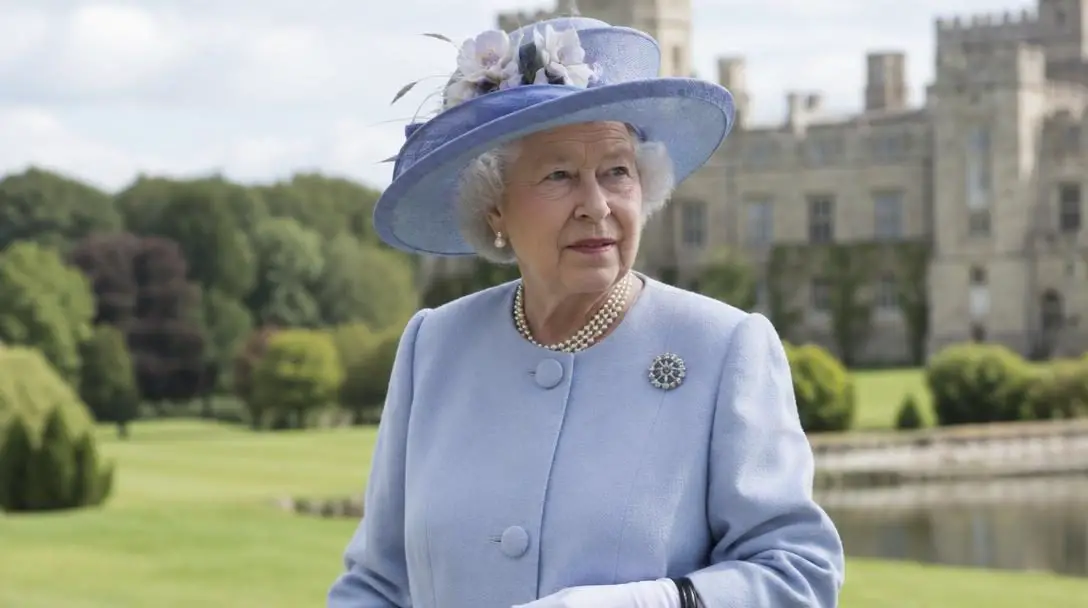
Breaking royal stereotypes: How perception and duty coexisted
To fully grasp why these five characteristics captivate the public, it is necessary to consider the twentieth-century evolution of the royal institution. For centuries, reigning monarchs were expected to remain distant, mysterious, and completely detached from manual labor, domestic pet chores, or informal popular culture. Elizabeth II came to power during a turbulent post-war era marked by the dismantling of the British Empire, severe economic reconstruction, and the sudden rise of mass television coverage.
To ensure the crown retained its societal relevance, the monarchy had to balance three distinct institutional pillars:
- Sovereign Majesty: Preserved through strict parliamentary state openings, coronation rites, and formal diplomatic protocol to maintain institutional permanence.
- Everyday Relatability: Cultivated through tangible, down-to-earth interests—such as hands-on mechanical work, canine affection, and comedic warmth—that resonated with ordinary working citizens.
- Controlled Privacy: Maintained by keeping personal thoughts closely guarded, a boundary that naturally spurred persistent curiosity regarding hidden social profiles or secret family lore.
How to fact-check royal history and genealogies
Evaluating stories about famous monarchs requires separating verifiable administrative history from sensational palace folklore. Researchers and history enthusiasts can navigate claims by following these structured steps:
- Review primary archival records: Confirm military ranks, technical training, and service enlistments using formal government archives, such as official records from the Women’s Auxiliary Territorial Service.
- Examine registered civil birth entries: Cross-reference disputed familial lineage or birth order claims against registered birth indexes, church parish registries, and verified legal succession declarations.
- Read critical contemporary biographies: Rely on scholarly biographical studies that substantiate their claims through published diaries, declassified correspondence, and cross-examined witness memoirs.
- Trace digital rumors to their original source: Investigate claims of secret social media accounts or online aliases by identifying whether the story originated from verified investigative reporting or unsourced internet commentary.
Common pitfalls when researching royal lore
When analyzing historical claims regarding the British monarchy, enthusiasts and amateur historians frequently fall into several analytical traps:
- Assuming public solemnity reflects personal coldness: Interpreting an unyielding public expression as an absence of humor overlooks the dry wit often used privately to cope with intense public pressure.
- Mistaking functional military training for honorary pageantry: Assuming royal military involvement is entirely symbolic ignores verified wartime records proving the Queen completed active mechanical and driving training.
- Treating speculative genealogical theories as documented fact: Giving equal weight to unsubstantiated conspiracy theories regarding royal birth order while ignoring public birth registries compromises historical accuracy.
- Assuming elderly monarchs are inherently technophobic: Stereotyping historic rulers as disconnected from contemporary innovations ignores Elizabeth II’s track record of adopting radio, television, email, and digital tools.
Avenues for deeper historical exploration
Uncovering the lesser-known dimensions of Elizabeth II’s life provides an engaging gateway into broader historical and social studies of modern Britain. Those looking to continue their research should consider exploring these four key historical fields:
- Women’s service in World War II: Investigating the broader operational footprint of the Women’s Auxiliary Territorial Service reveals how wartime mobilization reshaped the social standing of thousands of young British women.
- The evolution of modern royal media: Tracking the transformation of royal messaging from crackling 1930s radio broadcasts to interactive twenty-first-century digital platforms illustrates the modernization of public relations.
- Breeding history and cultural reach of the Pembroke Welsh Corgi: Studying the working history of Welsh herding breeds illustrates how sustained royal visibility shaped international dog breeding and global breed demand.
- British succession jurisprudence: Researching the legal frameworks and statutes that govern royal succession clarifies why questions of birth order, royal marriages, and hereditary descent carry immense legal significance.
Frequently asked questions
Did Queen Elizabeth II really know how to repair car engines?
Yes. During World War II, she enlisted in the Women’s Auxiliary Territorial Service (ATS) and completed practical training as a driver and mechanic, learning to rebuild engines, change spark plugs, and diagnose mechanical faults.
How many Corgis did Queen Elizabeth II own throughout her life?
Throughout her reign, Queen Elizabeth II owned more than 30 Corgis, taking an active role in their daily care, dietary routines, and exercise across royal residences.
Is there any truth to the theory that Elizabeth II had a hidden older sister?
No verifiable historical evidence supports this claim. Official civic and parish birth registries confirm that Elizabeth was the first-born child of King George VI and Queen Elizabeth, despite recurring speculative theories.
Did Queen Elizabeth II ever send an email before the modern internet existed?
Yes. In 1976, Her Majesty sent an early electronic mail message from a British military research facility, demonstrating her early engagement with emerging computer networks.
Why did the Queen prefer to drive herself on private estates?
Having developed driving and mechanical skills during her wartime military service, she enjoyed the independence of piloting rugged utility vehicles across her private estates at Balmoral and Sandringham without a chauffeur.
The bottom line
The global legacy of Queen Elizabeth II cannot be understood solely through the prism of state crowns, formal banquets, and constitutional neutrality. The enduring strength of her seven-decade reign rested on an intricate synthesis of ancient tradition and surprising personal grit. Whether troubleshooting mechanical faults in a military transport vehicle, walking an unruly pack of Corgis across palace lawns, or deploying a dry punchline to defuse diplomatic formality, Her Majesty continually demonstrated that dedicated public service could coexist with an unexpected, vibrant individuality.