5 Weird Steven Spielberg Facts You’re Dying To Know
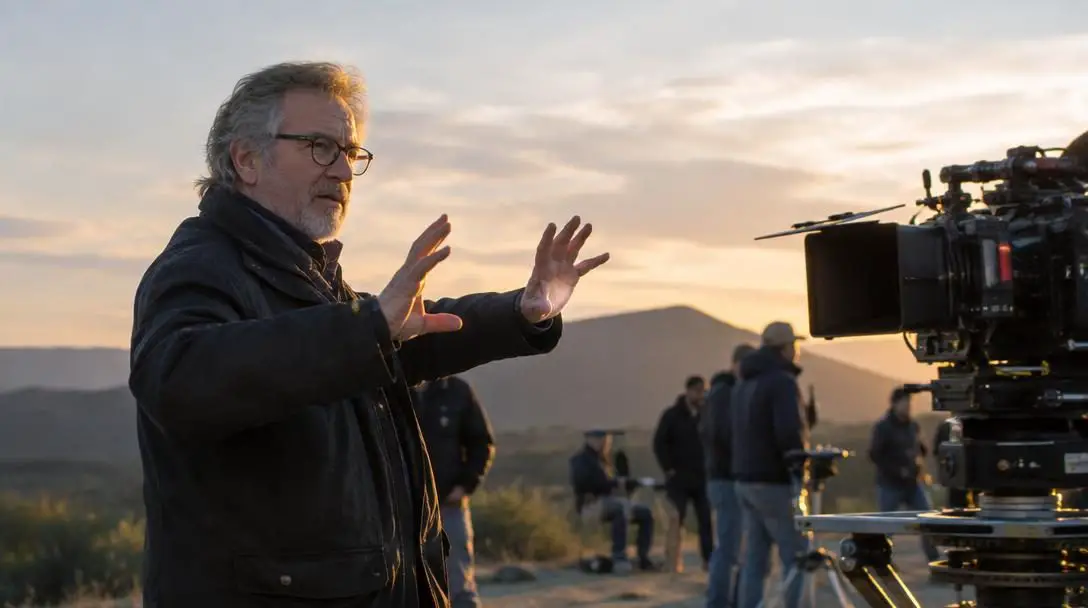
Steven Spielberg is widely recognized as a name synonymous with cinematic excellence, having captured the hearts of millions across generations with his extraordinary storytelling and captivating films. While audiences worldwide celebrate him as the master behind universally acclaimed masterpieces such as Jurassic Park and E.T. the Extra-Terrestrial, the creative identity of this legendary filmmaker is built upon much more than traditional Hollywood glamour. Behind the scenes, his formative years, private idiosyncrasies, and distinct psychological triggers have quietly shaped his artistic vision in remarkable and unexpected ways.
To fully appreciate the scope of Spielberg's work, one must understand that his journey spans decades of groundbreaking technical innovation and deep emotional resonance anchored in his personal background. Looking past the red carpets reveals a director who channels genuine human vulnerability, personal curiosities, and quirky daily habits into every production he touches. Exploring his lesser-known habits, childhood memories, and superstitions provides a vital framework for interpreting his creative choices and understanding the authentic emotional engine behind classic modern cinema.
Key takeaways
- Before turning to filmmaking, Spielberg's childhood dream in Arizona was to become a professional meteorologist.
- Unlike directors who take prominent roles, Spielberg inserts subtle, blink-and-you-miss-it cameos into background crowds.
- Superstitions guide his sets, from wearing the exact same lucky hat to strictly banning the word "shark" during the filming of Jaws.
- Spielberg suffers from severe aquaphobia due to a near-drowning incident, a fear he directly channeled into the tense water sequences of Jaws and Saving Private Ryan.
- His narrative vision transcends theater screens through collaborative, immersive theme park attractions like E.T. Adventure and Jurassic Park: The Ride.
The unconventional traits behind a cinematic legend
While the film industry often celebrates technical prowess and box-office milestones, the emotional core driving classic cinema frequently stems from personal quirks and formative experiences. Spielberg's filmography demonstrates that exceptional storytelling relies not merely on academic discipline or cinematic precedent, but on the raw, unfiltered integration of private memory and psychological disposition. His unusual habits and anxieties are not isolated eccentricities; they serve as structural building blocks across his work.
| Quirk or Characteristic | Formative Origin | Notable Film or Project | Creative Expression |
|---|---|---|---|
| Meteorological Ambition | Childhood under Arizona's vast skies and dramatic storms | Twister | Depicting severe weather as a dynamic, terrifying narrative force |
| Stealth Cameos | Desire for subtle personal connection with attentive viewers | Jurassic Park, Catch Me If You Can | Blending quietly into background crowds as an extra |
| Superstitious Rituals | Managing creative tension and uncertainty on high-stakes sets | Jaws | Wearing a lucky production hat and banning specific spoken words |
| Channeled Aquaphobia | Traumatic childhood near-drowning experience | Jaws, Saving Private Ryan | Framing ocean and water landings with visceral, waterline dread |
| Theme Park Architecture | Vision for immersive, three-dimensional world-building | Jurassic Park: The Ride, E.T. Adventure | Collaborating with Disney and Universal to make cinematic spaces tangible |
Looking past the red carpets reveals a director who channels genuine human vulnerability, personal curiosities, and quirky daily habits into every production he touches.
Five unexpected facts behind Steven Spielberg's legendary career
By examining the lesser-known facets of Spielberg's creative routine and life history, fans and students of cinema can gain a much deeper appreciation for his cinematic repertoire. The following five distinctive facts illuminate how his authentic experiences, superstitions, and phobias have influenced his iconic storytelling.
Early Ambition in Professional Meteorology
Before establishing himself as one of the most influential filmmakers in the world, Spielberg had a completely different career aspiration in his sights. During his youth, he did not dream of cameras, soundstages, and film sets; instead, he dreamt of becoming a professional meteorologist. This deep fascination with atmospheric science, weather patterns, and severe storms was directly fueled by his experiences growing up in Arizona, an environment known for its dramatic climatic shifts, expansive horizons, and vast skies.
Although Spielberg eventually shifted his focus toward filmmaking, this early love for meteorology never left him. It provided him with a unique visual and thematic perspective on the natural world that he later incorporated into his storytelling. His early atmospheric curiosity can be clearly seen in works featuring dramatic weather conditions, notably serving as creative fuel for the terrifying tornado sequences showcased in Twister, where atmospheric forces are treated not merely as backdrop scenery, but as active narrative catalysts.
Stealth Cameos in Major Motion Pictures
Many renowned directors enjoy making cameo appearances in their own productions, and Spielberg is no exception. However, unlike filmmakers who place themselves center stage, deliver prominent lines of dialogue, or demand the spotlight, Spielberg favors an exceptionally subtle approach. He weaves his brief appearances into the fabric of his films so discretely that viewers often find it a significant challenge to spot him during a standard viewing.

These hidden cameos require sharp attention to detail. For example, he can be spotted playing an amusement park patron in the background of Jurassic Park. In Catch Me If You Can, he appears quietly as an unassuming guest passing through a busy hotel lobby. These blink-and-you-miss-it moments do more than just provide an easter egg for cinephiles; they create a fun, quiet personal connection between Spielberg and his attentive audience.
Superstitious Set Rituals and Talismans
Directing a major Hollywood feature is an unpredictable endeavor fraught with logistical chaos, and behind the scenes, Spielberg is well known for embracing superstitious set rituals. To court good fortune and keep chaotic productions on track, he routinely adheres to specific habits designed to manage the high-stakes pressure of a movie shoot. These practices include keeping a personal lucky charm close at hand and consistently wearing the exact same hat throughout the entire duration of a movie's production schedule.
His superstitions have sometimes directly shaped set protocol for cast and crew alike. During the historically troubled production of Jaws, Spielberg famously refused to allow anyone to utter the word "shark" on set, convinced that speaking the word aloud would bring terrible bad luck to an already difficult shoot. While these idiosyncrasies may seem peculiar to an outsider, they highlight Spielberg's deep dedication to maintaining an atmosphere of focused, positive energy amid intense creative environments.
Channeled Aquaphobia and Fear of Swimming
One of the most ironic paradoxes of Spielberg's cinematic history is his personal relationship with water. Despite his demonstrated mastery in creating some of cinema's most thrilling water-based sequences—such as the suspenseful ocean terrors in Jaws and the harrowing amphibious beach landings in Saving Private Ryan—Spielberg harbors a deep-seated fear of swimming and open water. This intense aquaphobia is believed to stem from a terrifying childhood incident where he suffered a near-drowning experience.
Rather than running from this personal vulnerability, Spielberg channeled his phobia directly into his craft. The pervasive dread, vulnerability, and tension that permeate his water-focused scenes mirror his own inner panic. By projecting his authentic dread into the visual framing and pacing of these scenes, he managed to infuse the storytelling with an immediate, primal authenticity that resonates deeply with audiences across the globe.
Pioneering Theme Park Attractions
Spielberg's creative footprint extends far beyond the traditional movie theater screen. Through high-profile collaborations with major entertainment destinations, including Universal Studios and Disney, Spielberg has played a key role in developing groundbreaking theme park attractions that offer immersive, thrilling physical experiences. He recognized early on that audiences wanted to do more than simply watch a narrative; they wanted to live inside it.
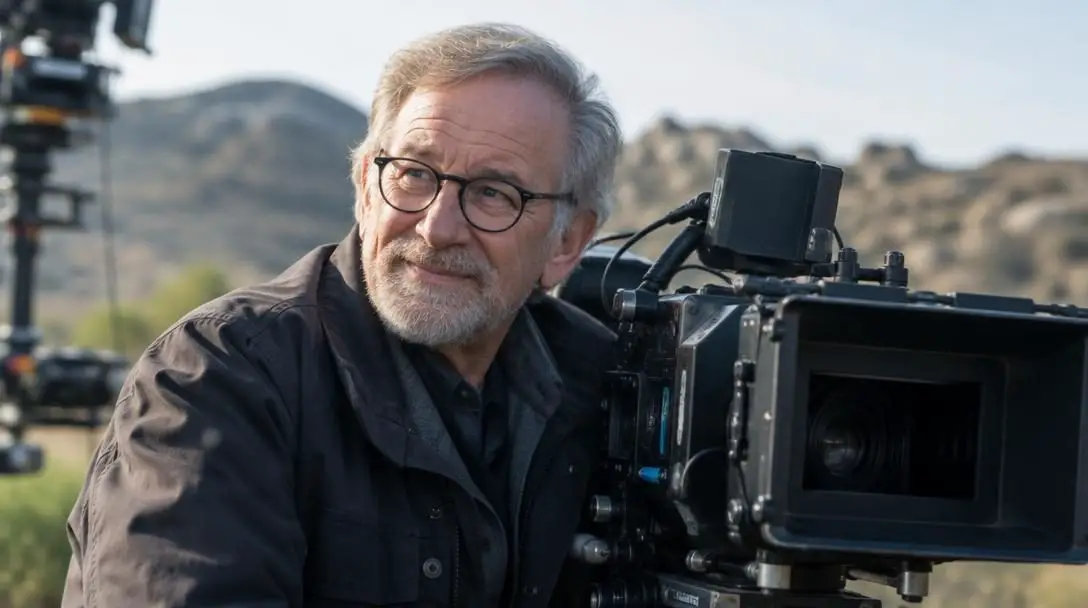
These creative partnerships transformed cinematic storytelling into tangible reality. His beloved blockbusters served as the direct inspiration for world-famous attractions, most notably Jurassic Park: The Ride and E.T. Adventure. These rides invited fans to physically step inside the fantastical environments he had previously projected on movie screens. Through these lasting ventures, Spielberg solidified his status as a visionary storyteller whose imagination completely transcends the physical boundaries of cinema.
How personal quirks, phobias, and habits influence cinematic craft
Understanding how a director's private traits make their way into their art offers profound insight into the mechanics of visual storytelling. In Spielberg's work, psychological disposition translates directly into filmmaking technique across several distinct dimensions:
- Subconscious projection: When a filmmaker projects real psychological fears, such as Spielberg's acute fear of swimming, the resulting suspense feels genuine. The camera tends to frame the threatening element with higher tension because the director genuinely understands what makes that element terrifying from personal experience.
- Cross-disciplinary inspiration: A non-cinematic interest, such as Spielberg's childhood passion for meteorology, broadens a director's visual and narrative vocabulary. Weather is not just background scenery; it becomes an active, hostile character, as seen in the tornado sequences of Twister.
- Psychological framing via ritual: Superstitions like wearing set-specific lucky hats or banning ominous words provide a sense of control amid the extreme stress of production. This mental discipline allows a director to focus clearly on artistic decisions despite equipment malfunctions or tight deadlines.
- Interactive world-building: The willingness to adapt cinematic concepts into physical spaces, such as theme park rides, requires a director to think spatially. Spielberg designs movie scenes with physical geometry and sensory immersion that naturally translate into three-dimensional experiences.
How to spot subtle Spielberg hallmarks during your next rewatch
For movie fans and aspiring film students looking to examine Spielberg's work on a deeper level, discovering his subtle details requires an intentional viewing strategy. Follow these structured steps during your next screening:
- Watch background crowds carefully: Spielberg rarely places his cameos in the center frame. When watching scenes set in populated areas—like the amusement park in Jurassic Park or the lobby in Catch Me If You Can—shift your focus away from the leading actors and scan the secondary background extras.
- Analyze the depiction of natural elements: Pay close attention to how storms, wind, and sky conditions are framed. Look for the meteorological precision Spielberg applies to dramatic sequences, noting how storm patterns mirror narrative tension.
- Track the framing of water sequences: Observe camera angles during scenes set in or around water, particularly in Jaws and Saving Private Ryan. Notice how the camera often stays at waterline level, heightening vulnerability and mirroring a swimmer's fear.
- Compare cinematic sets to theme park layouts: When viewing E.T. the Extra-Terrestrial or Jurassic Park, take note of the visual set pieces. Compare how the sets are constructed with the practical track layouts and sensory illusions used in E.T. Adventure and Jurassic Park: The Ride.
Common misconceptions when analyzing Spielberg's filmography
When studying the legacy and eccentricities of legendary creators, it is easy to fall into critical traps or accept cinematic myths. Here are the most frequent errors people make when examining Spielberg's life and work:
- Assuming his directorial voice was purely film-focused: Many assume Spielberg spent his entire youth obsessed only with movie sets. Overlooking his early dream of becoming a professional meteorologist ignores a foundational influence on his visual representation of natural forces.
- Confusing his cameos with traditional director appearances: Audiences often expect directors to have speaking roles or clear, prolonged appearances. Expecting Spielberg to announce his presence causes viewers to miss his subtle, background placements.
- Viewing set superstitions as mere distractions: Dismissing his rituals—like banning the word "shark" on Jaws or wearing a lucky production hat—as frivolous misses their practical role in managing emotional morale and positive focus during challenging shoots.
- Overlooking the personal root of cinematic suspense: Treating the ocean terror in his films as purely mechanical filmmaking ignores the vital role of his aquaphobia, which supplied the raw psychological intensity that made those scenes famous.
- Separating theme parks from his creative canon: Viewing attractions like E.T. Adventure simply as corporate marketing fails to recognize them as extensions of his dedication to immersive world-building.
Frequently asked questions
Did Steven Spielberg always want to be a film director?
No. During his youth in Arizona, Spielberg dreamt of becoming a professional meteorologist, driven by a deep fascination with atmospheric science, weather shifts, and severe storms.
Where can you spot Steven Spielberg's movie cameos?
Spielberg makes subtle background appearances without dialogue, including a brief appearance as an amusement park guest in Jurassic Park and as a guest passing through a busy hotel lobby in Catch Me If You Can.
Why did Steven Spielberg ban the word "shark" on the set of Jaws?
Spielberg embraced set superstitions to ward off bad luck during the historically difficult production of Jaws, believing that uttering the word aloud would invite misfortune to the shoot.
Why is Spielberg afraid of water if he directed Jaws?
Spielberg developed severe aquaphobia after a traumatic near-drowning incident in his childhood. Rather than avoiding water in his work, he channeled his genuine panic and dread into water sequences in films like Jaws and Saving Private Ryan.
Which theme park attractions did Steven Spielberg help develop?
Through creative partnerships with Universal Studios and Disney, Spielberg helped pioneer major immersive physical experiences, most notably Jurassic Park: The Ride and E.T. Adventure.
The bottom line
Exploring these five intriguing facts about Steven Spielberg opens the door to a richer appreciation of cinematic history. Spielberg's formative experiences—from the vast, stormy skies of Arizona to a terrifying childhood brush with drowning—reveal that legendary cinema is not born in an emotional vacuum. Instead, his masterworks are fueled by the honest integration of personal phobias, quirky production rituals, and diverse intellectual passions.
Furthermore, his pioneering transition from traditional soundstages into physical theme park attractions at Universal Studios and Disney demonstrated that narrative world-building can completely break free of the screen. As entertainment and technology continue to evolve, studying how Spielberg translated his private vulnerabilities and curiosities into enduring global touchstones offers timeless lessons on the power of authentic visual storytelling.