5 Weird Stevie Wonder Facts You’re Dying To Know

Stevie Wonder remains one of the most transformative figures in modern music history. Born in Saginaw, Michigan, on May 13, 1950, he emerged as a child prodigy who navigated the fiercely competitive music industry to become an essential architect of soul, pop, and rhythm and blues. Over decades of relentless creative pursuit, his catalog has earned global admiration for its technical precision, emotional resonance, and groundbreaking musicianship.
Behind his monumental public legacy are specific personal milestones, medical realities, and creative partnerships that shaped Stevie Wonder into the artist he became. With a creative output that includes over 30 studio albums, alongside multiple live recordings, compilation packages, and standalone singles, he established a standard of excellence that continues to inspire musicians worldwide. Groundbreaking albums such as Talking Book, Innervisions, and Songs in the Key of Life showcase an artist capable of speaking directly to diverse global audiences while overcoming severe physical challenges.
Key takeaways
- Stevie Wonder's permanent blindness resulted from retinopathy of prematurity following his birth six weeks premature in Saginaw, Michigan.
- His prolific studio recording career spans more than 30 full-length albums, anchored by celebrated 1970s masterworks.
- As a true multi-instrumentalist, Wonder routinely played drums, piano, and harmonica on his own tracks to maintain total creative control.
- His early 1970s marriage and collaborative partnership with Motown artist Syreeta Wright produced chart-topping classics like "Signed, Sealed, Delivered I'm Yours."
- Wonder has won 25 Grammy Awards throughout his career, including honors for Album of the Year, Best Male Pop Vocal Performance, and Best R&B Performance.
At a glance: Five foundational facets of Stevie Wonder's career
| Focus Area | Key Fact | Musical and Historical Significance |
|---|---|---|
| Early Life & Health | Born six weeks premature; developed retinopathy of prematurity | Lifelong visual impairment led to an acute reliance on auditory detail and musical instincts. |
| Studio Output | Over 30 studio albums alongside live albums and compilations | Demonstrated remarkable career longevity and thematic depth across five decades. |
| Instrumentation | Mastery of piano, harmonica, drums, and auxiliary instruments | Allowed him to construct complete rhythmic and melodic arrangements independently in the studio. |
| Key Partnership | Marriage and songwriting collaboration with Syreeta Wright (1970–1972) | Generated defining Motown hits including "Signed, Sealed, Delivered I'm Yours" and "If You Really Love Me." |
| Industry Honors | 25 Grammy Awards across major pop, R&B, and overall album categories | Solidified his reputation among peers and critics as one of popular music's most decorated innovators. |
Five defining facts behind Stevie Wonder's musical journey
To understand the breadth of Stevie Wonder's legacy, one must look closely at the turning points, medical circumstances, and creative dynamics that defined his career. These five core facts illustrate how personal resilience and technical mastery combined to produce an iconic body of work.
Retinopathy of prematurity
Stevie Wonder was born six weeks premature on May 13, 1950, in Saginaw, Michigan. Because of his early delivery, he developed an eye condition known as retinopathy of prematurity. In premature infants, the blood vessels supplying the retina have not yet fully matured; in Wonder's case, abnormal blood vessels developed within the eyes, causing retinal detachment and permanent blindness.
Despite experiencing lifelong visual impairment from infancy, this medical condition never derailed his artistic development. Instead, his heightened focus on auditory perception allowed him to blossom into a musical genius who fundamentally altered the course of popular music. Growing up as a child prodigy, he learned to interpret the world through vibrations, tonality, and rhythm, developing an instinctive understanding of melody long before entering a commercial recording studio.
A catalog of over 30 studio albums
Beginning his recording career under the Motown Records umbrella while still a child, Wonder demonstrated rare stamina and productivity in the recording studio. Over the course of his life, he has composed, recorded, and released over 30 studio albums. His expansive discography also features vibrant live recordings, extensive multi-disc compilations, and monumental standalone singles that dominated global radio.
During his creative peak in the 1970s, Wonder produced an unprecedented series of masterpieces, most notably Talking Book, Innervisions, and Songs in the Key of Life. These records moved far beyond standard pop formats to explore complex social themes, spiritual philosophy, and intricate musical arrangements, establishing new artistic benchmarks across rhythm and blues, soul, and pop.

Multi-instrumentalist musicianship
While millions of listeners immediately recognize his distinctive, soulful singing voice, Stevie Wonder's contributions extend far beyond vocal delivery. He is an exceptionally gifted multi-instrumentalist whose hands-on capabilities were central to his signature sound. Over his career, he has actively recorded and performed on the piano, harmonica, drums, and an assortment of auxiliary instruments.
Mastering such a wide spectrum of tools granted him total artistic command over his compositions. Rather than explaining his rhythmic ideas to studio session musicians, Wonder frequently sat behind the drum kit himself, establishing the syncopated pocket before moving to the piano to build rich harmonic layers. His trademark harmonica solos added an expressive, human texture that became an unmistakable hallmark of his arrangements.
Syreeta Wright

- Role: Motown singer and songwriter
- Marriage span: 1970 to 1972
- Key collaborations: "Signed, Sealed, Delivered I'm Yours", "If You Really Love Me"
During the early 1970s, Wonder entered a critical chapter of his personal and artistic life when he married fellow Motown singer and songwriter Syreeta Wright. The two artists met while working under the Motown Records umbrella and remained married from 1970 to 1972. Wright was an accomplished recording artist in her own right, recognized for her solo recordings and distinct musical perspective.
Their creative synergy proved profoundly influential. Working together during their marriage, Wonder and Wright co-wrote and produced enduring classics like "Signed, Sealed, Delivered I'm Yours" and "If You Really Love Me." Their partnership demonstrated how combining complementary lyrical and melodic strengths could produce energetic, hook-laden songs that resonated deeply across the Detroit and Los Angeles recording scenes.
A historic haul of 25 Grammy Awards
Wonder's immense contributions to contemporary culture have earned him extraordinary critical validation and peer respect, highlighted by his 25 Grammy Awards. This historic collection features top-tier industry accolades, including multiple wins for Album of the Year, Best Male Pop Vocal Performance, and Best R&B Performance.
The sheer volume and consistency of these awards underscore his status as an unmatched creative force who maintained artistic excellence across multiple decades. By repeatedly capturing honors in both pop and rhythm and blues categories, Wonder dismantled traditional genre barriers and proved that deeply personal, musically ambitious records could achieve massive commercial and critical triumph.
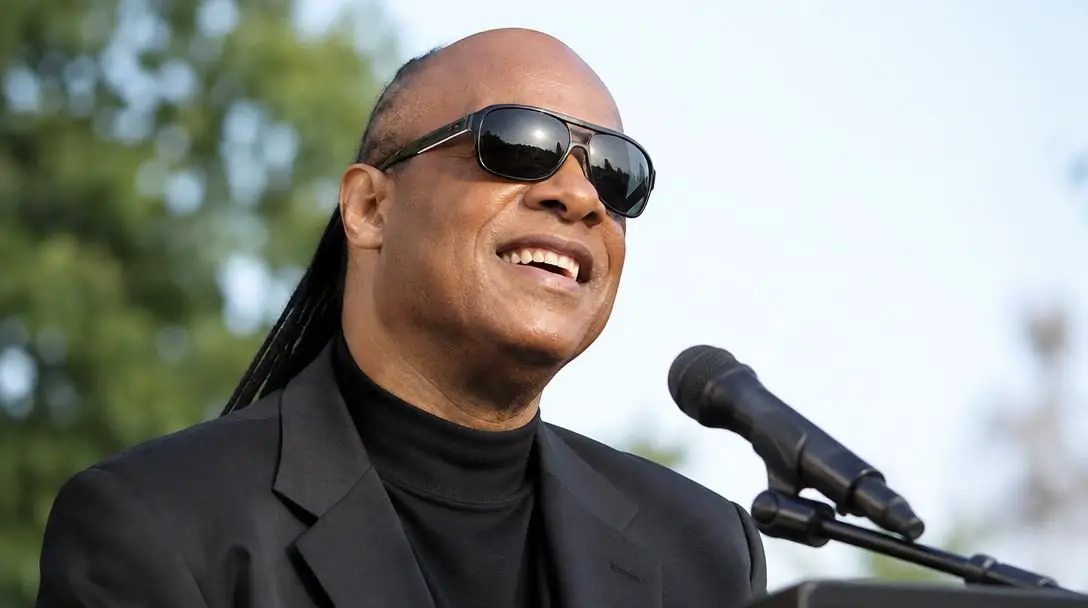
How multi-instrumental autonomy shaped Wonder's sound
Understanding Stevie Wonder's lasting impact requires examining how his varied technical skills, personal circumstances, and collaborative relationships operated in tandem. The foundation of his artistry rests upon his all-encompassing command of musical instruments, his collaborative spirit, and his sharp instinct for rhythm.
Because Wonder plays the piano, drums, harmonica, and other instruments, his songwriting and recording process often operated from an all-encompassing vantage point.
Rather than relying on outside studio session players to interpret basic chord sheets, Wonder often handled multiple foundational layers himself. He could track the original drum groove, switch to the piano to outline harmonic movement, and finish by layering expressive vocal harmonies and harmonica lines over the arrangement. This comprehensive multi-instrumental mastery gave his albums a cohesive, unified character that seamlessly bridged pop, rhythm and blues, and funk.
At the same time, Wonder understood when to invite outside perspectives into the creative space. His collaborative work with Motown artist Syreeta Wright demonstrated that external lyrical and melodic dialogue could sharpen raw studio ideas into gold. On tracks like "Signed, Sealed, Delivered I'm Yours" and "If You Really Love Me," the dynamic interaction between two skilled writers resulted in irresistible hooks and enduring cultural resonance.
Practical steps to explore his extensive catalog
With an extensive discography featuring over 30 studio albums, alongside numerous live recordings and compilations, navigating Stevie Wonder's music can feel overwhelming. Using a structured listening path helps listeners appreciate the full depth of his musical output:
- Start with the landmark 1970s studio albums: Begin your listening journey with his celebrated golden era. Dedicate time to complete, front-to-back listens of Talking Book, Innervisions, and Songs in the Key of Life to understand his compositional growth and thematic scope.
- Track his evolution as a multi-instrumentalist: Focus specifically on the instrumentation behind his vocals. Pay close attention to his syncopated drum patterns, complex piano chord voicings, and vocal-like harmonica solos to understand his dynamic timing and rhythmic authority.
- Explore his collaborations and duets: Seek out the material he co-wrote or performed alongside other talents, especially his early 1970s partnership with Syreeta Wright. Listening to "Signed, Sealed, Delivered I'm Yours" and "If You Really Love Me" highlights their joint songwriting chemistry.
- Sample the live recordings and compilations: Transition from his studio masterworks into his live concert albums and curated retrospective compilations. His live performances showcase spontaneous vocal improvisation and instrumental dexterity that contrast beautifully with his precise studio arrangements.
Common mistakes when assessing Stevie Wonder's career
Due to the length of his career and the vast amount of material he released, listeners and casual observers often fall prey to several misconceptions. Avoiding these common errors ensures a more accurate appreciation of his achievements:
- Viewing him strictly as a vocalist: Many listeners admire his soulful singing voice while completely overlooking his work as an instrumentalist and arranger. His command of the piano, drums, and harmonica was central to building his signature sound.
- Assuming his blindness occurred later in life: Some believe Wonder lost his vision through an accident or childhood illness. In reality, his blindness stemmed directly from retinopathy of prematurity linked to being born six weeks premature.
- Limiting his legacy to radio singles: Evaluating Wonder solely through his greatest-hits singles misses the intentional, conceptual architecture of full-length albums like Innervisions and Songs in the Key of Life.
- Overlooking the importance of his Motown collaborations: It is easy to view Wonder purely as a solitary studio genius, which minimizes the vital creative input of collaborators like Syreeta Wright on foundational songs like "If You Really Love Me."
- Underestimating the scale of his honors: His total of 25 Grammy Awards is not just an impressive figure; it represents sustained excellence across diverse categories like Album of the Year, Best Male Pop Vocal Performance, and Best R&B Performance over many decades.
Frequently asked questions
Why did Stevie Wonder become blind?
Stevie Wonder was born six weeks premature on May 13, 1950, in Saginaw, Michigan. His early delivery caused retinopathy of prematurity, a condition where immature retinal blood vessels grow abnormally, resulting in retinal detachment and permanent blindness from infancy.
How many studio albums has Stevie Wonder released?
Throughout his career, Stevie Wonder has released over 30 studio albums, in addition to multiple live albums, standalone singles, and comprehensive retrospective compilations.
Which musical instruments does Stevie Wonder play?
Beyond his singing, Stevie Wonder is an accomplished multi-instrumentalist who frequently plays piano, drums, harmonica, and various auxiliary instruments on his studio recordings and live stages.
Who was Syreeta Wright and how did she collaborate with Stevie Wonder?
Syreeta Wright was an accomplished Motown singer and songwriter who was married to Stevie Wonder from 1970 to 1972. Together, they co-wrote and produced several iconic songs, including "Signed, Sealed, Delivered I'm Yours" and "If You Really Love Me."
What major Grammy Awards has Stevie Wonder won?
Stevie Wonder has won 25 Grammy Awards across his career, earning honors in premier categories including Album of the Year, Best Male Pop Vocal Performance, and Best R&B Performance.
The bottom line
Stevie Wonder's journey from a premature infant in Saginaw, Michigan, to a globally revered musical icon is a testament to the power of artistic resilience and vision. By mastering multiple instruments, taking full ownership of his recording sessions, and forming fruitful creative partnerships with talents like Syreeta Wright, he redefined the creative possibilities of modern music. His 25 Grammy Awards and massive catalog of over 30 studio albums remain an enduring standard of excellence that continues to inspire artists and listeners across the world.