5 Weird Taylor Swift Facts You’re Dying To Know
Taylor Swift stands as one of the most commercially dominant and culturally influential figures in contemporary music. Across decades of record-shattering album releases, high-grossing stadium tours, and prominent industry recognition, she has solidified an enduring position in modern pop culture. Yet alongside her celebrated vocal ability and celebrated songwriting repertoire, Swift has captured public fascination through her distinctive personality, idiosyncratic creative routines, and unique personal history.
Behind the multi-platinum awards and stadium spotlights lies an intriguing assortment of individual pastimes, formative memories, and specific phobias. From an agricultural upbringing among pine saplings to an unexpected television obsession and an intense marine aversion, these distinct eccentricities provide a grounded look at the artist behind the global phenomenon.
Key takeaways
- Taylor Swift channels a deep appreciation for procedural crime television into her narrative songwriting and character pacing.
- A traumatic vacation snorkeling encounter sparked an enduring phobia of spiny sea urchins that she occasionally jokes about on stage.
- Growing up on an operational Pennsylvania Christmas tree farm instilled a durable work ethic that shaped her creative endurance.
- Swift inverted traditional superstitious folklore by turning the number 13 into a signature lucky charm across her career.
- An extensive home collection of hundreds of vintage Polaroid cameras directly informs her analog visual packaging and photography.
At a glance: Five idiosyncratic Taylor Swift facts
While many global pop superstars cultivate an air of detached mystique, Swift has consistently shared specific personal eccentricities with her audience. The following comparison illustrates how these five traits manifest across her life, creative output, and public appearances.
| Quirk or trait | Category | Primary manifestation | Artistic connection |
|---|---|---|---|
| Procedural crime dramas | Media preference | Avid viewing of classic investigative and mystery television shows | Narrative pacing and character study in songs like "The Last Great American Dynasty" |
| Sea urchin phobia | Personal fear | Severe discomfort when viewing or encountering spiny marine invertebrates | Spontaneous, self-deprecating stage banter during arena and stadium dates |
| Pennsylvania Christmas tree farm | Childhood background | Hands-on seasonal labor on a family-operated agricultural property | Thematic inspiration for her 2019 holiday single "Christmas Tree Farm" |
| The number 13 talisman | Personal symbolism | Intentional placement on concert costumes, tour sets, and album milestones | Subversion of bad-luck folklore into an empowering visual signature |
| Vintage Polaroid camera collection | Artistic hobby | Dedicated room housing hundreds of classic instant film cameras | Physical photography creation for editorial spreads and official album packaging |
Five unique facts about Taylor Swift
Each of the following distinctive habits, memories, and personal traits highlights an unexpected dimension of Swift’s life, demonstrating how private experiences and personal tastes intersect with her broader public career.
Procedural Crime Dramas

- Favorite programs: Law & Order, CSI, Criminal Minds, and The Night Of
- Viewing format: Network police procedurals and serialized cable mystery mini-series
- Lyrical parallel: "The Last Great American Dynasty"
While global audiences readily identify Swift with heartfelt romantic ballads and reflective coming-of-age tracks, her downtime entertainment leans into darker, analytical territory. Over years of broadcast interviews, she has repeatedly emphasized her devotion to network procedural series such as Law & Order, CSI, and Criminal Minds. Rather than viewing these programs as passive background noise, Swift approaches them as an active consumer of investigative plotting and psychological suspense.
Her enthusiasm for forensic storytelling was made evident when she expressed eager anticipation on social media for a premium cable limited series, writing: "Can’t wait for #TheNightOf on @HBO to start! I’m such a fan of crime shows, this one looks epic." This affinity for tension-building narratives aligns neatly with her lyrical approach. In tracks such as "The Last Great American Dynasty," Swift functions as a musical investigator, tracing the eccentric biography of Rebekah Harkness—the historical socialite who previously owned Swift’s Rhode Island home—with the structural precision, motive exploration, and scene-setting common to television mystery writers.
Sea Urchins
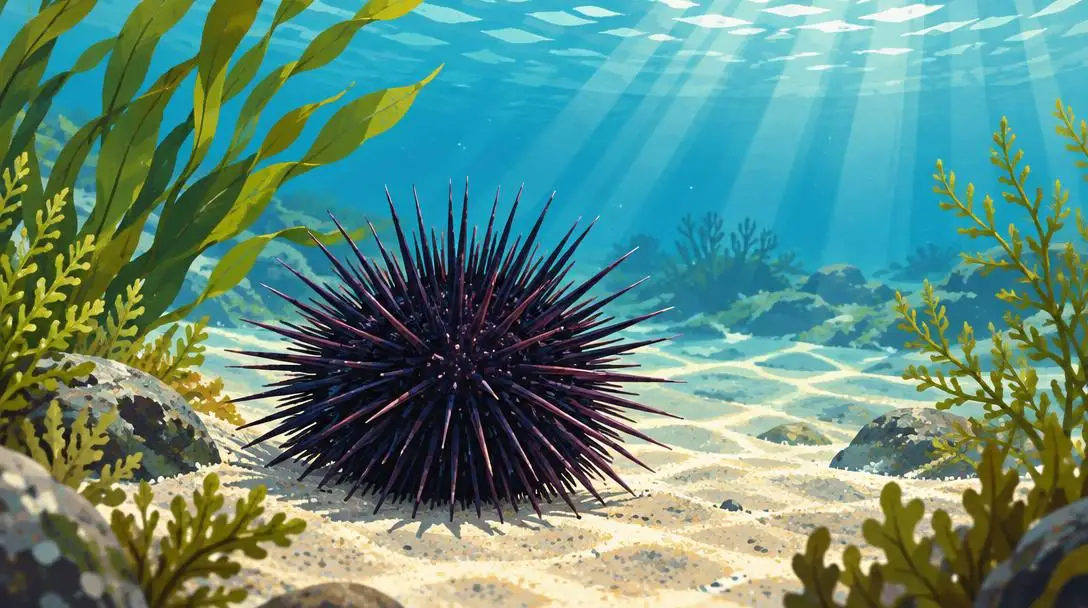
- Origin of fear: Traumatic snorkeling scare during an ocean vacation
- Symptom: Physical discomfort when viewing photographs of the animal
- Public venue: Referenced during live arena concert banter in Australia
Phobias are rarely rational, and Swift is not immune to visceral biological fears. Her most prominent personal aversion is directed toward spiny sea urchins. The phobia originated during an ocean snorkeling trip when an unexpected run-in with a sea urchin in open water left a lasting psychological mark. Since that traumatic event, Swift has acknowledged that even incidental encounters with still images or video footage of sea urchins can provoke intense discomfort.
Instead of concealing this peculiar dread, Swift has regularly woven her fear into spontaneous on-stage audience interactions. While performing an arena concert in Australia, she surveyed the venue and joked to the crowd: "I thought I saw a sea urchin over there. If you guys see any, just let me know and I’ll be sure to stay far away!" By addressing her phobia through self-effacing humor, she transforms a private vulnerability into a moment of shared, lighthearted connection with thousands of attendees.
Pennsylvania Christmas Tree Farm

- Location: Rural agricultural acreage in Pennsylvania
- Role: Operational family-owned seasonal business
- Musical tribute: 2019 holiday single "Christmas Tree Farm"
Long before packing international sports arenas, Swift spent her formative childhood years in a distinctly pastoral environment: an active Christmas tree farm in Pennsylvania. Because the property functioned as a genuine agricultural enterprise rather than a passive country estate, her upbringing required seasonal manual labor. Swift and her family participated in the demanding physical chores necessary to cultivate, maintain, and sell pine trees to holiday visitors.
Swift has frequently credited this demanding agricultural setting with establishing the rigorous work ethic that underpins her relentless touring and recording schedule. The environment also cultivated a deep-seated emotional attachment to the winter holiday season. In 2019, she formalized that nostalgia by writing and releasing "Christmas Tree Farm," an affectionate musical tribute celebrating the rural fields, family rituals, and snowy landscape that defined her youth.
The Number 13

- Origin date: Swift's birthday on December 13th
- Initial chart milestone: Debut album reached #13 on the Billboard 200
- Visual uses: Music video jerseys, concert tour staging, and hand artwork
In standard Western superstition, the number 13 is widely avoided as an omen of misfortune and disruption. Swift, however, boldly reclaimed the numeral, reframing it as an empowering personal lucky charm. Her personal connection to the number began at birth, having arrived on December 13th. The superstition gained positive momentum early in her professional career when her eponymous debut studio album climbed to the 13th position on the Billboard 200 chart.
Rather than downplaying the digit, Swift transformed it into an ubiquitous aesthetic signature across her visual brand. In the music video for "You Belong With Me," she wears an athletic jersey sporting the numeral 13. During earlier live tours, she routinely drew the number across the back of her hand with marker before stepping onto the stage. Later, during the Reputation Stadium Tour, the number was integrated directly into the set design, appearing on the rattle of a massive mechanical serpent.
Swift took a universally dreaded numerical signifier and turned it into an unmistakable hallmark of her visual and conceptual branding.
Vintage Polaroid Cameras

- Collection size: Hundreds of classic instant cameras
- Storage location: A dedicated room inside her private residence
- Creative applications: Visual inspiration for magazine spreads and album packaging
Swift’s artistic endeavors extend well beyond acoustic guitars and recording studios into the discipline of analog photography. Rather than relying exclusively on contemporary digital cameras, she has assembled an impressive collection of vintage Polaroid gear. In an interview with Rolling Stone, Swift revealed that her collection has grown to include hundreds of antique and retro instant cameras, which now occupy a dedicated room in her home.
This collecting habit is far more than a decorative indulgence. Swift actively operates the equipment, utilizing instant film chemistry to generate authentic tactile images. Her personal photography has directly influenced commercial album packaging, limited-edition promotional booklets, and editorial magazine features. In an era dominated by instantaneous digital files, her dedication to analog cameras underscores an enduring respect for physical artifacts and tangible creative processes.
How personal quirks shape Swift's creative identity
The idiosyncratic details of Swift’s life serve a clear functional purpose within her broader career. Rather than remaining isolated trivia points, these habits actively feed her songwriting, visual branding, and relationship with her audience.
- Translating memory into narrative: Swift uses specific biographical landmarks—such as her Pennsylvania agricultural upbringing—to ground her songwriting in authentic physical settings, providing emotional resonance in tracks like "Christmas Tree Farm."
- Inverting public folklore: By embracing her December 13th birthday and early Billboard chart milestones, she transformed a widely feared superstitious number into a unifying visual symbol for millions of listeners.
- Using humor to demystify celebrity: Openly joking about her intense aversion to sea urchins during massive stadium performances humanizes her image, replacing pop-star aloofness with relatable vulnerability.
- Bridging physical and digital art: Amassing hundreds of analog Polaroid cameras gives Swift a tactile creative outlet that sets her promotional artwork apart from sterile digital aesthetics.
- Sharpening structural discipline: Immersing herself in investigative crime procedurals reinforces her understanding of narrative tension, pacing, and human motivation, which surfaces in character-driven storytelling tracks.
Applying Swift's creative habits to your own projects
Swift's approach to cultivating hobbies, personal symbols, and storytelling discipline offers practical takeaways for anyone seeking to enrich their own creative output. The following organized steps show how to integrate these concepts into daily creative routines.
- Identify a meaningful personal symbol: Examine your personal calendar, memorable addresses, or milestone dates to locate an authentic recurring motif. Much like Swift reclaimed the number 13, integrate your chosen symbol into personal stationery, digital signatures, or sketchbook covers.
- Experiment with tactile analog tools: Step away from smartphone cameras and digital screens by acquiring an entry-level instant film camera or physical notebook. Emulate Swift's photography habit by capturing tangible snapshots that document creative ideas without digital manipulation.
- Deconstruct narrative media during leisure time: When watching procedural television series or reading mystery fiction, keep track of how the writers introduce clues, maintain suspense, and execute dramatic reveals. Use these structural insights to improve your personal essays, fiction, or lyrical writing.
- Draw creative inspiration from formative environments: Revisit memories of the physical spaces where you spent your early years, whether rural acreage, suburban neighborhoods, or urban apartments. Note specific sights, scents, and seasonal routines that can anchor your storytelling in vivid detail.
Common misconceptions about Swift's habits
When discussing celebrity pastimes and public personas, casual observers often misinterpret why artists adopt specific habits. Keep these common distinctions in mind:
- Assuming lucky numbers are accidental: Swift’s continuous integration of the number 13 on tour staging, video props, and album releases is an intentional conceptual choice, not a series of random coincidences.
- Dismissing camera collecting as pure decoration: While housing hundreds of Polaroid cameras requires substantial space, Swift actively shoots instant film, using her photography to guide packaging concepts and editorial layouts.
- Minimizing phobias as rehearsed comedy: Although Swift delivers jokes about sea urchins on stage with comedic timing, the aversion stems from an authentic, traumatic snorkeling incident in open water.
- Viewing crime procedurals as contradictory to pop music: Forensics-based crime television and narrative pop songwriting both depend fundamentally on understanding human conflict, hidden motives, and dramatic pacing.
- Idealizing farm upbringing as effortless leisure: Operating a commercial Christmas tree farm involves demanding, year-round physical maintenance, which Swift credits for instilling her professional stamina.
Frequently asked questions
Why does Taylor Swift consider the number 13 lucky?
Swift was born on December 13th, and her self-titled debut studio album reached the #13 position on the Billboard 200 chart. She chose to embrace these coincidences, subverting the traditional Western superstition surrounding the number into a career-long personal talisman.
What caused Taylor Swift's phobia of sea urchins?
Her intense fear originated during an ocean snorkeling trip on vacation, where she encountered a sea urchin unexpectedly in the water. The frightening encounter left her with an ongoing aversion to the creatures, to the point where even photographs of them cause discomfort.
Did Taylor Swift actually work on a Christmas tree farm?
Yes. Swift spent her formative childhood years living on an active, family-operated Christmas tree farm in Pennsylvania. Her family worked the agricultural business during the holiday seasons, an experience she later commemorated in her 2019 single "Christmas Tree Farm."
How many vintage cameras does Taylor Swift own?
In an interview with Rolling Stone, Swift stated that her collection includes hundreds of vintage Polaroid cameras, which are stored in a dedicated room inside her home and used for tactile creative projects.
Which crime television shows are Taylor Swift's favorites?
Swift has publicly named Law & Order, CSI, and Criminal Minds as regular staples of her viewing routine, and she previously shared her excitement on social media for the HBO limited mystery series The Night Of.
The bottom line
Taylor Swift's unprecedented status in popular music is undeniably driven by melodic intuition and songwriting acumen, but her enduring resonance is equally supported by the unique personal quirks that define her identity. Whether she is drawing creative pacing lessons from episodic police procedurals, laughing off a persistent marine phobia before thousands of concertgoers, or honoring her agricultural roots in holiday music, Swift illustrates how individual memories and distinct habits enrich artistic expression.
By transforming personal symbols like the number 13 into visual landmarks and maintaining tactile connections to analog media through vintage photography, she demonstrates the power of preserving one's idiosyncratic perspective. For fans and creative observers alike, her life shows that embracing specific memories, unconventional pastimes, and authentic vulnerabilities is essential to developing a voice that is distinctly, unmistakably your own.