Behind the Scenes of Celebrity Photoshoots: What Really Goes on
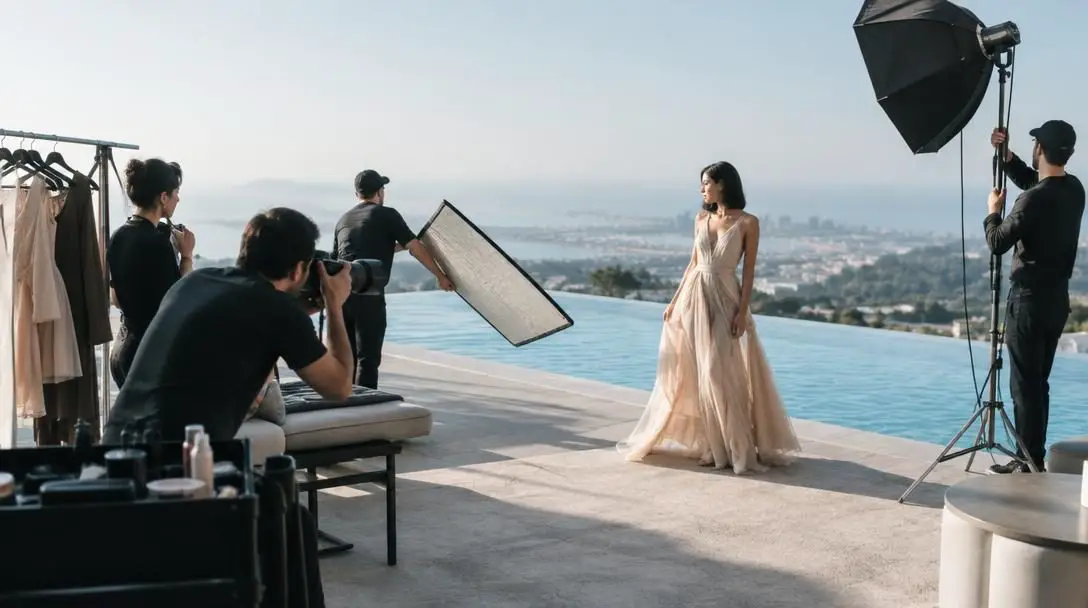
When an iconic celebrity photograph appears on the cover of a premier fashion magazine, spans a towering city billboard, or leads a luxury advertising campaign, the result radiates effortless grace. Viewers see an arresting expression, flawless styling, and lighting that feels natural and spontaneous. Yet beneath this polished veneer lies an intricate, high-stakes operational machinery that functions less like a quick portrait session and far more like a tightly choreographed motion-picture set.
Every single frame released to the public represents weeks of logistical groundwork, substantial financial investments, and the synchronized efforts of dozens of industry specialists. To understand how these cultural artifacts are forged, one must look past the velvet ropes and examine the structured phases, professional workflows, and unpredictable crises that define modern celebrity photography.
Key takeaways
- High-profile celebrity photoshoots are structured into three interdependent phases: pre-production, production, and post-production.
- Collaborative creative alignment between the client, creative leads, and the photographer sets the tone before a camera ever turns on.
- Real-time success relies on an agile set ecosystem where technical assistants, wardrobe stylists, and hair and makeup artists adjust details continuously between shutter actuations.
- Meticulous post-production and transparent revision protocols are critical to transforming raw exposures into balanced, publication-ready visual assets.
- Proactive risk mitigation—from perimeter security to backup power systems—prevents catastrophic delays caused by technical errors or public intrusion.
Deconstructing the Three Lifecycle Phases
The journey from an abstract marketing concept to a finished editorial layout requires an uncompromising workflow designed to limit unpredictable variables. By dividing production into three separate, sequential stages, creative teams ensure that artistic ambition remains bound to practical reality.
The Pre-Production Stage
The pre-production stage acts as the bedrock for the entire project. Without exhaustive preparation during this phase, even the most glamorous shoots can unravel into logistical chaos. During this period, the client and creative directors establish the foundational concept and narrative arc of the shoot. A high-fashion brief demands a visual language rooted in luxury, sophistication, and dramatic grandeur, necessitating ornate estates or avant-garde architectural studios. Conversely, a relaxed or candid celebrity profile requires open, natural environments like public parks, coastal beaches, or textured urban streetscapes.
Selecting the right photographer is among the most consequential pre-production choices. The photographer must not only possess a personal aesthetic that complements the brand vision, but they must also demonstrate the interpersonal dexterity needed to collaborate with demanding corporate clients and high-profile subjects. Initial meetings involve building comprehensive mood boards, establishing precise lighting diagrams, sourcing wardrobe options that match the talent's sizing and concept tone, and securing permits well in advance to prevent operational shutdowns.
The Production Stage
The production stage is where theoretical vision collides with the pressures of the physical set. This is the live execution window, where the photographer, technical crews, hair and makeup artists, and the talent converge to capture the required imagery under strict call-sheet timelines. The atmosphere on set is a study in controlled tension; the photographer must continually monitor complex lighting arrays, lens calibrations, and tethered display monitors while keeping the talent engaged, relaxed, and confident.
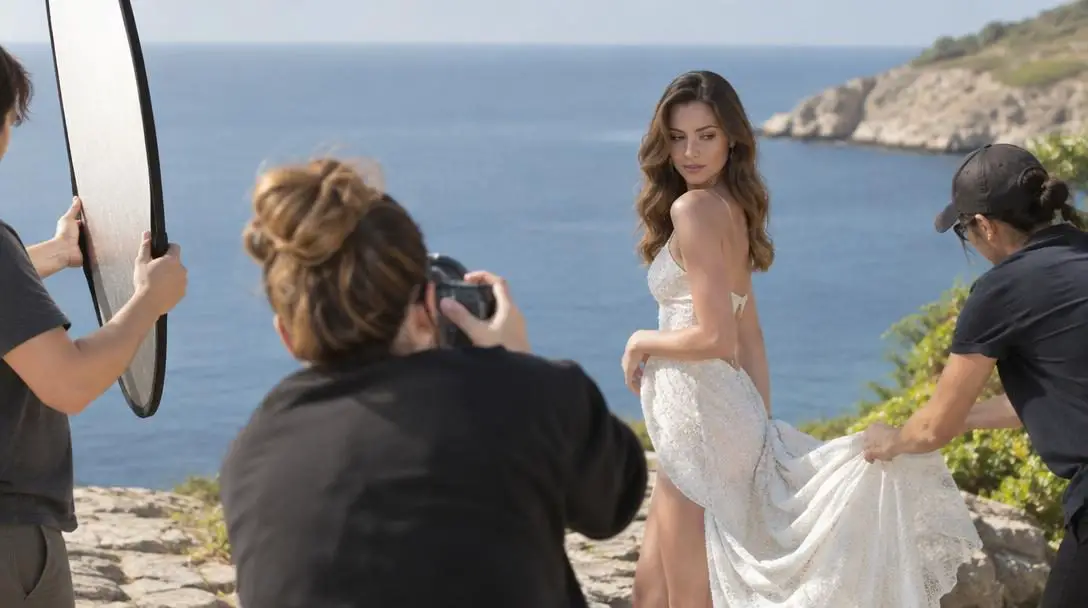
The physical workload on set is shared across a specialized crew. Photography assistants manage delicate strobes, position heavy grip equipment, replace light modifiers, and adjust reflectors on the fly. Simultaneously, glam teams remain stationed just outside the camera's frame line. Between individual shutter releases, hair stylists and makeup artists rush in to tame stray hairs, matte shiny skin, or adjust the drape of a couture gown. The goal is to maximize the efficiency of every second the talent is in front of the lens.
The Post-Production Stage
Once the talent wraps and the set is struck, the project enters the post-production stage. What took a single afternoon to shoot often takes days or weeks to process. The photographer and digital tech begin by narrowing down thousands of raw exposures to a refined curation of select frames. Graphic designers and master retouchers then take over, executing specialized color correction, dynamic range optimization, and tonal adjustments to unify the atmosphere across all final selections.
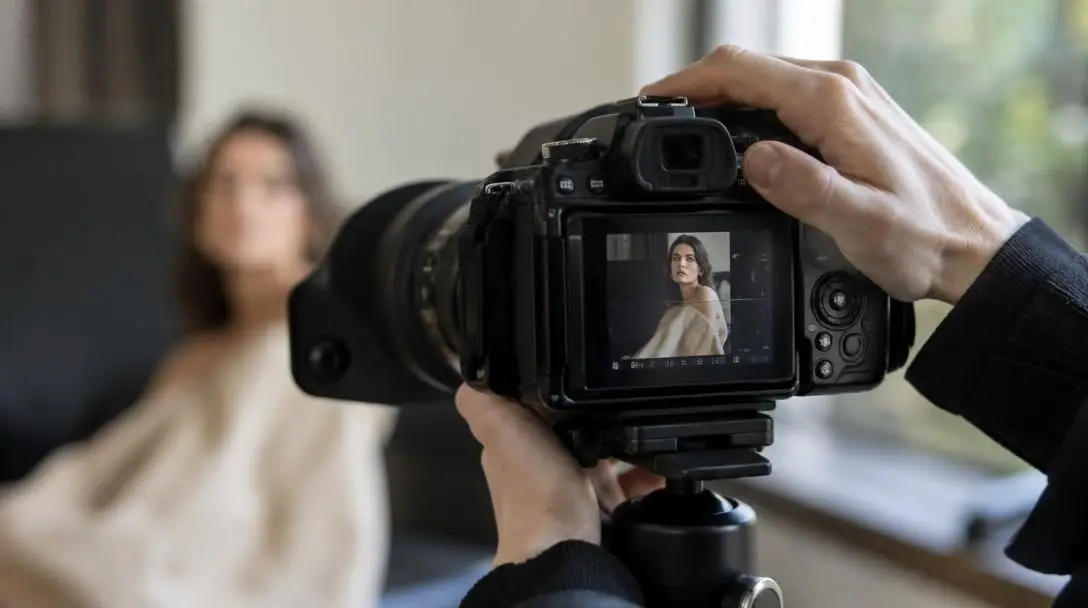
Post-production is also the phase where commercial elements integrate with fine art. Graphic artists format the imagery for various mediums, overlaying publication typography, corporate branding, or high-impact billboard text. The final phase involves structured review rounds with the client. Creative leads review the retouched proofs, submit change requests regarding skin texture, contrast, or composition, and grant the final approvals necessary for global distribution.
| Production Phase | Primary Objectives | Key Personnel | Critical Deliverables |
|---|---|---|---|
| Pre-Production | Concept creation, location scouting, crew assembly, and scheduling | Client, creative leads, photographer, producers, wardrobe stylists | Mood boards, call sheets, location permits, approved wardrobe pulls |
| Production | Live set execution, lighting mastery, talent direction, and touch-ups | Photographer, camera assistants, hair and makeup team, celebrity talent | Raw digital exposures, tethered preview libraries, backup asset drives |
| Post-Production | Image curation, digital retouching, color grading, and asset layout | Photographer, digital retouchers, graphic designers, client stakeholders | Color-corrected proofs, print-ready graphics, finalized master deliverables |
A Step-by-Step Blueprint for Photoshoot Execution
Executing a celebrity photoshoot demands a rigorous, repeatable process. High-profile productions rely on a six-step methodology to keep budgets intact, teams focused, and creative outputs consistent.
- Define the Creative Concept: Establish a clear vision, narrative, and aesthetic direction. The client and creative leads determine whether the project calls for high-fashion glamour, gritty street culture, or an approachable, casual atmosphere.
- Assemble the Crew and Talent: Hire a skilled photographer whose aesthetic aligns with the concept. Contract essential crew members, including wardrobe stylists, hair and makeup artists, and technical assistants.
- Source Locations and Coordinate Wardrobe: Choose environments that complement the narrative, whether a private luxury venue, a beach, a park, or an urban setting. Pull and fit all wardrobe selections to ensure they fit the talent and match the theme.
- Lock the Schedule: Align the complex calendars of the celebrity, client, photographer, and key crew members to set a definitive production date.
- Execute On-Set Production: Set up specialized lighting and equipment. Direct the talent while providing a comfortable environment, relying on hair, makeup, and wardrobe teams for continuous touch-ups.
- Edit, Retouch, and Deliver: Review all captures, select the strongest frames, and apply professional color correction and retouching. Add graphic elements, secure client approval, and finalize the assets for release.
The lifecycle of a celebrity shoot is structured to minimize uncertainty and maximize creativity.
Overcoming Common On-Set Pitfalls and Operational Hurdles
Even productions with massive budgets and veteran crews regularly encounter major obstacles. The difference between an amateur set and a world-class production is the ability to anticipate and neutralize these common hazards.
Scheduling Breakdowns and Calendar Clashes
Coordinating the professional availability of top-tier talent, celebrated photographers, high-demand stylists, and corporate executives is one of the most volatile parts of the business. A single scheduling error or miscommunicated call time can stall a set, costing thousands of dollars per idle hour. Production coordinators must confirm every participant’s arrival times, transit logistics, and dressing room assignments well before call time to maintain momentum.
Equipment Malfunctions and Technical Failures
Modern photoshoots operate on delicate, high-output electronic infrastructure. Strobe power packs fail, high-resolution cameras suffer sensor glitches, and tethering cables frequently lose communication with capture computers under heavy usage. Seasoned crews treat redundancy as a baseline requirement rather than an afterthought, ensuring that backup bodies, duplicate lenses, extra batteries, and spare continuous lights are on standby.
Managing Talent Demands and Creative Boundaries
Celebrities work in front of lenses constantly and often possess rigid convictions regarding their preferred lighting, flattering angles, or specific poses. A frequent breakdown occurs when production teams cater entirely to talent preferences at the expense of the client's creative brief—or vice versa. Navigating this dynamic requires diplomatic communication, ensuring the subject feels protected and respected while still delivering the artistic mandate the client paid for.
External Distractions, Crowds, and Paparazzi
When productions step outside the controlled confines of a soundstage, privacy vanishes rapidly. Public parks, city avenues, and beaches attract onlookers, autograph seekers, and aggressive paparazzi. If the production fails to establish a secure perimeter, the talent can quickly become self-conscious, tense, or distracted. Crews must deploy physical barriers, dedicated security personnel, and privacy screens to keep the shooting environment quiet, professional, and secure.
Over-Retouching and Post-Production Misalignment
The post-production suite is where subtle artistry can be undone by heavy-handed digital manipulation. Pushing skin smoothing too far, creating unnatural color profiles, or distorting anatomical proportions causes public backlash and violates modern aesthetic standards. Furthermore, when creative teams fail to maintain open lines of dialogue during client review rounds, revisions drag on indefinitely, inflating labor costs and threatening launch deadlines.
Strategic Best Practices for Long-Term Production Success
Creative directors, agency producers, and photographers looking to elevate their production output must approach every shoot with long-range strategic preparation. Successful campaigns are built long before the call sheet goes out.
First, rigorously evaluate the alignment between subject and concept. A creative treatment should never force a celebrity into a stylistic aesthetic that clashes violently with their public persona, unless subversive irony is the explicit brief. The choice of set—be it an aristocratic ballroom or an industrial warehouse—must seamlessly reinforce the styling, wardrobe, and subject to form a cohesive visual statement.
Second, establish a comprehensive on-set contingency plan. Technical errors are inevitable across a full production schedule. Producers must secure auxiliary power generators for outdoor sets, duplicate memory storage across multiple physically separate hard drives before leaving location, and draft emergency weather contingency plans for exterior setups.
Third, deliberately foster talent comfort and open communication. The photographer's primary instrument is not the camera, but the rapport they build with the person standing before it. By taking the subject’s comfort into account, explaining lighting concepts clearly, and playing preferred music on set, the crew builds the psychological safety necessary to capture candid, vulnerable, and extraordinary visual moments.
Finally, standardize a structured client approval workflow. Clearly delineate how many rounds of revision the client is entitled to, set unambiguous deadlines for markup feedback, and ensure that graphic designers, retouchers, and art directors work from calibrated color profiles. This clarity prevents scope creep and ensures the final release matches the creative brief approved in pre-production.
Frequently asked questions
Why do celebrity photoshoots require so many crew members?
A celebrity photoshoot operates like a film production, requiring specialized professionals to handle lighting, camera mechanics, continuous wardrobe fitting, hair touch-ups, makeup maintenance, and location logistics simultaneously. This distribution of labor allows the photographer to focus entirely on directing the talent and framing the shot.
How are photoshoot locations selected?
Locations are chosen based on how well they reinforce the creative narrative. High-fashion concepts are typically matched with luxurious estates or pristine architectural studios, while casual or lifestyle concepts are paired with accessible outdoor settings like public parks, urban streets, or coastal beaches.
What role do assistants play on set during the shoot?
Photography assistants are indispensable for operational continuity. They manage heavy grip gear, adjust strobe positions and light modifiers in real time, monitor tethered computers, manage cables, and quickly resolve unexpected technical glitches so shooting never stalls.
What happens during the post-production stage?
Post-production involves culling thousands of images to select the strongest frames, followed by color grading, digital retouching, and the addition of graphic design elements such as logos or magazine typography. It culminates in structured client review rounds to implement final revisions before public release.
How do production teams deal with paparazzi and fans on location?
Productions establish perimeter controls, deploy physical privacy screens, and utilize security personnel to protect outdoor and public shooting environments. Keeping external distractions away ensures the celebrity remains relaxed, focused, and safe.
The bottom line
The captivating, effortless photographs of celebrities that dominate our visual culture are not fortunate accidents of natural beauty; they are the intentional outcome of a demanding, multidisciplinary production pipeline. From the initial conceptual brainstorms and location scouting of pre-production to the intense, fast-moving choreography of the live set and the meticulous digital craftsmanship of post-production, every frame represents total operational collaboration. When artistic clarity, robust contingency planning, and empathetic human direction converge, the result is iconic imagery that cuts through the noise of the global media landscape.