From Superheroes to Celebrities: The Top Fortnite Skin Crossovers
The rise of the battle royale genre reshaped modern interactive entertainment, building upon foundational survival mechanics pioneered by titles like DayZ and PUBG. In these early environments, players parachuted into vast maps, scavenged for weapons, and battled until a single survivor remained. Yet while earlier titles established the structural blueprint, Fortnite catapulted the genre into a worldwide cultural phenomenon. Developed and published by Epic Games, the title shifted from its roots as a cooperative survival concept into an omnipresent virtual arena, welcoming tens of millions of competitors alongside the biggest personalities on the planet.
Rather than confining its digital universe to home-grown lore, Epic Games turned the island into a living billboard and interactive playground. Through massive promotional alliances spanning cinema, professional athletics, competitive music, and streaming, the developer re-engineered how entertainment properties reach modern audiences. In Fortnite, character skins do not simply mirror pop-culture trends; they allow players to embody their personal heroes and bridge the gap between passive fandom and active play.
Key takeaways
- Epic Games expanded Fortnite beyond a standard battle royale into a dynamic cultural platform through high-profile entertainment partnerships.
- Iconic crossovers span diverse fields, incorporating pop stars, Marvel superheroes, NBA icons, YouTube personalities, and professional wrestlers.
- All collaborative character outfits remain purely cosmetic, maintaining competitive fairness without conferring weapon bonuses or health advantages.
- Players acquire licensed skins using V-Bucks through daily storefront rotations, seasonal Battle Passes, or limited-time gameplay tournaments.
The defining celebrity and franchise collaborations
Over multiple chapters and continuous content seasons, the island has welcomed a sweeping cast of global icons. From historic live-service virtual concerts to comic book supervillains, these collaborations represent crucial touchstones in the game's evolution from a simple shooter to a cross-media juggernaut.
Marshmello
- Debut timing: Season 7
- Field: Electronic music production
- Key cosmetics: Stage outfit skin and rhythmic electronic dance emotes
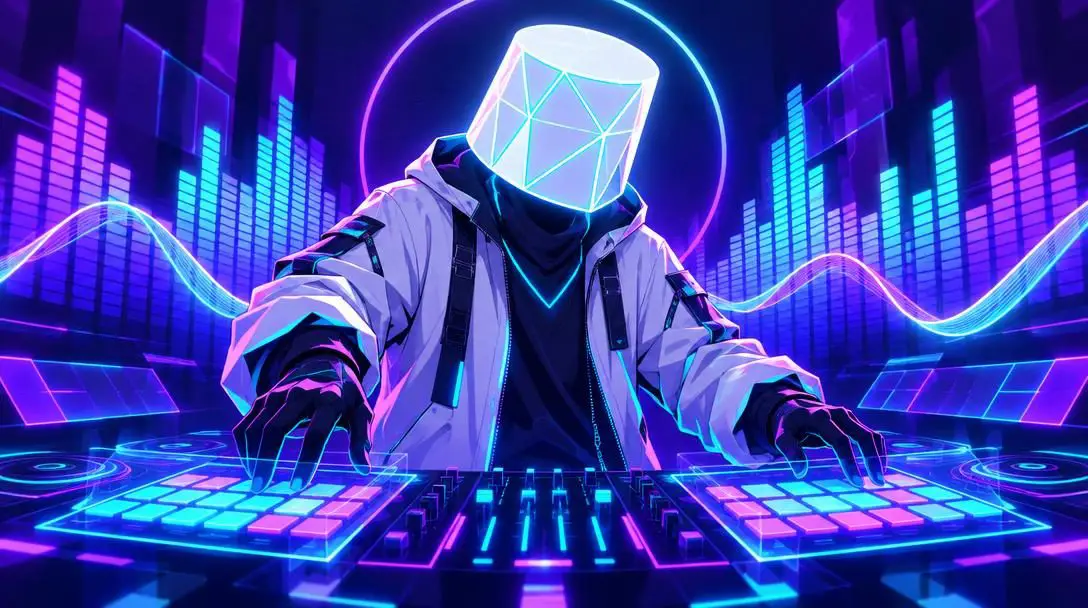
The introduction of electronic music producer DJ Marshmello served as an undeniable tipping point for Fortnite. While previous partnerships had tested the waters of digital marketing, Marshmello's arrival in Season 7 was the first collaboration to completely capture the imagination of Generation Z. Epic Games added an outfit modeled after the artist's iconic, glowing stage helmet and monochrome attire directly to the Item Shop. Alongside the visual design, players could trigger musical emotes synchronized with Marshmello's signature electronic beats, demonstrating the potential for music and interactive gaming to thrive together.
John Wick
- Debut timing: 2019
- Field: Hollywood film franchise
- Key cosmetics: Tailored hitman suit and thematic weapon accessories
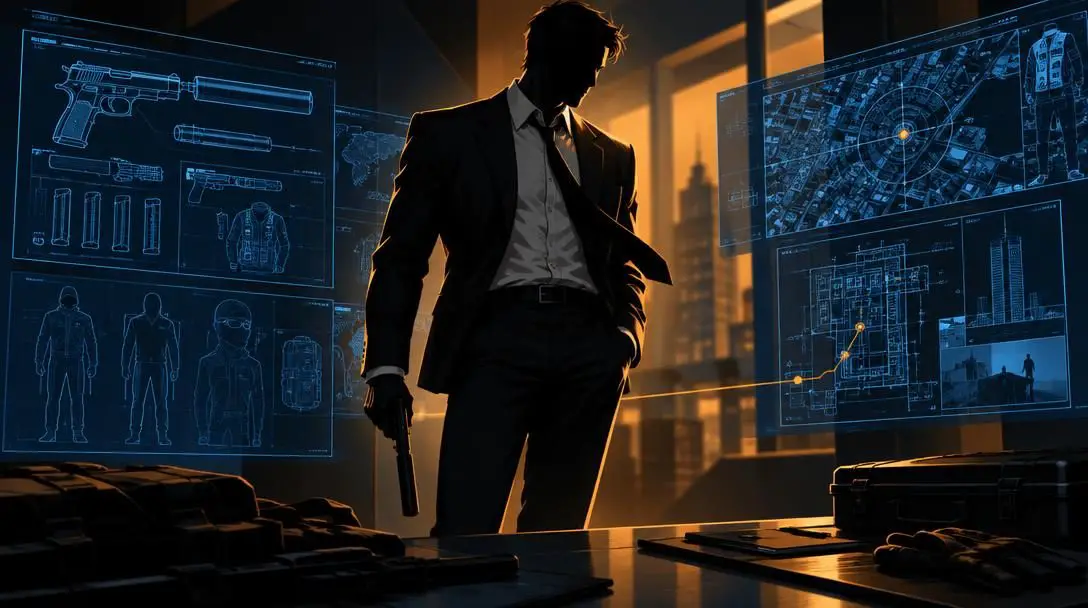
Internet sentiment around gaming franchises can be notoriously fractured, but Hollywood star Keanu Reeves helped bridge generational divides when his legendary hitman persona arrived on the island in 2019. Released to widespread acclaim, the John Wick skin brought a sleek, cinematic edge to the battle royale. Players flocked to the storefront to equip the stoic assassin in his trademark dark suit. In tandem with the outfit, the release included a series of dedicated in-game challenges that gave participants the opportunity to earn exclusive John Wick cosmetics, weapon wraps, and thematic accessories.
Travis Scott
- Debut timing: 2020 (Chapter 2)
- Field: Hip-hop music
- Key cosmetics: Playable artist outfit and Astronomical event items
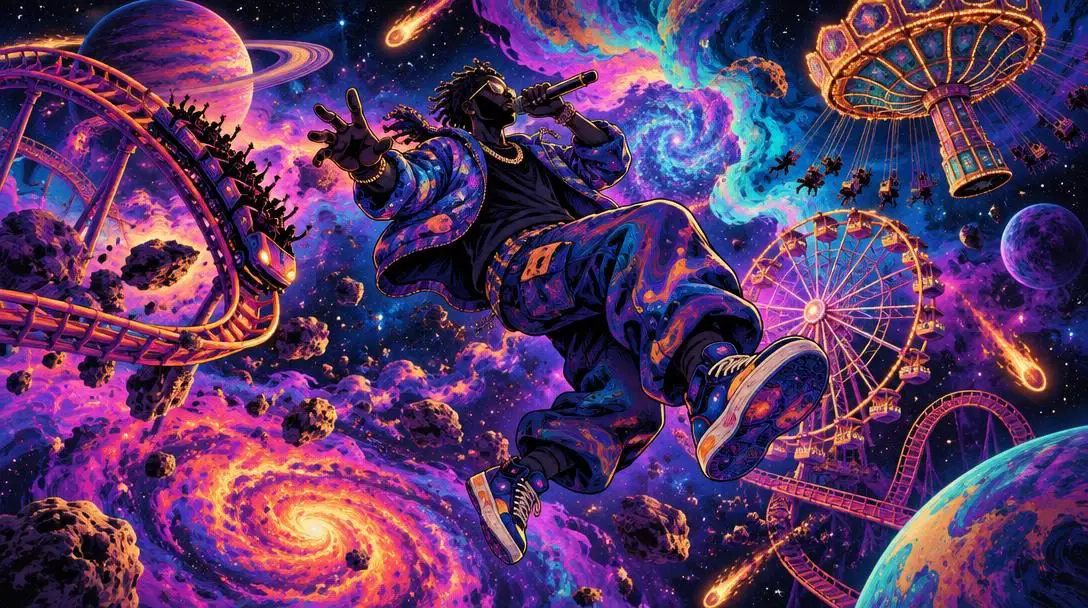
During the unprecedented global lockdowns of the COVID-19 pandemic in 2020, rapper Travis Scott teamed up with Epic Games for the Astronomical virtual concert series. Drawing an astounding audience of 45 million attendees across its showings, the performance shattered conventional expectations of what an in-game event could achieve. Scott simultaneously launched as an official playable character, complete with surreal visual variations. Reflecting on the monumental scale of the creative partnership, Scott remarked: "Just being able to get some of my ideas off in a game, and for people to play at the crib (has been amazing)."
Thanos and Marvel
- Debut timing: Premier crossover following three non-collaborative seasons
- Field: Comic books and cinematic universes
- Key cosmetics: Infinity Gauntlet transformation, followed by extensive hero skins
Marvel's modern cinematic supremacy—sparked by the 2008 release of Iron Man—laid the groundwork for one of the longest-running corporate relationships in digital entertainment. After navigating its initial three seasons without any licensed external intellectual property, Epic Games broke new ground by welcoming the villain Thanos to the battle royale map. Combatants who located the Infinity Gauntlet were physically transformed into the Mad Titan himself, gaining earth-shattering combat powers for the duration of the match. This breakthrough collaboration opened the floodgates for later Marvel staples, including Spider-Man, Deadpool, and Doctor Strange.
By turning external intellectual property into playable cosmetics, Fortnite converted passive pop-culture consumption into an interactive social milestone.
LeBron James
- Debut timing: Premiered alongside Space Jam: A New Legacy
- Field: Professional basketball (NBA)
- Key cosmetics: Tune Squad uniform, streetwear style, and court celebration emote
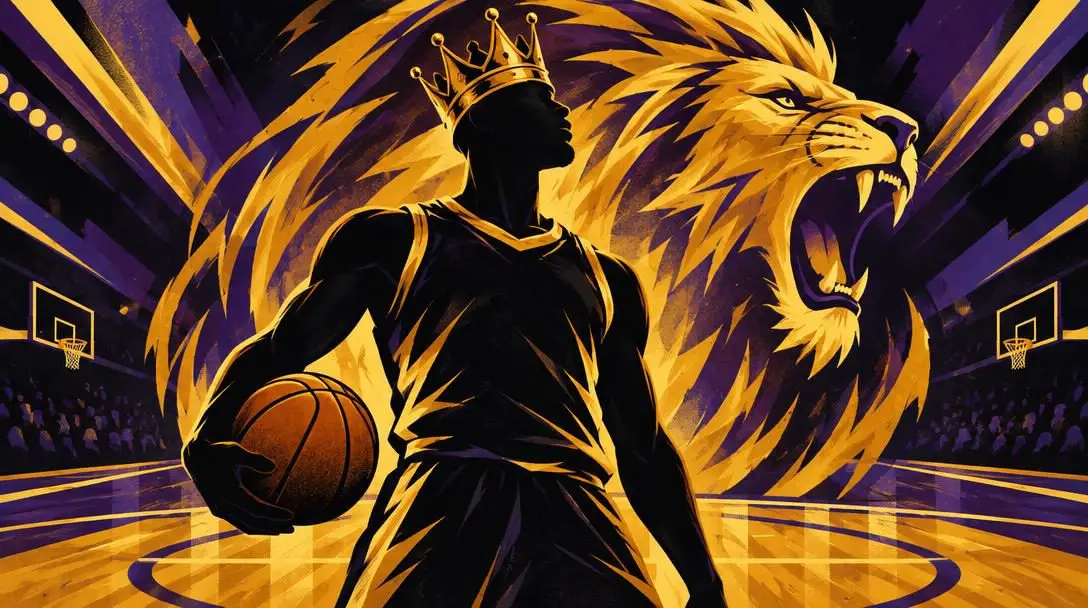
When Warner Bros. launched Space Jam: A New Legacy, basketball icon LeBron James brought championship athletic royalty to the battle royale. The bundle stood out for its versatile styling options, allowing users to alternate between James's crisp off-court streetwear fashion and his animated Tune Squad athletic jersey. Although some community members found his lion-themed harvesting pickaxe an eccentric design departure, the bundle quickly cemented itself as a fan favorite, completed by an emote featuring his famous real-world court celebration.
MrBeast
- Debut timing: 2022
- Field: Digital content creation and YouTube
- Key cosmetics: Signature playable outfit and exclusive tournament glider umbrella
Recognizing the unmatched cultural currency of internet creators, Epic Games partnered with Jimmy Donaldson—better known as MrBeast—in 2022. Renowned worldwide for his high-stakes challenges and philanthropic endeavors, Donaldson brought his spectacle-driven brand directly to the island. The partnership featured a massive competitive tournament boasting a $1 million cash prize, an unlockable glider umbrella for top-scoring competitors, and an in-game avatar replicating MrBeast's casual visual identity.
Ariana Grande

- Debut timing: Chapter 2, Season 7
- Field: Pop music
- Key cosmetics: Rift Tour interactive skins and celestial accessories
Pop superstar Ariana Grande entered the Fortnite universe in Chapter 2, Season 7, kicking off her Rift Tour inside the game's digital coordinates. The interactive musical experience immersed millions of players in vibrant, dreamlike dimensions while Grande's chart-topping tracks provided the soundtrack. Reflecting on the ambitious digital performance, Grande stated: "Working with Epic and the Fortnite team to bring my music to life inside the game has been so fun and such an honor." Her playable skin arrived with glowing celestial aesthetics, giving pop enthusiasts a high-profile tribute to one of music's biggest names.
John Cena
- Debut timing: Chapter 3, Season 3
- Field: World Wrestling Entertainment (WWE)
- Key cosmetics: Entrance gear, ring attire variants, and thematic harvesting tools
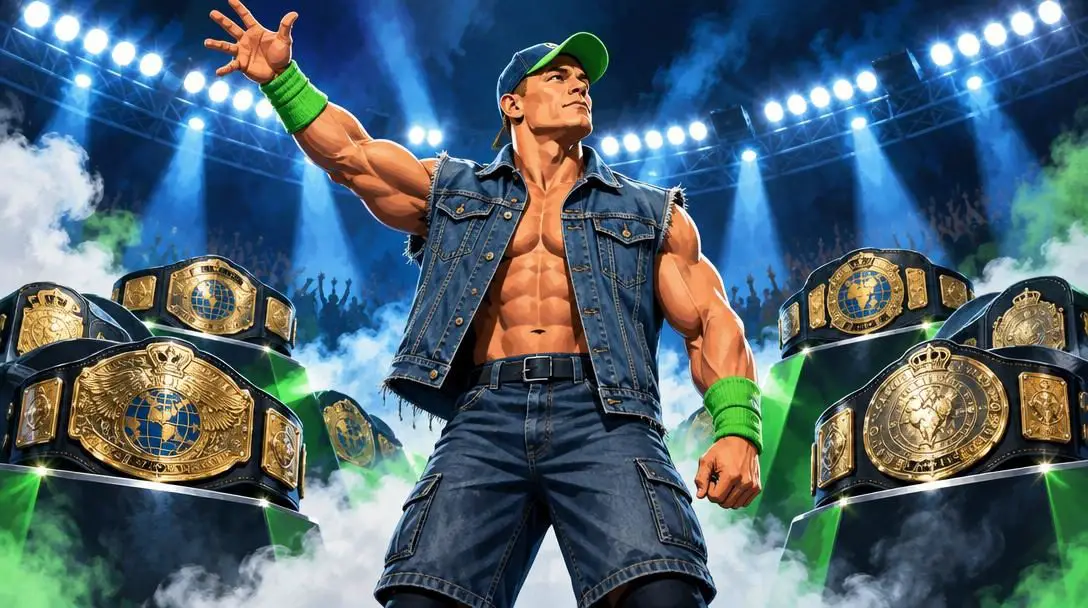
The energetic, theatrical universe of World Wrestling Entertainment found its natural extension on the island during Chapter 3, Season 3. John Cena made history as the very first WWE superstar introduced to the title's roster. His character model featured his iconic green jorts, sweatbands, and entrance gear, allowing wrestling enthusiasts to dominate lobbies with his larger-than-life persona. Following the positive reception to his debut, Cena publicly expressed an eagerness to explore additional collaborative avenues inside the game in the future.
Patrick Mahomes
- Debut timing: Chapter 3, Season 3
- Field: Professional American football (NFL)
- Key cosmetics: Custom athletic gear, gladiatorial accessories, and alternate styles
The National Football League was among the earliest professional sports organizations to secure space within Fortnite, initially releasing interchangeable team uniforms. The football presence attained an entirely new peak in Chapter 3, Season 3, when Kansas City Chiefs quarterback Patrick Mahomes landed in the Item Shop. Arriving between his real-life Super Bowl championship victories, Mahomes entered the fray with custom armored variants, gliders, and gladiatorial accents, celebrating the modern elite of professional sports.
At a glance: Iconic Fortnite crossovers
The game's collaborative history encompasses figures across multiple industries. The following overview compares how these major crossovers made their debut on the island.
| Collaborator | Industry | Introduction Phase | Promotional Highlight |
|---|---|---|---|
| Marshmello | Electronic Music | Season 7 | Pioneering artist collaboration with rhythmic dance emotes |
| John Wick | Cinema | 2019 | Keanu Reeves crossover with special cosmetic challenge rewards |
| Travis Scott | Hip-Hop Music | Chapter 2 (2020) | Astronomical live concert drawing 45 million attendees |
| Thanos | Comics / Cinema | Post-Season 3 | First major IP crossover featuring the Infinity Gauntlet mechanic |
| LeBron James | Professional Basketball | Chapter 2 | Space Jam tie-in with Tune Squad and streetwear styles |
| MrBeast | Online Content | 2022 | Dedicated tournament featuring a $1 million competitive prize |
| Ariana Grande | Pop Music | Chapter 2, Season 7 | Interactive Rift Tour concert launch |
| John Cena | WWE Wrestling | Chapter 3, Season 3 | First professional wrestling personality in the game |
| Patrick Mahomes | NFL Football | Chapter 3, Season 3 | First solo NFL star skin, released between Super Bowl wins |
How character crossovers work inside Fortnite
To navigate the ecosystem of licensed skins, players must grasp how virtual goods operate within Epic Games' live-service framework. These systems ensure balanced competitive matches while running a dynamic virtual marketplace.
- Purely cosmetic design: Collaborative skins provide no mechanical advantage. Whether a player drops in as a standard default avatar or an armored superhero, base health, running velocity, weapon handling, and damage stats remain identical across every participant.
- Full character bundles: High-profile drops regularly accompany matching harvesting tools (pickaxes), back bling (decorative items worn on the avatar's back), gliders (deployed during map descents), and custom emotes (animations capturing famous dances or signature poses).
- V-Bucks virtual currency: Storefront transactions rely on V-Bucks, Epic's proprietary digital currency. Players can obtain V-Bucks via direct real-world currency purchases or accrue them gradually through seasonal progression systems.
- Rotating Item Shop storefront: The Item Shop does not hold an open library of every historical release. The digital inventory cycles daily, meaning collaborative outfits appear for limited windows before disappearing into the vault for indefinite periods.
- Battle Pass exclusivity: Select major icons—including Marvel's Deadpool and Spider-Man—were integrated directly into seasonal Battle Passes. In these scenarios, players were required to acquire the pass and complete themed gameplay milestones during that specific season to unlock the outfit permanently.
Step-by-step guide to acquiring crossover skins
Securing limited-edition crossover items requires deliberate timing and account preparation. Follow these straightforward steps to ensure you are ready whenever a desired collaboration enters the storefront rotation.
- Establish and secure your Epic Games account: Connect your console or PC platform to a verified Epic Games account. Enable two-factor authentication (2FA), which secures your purchase history and satisfies the eligibility prerequisites for competitive cosmetic tournaments.
- Secure your V-Bucks balance ahead of time: Because crossover bundles rotate out quickly, preload your account with necessary currency. Having V-Bucks ready prevents missed purchases when daily rotations reset.
- Track daily Item Shop updates: Monitor the storefront via the game client or official companion services each day at rotation time to catch re-released or newly arriving character models.
- Check for associated in-game quests: Certain skins and event accessories—such as the John Wick cosmetic rewards or MrBeast's umbrella glider—require clearing gameplay challenges or scoring tournament points rather than simple storefront purchases.
- Preview alternate styles in the locker: Inspect the full bundle preview before buying to confirm whether alternate attire, reactive lighting, or special emotes are included with the base character model.
Mistakes to avoid when chasing collaborative cosmetics
The excitement surrounding limited releases can sometimes lead players into costly missteps. Avoiding these common traps will protect both your financial resources and your gaming account.
- Falling for third-party marketplace scams: Vaulted outfits like Travis Scott frequently attract bad actors. Third-party websites claiming to sell skin codes or vaulted avatars are fraudulent and breach Epic's terms of service. All authentic transactions occur exclusively through the official Item Shop or platform marketplace.
- Assuming vaulted skins return on fixed dates: Many players falsely believe every crossover returns to the store predictably. Because these skins rely on external licensing contracts, tie-ins linked to specific movie releases or real-world tours may vanish for months or years once promotional agreements lapse.
- Believing hitbox size myths: A persistent misconception suggests that large characters, like armored titans, have larger hitboxes that make them easier to shoot, or that slender pop stars provide competitive stealth. In reality, Epic standardizes underlying hit detection across all character skeletons to maintain balance, though bulkier designs may slightly obscure your camera view.
- Overspending on unwanted bundle extras: Buying an entire bundle when you only intend to equip the primary character skin needlessly depletes your V-Bucks. Always evaluate whether you will realistically use the included pickaxe, wrap, or emote before spending the higher bundle price.
Looking ahead in the battle royale arena
As media corporations continue to embrace interactive games as cultural venues, collaborations will remain central to the battle royale ecosystem. Navigating future releases requires players to practice sustainable in-game budget management, setting clear spending boundaries so virtual funds are on hand when a dream partnership arrives unannounced.
Furthermore, players should look beyond the Item Shop to anticipate dynamic in-game events. As demonstrated by the groundbreaking musical showcases of Travis Scott and Ariana Grande, top-tier collaborations often transform the island itself through temporary environmental shifts, novel game modes, and communal spectacles. By monitoring official development announcements and tracking entertainment trends across sports leagues, comic franchises, and music charts, participants can stay ready for the next legendary icon to drop onto the island.
Frequently asked questions
Do crossover skins provide any gameplay or damage advantages?
No. All character outfits in Fortnite are strictly cosmetic. They do not alter basic combat mechanics, boost weapon damage, improve shield health, or adjust movement speed, ensuring competitive balance across all players.
Can skins locked behind past Battle Passes be purchased in the Item Shop?
Historically, licensed characters released through seasonal Battle Passes—such as Deadpool or Spider-Man—were exclusive to those specific seasons. Once the season ended, those exact Battle Pass outfits became unavailable to purchase in the daily Item Shop.
How much do celebrity and franchise skins generally cost?
Individual crossover character skins typically cost between 1,500 and 2,000 V-Bucks in the Item Shop. Complete bundles containing matching harvesting tools, gliders, and custom emotes generally carry a higher price point.
How often do licensed celebrity skins return to the storefront?
There is no guaranteed schedule for the return of collaborative skins. Their reappearance depends on active licensing agreements with intellectual property holders, promotional anniversaries, or special franchise events.
Who was the first professional wrestler featured in Fortnite?
WWE superstar John Cena was the first professional wrestling talent introduced to the game, making his debut during Chapter 3, Season 3.
The bottom line
Fortnite revolutionized the live-service gaming space by turning its battle royale island into an interactive cultural epicenter. Through partnerships with global music icons like Marshmello and Ariana Grande, Hollywood juggernauts like John Wick and Marvel, athletic royalty like LeBron James and Patrick Mahomes, and digital trailblazers like MrBeast, Epic Games established a collaborative framework that bridges entertainment mediums. For players, understanding how cosmetics rotate, maintaining account security, and approaching storefront purchases thoughtfully ensures the best possible experience across every season.