How To Eat To Look Younger

Taking proactive measures to look younger begins by evaluating what goes onto your plate at every meal. While anti-aging serums, topical creams, and cosmetic treatments are standard tools in aesthetic care, the foods you consume provide the true raw materials required to sustain human biology. Nutrition supplies the fundamental structural compounds needed to build firm skin, fortify hair, strengthen nails, and ensure that vital internal organs function at their highest capacity.
Biological aging is driven by cumulative cellular wear and tear that mounts over the years. As cells continuously divide, repair tissue, and resist internal and external pressures, poor dietary habits can starve tissues of critical protection and hasten degradation. Conversely, prioritizing a nutrient-dense diet floods the bloodstream with protective compounds that optimize internal health, creating a vibrant, rested, and visibly younger appearance that cosmetics alone cannot replicate.
Key takeaways
- Cellular aging is accelerated by oxidative damage from free radicals and chronic systemic inflammation.
- Antioxidant-dense foods like berries, green tea, and extra virgin olive oil shield healthy tissues from daily biological wear.
- Long-chain omega-3 fatty acids found in fatty fish, oysters, and select seeds calm inflammation and fortify the skin barrier.
- Orange vegetables supply beta carotene for a radiant skin tone alongside vitamin C to drive structural collagen formation.
- Dietary vitamin D from eggs, fish, and liver supports cellular longevity without exposing skin to destructive ultraviolet sun rays.
The Biological Mechanisms Driving Cellular Aging
To understand why specific foods transform your appearance, it is essential to examine the underlying biological processes that govern cellular degradation. Visible aging is not merely an aesthetic concern; it is the outward expression of ongoing biochemical changes across your skin and internal organs. When the body lacks targeted nutritional support, four primary pathways accelerate physical decline: oxidative stress, chronic low-grade inflammation, impaired collagen synthesis, and diminished nutrient production.
Free radicals are unstable molecules generated during normal metabolism and amplified by environmental stressors. When free radicals outnumber protective compounds, they initiate oxidative stress, attacking cellular membranes, damaging DNA, and breaking down elastin fibers. Simultaneously, persistent systemic inflammation silently degrades healthy tissue, causing the skin matrix to lose its suppleness and resilience.
True anti-aging begins from the inside out, where targeted cellular nutrition creates the lasting structural vitality reflected in your skin, hair, and nails.
Furthermore, the dermal architecture depends heavily on consistent protein synthesis. Without vital cofactors like vitamin C, fibroblasts cannot assemble sturdy collagen, resulting in a loss of dermal thickness and elasticity. Compounding this challenge, the aging body naturally loses its capacity to synthesize critical compounds, including vitamin D, making dietary intake of these micronutrients essential for maintaining cellular defense systems.
At a Glance: Core Anti-Aging Foods and Nutrients
| Food Category | Key Nutrients | Primary Biological Target | Visible Anti-Aging Effect |
|---|---|---|---|
| Berries, Olive Oil, Green Tea, Dark Chocolate | Antioxidants, polyphenols, flavanols | Oxidative stress and reactive free radicals | Slows cellular degradation, revitalizes tired complexions |
| Salmon, Flaxseeds, Chia Seeds, Oysters, Walnuts | Long-chain omega-3 fatty acids | Chronic systemic inflammation | Supple skin barrier, reduced irritation, structural support |
| Carrots, Pumpkins, Sweet Potatoes, Squash | Beta carotene, vitamin C | Fibroblast activity and skin coloration | Enhances natural skin glow, drives collagen formation |
| Whole Eggs, Liver, Cold-Water Fish | Vitamin D, bioavailable lipids | Sun-induced cellular decline and synthesis loss | Defends against UV-mediated damage and premature skin thinning |
Antioxidant Powerhouses to Defend Against Free Radicals
Antioxidants are the first line of defense against free radical damage. By scavenging these unstable molecules before they alter cellular structures, antioxidant-rich foods preserve skin elasticity and slow cellular breakdown.
Blueberries and Mixed Berries
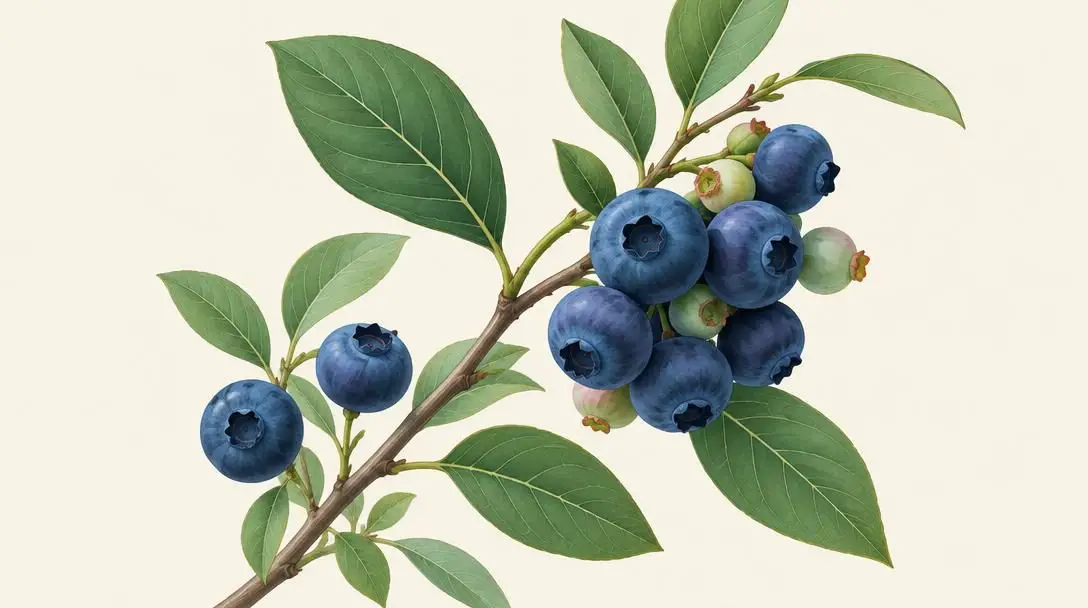
Blueberries, alongside blackberries, raspberries, and strawberries, are concentrated sources of anthocyanins and plant polyphenols. These bioactive compounds intercept reactive oxygen species within the bloodstream, protecting cellular membranes from lipid peroxidation and keeping dermal layers resilient against daily environmental stressors.
Extra Virgin Olive Oil
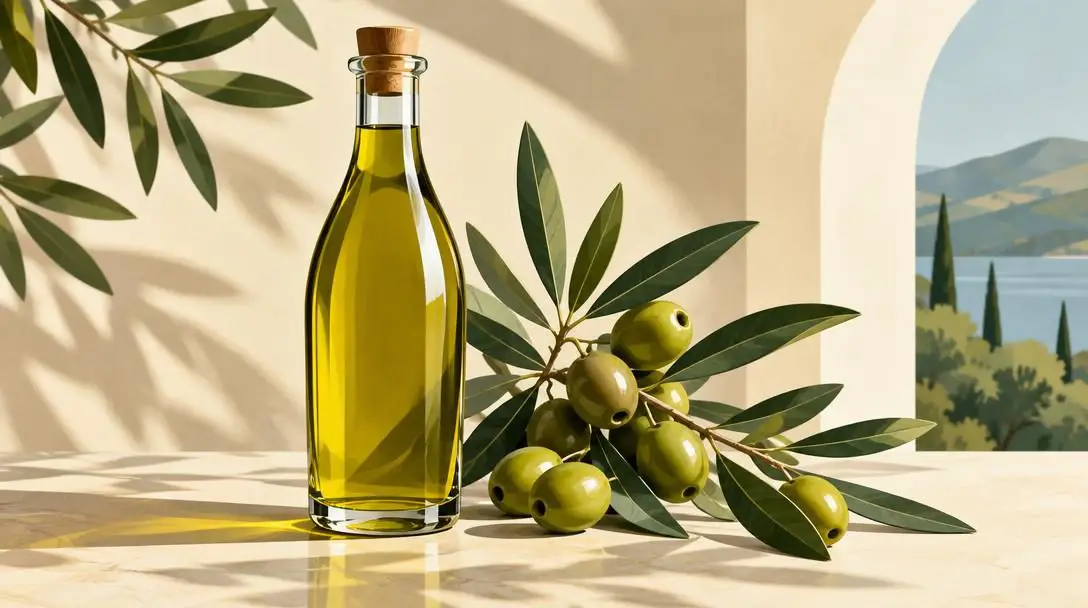
An indispensable pillar of healthy eating, extra virgin olive oil delivers powerful antioxidant fractions alongside monounsaturated fatty acids. Its unrefined polyphenols protect internal organs from oxidative degradation while offering skin cells the lipid building blocks required to preserve softness, hydration, and cellular integrity.
Dark Chocolate
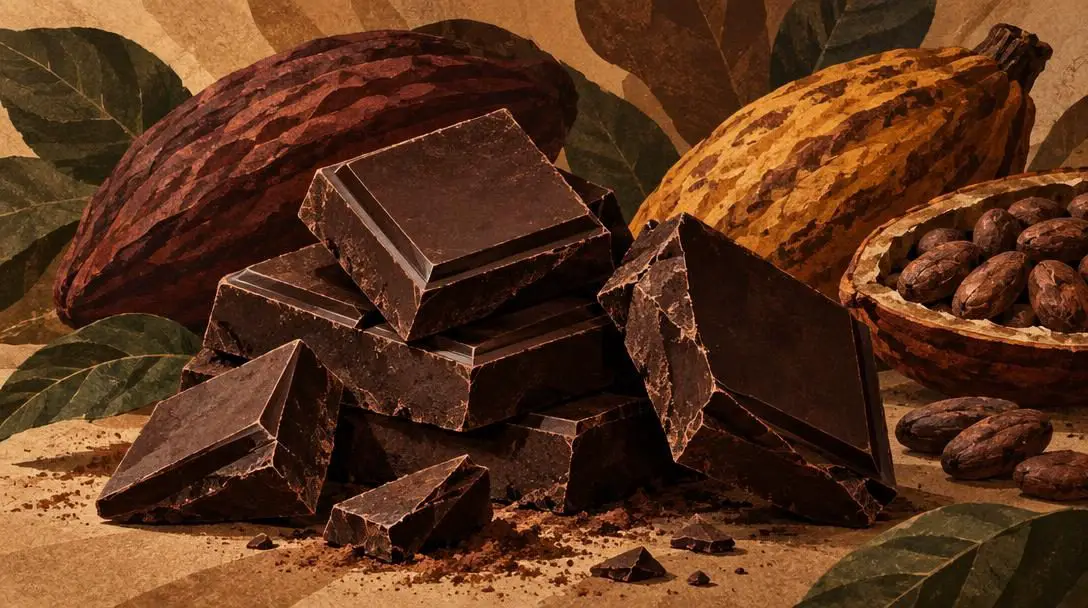
High-cocoa dark chocolate is densely packed with dietary flavanols that demonstrate potent free radical scavenging capabilities. Incorporating moderate portions of minimally processed dark chocolate supports microcirculation, ensuring oxygen and vital micronutrients reach peripheral tissues and the outermost dermal layers.
Green Tea

Green tea is steeped in epigallocatechin gallate (EGCG) and an array of catechin antioxidants. Consuming green tea on a regular schedule neutralizes systemic oxidation, shielding cellular DNA from age-related degradation and promoting clearer, fresher-looking skin.
Omega-3 Fatty Acids to Soothe Chronic Inflammation
While acute inflammation serves as a necessary immune response, chronic internal inflammation causes subtle, continuous tissue damage. Incorporating foods rich in long-chain omega-3 fatty acids helps suppress inflammatory cascades and reinforces the physical structure of cell walls.
Fatty Fish and Salmon
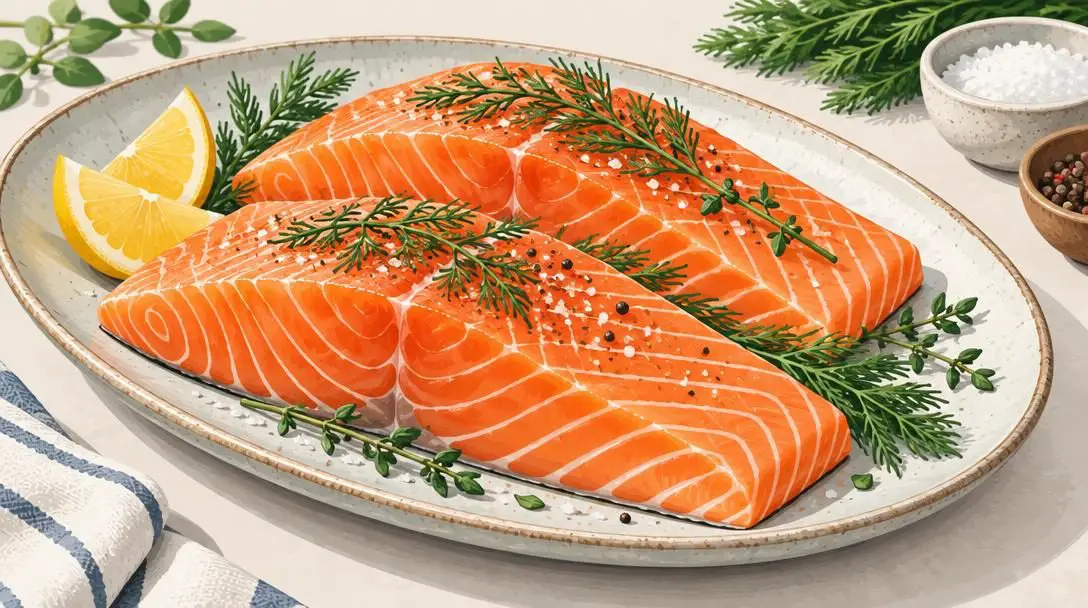
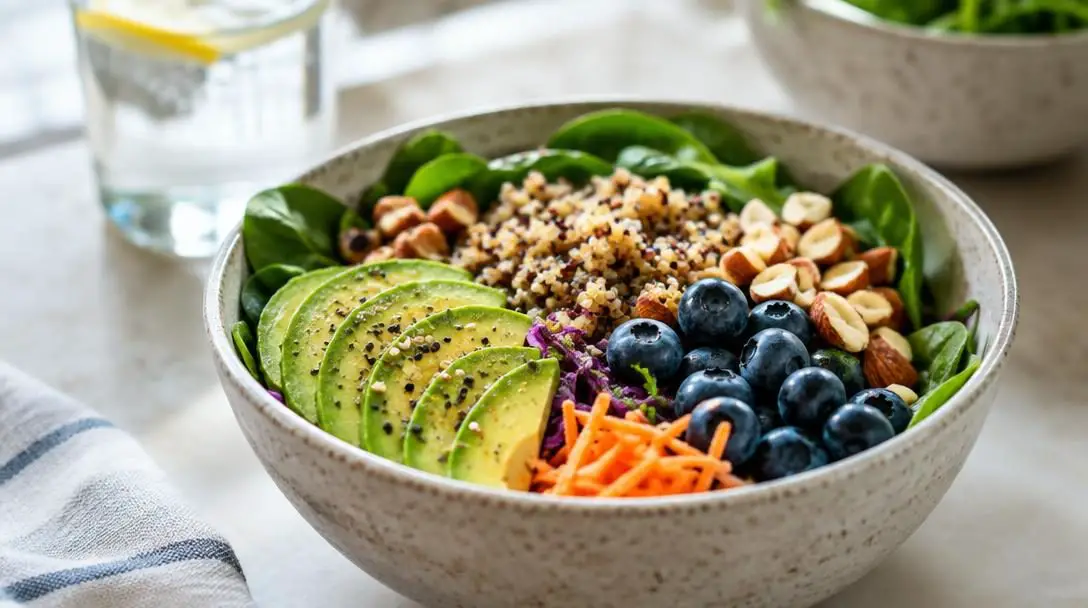
Cold-water fatty fish, with wild salmon serving as a prime example, provide generous quantities of the long-chain omega-3 fatty acids eicosapentaenoic acid (EPA) and docosahexaenoic acid (DHA). These essential lipids incorporate directly into cell membranes, modulating inflammatory signaling pathways and maintaining a firm, well-hydrated skin appearance.
Flaxseeds
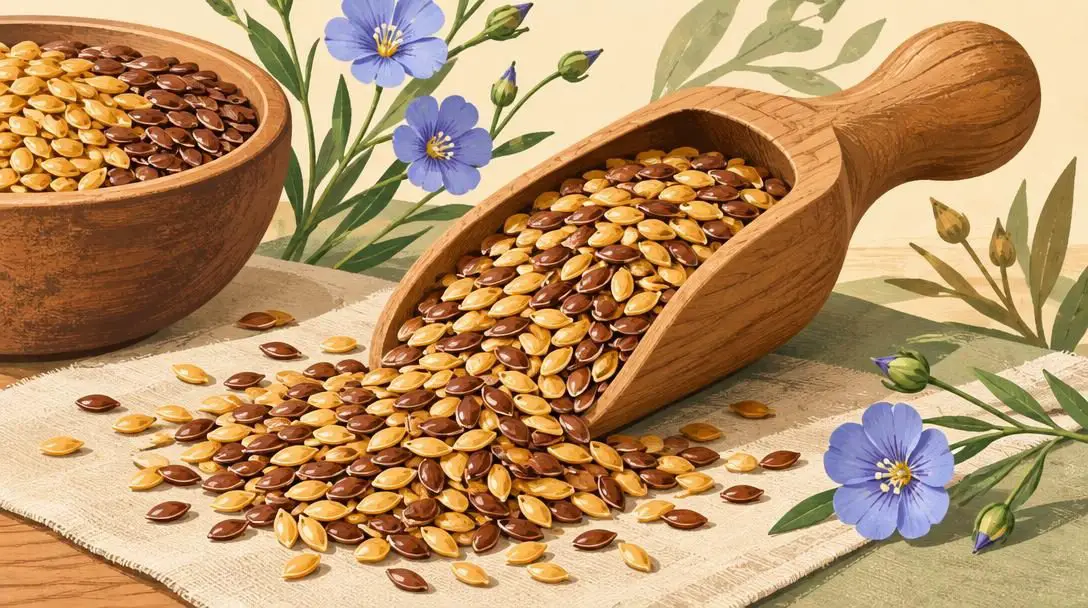
Flaxseeds deliver concentrated plant-based alpha-linolenic acid (ALA), an essential omega-3 fatty acid. When incorporated ground into the diet, flaxseeds help temper systemic inflammatory mediators, offering structural support that keeps nails durable and hair vibrant.
Chia Seeds
Chia seeds offer a versatile combination of hydrophilic fiber and anti-inflammatory omega-3 fats. Adding chia seeds to beverages or snacks supports continuous internal hydration and provides the body with the lipids necessary to mitigate persistent cellular inflammation.
Oysters
Oysters are nutrient-dense mollusks loaded with marine omega-3 fatty acids and critical trace minerals. Their unique nutritional matrix dampens inflammatory processes throughout the body, supporting rapid cellular repair and reinforcing the vitality of skin, hair, and connective tissues.
Walnuts
Walnuts stand apart among tree nuts for their high concentration of plant-derived omega-3 fatty acids and protective polyphenols. Regularly enjoying a handful of walnuts supports vascular function and shields the skin from the inflammatory damage that precipitates premature sagging.
Beta Carotene and Vitamin C for Complexion and Collagen
Visual vitality relies heavily on natural pigment compounds and structural vitamins. Orange-hued vegetables provide a potent combination of beta carotene and vitamin C, working in tandem to rejuvenate cellular architecture.
Carrots
Carrots are renowned for their beta carotene content, a precursor to vitamin A that deposits in dermal tissue. This carotenoid provides a healthy, warm undertone to the skin while vitamin C within the vegetable stimulates the enzymes responsible for linking collagen fibers.
Pumpkins
Pumpkin flesh is packed with carotenoid pigments, vitamin C, and essential minerals. These nutrients work harmoniously to protect cells from ambient oxidative strain while assisting fibroblasts in manufacturing strong, pliable collagen fibers.
Sweet Potatoes
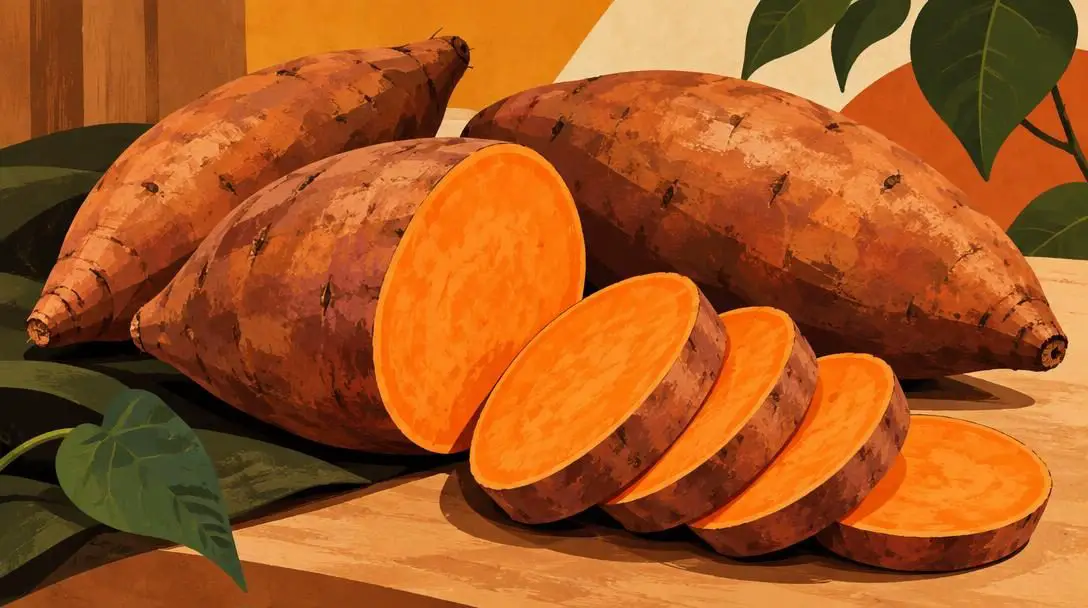
Sweet potatoes serve as a hearty, complex carbohydrate source filled with bioavailable beta carotene. Integrating baked or roasted sweet potatoes into your weekly rotation feeds the dermal matrix, creating a noticeably brighter, younger-looking complexion.
Butternut Squash
Butternut squash supplies a dense concentration of carotenoids and ascorbic acid. Its smooth flesh delivers the building blocks necessary to preserve dermal thickness, counter the breakdown of connective fibers, and impart a subtle, radiant glow.

Dietary Vitamin D for Cellular Protection and Longevity
Vitamin D is essential for cellular turnover and natural tissue defenses, yet biological changes make synthesizing it through the skin increasingly difficult as the decades advance. Because overexposure to ultraviolet sunlight causes sunburns, DNA mutations, and accelerated photoaging, obtaining this critical hormone-vitamin via food is the safest approach to long-term vitality.
Whole Eggs

Whole eggs provide an easily digestible source of dietary vitamin D housed primarily within the nutrient-rich yolk. Consuming whole eggs equips the body with bioactive lipids and essential micronutrients that bolster the skin's barrier without requiring damaging ultraviolet sun exposure.
Fish
Fish, including oily varieties and lean white fish, supply notable amounts of dietary vitamin D. Making fish a routine staple helps sustain blood levels of this regulator, preserving cellular longevity and reinforcing systemic resilience.
Liver
Traditional organ meats like liver represent some of the most nutrient-dense foods available, offering substantial concentrations of preformed vitamin A, B-complex vitamins, and natural vitamin D. Incorporating liver in modest portions supplies the necessary cofactors to defend skin structures against age-related degeneration.
Practical Steps to Build a Youthful Diet
Transitioning toward an age-defying eating style does not require radical restriction or complicated culinary techniques. Sustainable progress comes from weaving nutrient-dense foods into your routine until they become second nature.
- Start the day with berry antioxidants: Incorporate a cup of fresh or frozen blueberries, raspberries, or mixed berries into your breakfast bowl or morning smoothie to establish immediate defense against free radicals.
- Incorporate seeds into daily snacks: Add a tablespoon of milled flaxseeds or whole chia seeds to yogurt, oatmeal, or water bottles to secure a consistent supply of anti-inflammatory omega-3 fatty acids.
- Plan for fatty fish multiple times a week: Schedule dinners featuring wild salmon, mackerel, or steamed oysters two to three times per week to systematically lower chronic systemic inflammation.
- Cook with extra virgin olive oil: Discard generic, heavily refined vegetable oils in favor of unrefined extra virgin olive oil for roasting, sauteing at moderate temperatures, and dressing crisp salads.
- Swap refined sweets for dark chocolate and green tea: Replace high-sugar confectioneries with one or two squares of dark chocolate paired with a freshly brewed mug of polyphenol-packed green tea.
- Add an orange vegetable to your evening meal: Reserve half of your dinner plate for roasted butternut squash, baked sweet potato wedges, or glazed carrots to deliver beta carotene and collagen-building vitamin C.
- Include vitamin D sources regularly: Integrate pasture-raised whole eggs, quality fish, and occasional servings of liver into your weekly menu to maintain robust cellular health independent of sunlight exposure.
Common Dietary Mistakes That Accelerate Visible Aging
When striving to improve physical appearance through nutrition, many individuals fall into well-intentioned habits that unintentionally compromise their results. Sidestepping these common pitfalls ensures your dietary efforts translate into visible vitality.
- Relying entirely on direct sunlight for vitamin D: Believing that sunbathing is the only valid path to optimal vitamin D levels leads to excessive ultraviolet exposure. This practice damages cellular structures, provokes sunburns, and causes premature wrinkling, overlooking the reality that internal synthesis declines with age while food sources supply safe nourishment.
- Focusing on single superfoods instead of diversity: Consuming massive quantities of one antioxidant fruit while neglecting other food groups limits success. True cellular rejuvenation demands an expansive spectrum of vitamins, fatty acids, and trace minerals acting in synergy.
- Overlooking essential healthy fats: Adopting an overly restrictive, low-fat diet strips the body of the omega-3 fatty acids needed to mitigate inflammation. Without adequate lipid intake, cell membranes dry out, creating dull skin and brittle hair.
- Dismissing orange vegetables as only beneficial for eyes: Assuming carrots and sweet potatoes serve solely to support night vision causes people to miss out on the skin-toning properties of beta carotene and the collagen synthesis driven by vitamin C.
- Expecting overnight transformations: Cellular turnover and collagen restructuring require weeks of consistent nutritional support. Abandoning healthy choices after a few days because skin tone has not dramatically shifted prevents the realization of deep structural benefits.
Long-Term Wellness and Nutritional Longevity
Nourishing the body for a youthful appearance is an ongoing lifestyle commitment rather than a short-term intervention. As you refine your dietary patterns, consider personal digestion, metabolic efficiency, and changing nutrient utilization across the lifespan.
Every individual possesses unique tolerances and digestive capacities. Foods like oysters, liver, and tree nuts offer extraordinary nutrient density, yet they must be consumed in balances that feel energizing and sustainable for your lifestyle. Anchoring your meals around whole produce, lean marine proteins, and unrefined oils establishes a resilient nutritional baseline.
It is equally important to recognize that biological requirements evolve over time. Because the human body's intrinsic ability to manufacture and absorb critical nutrients declines throughout the decades, your dietary choices must intentionally offset these physiological shifts. Consistently supplying your cells with bioavailable antioxidants, healthy fats, and protective vitamins guarantees that internal vitality remains high, ensuring you look vibrant and naturally youthful through every stage of life.
Frequently asked questions
Why is diet more effective for youthful skin than topical skincare products?
Topical creams and cosmetics only treat the outermost layers of dead skin cells and provide temporary surface hydration. In contrast, diet delivers the essential amino acids, fatty acids, vitamins, and antioxidants required by living dermal cells to repair DNA, construct structural collagen, and reduce systemic inflammation from within.
How do dietary antioxidants slow down the physical aging process?
Antioxidants neutralize unstable molecules known as free radicals before they can steal electrons from healthy cellular structures. By stopping oxidative stress, antioxidants protect cell membranes, prevent the degradation of collagen and elastin fibers, and preserve the structural vitality of skin and internal organs.
Can you rely on sunlight alone for vitamin D without aging your skin?
No. While sunlight triggers cutaneous vitamin D synthesis, excessive ultraviolet exposure damages cellular DNA, degrades dermal connective tissue, and accelerates visible wrinkling. Furthermore, the skin's capacity to produce vitamin D drops as you age, making dietary sources like eggs, fish, and liver essential for safe replenishment.
Why are omega-3 fatty acids critical if you are trying to look younger?
Omega-3 fatty acids incorporate directly into the phospholipid membranes of cells, creating a supple and resilient barrier that locks in moisture. Crucially, they actively dampen chronic, low-grade systemic inflammation, which is one of the primary drivers of cellular degradation and premature tissue aging.
How do orange vegetables create a natural, healthy skin glow?
Orange vegetables like sweet potatoes, carrots, and butternut squash are dense in beta carotene, a plant carotenoid that naturally deposits in the skin to impart a warm, radiant tone. In addition, these vegetables provide vitamin C, which acts as a required cofactor for collagen production, maintaining skin firmness.
The bottom line
Looking younger is not an accident of genetics or the result of surface-level cosmetics; it is the direct consequence of biological nourishment. By consistently eating a wide spectrum of antioxidant-rich fruits, anti-inflammatory marine fats, collagen-supporting orange vegetables, and nutrient-dense sources of vitamin D, you supply your body with the cellular tools needed to thrive. Inner metabolic health inevitably manifests externally, producing resilient skin, strong hair, and a youthful, lasting radiance.