How To Write A Romantic Message To Help Your Partner Feel Valued

In the flow of daily life, couples frequently find their conversations dominated by mundane logistics. Conversations easily devolve into practical coordination around household chores, errands, meal plans, and calendar alerts. While functional communication keeps a household running, it gradually displaces the emotional intimacy and spontaneous appreciation that initially brought two people together.
Written messages offer an intentional, powerful antidote to this routine. Putting affection on paper—whether on a bright sticky note or folded inside a formal envelope—interrupts the daily grind and creates a permanent, tangible token of care. Writing requires forethought, deliberate pause, and genuine attention, offering your partner reassurance without placing any immediate pressure on them to craft an instant verbal response.
Key takeaways
- Handwritten notes cut through mundane household logistics by providing tangible, permanent reminders of emotional appreciation.
- Direct, unfiltered compliments resonate more deeply than strained attempts at archaic or overly poetic vocabulary.
- Grounding messages in idiosyncratic quirks and daily habits makes your partner feel uniquely seen and understood.
- Unexpected placement and surprise delivery amplify the emotional impact of even the briefest written message.
Why Written Affection Breaks Through Daily Routine
When partners communicate verbally in passing, words are often competing with distractions: ringing phones, bustling kitchens, fatigue from a workday, or pressing errands. Spoken remarks can easily be forgotten or misinterpreted amid ambient stress. By contrast, a romantic message requires the writer to sit down, focus, and commit thoughts to a physical medium. That physical presence transforms a simple phrase into a lasting artifact of your relationship.
Written notes provide comfort without social obligation. In ordinary conversation, when one person expresses love or compliments the other, the recipient often feels compelled to respond instantly. A written note removes that conversational pressure entirely. The recipient can discover the note, absorb its warmth privately, read it repeatedly throughout a difficult afternoon, and process the sentiment on their own schedule. Whether your partner is experiencing a stressful period at work or you simply want to express a sudden wave of gratitude, written affection establishes a grounded sense of security.
The Core Elements That Make a Message Resonate
A romantic message succeeds not because of elaborate prose, but because of its sincerity, specificity, and emotional precision. When crafting a note designed to make your partner feel valued, several interrelated elements work together to create a lasting emotional impression.
The Power of Small Surprises
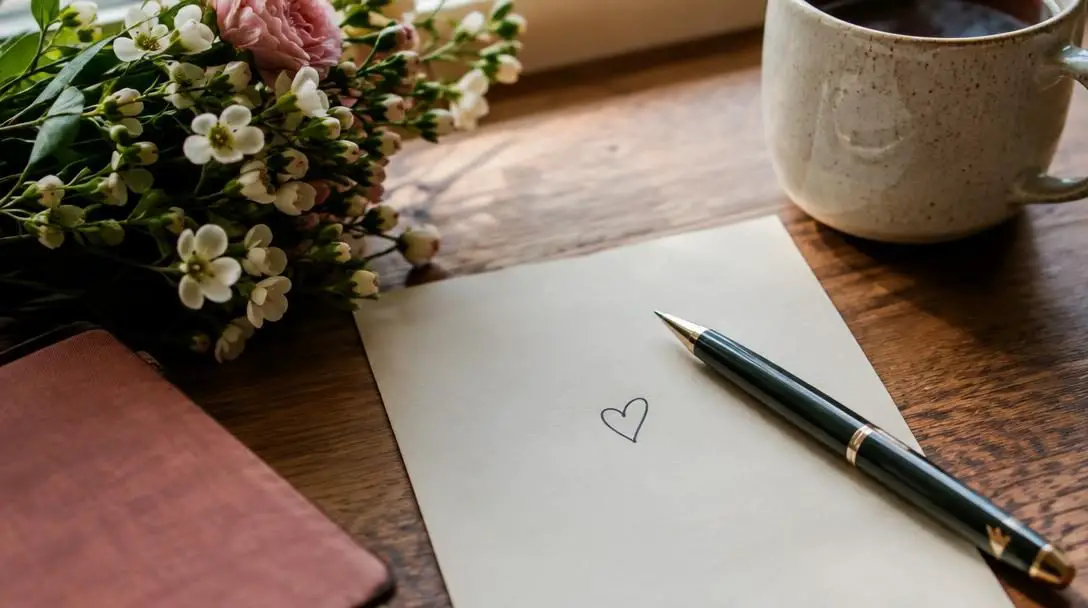
Length is rarely the defining metric of a meaningful note. A concise, two-sentence reminder stuck to an office laptop or left near a morning coffee mug can transform an entire day. The primary emotional lift comes from the surprise of the discovery. Finding an unexpected note signals that you paused your own busy routine to think about them before the day even began, demonstrating proactive consideration rather than reactive affection.
Strategic Bluntness Over Stilted Rhetoric
Many people freeze up when writing to a romantic partner because they believe they must sound like a classical poet. In practice, trying to sound ornate often introduces emotional distance. Strategic bluntness, on the other hand, delivers authentic reassurance. Saying clearly and directly that your partner is attractive, brilliant, or hilarious cuts through cliché romance. When you state an admiration plainly, your partner knows you mean exactly what you wrote without hiding behind decorative formality.
A partner feels truly valued when they are praised for minor, everyday quirks rather than generic virtues.
Balancing Classic Sentiment with Hyper-Specific Detail
Universal compliments endure because everyone possesses a fundamental desire to feel cherished, attractive, and worthy. However, relying solely on broad romantic statements can make a message feel generic. The most effective approach balances timeless sentiments with hyper-specific observations. When you pair an enduring declaration of love with an observation that applies exclusively to your partner, you create a keepsake that could not have been written for anyone else on earth.
Honesty Beyond the Obvious Quirks
Authentic romantic writing honors the unique, unpolished habits that make up your partner's actual personality. True intimacy is rarely built around generic perfection; it is rooted in how your partner actually navigates the world. Celebrating specific, endearing habits—such as their inability to pass an unfamiliar dog without greeting it, their ritualistic approach to eating dessert, or the frantic way they double-check their keys—shows that you observe and adore their true, unedited self.
Comparing Formats for Romantic Notes
The medium you choose sets expectations and influences how your partner experiences your words. Matching the medium to your specific purpose ensures the sentiment lands with the right tone.
| Delivery Medium | Best Setting or Timing | Emotional Tone | Practical Benefit |
|---|---|---|---|
| Post-it Note | Morning routines, bathroom mirrors, laptop screens | Playful, warm, and spontaneous | Quick to write, easy to place, delivers an immediate visual surprise |
| Lunchbox or Pocket Scrap | Midday work breaks, business trips, commutes | Comforting, grounding, and supportive | Provides a sudden burst of reassurance during a stressful workday |
| Pillow or Bedside Note | Late evening or early morning before waking | Intimate, quiet, and tender | Creates a peaceful start or restful conclusion to the day |
| Full Stationery Letter | Quiet weekends, relationship milestones, rough patches | Reflective, deep, and vulnerable | Allows room to explore memories, express gratitude, and preserve history |
Step-by-Step Guide to Crafting a Meaningful Message
Transforming an impulse of appreciation into a well-crafted note does not require creative writing training. By following an intentional, orderly process, you can move from a rough thought to a finished message that resonates deeply.
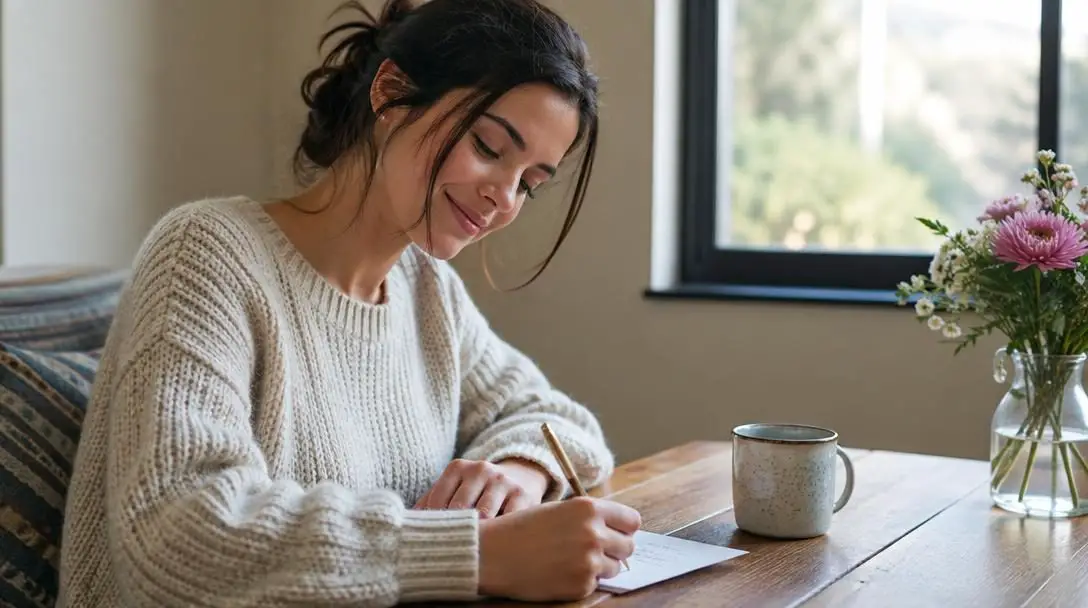
- Clarify Your Core Purpose: Before writing, identify what prompted your desire to write. Are you attempting to comfort them during an exhausting week? Are you celebrating a private milestone? Or are you simply experiencing a spontaneous wave of appreciation? Pinpointing the purpose immediately establishes the appropriate tone.
- Select the Medium: Choose where the message will live based on your goal. For an unexpected morning smile, reach for a small sticky note. If you have complex emotions or gratitude to share, choose a fresh piece of stationery or a clean card.
- Choose One Direct Compliment: Decide on a singular, blunt truth you want to convey. Determine whether your partner currently needs to hear that they are physically gorgeous, intellectually sharp, deeply resilient, or creatively inspiring. State that truth clearly without qualifying or hedging your words.
- Anchor the Note with an Everyday Quirk: Ground your direct statement by referencing a real-life observation. Mention a recent moment where their sense of humor shone, a silly habit you witnessed during dinner, or their genuine tenderness toward a family pet. This anchors your praise in lived reality.
- Incorporate a Classic Touch: If you feel inspired, include a classic romantic phrase, a traditional term of endearment, or even a line from a beloved song or poem. Let this traditional element complement your personal observations rather than replace them.
- Deliver the Message as a Surprise: Conceal the note in a spot your partner is guaranteed to encounter naturally—such as inside a wallet, next to their toothbrush, or tucked under their coffee mug. The joy of unexpected discovery significantly heightens the emotional resonance.
Common Traps That Dilute Written Romance
Even well-intentioned gestures can lose their impact if they slide into common writing pitfalls. Keeping an eye out for these frequent mistakes will ensure your written words remain effective and genuine.
- Overthinking Vocabulary: Searching for archaic words, dramatic metaphors, or flowery phrasing creates an artificial barrier between you and your partner. Use the same natural vocabulary you would use when speaking warmly in private.
- Filtering Out Quirks: Many people censor their best observations because they worry an everyday habit sounds silly or unromantic. In reality, mentioning mundane, charming quirks is precisely what makes your partner feel seen rather than idealized.
- Relying on Generic Praise: Phrases such as "you are wonderful" or "you mean everything to me" carry little weight on their own. Without concrete details explaining why or how, broad statements feel like interchangeable greeting card copy.
- Restricting Notes to Special Occasions: If you only write letters on anniversaries, Valentine's Day, or birthdays, notes lose their power of surprise. A random note left on a Tuesday morning carries far more weight because it is entirely unprompted.
- Exaggerating or Faking Sentiments: Overstating feelings or inventing compliments you do not genuinely believe damages trust. Authenticity is the bedrock of written affection; stick strictly to things you have observed and felt.
Reading the Response and Building Sustainable Habits
Once you introduce written notes into your relationship, observe how your partner receives them. People process affection differently. Some individuals keep every scrap of paper in a bedside drawer or tape them to their workplace monitors, while others read them, smile warmly, and recycle them after absorbing the feeling.
Paying attention to your partner's specific reaction helps refine your approach. If they keep brief sticky notes tucked into their phone case, short surprises may be their preferred format. If they linger over longer expressions of gratitude, an occasional in-depth letter may be more meaningful. Crucially, avoid turning note writing into an obligatory daily chore. If notes appear every single morning like clockwork, they risk becoming predictable background noise. Instead, maintain variety and reserve them for meaningful moments: when your partner seems overwhelmed, when they achieve an overlooked victory, or when you are struck by a sudden realization of how much you cherish their presence.
Frequently asked questions
How long should a romantic note be to be effective?
A romantic note can be as short as one or two sentences. A brief post-it note discovered during a busy morning routine can carry as much emotional significance as a multi-page letter, provided it is sincere, direct, and unexpected.
What should I do if I feel like I am bad at creative writing?
Abandon the expectation of sounding poetic or dramatic. Write using your everyday speaking voice and focus on strategic bluntness. Clear, honest statements about what you admire, combined with specific observations about your partner's daily habits, are far more meaningful than polished prose.
Where is the best place to leave a surprise note?
The best locations are spots your partner will encounter naturally during their regular routine, such as on their bathroom mirror, tucked inside their wallet, placed over their car steering wheel, or rested against their morning coffee mug.
How often should I leave romantic messages for my partner?
Leaving notes intermittently is far more effective than leaving them every day. Overusing notes can turn a delightful surprise into predictable routine. Save them for moments when your partner is stressed, celebrating a personal win, or when you feel unprompted gratitude.
Is it acceptable to quote poetry or song lyrics in a note?
Yes, borrowing a classic line or lyric can help ground the note, provided it does not replace your own voice. The most impactful notes pair classic sentiments with hyper-specific observations about your partner that only you could write.
The Bottom Line
Every relationship requires deliberate effort to prevent functional logistics from overshadowing genuine intimacy. Crafting a romantic message does not require rhetorical mastery, archaic poetry, or elaborate gifts. It simply requires you to pause, notice what makes your partner unique, and record that observation with clarity and honesty.
By blending blunt, direct praise with hyper-specific quirks and delivering your thoughts as an unexpected surprise, you create a tangible record of devotion. These brief moments of written affection remind your partner that beyond the shared chores and busy routines, they remain seen, deeply valued, and cherished for precisely who they are.