Protect Your Business From Organized Retail Crime: The Importance of Local Security Measures

Organized retail crime has escalated substantially across the commercial sector, imposing billions of dollars in losses on businesses every single year. Unlike casual, spontaneous, or opportunistic shoplifting carried out by individuals for personal use, organized retail crime involves coordinated, systematic operations run by criminal syndicates. These groups methodically target retail locations to steal high-value goods and funnel them into illicit distribution networks, severely damaging profitability, endangering employee safety, and eroding local community stability.
Faced with massive financial exposures, enterprise leadership often focuses on top-down corporate asset protection programs and costly technological overhauls. However, enterprise-wide measures alone cannot insulate a business from sophisticated theft rings. Meaningful protection requires strong, localized security measures tailored to everyday store operations. By identifying local vulnerabilities, fortifying physical access points, training store teams, and collaborating with local networks, store owners and branch managers can build an active defense that halts criminal rings before they strike.
Key takeaways
- Organized retail crime involves systematic, coordinated theft rings operating for profit rather than spontaneous individual shoplifting.
- High-value merchandise, unmonitored entryways, and poor lighting represent the primary on-site risk factors that attract criminal groups.
- Layered local defenses combining modern physical locks, strategic surveillance, regular floor patrols, and trained staff provide the strongest deterrence.
- Formal vendor codes of conduct and consistent law enforcement partnerships prevent internal compromises and facilitate swift emergency responses.
- Proactive education across employee teams, customer bases, and neighborhood schools disrupts illicit networks over the long term.
Differentiating Organized Retail Crime From Casual Theft
To establish an effective defense, retail operators must understand the exact nature of organized retail crime. While both casual shoplifting and retail crime rings involve stolen inventory, their underlying mechanics, scale, and operational tactics are fundamentally distinct.
| Attribute | Casual Shoplifting | Organized Retail Crime |
|---|---|---|
| Primary Motivation | Personal use, opportunistic impulse, or immediate individual consumption | Commercial profit through coordinated resale in illicit channels and black markets |
| Operational Planning | Spontaneous, uncoordinated, and carried out by individual actors | Systematic, planned reconnaissance executed by coordinated groups and specialized crews |
| Target Merchandise | Incidental items, varied products, or whatever is readily accessible | Consistently targeted high-value, high-demand items that yield rapid turnover |
| Exit Strategy | Concealment on person or inside bags, walking out unnoticed | Rapid bulk removal, deliberate use of emergency exits, and organized getaway logistics |
| Financial Impact | Minor, isolated loss of individual stock units | Severe financial drains totaling billions annually, damaging store profitability and staff safety |
When physical barriers, active surveillance, and trained personnel operate together, they create an environment that deters organized retail crime before it starts.
Recognizing Primary Local Risk Factors
Criminal syndicates conduct detailed visual assessments before striking a business. They deliberately identify physical locations that offer maximum financial gain with the lowest risk of interruption or capture. Retail operators must evaluate their storefronts through the eyes of potential offenders to identify three primary vulnerabilities.
High-Value Merchandise Placement
Merchandise that carries high demand and steep retail prices represents the chief target of crime rings. When these valuable products sit in open displays near doors or low-traffic aisles, groups can grab dozens of units within seconds. Staging expensive inventory in exposed layouts without physical resistance invites coordinated grab-and-run raids.
Easy Physical Access and Escape Routes
Thieves depend heavily on fast routes to enter, gather goods, and escape. Uncontrolled entryways, side doors lacking proper alarm monitoring, and showroom bottlenecks located near emergency fire exits provide optimal conditions for crime syndicates. If the path from a targeted display to an exterior vehicle is unobstructed, criminal crews can execute a strike before floor staff can even register the event.
Poor Interior and Exterior Lighting
Inadequate illumination creates blind spots that shield illegal coordination from view. Dimly lit parking lots, poorly illuminated loading alleys, dark side entrances, and shadowed sales corners give criminals cover to stage getaways, monitor store rhythms, and conceal stolen products. Clear lighting strips away this environmental advantage, exposing suspicious movements to staff and surveillance devices.

Core Pillars of Local Defensive Operations
Deterring sophisticated theft groups requires an integrated, layered defense where physical impediments, digital tracking, and human vigilance support one another continuously.
Active surveillance and physical floor presence serve as the first barrier. Ensuring regular patrols and active monitoring across vulnerable store zones disrupts criminal reconnaissance. Deploying visible security guards provides an undeniable visual deterrent that signals strict operational control, while strategically placed CCTV cameras document access points, merchandise displays, and rear corridors in real time.
Physical barriers represent the second critical barrier. Outdated alarms or broken display cases create severe vulnerabilities. Modern alarm systems notify responders immediately during perimeter intrusions or unauthorized after-hours breaches. Securing high-risk goods inside heavy-duty locked cabinets, behind reinforced sales counters, or within restricted backrooms forces criminals to expend valuable time attempting to breach physical locks, exponentially raising their probability of detection.
The human element ties these defensive layers together. An educated store team acts as continuous eyes and ears across the floor. By providing detailed training in identifying suspicious group movements and backing it with an unambiguous response policy, businesses ensure employees respond calmly, avoid dangerous confrontations, and escalate alerts accurately.
Step-by-Step Implementation of Local Security Measures
Retail teams can transform defensive concepts into daily operational practices by implementing a structured, repeatable implementation protocol.
- Conduct an Environmental Security Audit: Walk the entire property, inspecting interior showrooms, storage bays, customer parking lots, and exterior service alleys. Verify that lighting is bright, blind spots are eliminated, and high-value stock is moved far away from open exit doors.
- Modernize Physical Barriers and Systems: Inspect locks, display fixtures, and backroom storage access. Service all perimeter alarm systems to confirm active monitoring, and install locked showcases that require direct staff assistance to open.
- Optimize Surveillance and Guard Placement: Reposition CCTV cameras to monitor points of ingress, service passages, and high-value inventory displays. Schedule on-site security guards and floor patrols during high-risk operating shifts to maintain steady oversight.
- Implement Staff Training Programs: Train all team members to spot behavioral warning signs, such as coordinated group positioning, distraction maneuvers, and floor scouting. Instruct workers on how to observe descriptions safely without confronting thieves.
- Establish a Formal Response Policy: Draft and publish clear operational rules detailing step-by-step reporting protocols. Define how workers notify management, trigger silent alerts, document incidents, and interact with emergency responders.
- Build Law Enforcement Partnerships: Connect directly with local police precinct leaders. Share intelligence regarding local crime patterns, deliver incident logs, and update store security measures based on police feedback.
- Establish Vendor and Supplier Agreements: Create a formal vendor code of conduct that mandates employee background checks, strict delivery verification protocols at service bays, and clear penalties for procedural breaches.
- Engage with the Surrounding Community: Form relationships with surrounding shop owners, neighborhood organizations, and local schools. Establish mutual communication channels so neighboring merchants and patrons can report suspicious observations.
External Partnerships and Supply Chain Accountability
A business cannot function as an isolated stronghold. Developing robust external relationships ensures that store operators remain ahead of regional criminal syndicates operating across multiple retail locations.
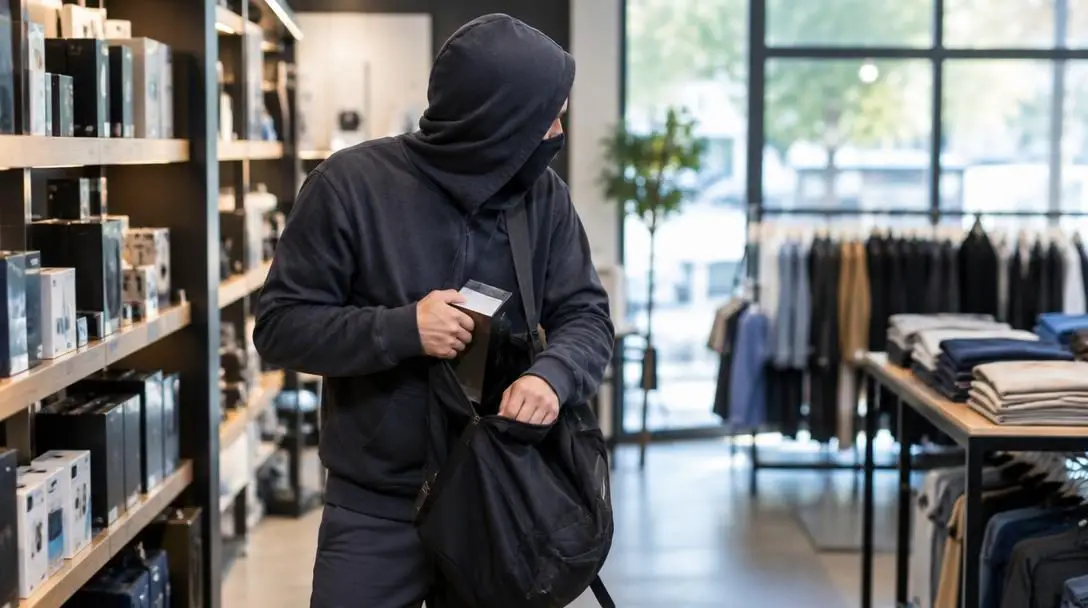
Local law enforcement agencies provide a wide view of regional criminal activity. While a store manager might only see a single incident, police investigators track criminal networks that systematically target neighboring retail corridors. Establishing proactive ties with police departments before a crisis emerges enables businesses to incorporate law enforcement insights into daily store protocols and guarantees swift, coordinated assistance when incidents arise.
Securing external operations also requires strict oversight of third-party supply chains. Criminal rings frequently attempt to leverage delivery routes, stockroom delivery docks, or vendor credentials to coordinate internal inventory diversion. Establishing a binding code of conduct for vendors and suppliers—complete with verified background checks, signed delivery logs, and penalties for policy violations—closes back-door gaps and ensures third-party partners uphold strict security standards.
Education as a Long-Term Preventive Strategy
While physical hardware creates immediate friction, ongoing education produces enduring security across retail ecosystems. Criminal networks thrive in environments characterized by detachment, indifference, and lack of awareness. Raising operational knowledge removes this environment and establishes a vigilant community.
- Employee Skill-Building: Regular training sessions equip front-line staff to identify coordinated distraction maneuvers, recognize scouting behaviors, and record essential physical descriptions without jeopardizing personal safety.
- Customer Education: Distributing educational notices and signage informs honest shoppers about the broader costs of retail crime, offering patrons discreet, safe avenues to alert floor staff when they witness suspicious conduct.
- Youth and School Outreach: Partnering with community schools and local educational programs introduces students to the legal, personal, and career consequences tied to organized retail theft rings, discouraging youth recruitment.
- Multi-Agency Collaboration: Participating in retail merchant coalitions, business improvement districts, and law enforcement roundtables facilitates fast intelligence sharing on emerging illicit methods and tactical trends.
Common Mistakes That Undermine Retail Security
Even well-funded security initiatives can fail if operational execution is inconsistent. Retail operators must review their daily procedures to avoid these frequent defensive mistakes:
- Over-Relying on Unmonitored Technology: Installing cameras and alarms without active monitoring or maintenance yields little deterrent value. Blurry footage, unadjusted camera angles, and uninspected systems provide zero protection during an active incident.
- Failing to Provide Clear Employee Guidelines: Telling workers to stay alert without providing an actionable, written response policy produces hesitation and unsafe improvisations during high-stress thefts.
- Neglecting Exterior Security and Visibility: Devoting all resources to interior sales counters while leaving delivery docks, customer parking spaces, and side alleys dark gives criminal crews safe staging zones.
- Treating Security as an Isolated Activity: Operating without consulting neighboring merchants or local police isolates the store, cutting management off from critical warnings about active regional crime rings.
- Ignoring Supply Chain Vulnerabilities: Allowing unverified delivery staff or unchecked third-party vendors access to loading docks and storerooms invites coordinated internal loss.
- Inconsistent Security Enforcement: Securing display fixtures during slow hours but leaving them unlocked during busy peak periods creates obvious vulnerabilities that organized theft scouts easily detect and exploit.
Frequently asked questions
How does organized retail crime differ from ordinary shoplifting?
Organized retail crime involves coordinated, systematic operations executed by groups seeking commercial profit through illicit resale channels. Ordinary shoplifting is typically opportunistic, uncoordinated, and carried out by individuals stealing products for their own personal use.
What are the most critical environmental risk factors inside a store?
The primary local risk factors are displaying high-value merchandise openly, providing easy access to uncontrolled exits, and operating with poor lighting across sales displays, entrances, alleys, and customer parking areas.
Why is relying only on surveillance cameras ineffective?
Surveillance cameras that record passively without regular maintenance, clear positioning, or active staff monitoring offer little immediate deterrent. Criminal groups are rarely stopped by unmonitored equipment if no physical resistance or immediate human response is present.
How can suppliers and vendors compromise a retailer's security?
Without strict oversight, delivery personnel and external suppliers can exploit unmonitored backroom access, manipulate delivery verification records, or coordinate with outside theft rings to divert stock directly from shipping docks.
What role do neighboring businesses play in stopping organized retail crime?
Neighboring merchants share timely intelligence about active theft crews working the immediate commercial corridor, allowing nearby stores to fortify their displays, adjust guard patrols, and alert staff before an incident occurs.
The Bottom Line
Protecting a commercial enterprise from organized retail crime is an ongoing operational commitment rather than a static hardware purchase. Enterprise policies provide the overarching framework, but local preventative actions decide whether a store becomes an easy mark or an impenetrable environment. By addressing physical vulnerabilities, training employees into vigilant floor observers, enforcing strict vendor protocols, and maintaining transparent bonds with local law enforcement, retail operators can safeguard their merchandise, protect their teams, and preserve community commerce.