Self-Sufficient in the City: 5 Tips to get you started
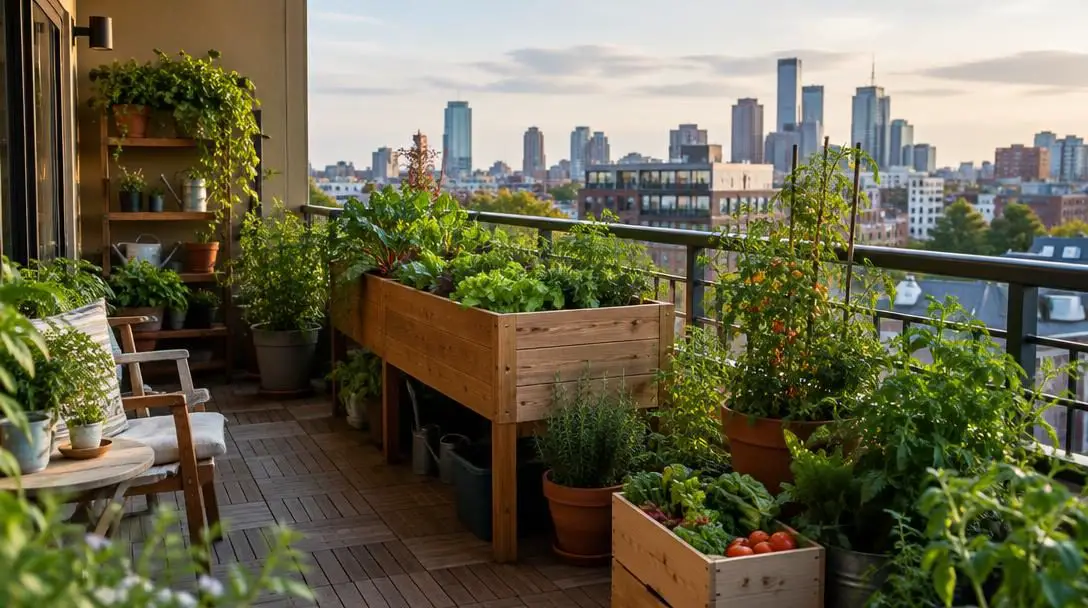
Metropolitan living is widely celebrated for its everyday convenience, placing public transit, busy workplaces, cultural entertainment, and well-stocked grocery stores just steps from your front door. Yet for city dwellers who wish to adopt a more resilient and self-reliant lifestyle, the realities of high-density housing can feel like significant obstacles. Compact floor plans, an absence of private yard space, and an overwhelming reliance on commercial supply chains often lead people to assume that self-reliance is impossible without moving out to a rural homestead.
That assumption, however, overlooks the immense potential of modern urban homesteading. Developing self-sufficiency in high-density areas like Manhattan or Seattle is not an all-or-nothing proposition, nor does it require disconnecting completely from modern society. Instead, it is an empowering domestic mindset centered on mastering foundational life skills, curbing household waste, and taking practical control over what you consume inside whatever space you call home.
Key takeaways
- Urban self-sufficiency focuses on practical resilience, hands-on domestic skills, and waste reduction rather than total isolation from society.
- Productive food production is achievable in tight living quarters by utilizing vertical towers, window boxes, and dwarf container crops.
- Preserving regional harvests through freezing, water-bath canning, and pressure canning ensures a reliable, cost-effective pantry year-round.
- Compact rotating compost tumblers transform kitchen scraps into valuable fertilizer on balconies without generating foul odors.
- Intentional spatial organization and vertical storage allow studio apartments and condos to support domestic production without clutter.
The Evolution of Modern Urban Self-Reliance
For generations, the concept of self-reliance was inextricably bound to rural life, vast agricultural acreage, and physical isolation. Historical households sustained their own food stores, formulated remedies, and maintained equipment out of pure geographic necessity. As industrialization accelerated and urban centers expanded, populations migrated into concentrated city neighborhoods. This shift swapped traditional domestic self-reliance for the modern division of labor, leaving residents almost exclusively dependent on industrial supply chains and commercial utility networks.
In recent years, many metropolitan residents have experienced a profound desire to reconnect with these tangible domestic practices. Sudden supply disruptions, soaring grocery prices, and growing environmental concerns have highlighted the vulnerabilities of relying entirely on commercial supermarkets. Urban self-reliance bridges the gap between historical household skills and modern city apartments, demonstrating that any home can become a small center of sustainable production.
Urban self-reliance merges traditional domestic practices with modern city environments, proving that you do not need 50 acres to take control of your everyday consumption.
Five Practical Methods to Build Urban Self-Sufficiency
Transitioning toward a resilient lifestyle in the city requires selecting high-impact habits that maximize limited resources. Rather than overhauling your entire routine overnight, focusing on key domestic practices creates an interconnected household system where waste from one activity supports the production of another.
| Practice | Ideal Urban Location | Primary Tools Needed | Key Benefit |
|---|---|---|---|
| Grow a Garden | Balconies, fire escapes, sunny windowsills | Tower planters, window boxes, potting mix | Cuts packaging waste and provides fresh organic produce |
| Delve into Food Preservation | Standard kitchen stovetop and counter | Mason jars, canning pots, airtight freezer bags | Secures long-term pantry staples from seasonal harvests |
| Choose Composting | Apartment balcony, small patio, or porch | Rotating tumbler, countertop scrap collector | Diverts kitchen scraps from landfills into rich garden soil |
| Make Your Own Cleaning Supplies and Toiletries | Bathroom and kitchen sinks | Glass spray bottles, castile soap, vinegar, baking soda | Eliminates synthetic toxins and single-use plastic waste |
| Mind Your Space | Entire apartment or condo floor plan | Wall shelves, tiered planters, multipurpose furniture | Prevents domestic clutter while expanding functional capacity |
Grow a Garden
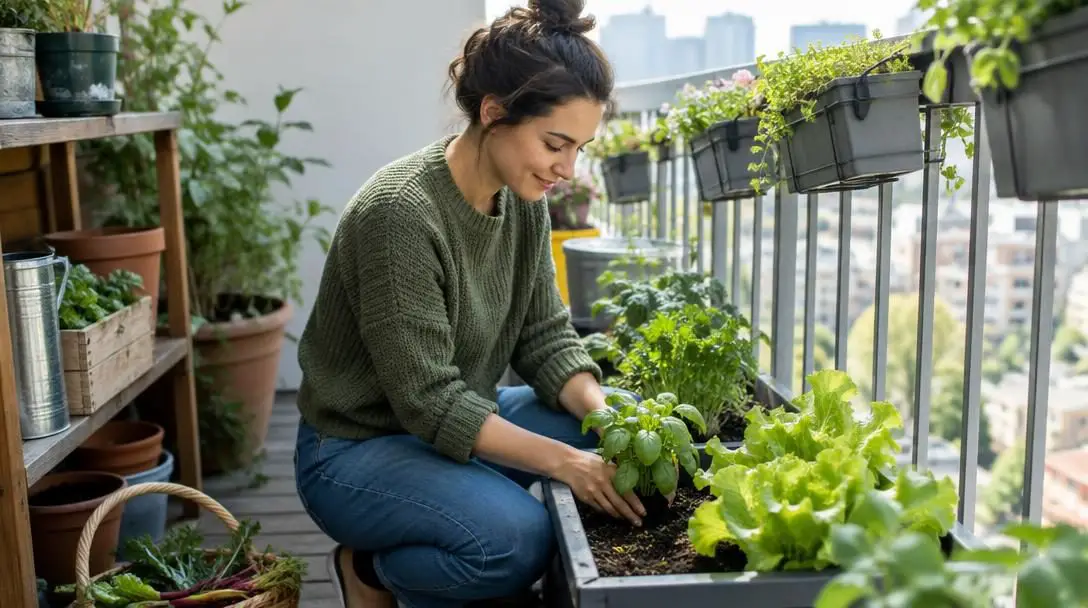
Cultivating your own food provides exceptional nutritional value, superior flavor, and an immediate reduction in the packaging and freight miles associated with commercial produce. You do not need rolling fields or an in-ground plot to harvest fresh greens and vegetables. Urban gardening allows apartment dwellers to transform minimal square footage into highly productive micro-farms by growing vertically rather than horizontally.
Container gardening, square foot planting, vertical tower gardens, and simple exterior window boxes can yield continuous supplies of fresh ingredients. The secret to success in compact quarters lies in matching your microclimate with dwarf or bush crop varieties that offer continuous yields across their growing season.
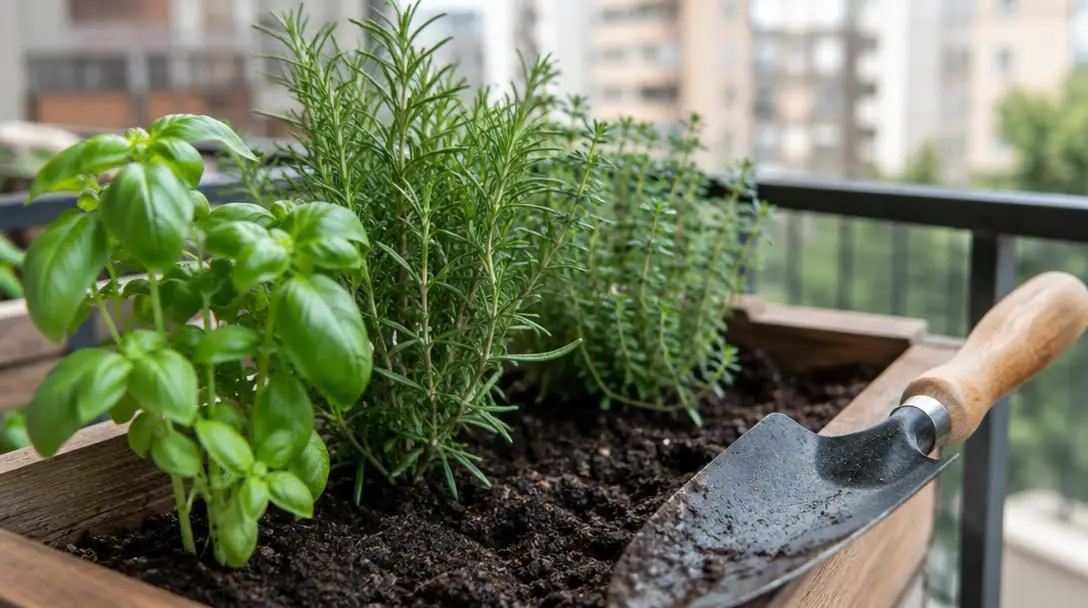
- Evaluate daily sunlight exposure: Track the light patterns across your balcony, patio, or window ledges, identifying whether your micro-space receives full morning sun, intense afternoon heat, or partial filtered light.
- Choose a compatible container system: Match your area with vertical garden towers, railing-mounted planter boxes, or deep five-gallon food-safe buckets based on what your structural layout can safely support.
- Use lightweight potting soil: Fill containers with a porous, well-aerated potting mix formulated for container drainage rather than standard garden soil, which packs down and smothers roots in pots.
- Select compact, high-yielding crops: Focus on container-friendly tomato varieties, bush beans, cut-and-come-again salad greens, and kitchen herbs that produce abundant harvests in small spaces.
- Maintain regular watering schedules: Monitor soil moisture daily, as small raised containers and window planters lose moisture significantly faster than ground soil under summer heat.
Delve into Food Preservation
A thriving urban garden often produces fresh vegetables in rapid, concentrated bursts. Without a reliable preservation plan, home growers can easily become overwhelmed by surplus produce before it spoils. Learning traditional food preservation techniques safeguards your seasonal bounty, allowing you to build an emergency pantry stocked with home-processed nutrition.
Preservation extends far beyond basic fruit jams and cucumber pickles. By purchasing surplus produce or quality meats directly from local farmers, city dwellers can process whole meals, savory broths, and tomato sauces in bulk. Bypassing long commercial grocery chains saves money while ensuring that your domestic pantry remains insulated from temporary supply disruptions.
- Water-bath canning: Best suited for naturally high-acid foods such as whole berries, fruit jams, tomato salsas, and vinegar pickles using standard boiling kettles.
- Pressure canning: The mandatory method for preserving low-acid ingredients, including green beans, root vegetables, homemade stocks, sauces, and meats at temperatures high enough to eliminate bacterial risks.
- Freezing: A rapid, equipment-light preservation strategy ideal for pre-blanched leafy greens, berries, diced peppers, and concentrated cooking stocks.
- Systematic labeling and rotation: Date every jar and container clearly, employing a strict first-in, first-out consumption routine to prevent older batches from losing quality.
Choose Composting
Every home kitchen produces a steady stream of organic waste, including vegetable trimmings, fruit skins, coffee grounds, and crushed eggshells. In typical urban settings, these nutrient-dense materials are tossed into standard trash bins, ending up buried in municipal landfills where their decomposition creates methane rather than enriching the soil.
Composting in the city is clean, manageable, and compact when using an enclosed rotating bin. A small tumbling composter takes up minimal space on an apartment patio, terrace, or balcony. Because these sealed units can be turned effortlessly by hand, aerating the contents takes seconds and prevents the unpleasant odors associated with neglected, stagnant compost piles.
- Collect clean kitchen scraps: Keep a sealed countertop compost crock stocked with daily food prep trimmings, coffee grounds, and clean eggshells for routine disposal.
- Balance greens and browns: Maintain an approximate balance of moist, nitrogen-packed food scraps (greens) alongside dry, carbon-rich shredded paper, cardboard, or dried leaves (browns).
- Aerate consistently: Spin or tumble your balcony composter once or twice each week to introduce fresh oxygen, which speeds up aerobic breakdown and stops bad odors.
- Manage moisture levels: Ensure the internal compost mixture maintains the dampness of a wrung-out sponge, adding dry browns if it gets soggy or water if it dries out.
- Harvest dark humus: Scoop finished, earthy-smelling compost from the base of the tumbler and blend it into your container pots to refresh tired soil naturally.
Make Your Own Cleaning Supplies and Toiletries
Commercial cleaning aisles are dominated by synthetic formulations, artificial fragrances, and single-use plastic bottles. Making your own domestic cleaners and personal care goods is an approachable step toward urban self-sufficiency that eliminates recurring household expenses while reducing chemical exposure in compact living environments.
Most everyday cleaning jobs can be handled using basic, non-toxic pantry staples sourced from local markets. Creating custom formulations lets you tailor scent profiles using pure plant oils while keeping irritating chemicals out of your home. Small-batch production ensures your supplies remain fresh without occupying significant storage room.
- Stock dependable base ingredients: Keep bulk quantities of distilled white vinegar, sodium bicarbonate (baking soda), pure liquid castile soap, and basic carrier oils on hand.
- Invest in reusable spray bottles: Store homemade cleaners in sturdy amber or clear glass spray bottles to eliminate disposable packaging and protect sensitive botanical oils.
- Formulate targeted solutions: Mix diluted vinegar sprays for glass and tile, use baking soda pastes for scouring sinks, and blend castile soap with warm water for general surface cleaning.
- Blend customized scents: Incorporate drops of natural botanical oils, such as peppermint, tea tree, or citrus extracts, for a clean aroma without synthetic perfumes.
- Label bottles clearly: Write the full ingredient list, date of preparation, and intended surface application on every bottle to keep shared living spaces safe and organized.
Mind Your Space
The biggest psychological barrier to urban self-reliance is the belief that self-sufficiency demands acres of open land. Small apartments, rental flats with fire escapes, and compact condominiums can be remarkably productive if you treat space as a three-dimensional resource. When floor space is limited, your walls, vertical sightlines, and ceiling attachment points become critical assets.
Effective spatial management prevents home production from turning into unmanageable clutter. By using modular storage, multi-functional furniture, and wall-mounted setups, you can store canning kettles, maintain indoor herb racks, and run mini-workshops without sacrificing your daily living comfort.
- Utilize vertical wall surfaces: Install heavy-duty floating wall shelves, pegboards, and hanging rail organizers to keep garden tools, jars, and supplies off floor surfaces.
- Take advantage of windowsills: Place slim, durable planter boxes across wide sunlit window ledges to nurture compact herbs and microgreens indoors.
- Choose multipurpose furniture: Use storage ottomans, drop-leaf kitchen workbenches, and hollow storage benches to house bulky preservation gear and dry goods discreetly.
- Establish dedicated storage zones: Consolidate domestic production equipment into organized bins so supplies are quick to access and simple to stow away.
- Audit possessions routinely: Declutter unnecessary consumer items regularly, freeing up storage capacity for tools and materials that support your resilience goals.
Common Mistakes to Avoid in Urban Homesteading
Starting a journey toward self-reliance inside a city environment requires patience and experimentation. New urban homesteaders often run into preventable hurdles that drain enthusiasm and waste resources. Keeping an eye out for these frequent mistakes will ensure steady, manageable progress:
- Attempting every project at once: Trying to construct a balcony farm, learn pressure canning, manage a tumbler, and formulate all your cleaners in a single weekend causes quick burnout. Pick one practice, establish the habit, and expand gradually.
- Misjudging urban light exposure: High-rise apartment buildings and neighboring fire escapes create shifting, unpredictable shadows. Planting sun-loving vegetables in low-light spots leads to weak, spindly crops that fail to produce.
- Throwing off the compost balance: Loading a compact composter with moist kitchen scraps without adding enough carbon-rich brown material causes soggy, anaerobic decay that attracts pests and smells bad.
- Skipping preservation guidelines: Altering processing times, modifying tested ingredients, or ignoring altitude adjustments in food preservation can cause mold growth or dangerous foodborne illness.
- Overcrowding container pots: Cramming too many seedlings into compact window boxes or balcony containers causes root binding, stunts plant growth, and depletes moisture rapidly.
Frequently asked questions
Can I practice urban self-reliance if I live in a rental apartment?
Yes. Urban self-reliance relies heavily on non-permanent, mobile solutions. You can grow herbs and dwarf crops in removable railing planters, process local foods on your existing kitchen stove, use a portable rotating compost bin on a patio, and store supplies in freestanding modular furniture without altering your rental property.
Does composting on an apartment balcony attract pests or produce bad odors?
When properly balanced and aerated, domestic compost does not smell bad or attract pests. Using a sealed, elevated rotating tumbler keeps pests out. Turning the unit weekly and keeping an even balance between wet kitchen scraps and dry, carbon-based brown materials like shredded paper ensures clean, aerobic decomposition.
How can I grow vegetables if my apartment lacks a private balcony?
You can use wide, sunlit interior windowsills, hang tiered planters near bright windows, or mount narrow exterior window boxes. Selecting low-light tolerant leafy greens, microgreens, and compact kitchen herbs allows you to harvest fresh greens indoors even without outdoor space.
Is home food preservation safe for absolute beginners?
Yes, provided you strictly follow established, safety-tested processing procedures. Beginners can start with basic freezer storage or water-bath canning for high-acid fruits, jams, and pickles. Low-acid ingredients like meats, plain vegetables, and complex sauces must always be processed in a pressure canner according to tested instructions.
Do homemade cleaning supplies sanitize as effectively as store-bought chemicals?
Homemade cleaners using proven base ingredients like white vinegar, baking soda, and liquid castile soap cut through domestic grease, soap scum, and everyday grime very effectively. They offer safe, non-toxic cleaning for routine household surfaces while cutting single-use plastic waste and household expenses.
The Bottom Line
Urban self-sufficiency is not defined by where you live, but by how thoughtfully you interact with the resources around you. You do not need dozens of rural acres or extensive equipment to build practical resilience. By growing fresh produce in compact containers, preserving seasonal harvests, composting food scraps, crafting everyday cleaning supplies, and making clever use of your vertical space, you can cultivate an independent, sustainable home right in the middle of the city.
As these core domestic practices become second nature, you can continue expanding your skills. Explore regional farm co-ops, source bulk grains from local producers, try food dehydration, or master basic textile and equipment repairs. Building self-reliance in the city is an ongoing journey of learning and adaptation, transforming any metropolitan apartment into a resilient, productive sanctuary.