The Most Controversial Celebrity Scandals in History

Celebrities often occupy an elevated pedestal in popular culture, yet their immense visibility also magnifies their personal crises and legal troubles. When household names in entertainment, athletics, or governance face severe allegations, the resulting media fallout routinely commands international attention and reshapes the cultural landscape for decades.
While standard reporting handles everyday celebrity news, certain historical controversies eclipsed standard coverage to redefine investigative journalism, live broadcasting, and the public's perception of fame. Before examining the five landmark controversies that left the deepest marks on modern society, several notable honorable mentions also captured global headlines: the domestic abuse case involving Chris Brown and Rihanna, the leaked adult tape of Pamela Anderson and Tommy Lee, the legal arrest of director Roman Polanski, and the intense media frenzy surrounding Brad Pitt and Angelina Jolie's high-profile relationship. Yet the following five historical cases generated cultural reverberations that permanently altered the entertainment industry.
Key takeaways
- Celebrity scandals frequently shift the legal system and news broadcasting practices, as demonstrated by landmark televised proceedings.
- Distinguishing between criminal convictions, acquittals, civil settlements, and unverified rumors is essential when evaluating historical claims.
- High-profile controversies often spark fabrications, including forged documents and manipulated media that can taint public perception for generations.
- Official investigations can span decades, often requiring long-term monitoring before law enforcement reaches definitive conclusions.
Historical Controversies at a Glance
The following table summarizes the key figures, the general nature of their public controversy, and the legal or official resolutions associated with each historic case.
| Figure | Field | Nature of Controversy | Formal Resolution or Outcome |
|---|---|---|---|
| Woody Allen | Cinema / Directing | Relationship with Soon-Yi Previn | Remains married since 1997; enduring ethical debate |
| Natalie Wood | Film Acting | Mysterious drowning death in 1981 | Reopened in 2018; Robert Wagner absolved in 2022 |
| Michael Jackson | Popular Music | Child molestation allegations | Acquitted on all criminal counts in 2005; died with no convictions |
| Marilyn Monroe & JFK | Film & Politics | Alleged extramarital relationship | Unacknowledged publicly; key evidence revealed as hoaxes |
| O.J. Simpson | Athletics & Television | Double murder charges | Acquitted in 1995 after an 11-month criminal trial |
The Five Most Controversial Celebrity Scandals
Woody Allen

- Major Accolades: Multiple Academy Awards, Golden Globes, Grammy Award
- Notable Films: Annie Hall, Crimes and Misdemeanors, Hannah and Her Sisters
- Spouse: Soon-Yi Previn (married 1997)
Director Woody Allen built a revered reputation as an auteur in American cinema, earning critical acclaim and industry hardware including multiple Academy Awards, Golden Globes, and a Grammy Award. Early in his personal life, Allen was married to Harlene Susan Rosen, a union that ended in divorce in 1962. Four years later, he married actress Louise Lasser, a partnership that ended after four years. Allen subsequently embarked on an enduring personal and creative collaboration with actress Mia Farrow.
During her time with Allen, Farrow adopted Soon-Yi Previn, who was born in Korea. Following a bitter and public dissolution of Allen and Farrow's relationship, it emerged that Allen had entered into a romantic partnership with Previn. When their relationship became public, Previn had recently reached adulthood while Allen was in his mid-50s. The pairing triggered immediate, worldwide media scrutiny and profound public backlash. Despite ongoing controversy regarding ethics and family dynamics, Allen and Previn married in 1997 and remain together, while debates surrounding Allen's personal legacy and his body of cinematic work persist.
Natalie Wood

- Birth Name: Natalie Zacharenko
- Lifespan: 1938–1981
- Notable Works: Splendor in the Grass, Love with the Proper Stranger
Natalie Wood began her Hollywood career as a prolific child performer before achieving widespread critical acclaim as an adult, securing multiple Academy Award nominations for classic films such as Splendor in the Grass and Love with the Proper Stranger. Her personal life featured high-profile romances, most notably with fellow actor Robert Wagner. Wood and Wagner were married for five years before divorcing in 1962. Wood later married Richard Gregson, but following their divorce in 1972, she remarried Wagner.

Tragedy struck on November 29, 1981, when Wood died at the age of 43 under mysterious circumstances off the coast of Southern California. During a boating trip near Santa Catalina Island with Wagner and acclaimed actor Christopher Walken, Wood disappeared from the vessel and was subsequently found drowned. The incident remained an open subject of intense public speculation for decades. In 2018, law enforcement officially reopened the investigation and designated Wagner as a person of interest. However, in 2022, authorities officially cleared Wagner of any wrongdoing, leaving the precise circumstances of Wood's death an enduring Hollywood enigma.
Michael Jackson

- Cultural Title: The King of Pop
- Commercial Milestone: Second-best-selling solo artist in history
- Legal Trial: Acquitted of all charges in 2005
Beginning his career as a child prodigy alongside his siblings in the Jackson 5, Michael Jackson expanded his craft into a solo career that positioned him as the undisputed "King of Pop" and the second-best-selling solo artist in music history, trailing only Elvis Presley. Jackson's unmatched cultural reach, however, was accompanied by serious public controversy that centered around repeated allegations of child molestation over several decades.
While multiple claims surfaced during his life, many were settled through out-of-court financial agreements rather than courtroom litigation. The public remained sharply divided, with defenders attributing his behavior to an eccentric, childlike personality and critics viewing him as a predatory figure. In 2005, Jackson faced criminal charges in court, including four counts of attempting to commit a lewd act upon a minor. The jury returned a verdict of not guilty on all counts. Jackson passed away at age 50 in 2009 without any criminal convictions, yet the debate surrounding his actions and his legacy continues.
Marilyn Monroe and John F. Kennedy
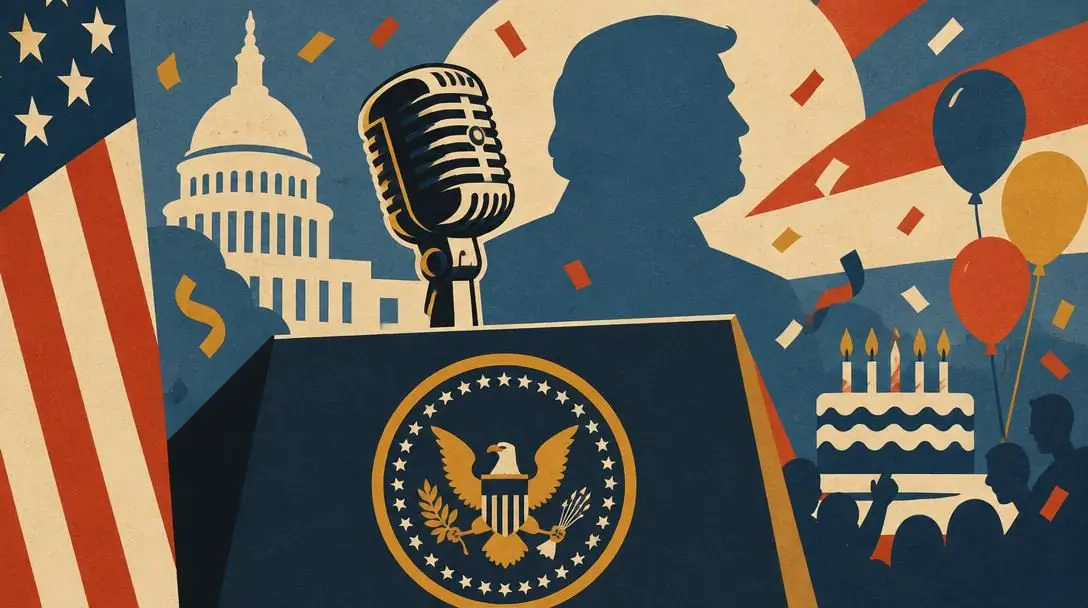
- Presidential Milestone: JFK holds the highest average approval rating in U.S. history
- Cultural Significance: Monroe reigned as Hollywood's premier cultural icon
- Key Event: 1962 Madison Square Garden birthday performance
The intersection of Hollywood glamour and American political power reached an apex in the rumors linking cultural icon Marilyn Monroe with President John F. Kennedy, who continues to hold the highest average presidential approval rating in modern American history. Public interest flared into an obsession following Monroe's sultry, televised performance singing happy birthday to Kennedy at Madison Square Garden. Although both figures died prematurely, the rumors surrounding their alleged relationship took on a mythic status.
In the decades that followed, the supposed relationship generated sensational claims that often outpaced verifiable facts. In 1997, documents surfaced purporting to verify a secret affair between Monroe and the President; however, thorough forensic analysis proved that these papers were an elaborate hoax. Similarly, photographs circulating in the media that purported to show the two embracing privately were identified as doctored fakes. While the rumored liaison became cemented in popular culture as an unacknowledged reality, neither individual confirmed an affair during their lifetimes.
Wall-to-wall media saturation regularly shapes public perception long before formal verdicts or forensic examinations can separate reality from sensational fabrication.
O.J. Simpson

- Athletic Career: Star collegiate and NFL football player
- Key Date: June 12, 1994 (Murders of Nicole Brown Simpson and Ronald Goldman)
- Televised Audience: Estimated 150 million viewers for the 1995 verdict
O.J. Simpson's life transitioned from athletic excellence to one of the most heavily covered legal sagas in modern history. After gaining fame as a standout football player at both the collegiate level and in the NFL, Simpson built a successful career in Hollywood acting and commercial endorsements. That image collapsed on the night of June 12, 1994, when Simpson's former wife, Nicole Brown Simpson, and waiter Ronald Goldman were discovered stabbed to death outside her residence in Los Angeles.

Five days later, Simpson became the central figure in a live, low-speed highway pursuit in a white Ford Bronco. The chase dominated the airwaves, compelling major television networks to pre-empt standard programming, including live coverage of the NBA Finals. The criminal trial lasted for 11 months, broadcast daily to an international audience. On October 3, 1995, the jury delivered an acquittal on all counts, concluding a televised spectacle watched by approximately 150 million domestic viewers and leaving a lasting imprint on American media and legal reporting.
How Celebrity Scandal Media Coverage Operates
Public controversies surrounding famous individuals typically adhere to an established news-cycle framework. Understanding this progression explains why certain controversies remain embedded in history while others fade:
- Initial Incident or Allegation: The cycle begins with an immediate event, such as an arrest, death, or leaked documentation, triggering urgent breaking news coverage.
- Broadcast Saturation: News networks, print publications, and digital commentary outlets dedicate round-the-clock airtime to analyze every piece of incoming information.
- Formal Investigation: Investigative bodies and the legal system launch inquiries, resulting in criminal trials, civil proceedings, or decades-long cold-case evaluations.
- Speculative Amplification: In the absence of comprehensive primary facts, rumors and fabricated materials often emerge, creating enduring public myths.
- Resolution and Cultural Memory: Following an acquittal, dismissal, or settlement, the incident transitions from active reporting into the permanent fabric of popular culture.
Evaluating High-Profile Controversies Objectively
When studying historical controversies, readers can use structured methods to evaluate the credibility of allegations and separate verifiable facts from tabloid sensationalism.
- Distinguish Between Legal Outcomes: Differentiate clearly between criminal verdicts (such as guilty or not guilty beyond a reasonable doubt) and civil financial settlements, which do not establish criminal culpability.
- Consult Primary Source Documents: Seek out official police reports, court transcripts, and verified filings rather than relying on unverified third-party commentary.
- Verify the Authenticity of Physical Evidence: Scrutinize historical artifacts, letters, and photographs; as seen in the 1997 JFK-Monroe hoax, sensational items frequently turn out to be forgeries.
- Track Long-Term Procedural Updates: Follow cases through their official conclusions, noting that classifications like "person of interest" can change decades later, as occurred when Robert Wagner was cleared in 2022.
- Separate Professional Accomplishments from Private Conduct: Evaluate an individual's career milestones, honors, and artistic works independently from their personal or legal disputes.
Common Analytical Pitfalls to Avoid
Consumers of historical and entertainment news frequently fall into cognitive traps when parsing famous controversies. Avoiding these common mistakes promotes a more balanced understanding of historical events:
- Equating Media Volume with Guilt: Intense press coverage creates an illusion of certainty, yet intense media attention does not dictate the outcome of a fair trial.
- Accepting Fabricated Media at Face Value: Doctored photographs and forged records are common in high-profile cases and require rigorous authentication.
- Treating Out-of-Court Settlements as Guilt: Civil settlements are reached for diverse personal, financial, and strategic considerations and do not represent a formal judicial finding of guilt.
- Misinterpreting Procedural Designations: Being identified by law enforcement as a "person of interest" is an investigative categorization, not a criminal conviction.
- Overlooking Commercial Media Motives: Modern journalism operations frequently package celebrity controversies to drive ratings and advertising revenue rather than provide balanced analysis.
Frequently asked questions
Was O.J. Simpson ever found criminally guilty of the murders?
No. On October 3, 1995, after an 11-month criminal trial that was broadcast live to roughly 150 million domestic viewers, the jury acquitted Simpson of all criminal charges in the double murder of Nicole Brown Simpson and Ronald Goldman.
Was Robert Wagner ever charged in the death of Natalie Wood?
No. Although the case of Natalie Wood's 1981 drowning was reopened in 2018 and Wagner was labeled a person of interest, law enforcement never filed criminal charges against him, and he was officially cleared of wrongdoing in 2022.
Did Michael Jackson serve prison time for child molestation?
No. Michael Jackson went to criminal trial in 2005 facing several charges, including four counts of attempting to commit a lewd act upon a minor. The jury found him not guilty on all counts, and he passed away in 2009 with zero criminal convictions.
Are the letters confirming an affair between JFK and Marilyn Monroe real?
No. Documents that surfaced in 1997 claiming to prove an extramarital relationship between President Kennedy and Marilyn Monroe were subjected to forensic testing and determined to be an outright hoax, alongside several doctored photographs.
Did Woody Allen ever face criminal convictions related to Soon-Yi Previn?
No. While the romantic relationship between Woody Allen and Soon-Yi Previn generated severe media scrutiny and widespread public controversy after Allen split from Mia Farrow, Previn had reached adulthood when their relationship began. The couple married in 1997 and remain together.
The bottom line
Celebrity controversies serve as a lens through which broader societal issues—including media ethics, the justice system, and public accountability—are examined. From the legal drama of the O.J. Simpson trial to the enduring historical mysteries surrounding Natalie Wood, Marilyn Monroe, and John F. Kennedy, these events demonstrate how easily the line between news reporting and entertainment can blur. Navigating these narratives requires relying on verified evidence, understanding the nuances of the legal system, and separating sensational mythmaking from documented historical fact.