The Most Successful Celebrity Entrepreneurs: From Clothing Lines to Fragrances

Celebrity entrepreneurship has undergone a fundamental transformation over the past several decades. In previous eras, public figures primarily monetized their cultural visibility through standard endorsement contracts, lending their likenesses and names to television commercials, billboard campaigns, or magazine advertisements for a negotiated flat fee. While lucrative, these arrangements left the real enterprise value, operational equity, and long-term brand equity entirely in the hands of corporate conglomerates. Over time, prominent performers and public figures recognized that their influence could serve as the foundation for standalone business enterprises that they own, direct, and scale themselves.
Today, celebrity founders span global fashion houses, record-breaking fragrance lines, disruptive cosmetics labels, and modern technology startups. Rather than functioning simply as paid spokespersons, high-profile founders are deeply involved in creative direction, brand identity, and audience engagement. By examining how these public figures leverage social media channels, strategic retail partnerships, and innovative supply models, everyday business founders can uncover essential lessons on establishing market presence, earning consumer trust, and building scalable ventures in competitive industries.
Key takeaways
- Celebrity business has evolved from one-off paid endorsements to full brand ownership, executive control, and long-term enterprise equity.
- Direct-to-consumer digital channels and social platforms dramatically lower customer acquisition costs by converting preexisting fan bases into buyers.
- Lasting commercial success demands combining online social hype with multi-channel distribution through major department stores and physical retailers.
- Market disruption requires authentic product alignment and innovation, such as inclusive beauty shade ranges or non-toxic consumer alternatives.
- Fame alone cannot sustain a company; long-term survival hinges on sound supply chains, high product quality, and repeatable customer satisfaction.
The Evolution from Endorsement Deals to Brand Ownership
The traditional celebrity marketing model was transactional and finite. A performer signed a contract with an established legacy corporation, posed for photo shoots, recited scripted promotional copy, and received a predetermined payout. The parent company absorbed the commercial risk while retaining all intellectual property, customer data, profits, and equity appreciation. If a product line succeeded wildly, the celebrity saw none of the exponential enterprise gains.
As digital media transformed how audiences consume entertainment and communicate with public figures, the power balance flipped. High-profile personalities no longer needed legacy media gatekeepers to reach the public. Through platforms like Instagram, public figures established direct, unmediated communication channels with millions of consumers worldwide. Recognizing that they already held the most valuable and difficult asset to build—an attentive, engaged audience—celebrities began launching enterprises where they held meaningful equity, operational influence, and creative leadership.
A recognizable name can generate initial curiosity, but sustained commercial survival requires sound operational foundations and genuine product quality.
Fashion Lines: Personal Aesthetic and Strategic Retail Distribution
Apparel remains one of the most prominent sectors for celebrity ventures. Fashion enables founders to translate their recognizable personal style into physical merchandise that consumers can integrate into their daily wardrobes. Rather than simply producing generic branded clothing, the most durable celebrity fashion businesses balance distinctive personal style with accessible pricing and extensive commercial retail distribution.
Jessica Simpson

- Industry: Fashion and apparel
- Retail partners: Nordstrom, Macy's
- Financial scale: Millions of dollars in revenue
Jessica Simpson built one of the most lucrative apparel empires in entertainment history, generating hundreds of millions of dollars in revenue. Her clothing line achieved widespread appeal by offering accessible, wearable fashion that matched her recognizable personal aesthetic. Simpson’s brand succeeded by ensuring that everyday consumers felt the collection was authentically designed for their real-life wardrobe needs. Crucially, the enterprise paired its brand story with extensive distribution in established department store giants like Nordstrom and Macy's, combining national brand recognition with routine foot traffic.
Kanye West

- Industry: Apparel and footwear
- Revenue impact: Millions of dollars generated
- Brand strategy: High-concept aesthetic and scarcity marketing
Kanye West demonstrated the immense power of high-concept branding within the fashion sector. By channeling his personal style, architectural interests, and distinct visual language directly into his apparel and footwear collections, his lines earned millions of dollars in revenue. West’s business model leveraged scarcity, cultural prestige, and immediate design differentiation. His clothing ventures demonstrated how an uncompromised artistic identity can disrupt legacy apparel manufacturing and turn apparel drops into global cultural events.
Rihanna
- Industry: Apparel, cosmetics, and fashion
- Key strength: Direct audience connection and inclusive design
- Commercial reach: Global multi-channel enterprise
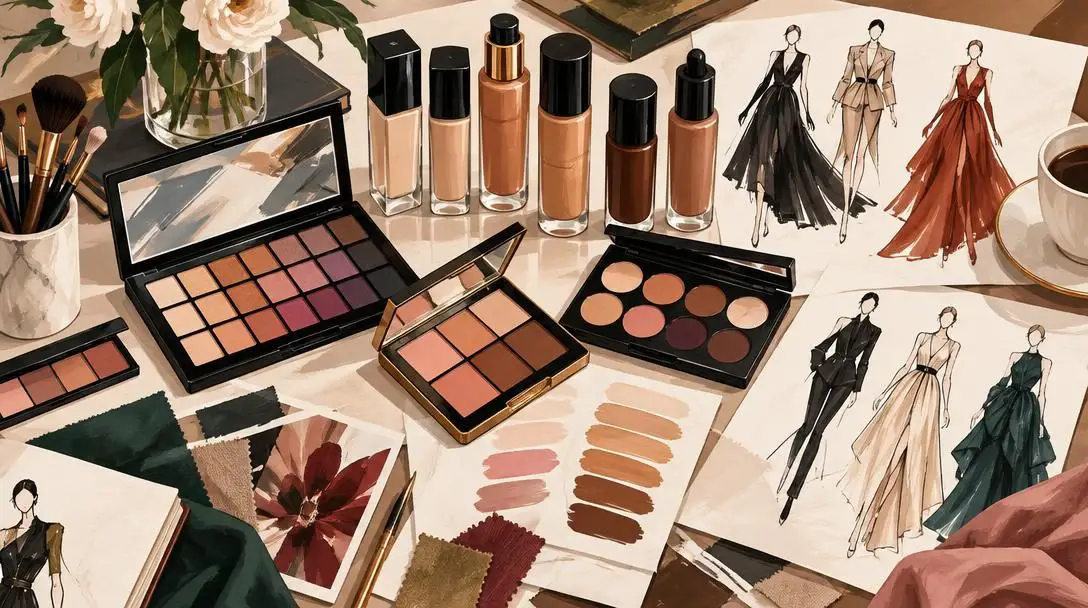
Rihanna has repeatedly proven her business acumen across the fashion and beauty landscapes. Her approach to apparel integrates her bold, boundary-pushing personal aesthetic with high-level production and targeted digital marketing. By using her personal platform to introduce collections directly to her audience, she bypasses the long promotional cycles that challenge independent designers. Rihanna’s ventures reflect an acute understanding of cultural trends and consumer demand, resulting in highly profitable multi-category enterprises.
Celebrity Fragrances: Accessible Luxury and Seasonal Packaging
Decades before the modern boom in influencer brands, the fragrance industry established the blueprint for celebrity-led consumer products. Fragrances offer an entry point into luxury lifestyle branding: consumers purchase an affordable, beautifully bottled product that connects them to the glamour, aura, and personality of their favorite artist.
Jennifer Lopez

- Industry: Fragrance and personal care
- Core strategy: Mainstream appeal and gift set distribution
- Promotional format: Seasonal marketing and holiday retail bundles
Jennifer Lopez was an early pioneer in transforming celebrity fragrance into a dominant retail powerhouse. Her signature scents were engineered to appeal directly to a broad, mainstream demographic seeking a fresh, accessible glamour. Her fragrance portfolio relies on consistent marketing campaigns and strategic packaging formats, including holiday gift sets paired with lotions and travel sprays. By placing these bundled offerings in department stores during peak shopping periods, her brand created a reliable, perennial revenue generator.
Beyonce
- Industry: Fragrance and luxury goods
- Marketing channels: Global ad campaigns and personal social platforms
- Retail execution: High-profile fragrance launches and seasonal sets
Beyonce expanded her global brand reach through fragrance releases that mirrored the sophistication and visual elegance of her music projects. By backing each launch with striking advertising campaigns, targeted promotional appearances, and digital promotion across her social channels, her fragrances consistently attracted consumer interest. Her releases leveraged attractive gift box configurations designed specifically to capture impulse and holiday gifting revenue at beauty counters worldwide.

Justin Bieber
- Industry: Mainstream fragrances
- Target demographic: Dedicated youth fan base
- Distribution focus: Department store counters and specialty beauty retail
Justin Bieber demonstrated how intense fan loyalty can be mobilized into massive retail fragrance sales. By developing scents designed specifically to appeal to his demographic, Bieber’s brand achieved immediate commercial visibility. The packaging, naming conventions, and marketing imagery directly reinforced his pop-cultural appeal. His fragrance collections leveraged holiday gift sets and prominent department store positioning to turn fan enthusiasm into substantial retail revenue.
Beauty Products: Social Media Disruption and Inclusivity
The cosmetics market has emerged as one of the most profitable sectors for celebrity founders. The visual nature of makeup makes it an ideal fit for modern video-driven social platforms, where live demonstrations, before-and-after reveals, and community reviews drive rapid buying decisions.
Kylie Cosmetics (Kylie Jenner)
- Founder: Kylie Jenner
- Primary channel: Direct-to-consumer social media drops
- Core innovation: Urgent scarcity marketing via social channels
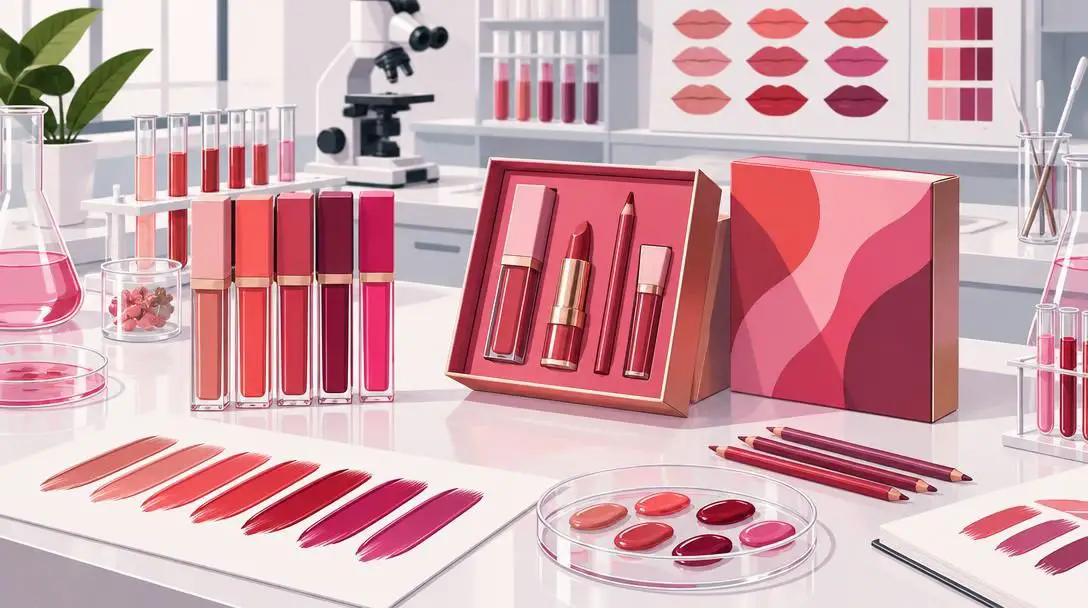
Kylie Jenner redefined modern cosmetics retail with the launch of Kylie Cosmetics. Rather than following traditional multi-year product development and department store testing schedules, Jenner used her personal social media platforms to showcase lip kits and cosmetic formulas directly to her millions of followers. She pioneered the modern social media product drop, creating high levels of urgency that caused collections to sell out within minutes of release. By appearing on camera to film swatches, tutorials, and behind-the-scenes previews, Jenner established an intimate direct-to-consumer sales engine that bypassed legacy cosmetic advertising.
Fenty Beauty (Rihanna)
- Founder: Rihanna
- Breakthrough innovation: Forty-plus inclusive foundation shade range
- Market impact: Industry-wide standard shift toward inclusivity
Fenty Beauty fundamentally disrupted the global cosmetics landscape by addressing an acute, long-neglected market gap. While legacy cosmetics manufacturers historically produced limited shade ranges that excluded consumers with deeper skin tones, Rihanna launched Fenty Beauty with an unprecedented, highly inclusive range of foundation shades. This decision challenged industry norms and fulfilled the needs of an underserved audience. Combined with Rihanna's personal tutorials and multi-channel retail availability, Fenty Beauty established that diversity and commercial profitability go hand in hand.
Honest Beauty (Jessica Alba)

- Founder: Jessica Alba
- Brand ethos: Clean formulations and everyday wellness
- Parent company: The Honest Company
Honest Beauty, launched as an extension of Jessica Alba's wider consumer brand, focuses on clean ingredients, everyday skincare, and accessible cosmetics. Alba utilized her public platform to showcase practical makeup routines, product demonstrations, and ingredient transparency. By positioning Honest Beauty around wellness, non-toxic formulations, and gentle daily use, Alba differentiated the line from high-glamour competitors and built trust with health-conscious shoppers seeking straightforward beauty routines.
Tech and E-Commerce Startups: Disruption and Alternative Models
Beyond traditional consumer goods like clothing and perfumes, celebrity founders have increasingly ventured into high-growth technology and digital commerce startups. These businesses require specialized operational structures, venture capital backing, complex logistics networks, and innovative business models designed to overhaul outdated industries.
The Honest Company
- Founder: Jessica Alba
- Market sector: Non-toxic household and baby goods
- Business model: Direct-to-consumer subscription and retail distribution
Co-founded by Jessica Alba, The Honest Company emerged from her personal frustration as a parent searching for safe, effective, and non-toxic household and baby products. Alba recognized an operational gap in the consumer packaged goods sector, where legacy household brands offered little transparency regarding synthetic chemicals and ingredients. Alba leveraged her celebrity platform to attract institutional venture investors, secure earned media coverage, and build a trusted direct-to-consumer subscription service that eventually expanded onto shelves across major retail chains nationwide.
Casper

- Industry: Sleep products and direct-to-consumer e-commerce
- Core innovation: Bed-in-a-box model bypassing traditional showrooms
- Growth drivers: Celebrity investor support and digital marketing
Casper completely altered the mattress retail industry by dismantling the traditional showroom purchasing model. Historically, buying a mattress involved navigating high-pressure sales environments, inflated retail markups, and complex delivery schedules. Casper introduced a direct-to-consumer bed-in-a-box model, vacuum-sealing mattresses into compact shipping boxes and delivering them directly to doorsteps with risk-free home trial periods. Backed by high-profile celebrity investors, Casper used its investor appeal and digital-first branding to achieve massive visibility and widespread consumer adoption.
Tidal

- Industry: Digital music streaming
- Value proposition: High-fidelity audio and artist-exclusive content
- Differentiator: Direct creator support and artist ownership
Tidal entered the competitive digital music streaming space by prioritizing high-fidelity sound quality, exclusive artistic releases, and an artist-centric financial model. Backed and co-owned by a collective of top-tier recording artists, the streaming platform aimed to provide consumers with superior audio fidelity while offering musicians better direct compensation and creative control. Tidal utilized star-studded press announcements and exclusive catalog releases to differentiate its platform in a market dominated by legacy tech incumbents.
At a Glance: Celebrity Business Models Across Industries
| Brand / Venture | Primary Sector | Core Innovation or Strategy | Key Distribution Model |
|---|---|---|---|
| Jessica Simpson Collection | Fashion & Apparel | Authentic, accessible everyday aesthetic | Department stores (Nordstrom, Macy's) |
| Kanye West Apparel | Fashion & Footwear | Scarcity marketing and unique silhouette design | High-profile digital drops and boutique retail |
| Jennifer Lopez Fragrances | Personal Care & Fragrance | Accessible luxury, signature scents, and holiday gift sets | Department stores and national beauty counters |
| Kylie Cosmetics | Beauty & Cosmetics | Urgent social media drops and live application tutorials | Direct-to-consumer website and specialty beauty stores |
| Fenty Beauty | Beauty & Cosmetics | Forty-plus foundation shade range for underserved demographics | Global beauty retail networks and online commerce |
| The Honest Company | Tech & Household Goods | Non-toxic, eco-friendly baby and home consumables | Subscription e-commerce and national mass retail |
| Casper | E-Commerce & Tech | Direct-to-doorstep shipping bypassing showroom markups | Online direct-to-consumer shipping |
| Tidal | Tech & Music Streaming | High-fidelity audio streaming and exclusive artist content | Digital subscription mobile and desktop software |
Core Mechanics: How Celebrity Ventures Actually Work
Behind glossy social media feeds and red-carpet announcements, high-performing celebrity businesses operate via sophisticated commercial infrastructure. Success requires far more than posting product photos; it depends on structured operational frameworks that manage development, manufacturing, and fulfillment at scale.
Brand-Centric Licensing and Joint Ventures: While some founders finance and run independent operations from scratch, many partner with experienced brand incubators or established manufacturing conglomerates. These operational partners bring seasoned supply chains, formulation chemists, warehousing, and wholesale relationships. The celebrity founder leads visual identity, product testing, creative direction, and customer acquisition. This division of labor allows each party to focus on its greatest strengths.
Direct Audience Conversion: Traditional consumer startups must allocate substantial portions of their seed capital to paid digital advertising on search engines and social platforms to acquire their initial customers. In contrast, celebrity founders convert their preexisting social media followings directly into paying customers. This zero-cost organic reach yields low customer acquisition costs during early growth phases, enabling ventures to achieve profitability and cash flow velocity much faster than unknown competitors.
Multi-Channel Distribution Networks: Pure direct-to-consumer models face scaling limits as online advertising costs rise. To achieve hundreds of millions of dollars in enterprise value, brands must expand into physical distribution. Successful celebrity enterprises strike agreements with major retailers like Nordstrom, Macy's, or specialty beauty retailers. Placing physical goods on shelves introduces the brand to shoppers who may not follow the celebrity online, driving high-volume sales through everyday foot traffic.
Strict Audience Alignment: The product category must naturally fit the celebrity's public persona. When consumers observe an authentic link between a founder's known interests—such as a musician designing stage-ready apparel or a parent seeking gentle baby wash—the enterprise feels natural. Conversely, when a celebrity promotes an unrelated white-label product, consumers view the venture as an insincere cash grab, leading to rapid brand fatigue.
Practical Steps for Aspiring Entrepreneurs
Although everyday founders do not command millions of social media followers or immediate access to venture capital, the strategic principles behind celebrity brands can be adapted by any small business owner or startup founder. Implementing these practical steps can help build brand equity and cultivate a loyal customer community.
- Define an Authentic Brand Identity: Clarify your unique perspective, core values, and aesthetic point of view. Consistency in your voice and visual presentation creates recognizable brand equity that differentiates your offerings from generic competitors in the market.
- Identify Real Market Gaps: Research underserved demographics or outdated retail formats. Look for product categories where incumbent brands have failed to innovate, neglected specific customer segments (as Fenty Beauty addressed), or failed to provide clean ingredients (as The Honest Company did).
- Harness Digital and Social Channels: Build an engaged community before spending capital on mass advertising. Produce behind-the-scenes content, share practical product demonstrations, and walk prospective customers through your development process to cultivate trust and organic anticipation.
- Collaborate with Relevant Influencers: Partner with micro-influencers and respected community voices in your niche. Working with credible creators whose followers trust their recommendations allows your business to reach targeted audiences without massive marketing budgets.
- Cultivate Strategic Partnerships: Seek wholesale relationships, local boutique stocking agreements, or joint promotional initiatives with complementary brands. Strategic partnerships grant your emerging products instant credibility and expand your reach into established customer bases.
Common Mistakes to Avoid
Even well-funded, celebrity-backed enterprises frequently fail when they mismanage foundational business principles. Reviewing common pitfalls helps independent entrepreneurs avoid costly strategic missteps.
- Prioritizing Brand Image Over Product Quality: A recognizable face or clever marketing campaign can generate an initial sales spike, but inferior product formulas or flimsy manufacturing guarantee high return rates and poor customer retention. Repeat orders drive long-term business value.
- Ignoring Audience Authenticity: Launching a business purely because a market category seems profitable often fails if the founder has no genuine connection to the field. Customers quickly recognize opportunistic branding and take their business elsewhere.
- Over-Reliance on Hype Alone: Promotional buzz cannot compensate for broken supply chains, late shipping, poor inventory forecasting, or inadequate customer support. High visibility only accelerates the downfall of an operationally flawed business.
- Failing to Adapt to Market Shifts: Consumer preferences change rapidly. Companies that refuse to expand shade lines, adjust product ingredients, or adopt more convenient purchasing models lose market share to agile competitors willing to listen to consumer feedback.
What to Consider Next for Long-Term Growth
For entrepreneurs, creators, and business operators seeking to build enduring commercial value, two broader strategic considerations warrant ongoing attention.
First, evaluate how evolving consumer expectations around ethical sourcing, transparency, and sustainability affect your market. As demonstrated by enterprises offering non-toxic household goods and inclusive cosmetics, modern shoppers increasingly vote with their wallets. They favor companies that intentionally solve cultural, health, or environmental challenges. Building sustainable practices into your supply chain from day one positions your enterprise for lasting relevance.
Second, plan for standalone enterprise equity. A business that relies entirely on a single individual's image faces inherent risks if that individual steps away. Whether you build a personal brand or an independent commercial label, design products that stand firmly on their own performance, quality, and community value. When a brand's goods deliver exceptional utility independent of the founder's persona, the enterprise secures sustainable long-term value.
Frequently asked questions
Why have celebrities shifted away from traditional product endorsements?
Traditional endorsements offered fixed payouts while corporations retained all equity, customer relationships, and long-term enterprise profits. By launching their own companies, celebrities retain executive control, direct profits, and the significant equity value generated by their personal brand influence.
How do celebrity brands keep customer acquisition costs so low?
Celebrity founders leverage their established social media platforms to introduce products directly to millions of existing followers. This built-in organic reach bypasses the expensive paid digital ad campaigns that traditional startups must rely on to drive early web traffic and sales.
Why do celebrity clothing lines still partner with physical department stores?
While direct-to-consumer e-commerce generates high margins, physical department stores like Nordstrom and Macy's provide massive foot traffic and credibility. Multi-channel distribution ensures products reach everyday shoppers who may not follow the celebrity online.
What made Fenty Beauty's market entry so disruptive?
Fenty Beauty addressed an acute market failure by launching with forty foundation shades designed to match previously overlooked skin tones. This established a new standard for inclusivity across the beauty industry while demonstrating the commercial power of serving diverse consumer segments.
Can a startup succeed using celebrity marketing strategies without a famous founder?
Yes. Non-celebrity entrepreneurs can adopt the same core mechanics: identifying underserved consumer gaps, maintaining authentic product alignment, leveraging video demonstrations on social media, and partnering with niche influencers to build community trust.
The bottom line
The rise of celebrity entrepreneurship demonstrates that attention and influence are powerful economic engines when paired with operational rigor and genuine product value. From Jessica Simpson's retail empire and Rihanna's industry-shifting cosmetics to Casper's direct-to-consumer logistics, the most successful ventures succeed because they solve real consumer problems, maintain authentic brand alignment, and leverage smart multi-channel distribution. By treating personal branding not as a superficial promotional trick, but as a commitment to product quality, transparency, and consumer connection, any business founder can build an enterprise built for long-term commercial growth.