The “Real Me”? How To Use Personality Tests To Gain Insight Into Yourself

Since the dawn of the commercial internet, digital quizzes have offered users an endless mirror of self-reflection. Browsing online platforms reveals everything from playful questionnaires that pair your temperament with a fictional superhero to clinical diagnostic assessments capable of detecting signs of mental health conditions. While these digital tools vary dramatically in rigor and purpose, they all tap into a deep-seated human desire: understanding the underlying habits, preferences, and traits that make up the authentic self.
The quest to categorize human temperament is far from a modern novelty. Centuries ago, early pioneers of personality assessment believed character could be mapped physically by measuring the shape and contours of the human skull. It was not until the late 1800s that the field moved away from anatomical measurements toward cognitive and behavioral evaluations. Today, personality tests are ubiquitous across corporate boardrooms, clinical practices, and personal development routines, translating complex psychological tendencies into structured, actionable profiles.
Key takeaways
- Personality assessments evolved from 19th-century physical skull evaluations into sophisticated, cognitive-focused behavioral frameworks.
- Modern inventories convert truthful self-reported answers into organized profiles that reveal interpersonal tendencies, strengths, and blind spots.
- Leading instruments like DISC, Caliper, and the Myers-Briggs Type Indicator serve specialized functions across hiring, team building, and self-discovery.
- Frameworks like the 16 Personalities model organize human judgment and perception into distinct cognitive categories spanning intuition, sensing, introversion, and extraversion.
- Test results should be treated as dynamic starting points for self-reflection rather than rigid labels that limit personal growth.
From Skull Measurements to Cognitive Function: The History of Personality Testing
The human impulse to classify individual behavior has undergone a profound scientific transformation over the past several centuries. In earlier eras, researchers operated under the assumption that an individual's moral character, intellect, and temperament were reflected in the physical structure of their skull. This physicalist approach dominated early character evaluation until the late 1800s, when emerging psychological science shifted the investigative lens away from anatomical anatomy and toward cognitive function, emotional processing, and measurable behavior.
The 20th century catalyzed widespread practical adoption of standardized testing. Military organizations worldwide recognized that structured psychological evaluations could assess whether recruits were mentally prepared and well-suited for active duty during wartime. Following these wartime implementations, industrial psychologists, educational institutions, and career counselors adapted testing methods to predict occupational performance, evaluate interpersonal compatibility, and refine corporate leadership.
In the contemporary digital era, high-speed internet connectivity has democratized access to psychological inventories. What once required an in-person session with a trained psychometrician can now be completed on a smartphone in minutes, making personal insight casual, globally accessible, and frequently free of charge.
How Modern Personality Tests Operate
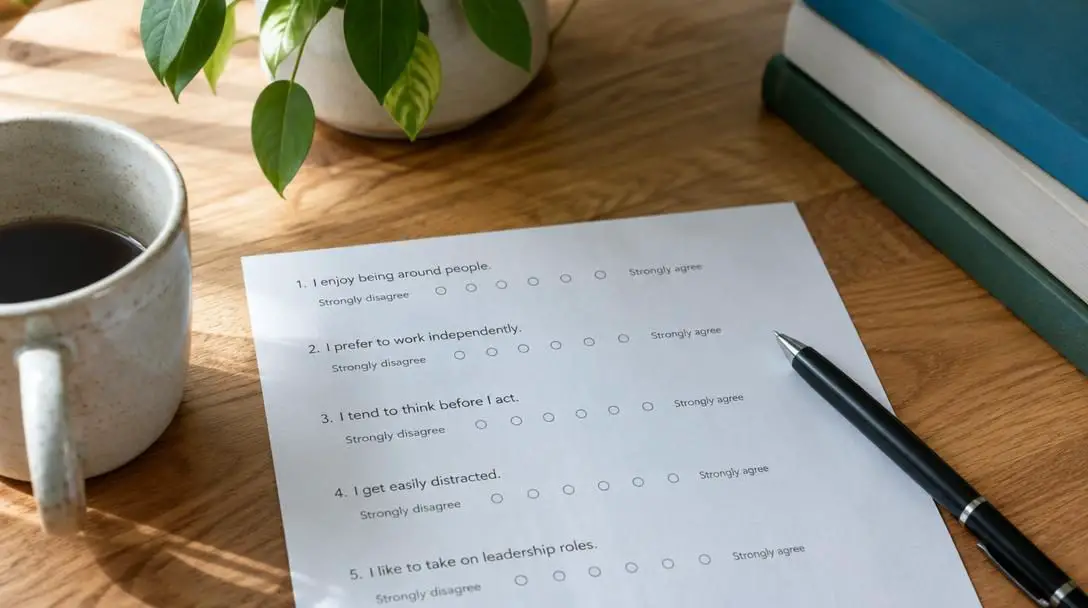
At their foundation, modern personality assessments work by presenting participants with a structured series of self-reflective statements. The testing mechanism relies on evaluating your conscious self-perception through standardized scales. While it can be tempting to tilt responses toward an idealized self-image—especially when matching with an admirable archetypal figure—the validity of any assessment depends entirely on rigorous personal honesty.
This dynamic is especially prominent during pre-employment screening, where candidates often encounter questionnaires before landing an initial interview. A candidate might be asked to agree or disagree with statements such as "I am comfortable making small talk at work" or "I am willing to confront leadership if I disagree with an operational policy." While framed within a professional context, these prompts reflect foundational aspects of character:
- Your comfort level when communicating with unfamiliar individuals.
- Your willingness to assert personal boundaries and advocate for your convictions.
- Your natural deference to organizational hierarchy and formal authority.
- Your instinctive reaction to interpersonal conflict and organizational tension.
Whether completed at a kitchen table or proctored in an executive assessment center, these tests convert qualitative self-evaluations into structured quantitative data. The resulting summaries highlight dominant strengths, spotlight hidden blind spots, define communication tendencies, and quantify how strongly an individual seeks authority, external validation, or social belonging.
A personality profile explains habitual preferences, but it should never become a rigid ceiling on personal development.
Eight Major Personality Inventories in Modern Use
Different personality instruments are calibrated for specific clinical, corporate, or introspective environments. The following eight inventories represent the most prominent frameworks utilized by psychologists, talent managers, and curious individuals today.
16 Personality Factor Questionnaire
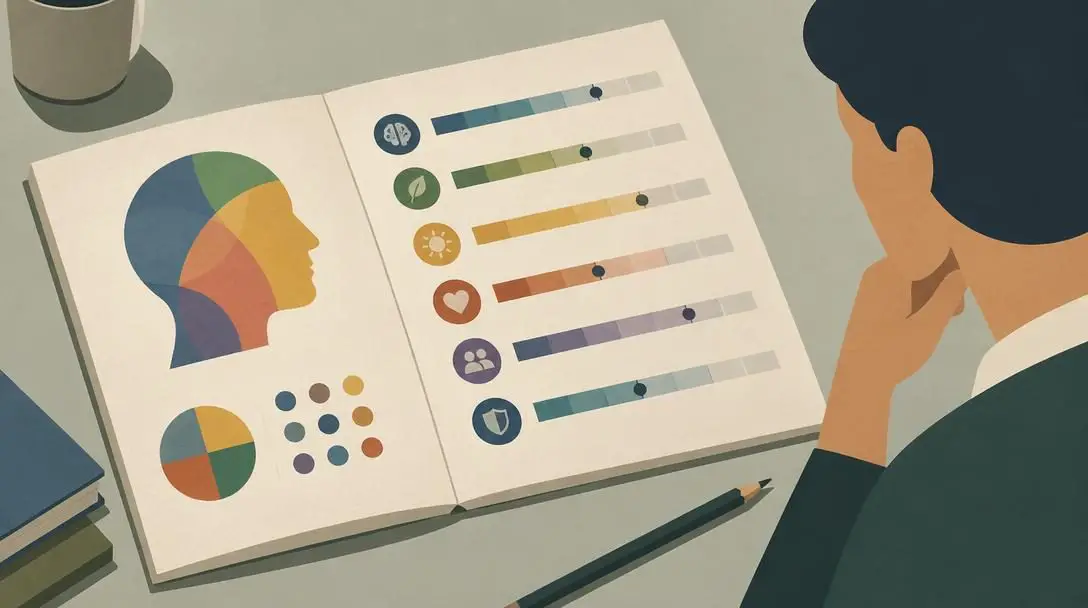
Developed to measure enduring personality traits across a wide spectrum of primary factors, this comprehensive assessment provides psychologists with a multidimensional behavioral overview. It is widely used in clinical, educational, and organizational settings to evaluate fundamental human tendencies and emotional resilience.
Caliper Profile
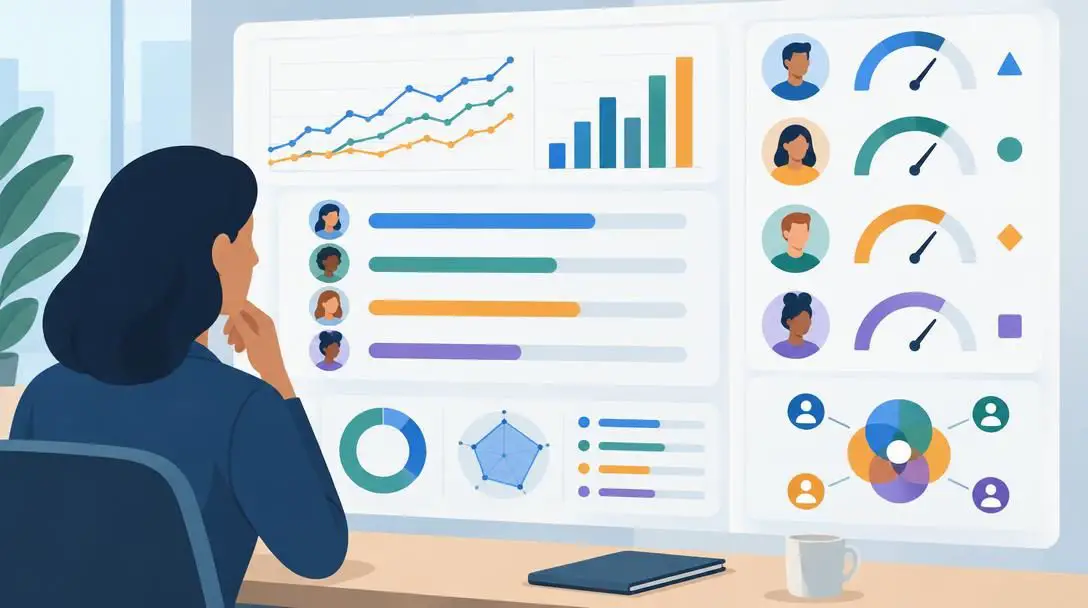
Widely utilized across corporate recruitment and executive development, this instrument assesses how a candidate's distinct behavioral tendencies correlate with specific job performance metrics. The assessment helps organizations determine whether an individual's natural motivations match the everyday demands of a target role.
DISC Personality Test

Centered on four core behavioral dimensions—dominance, influence, steadiness, and conscientiousness—this assessment is a staple of workplace team building. It provides actionable clarity on how individuals respond to challenges, influence others, manage work pace, and adhere to established rules.
Eysenck Personality Inventory
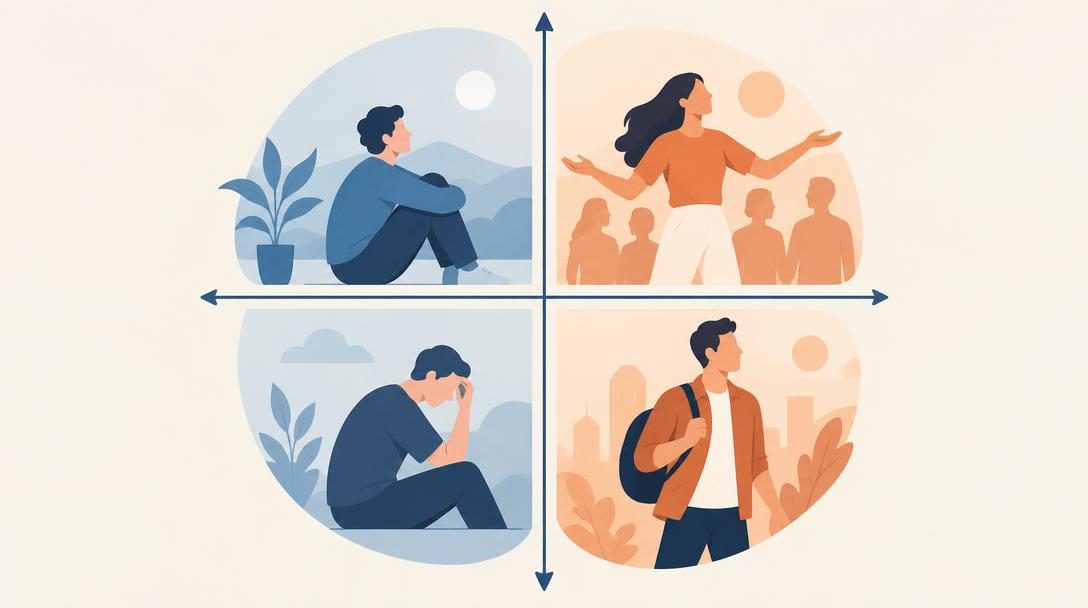
A classic instrument in psychological research, this questionnaire focuses primarily on evaluating two major independent dimensions of temperament: extraversion-introversion and neuroticism-stability. It provides a concise baseline for understanding an individual's biological and emotional reactivity.
HEXACO Personality Inventory
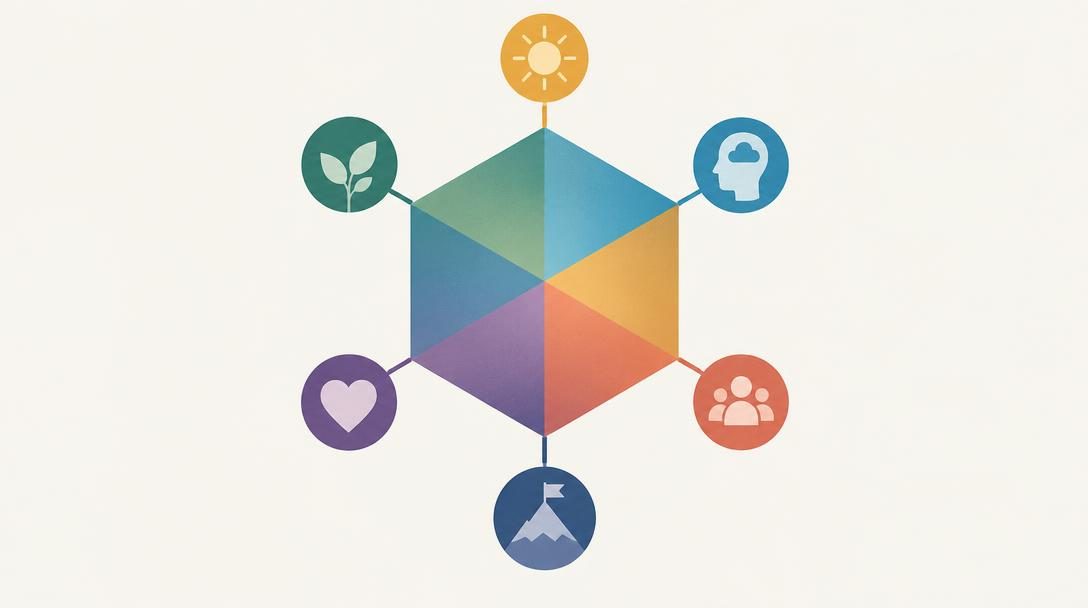
Built upon six broad structural dimensions of human personality, this model measures honesty-humility, emotionality, extraversion, agreeableness, conscientiousness, and openness to experience. It is particularly noted for evaluating ethical behavior, sincerity, and fair-mindedness.
Myers-Briggs Type Indicator

Perhaps the most globally recognized framework, this tool categorizes respondents into distinct psychological archetypes based on cognitive preferences. It sorts individuals across four dichotomies: energy orientation, information intake, decision-making style, and lifestyle structuring.
NEO Personality Inventory

Considered a standard measurement tool for the Big Five personality model, this comprehensive inventory evaluates neuroticism, extraversion, openness to experience, agreeableness, and conscientiousness. It is frequently employed in academic psychology and clinical evaluations.
SHL Occupational Personality Questionnaire

Engineered specifically for corporate environments, this tool evaluates workplace behavioral styles and operational tendencies. It provides hiring managers with detailed insight into how an applicant manages tasks, leads teams, and collaborates under organizational pressure.

At a Glance: Comparing Prominent Personality Inventories
The table below summarizes the key attributes and common applications for each major assessment framework discussed in contemporary psychology and organizational design.
| Assessment Name | Primary Focus | Common Application | Core Mechanism |
|---|---|---|---|
| 16 Personality Factor Questionnaire | 16 primary behavioral traits | Clinical evaluation and counseling | Factor-analyzed trait spectrums |
| Caliper Profile | Job-matching behavioral tendencies | Hiring and executive placement | Role-alignment scoring |
| DISC Personality Test | Workplace communication and pace | Team building and leadership development | Four-quadrant behavioral model |
| Eysenck Personality Inventory | Extraversion and emotional stability | Academic and biological research | Two-axis dimensional scale |
| HEXACO Personality Inventory | Six structural personality dimensions | Psychological and ethical research | Honesty-humility trait mapping |
| Myers-Briggs Type Indicator | Cognitive preferences and worldview | Self-discovery and career guidance | Four-letter type categorization |
| NEO Personality Inventory | Five-factor personality domains | Clinical and academic assessment | Big Five trait evaluation |
| SHL Occupational Personality Questionnaire | Workplace operational competencies | Corporate recruitment and talent planning | Workplace behavioral questions |
Mapping Cognitive Preferences: The 16 Personality Types
Typology assessments group individuals based on distinct patterns of perception, judgment, and emotional processing. Some individuals navigate the world through analytical logic and empirical evidence, while others prioritize relational harmony and internal values. Within models based on Carl Jung's cognitive theories, such as the 16 Personalities framework, types are organized by whether a person directs energy inward (introversion) or outward (extraversion), paired with how they gather information (sensing or intuition) and make decisions (thinking or feeling).
| Type | Archetype Title | Cognitive Orientation | Defining Behavioral Tendencies |
|---|---|---|---|
| INTJ | The Architect | Introverted Intuition | Strategic, analytical, perfectionistic, and driven by complex systems. |
| INTP | The Logician | Introverted Intuition | Inventive, intellectually curious, abstract, and focused on conceptual logic. |
| INFJ | The Advocate | Introverted Intuition | Principled, visionary, compassionate, and quietly dedicated to ideals. |
| INFP | The Mediator | Introverted Intuition | Empathetic, introspective, open-minded, and motivated by personal values. |
| ISTJ | The Logistician | Introverted Sensing | Responsible, methodical, orderly, and committed to practical tradition. |
| ISTP | The Virtuoso | Introverted Sensing | Pragmatic, observant, flexible, and driven by mechanical problem-solving. |
| ISFJ | The Defender | Introverted Sensing | Protective, dedicated, thorough, and focused on practical service to others. |
| ISFP | The Adventurer | Introverted Sensing | Spontaneous, warm, artistically sensitive, and attuned to the present. |
| ENTJ | The Commander | Extroverted Intuition | Authoritative, decisive, forward-thinking, and skilled at organizing systems. |
| ENTP | The Debater | Extroverted Intuition | Intellectually playful, argumentative, quick-witted, and unconventional. |
| ENFJ | The Protagonist | Extroverted Intuition | Charismatic, inspiring, collaborative, and attuned to the growth of others. |
| ENFP | The Campaigner | Extroverted Intuition | Vibrant, enthusiastic, imaginative, and deeply interested in human potential. |
| ESTJ | The Executive | Extroverted Sensing | Organized, direct, rule-oriented, and focused on administrative clarity. |
| ESTP | The Entrepreneur | Extroverted Sensing | Bold, energetic, pragmatic, and comfortable with rapid, practical risks. |
| ESFJ | The Consul | Extroverted Sensing | Social, supportive, cooperative, and attentive to group harmony. |
| ESFP | The Entertainer | Extroverted Sensing | Spontaneous, engaging, lively, and energized by shared social experiences. |
Step-by-Step: How to Turn Test Results into Actionable Insight
Completing a questionnaire is merely the diagnostic phase of personal development. To transform a simple list of traits into tangible self-improvement, follow this structured approach:
- Choose the right assessment for your specific goal: Match the instrument to what you intend to discover. If you are preparing for a job transition, complete a business-focused inventory like the SHL Occupational Questionnaire or a DISC profile. If you seek personal reflection, explore the Myers-Briggs or 16 Personalities framework.
- Embrace absolute honesty during the evaluation: Answer prompts based on your instinctive habits rather than the persona you hope to project. Curating your answers ruins the integrity of the diagnostic and deprives you of useful self-awareness.
- Translate situational prompts to broader life domains: When a question asks how you manage an uncomfortable confrontation with a supervisor, consider how that same dynamic manifests when setting boundaries with friends or partners.
- Separate your natural strengths from your blind spots: Intentionally spend equal time reviewing your vulnerabilities and your talents. Treating a personality result solely as praise prevents genuine growth.
- Identify concrete behavioral patterns: Cross-reference your results with actual decisions, relationship challenges, and stressors from your past to verify whether the profile matches your real-world conduct.
Common Mistakes to Avoid When Interpreting Personality Profiles
While personality inventories offer genuine psychological utility, their value is easily compromised when users approach them with flawed assumptions. Keep the following pitfalls in mind:
- Manipulating answers to achieve a preferred outcome: Tilting responses to guarantee a prestigious or rare type undermines the entire process, yielding a profile of a fantasy persona rather than your actual self.
- Treating casual internet quizzes as clinical instruments: Entertaining, gamified quizzes do not possess the methodological validity of proctored, standardized clinical inventories designed to assess mental health conditions.
- Using a personality label as an excuse for stagnation: Explaining that you cannot practice active listening or maintain personal discipline because of your four-letter type turns an insightful model into an artificial ceiling.
- Ignoring contextual adaptation and personal aging: Human temperament evolves over time. A test taken during a high-stress life crisis may look remarkably different from one completed during a period of stability.
- Stereotyping colleagues and peers based on their types: Reducing complex human beings to a four-letter abbreviation ignores nuance and impairs genuine, individualized communication.
What to Consider Next: Applying Your Results
Once you receive your assessment summary, start by validating the conclusions with trusted friends, colleagues, or family members. Asking those who interact with you daily whether your profile matches their lived experience can highlight discrepancies between your internal self-image and your outward demeanor.
From there, convert your results into targeted behavioral practice. If your profile confirms that you avoid necessary conflict, you have an identified skill to develop through assertive communication training. If the test highlights natural talents for strategic planning and structured organization, seek out responsibilities and collaborative roles that leverage those core competencies.
Frequently asked questions
Can a personality test officially diagnose a mental illness?
Standard personal or workplace assessments cannot diagnose psychological disorders. While clinical instruments like comprehensive diagnostic inventories are used by licensed mental health practitioners, casual quizzes and business-oriented assessments are designed solely to evaluate non-clinical behavioral styles.
Why do my personality test results change over time?
Personality traits are not completely static. Major life events, career transitions, aging, and fluctuations in chronic stress alter how you process information and manage interpersonal interactions, which naturally shifts your self-reported responses.
Why do hiring managers require personality tests before interviews?
Employers utilize occupational questionnaires like the Caliper Profile or SHL assessments to evaluate whether an applicant's behavioral habits and communication styles align with the daily demands and collaborative dynamics of the open position.
Is the Myers-Briggs Type Indicator considered a clinical test?
No, the Myers-Briggs framework is not a clinical diagnostic instrument. It is a reflective psychological preference model designed for personal development, career guidance, and workplace communication rather than clinical psychological evaluation.
What should I do if I disagree with my personality test results?
Review the report with someone who knows you well to determine whether the results reflect blind spots in your self-perception. If the findings still feel inaccurate, consider whether you answered questions based on an idealized self-image or retake a different standardized assessment.
The bottom line
Personality assessments offer a structured lens through which to explore how you think, communicate, and navigate challenges. From 19th-century skull analyses to contemporary psychological models, the instruments used to evaluate character have grown increasingly sophisticated. By answering questions truthfully, treating weaknesses as avenues for development, and avoiding rigid stereotypes, you can use these frameworks as lifelong tools for building genuine, actionable self-awareness.