The Secrets of Success: How Denzel Washington Got Famous
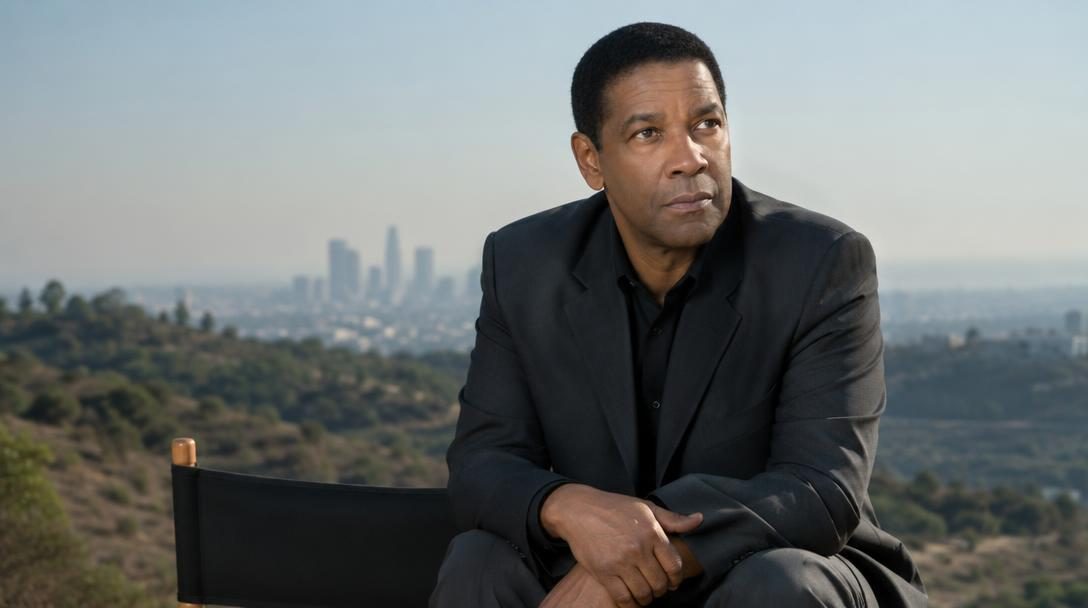
Few figures in modern entertainment command the enduring reverence, critical acclaim, and cultural stature of Denzel Washington. Over a career spanning multiple decades, his magnetic presence, vast dramatic range, and dignified authority have established him as an undisputed titan of American cinema. Yet Washington's ascent to international prominence was neither an overnight phenomenon nor an accident of fortunate timing; it was the result of a deliberate, disciplined process grounded in craft and resilience.
From his middle-class beginnings to leading iconic cinematic projects, Washington's artistic evolution offers universal lessons for ambitious professionals across any industry. By examining the foundations of his education, his landmark performances, and his uncompromising work ethic, we uncover an actionable blueprint for turning raw potential into generational mastery.
Key takeaways
- Washington built his career on rigorous technical preparation at Fordham University and the American Conservatory Theater rather than relying on natural charm alone.
- His 1989 portrayal of Private Trip in the Civil War film Glory established him as a premier dramatic talent capable of deep emotional authority.
- By actively rejecting narrow stereotypes, Washington expanded the definition of a leading man and opened doors for subsequent generations in cinema.
- Long-term professional endurance requires creative versatility, ethical integrity, and a willingness to reinvest success back into the community.
The Early Foundations: From Mount Vernon to Formal Craft
To grasp the trajectory of Denzel Washington's sustained success, one must examine his roots in Mount Vernon, New York. Raised in a middle-class household, he developed an affinity for dramatic expression at an early age. However, his artistic ambitions were met with direct skepticism from his father. Instead of abandoning his aspirations or succumbing to discouragement, Washington transformed this familial doubt into a clarifying crucible. The friction forced him to approach acting with profound seriousness, instilling a relentless work ethic that prevented him from treating performance as a casual hobby.
This early foundation established a resilience that defined his later career. Mount Vernon gave him a grounded perspective, ensuring that he remained anchored regardless of the volatility of creative professions. When confronted by early barriers, Washington routinely turned external doubt into internal resolve, developing an appetite for difficult challenges and demanding standards.
His dedication to genuine mastery led him to enroll at Fordham University. Initially, Washington pursued studies in journalism, a field centered on observation, human inquiry, and storytelling. Yet as his natural draw toward dramatic performance persisted, he made the pivotal decision to change his academic major to drama. This major shift reflected a core operating principle that Washington repeated throughout his life: the courage to abandon a safe, conventional path to align daily work with an authentic vocational calling.
Recognizing that raw charisma could only carry an artist so far, Washington sought elite technical instruction immediately following his graduation from Fordham. He enrolled at the prestigious American Conservatory Theater in San Francisco. Under the direction of demanding mentors, he immersed himself in classical voice training, physical presence, script analysis, and the psychological mechanics of character motivation. This formal training gave him a deep technical foundation that distinguished him from peers who depended solely on unpolished presence.
Dismantling Hollywood Stereotypes and Changing Cinema
Throughout the history of Hollywood, systemic industry conventions frequently relegated actors of color to one-dimensional, stereotypical archetypes. Washington consciously broke this cycle by insisting on psychological complexity, intellectual depth, and genuine humanity in every project he accepted. Rather than yielding to commercial pressures to take easy, safe parts, he selected characters distinguished by moral tension, internal conflict, and authentic gravity.
Washington proved to studio executives and global audiences alike that a Black actor could command major dramatic features, lead blockbuster productions, and earn critical adulation without compromising artistic standards. His performances expanded the cultural definition of a cinematic leading man, proving that universal human themes resonate globally when delivered with uncompromising authenticity.

By consistently demanding intellectual gravity in non-stereotypical roles, Washington redefined what a leading man could look like and achieve on the global stage.
This legacy created a new standard for modern storytelling. By coupling commercial viability with high-level artistic integrity, Washington dismantled long-standing industry assumptions. His triumphs established a lasting pathway for subsequent generations of actors, writers, and directors, proving that profound artistic depth and box-office drawing power can coexist at the highest levels of entertainment.
Landmark Roles That Defined a Career
Washington’s deliberate refusal to be pigeonholed led him to seek varied roles across historical epics, character-driven dramas, and intense thrillers. The following landmark projects illustrate how he deployed his technical training across disparate genres.
| Project Title | Genre / Style | Character Portrayed | Career Significance |
|---|---|---|---|
| Glory | Civil War Historical Drama | Private Trip | Transformative breakthrough earning widespread critical acclaim |
| Malcolm X | Historical Biopic | Malcolm X | Epic dramatic scale showcasing transformative psychological depth |
| Remember the Titans | Inspirational Drama | Coach Herman Boone | Established cross-generational audience appeal and moral authority |
| Training Day | Urban Crime Drama | Detective Alonzo Harris | Demonstrated range by mastering a complex, morally compromised figure |
Glory

- Milestone Year: 1989
- Character: Private Trip
- Primary Genre: Civil War drama
- Key Impact: Breakthrough role establishing critical authority
While Washington had built an impressive body of work on stage and television, his performance as Private Trip in the 1989 Civil War masterpiece Glory propelled him into the upper tier of the industry. Portraying an escaped enslaved man who enlists in the Union Army's 54th Massachusetts Infantry Regiment, Washington delivered an emotionally layered performance marked by unvarnished anger, guarded vulnerability, and profound defiance. The raw psychological truth he brought to the screen captivated film critics and secured his standing as a dramatic force capable of carrying monumental narrative weight.
Malcolm X

- Character: Malcolm X
- Primary Genre: Monumental historical biopic
- Key Focus: Transformative biographical narrative
- Key Impact: Demonstrated command of historical and rhetorical complexity
In this monumental historical biopic, Washington took on the complex responsibility of portraying the legendary civil rights leader across multiple stages of personal and ideological evolution. Rather than delivering a simple impersonation, Washington fully embodied his subject's intellectual ferocity, rhetorical precision, and shifting spiritual perspective. The performance required immense vocal command and emotional endurance, cementing his status as an actor of singular artistic seriousness who could anchor an epic historical narrative.
Remember the Titans

- Primary Genre: Inspirational sports drama
- Narrative Focus: Leadership and community integration
- Key Impact: Cemented cross-generational and mainstream appeal
- Core Theme: Moral resolve and team unity
Venturing into the heartfelt, inspirational sports genre, Washington portrayed a football coach tasked with uniting a racially divided high school team and community. His performance balanced rigorous discipline with deep empathy, creating a compelling portrait of leadership under social strain. The film’s massive resonance demonstrated Washington's broad cultural appeal, proving that his magnetic presence could elevate an accessible family drama without sacrificing emotional truth.
Training Day

- Primary Genre: Intense urban crime drama
- Character Style: Morally complex, corrupt narcotics officer
- Key Impact: Shattered conventional heroic expectations
- Strategic Value: Demonstrated absolute refusal to be typecast
Washington boldly subverted audience expectations by stepping into the role of a charismatic yet deeply corrupt narcotics detective navigating the streets of Los Angeles. In this intense, morally complex urban drama, he abandoned conventional heroic charm to deliver a volatile, predatory, and psychologically gripping performance. The role showcased his extraordinary versatility, confirming that he was unafraid to inhabit dark, controversial human motivations to serve the story.
The Four Core Pillars of Washington's Longevity
Sustaining elite performance across several decades requires more than talent; it demands a structured personal and professional philosophy. Washington’s career rests upon four foundational pillars that have preserved his standing in an unpredictable industry.
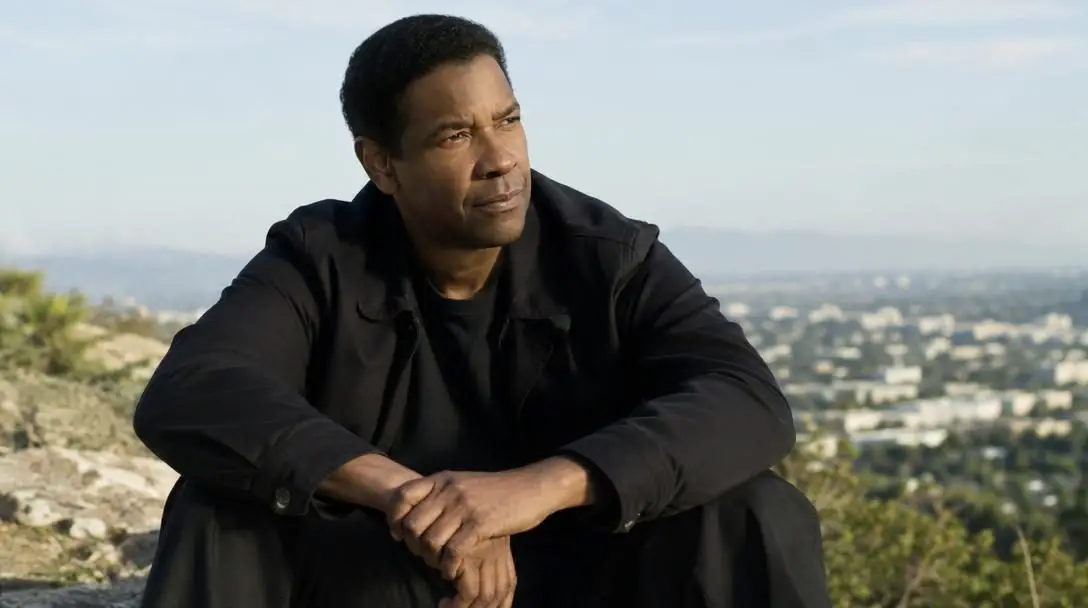
- Unwavering Work Ethic and Meticulous Preparation: Washington approaches every role through exhaustive research and psychological investigation. He refuses to rely on superficial gestures, choosing instead to uncover the internal contradictions, motives, and emotional realities of his characters. This discipline makes him a model of professionalism on every set.
- Creative Versatility Across Genres: Longevity requires avoiding the stagnation of typecasting. By moving freely between period dramas, intense modern thrillers, and inspirational mainstream stories, Washington continuously expanded his capabilities while cultivating a dedicated, multi-generational audience.
- Grounded Identity and Ethical Integrity: Amid the distractions, praise, and pressures of international stardom, Washington has maintained an unshakeable sense of humility and personal discipline. His refusal to compromise his values has preserved his reputation for dependable character and professional reliability.
- Social Purpose and Philanthropic Leadership: True success is never purely self-serving. Throughout his life, Washington has leveraged his public platform, personal time, and capital to champion social causes, support educational initiatives, and aid community institutions, ensuring his success provides broad social utility.
The Strategic Blueprint: Applying Washington's Model
While few professionals will step in front of a Hollywood camera, the operating principles that guided Denzel Washington's ascent can be applied within any demanding field. Professionals can implement this systematic approach to build sustainable careers of genuine substance.
- Commit to rigorous foundational training: Bypass the temptation to rely exclusively on innate charisma or natural talent. Seek out demanding educational programs, technical bootcamps, and seasoned mentors who challenge your weaknesses and teach you the mechanics of your trade.
- Embrace strategic re-alignment: Follow Washington’s example of shifting from journalism to drama when your authentic aptitude becomes clear. When your current trajectory fails to fulfill your true potential, make a calculated, courageous pivot toward your real strengths.
- Prepare meticulously for every assignment: Treat small tasks and large projects with identical rigor. Conduct thorough background research, analyze stakeholder motivations, and master the technical details before entering the room.
- Cultivate cross-functional range: Deliberately take on projects outside your core comfort zone. Work across diverse departments, technologies, and creative styles to prevent obsolescence and build a resilient professional identity.
- Protect your ethical integrity and humility: Balance exceptional performance with personal dependability, respect for peers, and modesty. Long-term leadership requires an internal moral compass that prioritizes long-term reputation over short-term expediency.
- Reinvest your influence for social good: As your organizational standing and financial resources grow, actively direct your influence toward mentoring junior colleagues, supporting community initiatives, and creating opportunities for others.
Critical Career Pitfalls to Avoid
Many aspiring leaders falter because they fall prey to common career traps. To safeguard your career over decades, remain vigilant against these self-defeating behaviors:
- Expecting overnight stardom: Underestimating the years of quiet study, modest assignments, and slow development that precede visible recognition leads to disillusionment and premature surrender.
- Neglecting technical fundamentals: Depending on superficial charm or presentation skills while skipping rigorous foundational training leaves you exposed when complex, high-stakes crises emerge.
- Allowing external skepticism to paralyze momentum: Permitting the doubts of colleagues, gatekeepers, or family members to dictate your ambitions will stall your professional trajectory before it starts.
- Settling for safe typecasting: Repeating the exact same comfortable performance or delivering identical project outcomes produces intellectual stagnation and eventual professional irrelevance.
- Compromising ethical values for temporary advancement: Sacrificing your integrity or exploiting professional relationships for short-term gain builds a fragile reputation that quickly crumbles under scrutiny.
- Pursuing isolated, self-serving ambition: Viewing achievement solely as an instrument for personal wealth or individual vanity deprives work of lasting meaning and prevents you from creating a generational legacy.
Evaluating Your Long-Term Direction
Adopting Washington's rigorous standard demands honest, ongoing self-examination. Professionals should periodically assess their trajectory against three fundamental questions to ensure they remain on course for sustained impact.
First, evaluate your commitment to continuous craft improvement. Are you actively sharpening your abilities through deliberate study, demanding coaching, and new methodologies, or are you passively coasting on past accomplishments? Determine what rigorous training you must undertake to reach the very top tier of your profession.
Second, assess the dynamic range of your current portfolio. Does your recent work demonstrate adaptability across different challenges, or have you confined yourself to a safe, narrow niche? Seek out impending assignments that push you into unfamiliar territory and require you to solve complex, novel problems.
Finally, examine your ultimate purpose. When your defining career opportunity arrives, will your daily preparation ensure you are equipped to command the moment? True distinction is reflected not merely by individual accolades, but by the lasting opportunities and ethical foundation you create for those who follow.
Frequently asked questions
Where did Denzel Washington receive his formal acting training?
Washington began his dramatic training at Fordham University, where he initially studied journalism before switching his major to drama. After earning his undergraduate degree, he completed intensive professional training at the American Conservatory Theater in San Francisco, where he studied voice, physical movement, and psychological character development under accomplished mentors.
What role served as Denzel Washington's breakthrough into major stardom?
His transformative breakthrough occurred in the 1989 Civil War film Glory, in which he played Private Trip. His emotionally charged, nuanced performance earned widespread critical acclaim and demonstrated his capacity to carry complex dramatic material at the highest level of cinema.
How did Washington avoid being typecast early in his career?
Washington deliberately sought varied roles across diverse genres, moving fluidly between historical epics like Glory and Malcolm X, inspirational dramas like Remember the Titans, and gritty urban crime thrillers like Training Day. This strategic versatility proved his broad range and secured a cross-generational audience.
How did Washington's early upbringing in Mount Vernon shape his work ethic?
Growing up in a middle-class family in Mount Vernon, New York, Washington encountered early skepticism from his father regarding an acting career. Instead of giving up, he used that doubt as motivation to refine his ambitions, develop emotional resilience, and treat dramatic performance as a rigorous craft demanding disciplined preparation.
In what ways did Washington alter the landscape for actors of color in Hollywood?
Washington dismantled long-standing Hollywood conventions that limited actors of color to narrow, stereotypical roles. By demanding multi-dimensional characters imbued with intellectual depth and moral authority, he redefined what a leading man could be and opened pathways for future generations of diverse artists.
The Bottom Line
Denzel Washington's legendary standing in modern cinema is the direct outcome of disciplined preparation, artistic courage, and an uncompromising moral compass. Rather than chasing fleeting visibility, he invested heavily in foundational craft, boldly challenged industry limitations, and embraced versatile, high-risk creative projects. By grounding his ambition in humility and using his hard-won influence to serve the wider community, Washington has constructed a model of excellence that will inspire ambitious professionals across all disciplines for generations to come.