The Secrets of Success: How Dick Van Dyke Got Famous
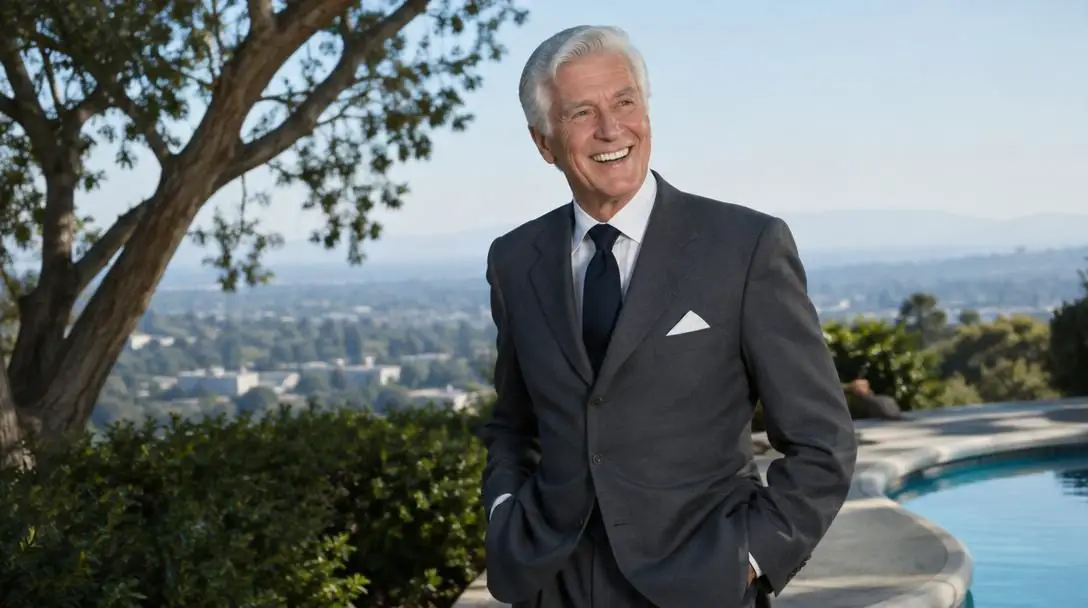
Few figures in American entertainment have matched the enduring warmth, kinetic agility, and cross-generational appeal of Dick Van Dyke. Across a career spanning more than six decades, he achieved monumental success in live theater, network television, radio, and major motion pictures. With his signature combination of rubber-limbed physical comedy, musical talent, and relatable charm, he established himself as an icon of mid-century performance whose appeal continues to resonate with modern audiences.
Yet the buoyant, effortless quality that characterized his public persona masked a far more grueling reality behind the scenes. Van Dyke's ascent was marked by intense financial insecurity, years of professional obscurity, and personal battles against addiction and domestic heartbreak. By exploring how he navigated both his early struggles and his defining creative breakthroughs, we uncover a masterclass in creative longevity, disciplined adaptability, and personal resilience.
Key takeaways
- Early economic hardship and a sequence of demanding odd jobs forged the discipline and stamina required for Van Dyke's long performance career.
- A pivotal early-1950s appearance on The Phil Silvers Show catalyzed his transition from regional obscurity to national prominence.
- Collaborative chemistry with visionaries like Carl Reiner and Walt Disney enabled him to define sitcom history and star in enduring cinematic classics.
- Van Dyke sustained relevance across six decades by diversifying his talents across acting, singing, dancing, writing, directing, and producing.
- Confronting severe personal challenges, including alcoholism and family distress, demonstrated that private integrity and health are indispensable to enduring achievement.
The Danville Foundation: Early Life and Economic Hardship
Born in West Plains, Missouri, in 1925, Dick Van Dyke spent his formative years in Danville, Illinois. His childhood unfolded against a backdrop of tight household finances. His father made a modest living working as a traveling salesman, while his mother managed the household as a housewife. With financial resources chronically scarce, young Van Dyke learned early on that personal ambition had to coexist with the practical demands of family survival.
Rather than deterring his creative instincts, the pressure of his family's economic situation forced him to develop a tireless work ethic. To help support his household, Van Dyke took on an array of physically taxing, unglamorous odd jobs:
- Delivering morning newspapers on foot before the school day began.
- Selling peanuts to eager crowds under the canvas of the circus big top.
- Enduring lengthy, exhausting shifts working the floor of a local manufacturing factory.
Despite these heavy labor commitments, Van Dyke nurtured an intense passion for the performing arts. He threw himself into community theater productions, spending his limited free time refining the vocal articulation, facial dexterity, and animated body language that would later become his professional calling cards. His expressive voice eventually secured him work as a radio announcer, but steady creative employment remained frustratingly elusive.
During these early years, professional opportunities were erratic at best. Van Dyke faced repeated rejections from casting directors and struggled through long stretches of creative unemployment. Yet this crucible of lean years taught him how to sustain morale during dry spells, building the stamina necessary to withstand the volatile nature of the entertainment industry.
The Breakthrough: From Obscurity to Household Fame
Van Dyke's pivotal breakthrough came in the early 1950s. After years of relentless persistence in regional theater and local broadcasts, he secured a guest spot on The Phil Silvers Show. The brief appearance proved transformative. Industry executives took notice of his natural likability, precise comedic timing, and uncanny physical command, unlocking doors to the competitive national entertainment market.
The defining moment of his television career arrived in 1961 when writer and producer Carl Reiner tapped him to lead a new situation comedy. Titled The Dick Van Dyke Show, the production became an instant cultural milestone and elevated Van Dyke into the upper echelon of American entertainers.
| Project | Medium | Primary Role | Career Impact |
|---|---|---|---|
| The Dick Van Dyke Show | Television Sitcom | Rob Petrie | National fame, five-season success, major industry awards |
| Bye Bye Birdie | Feature Film | Albert Peterson | Seamless transition from Broadway stage to cinematic musical |
| Mary Poppins | Feature Film | Bert / Mr. Dawes Sr. | Global box office triumph, enduring worldwide legacy |
| Chitty Chitty Bang Bang | Feature Film | Caractacus Potts | Established international status as a leading family-film star |
| Diagnosis Murder | Television Drama | Dr. Mark Sloan | Multi-season procedural hit across the 1990s and early 2000s |
Signature Productions and Defining Roles
Van Dyke resisted the temptation to settle into a single creative groove. Instead, he channeled his television momentum into a succession of major cinematic and theatrical ventures, proving that his artistic range extended far beyond the living-room sitcom.
The Dick Van Dyke Show
- Debut Year: 1961
- Character: Rob Petrie
- Creator: Carl Reiner
- Duration: Five celebrated seasons
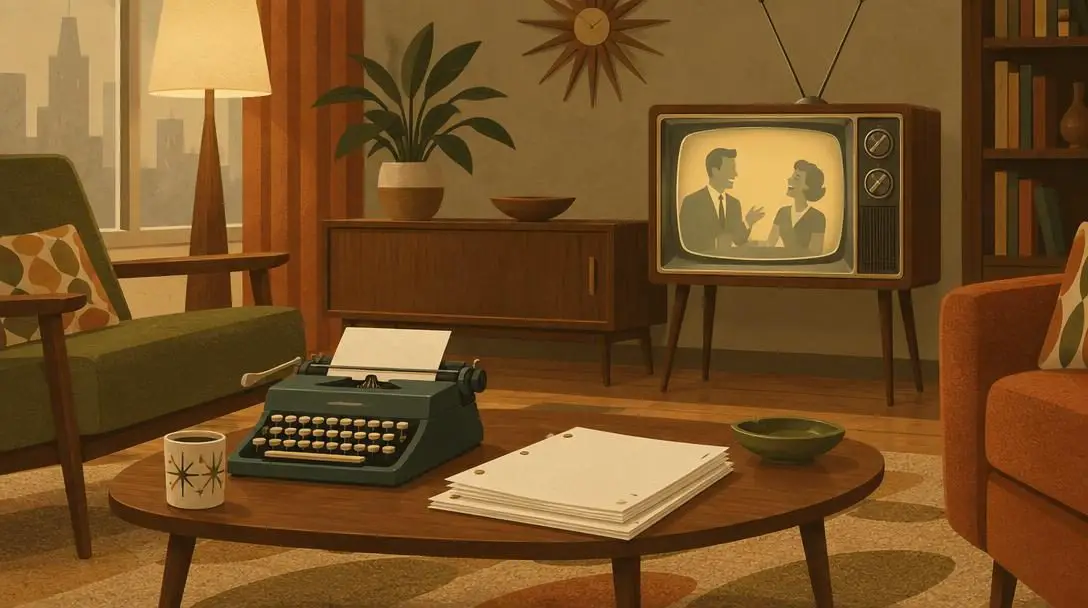
As Rob Petrie, the head writer of a fictional television variety program, Van Dyke demonstrated an extraordinary balance of verbal sophistication and acrobatic slapstick. The program ran for five seasons, winning widespread critical acclaim, dominating television ratings, and earning numerous major industry awards. His nuanced performance established a template for modern television comedy, capturing the anxieties and humor of suburban domestic life alongside the frantic energy of a 1960s writers' room.
Bye Bye Birdie
- Medium: Feature film musical
- Character: Albert Peterson
- Format: Broadway stage adaptation
Having initially triumphed in the stage production, Van Dyke reprised his role as the high-strung songwriter and manager Albert Peterson for the silver screen. The film adaptation affirmed that his kinetic theatrical presence translated seamlessly to cinema. Through complicated musical numbers and rapid-fire dialogue, he proved he could anchor a star-studded ensemble without losing his distinctive comedic voice.
Mary Poppins

- Studio: Walt Disney Productions
- Characters: Bert the Chimney Sweep / Mr. Dawes Sr.
- Key Highlights: Acrobatic choreography, dual casting
In Walt Disney's musical masterpiece, Van Dyke delivered what remains one of the most beloved performances in the history of cinema. Playing the cheerful cockney chimney sweep Bert—as well as the elderly banking director Mr. Dawes Sr.—he demonstrated dazzling athletic stamina, complex dance work, and heartfelt musicality. The film was an international sensation that introduced his talents to multiple generations of global filmgoers.
Chitty Chitty Bang Bang

- Genre: Whimsical family musical
- Character: Caractacus Potts
- Distinction: International box office headliner
Taking on the role of the eccentric, warmhearted inventor Caractacus Potts, Van Dyke led this sweeping musical fantasy with effortless charm. The production reinforced his standing as a major international box office attraction capable of carrying complex, effects-heavy family productions while preserving genuine emotional intimacy on screen.
Diagnosis Murder
- Medium: Weekly television drama
- Character: Dr. Mark Sloan
- Broadcast Run: 1990s through early 2000s
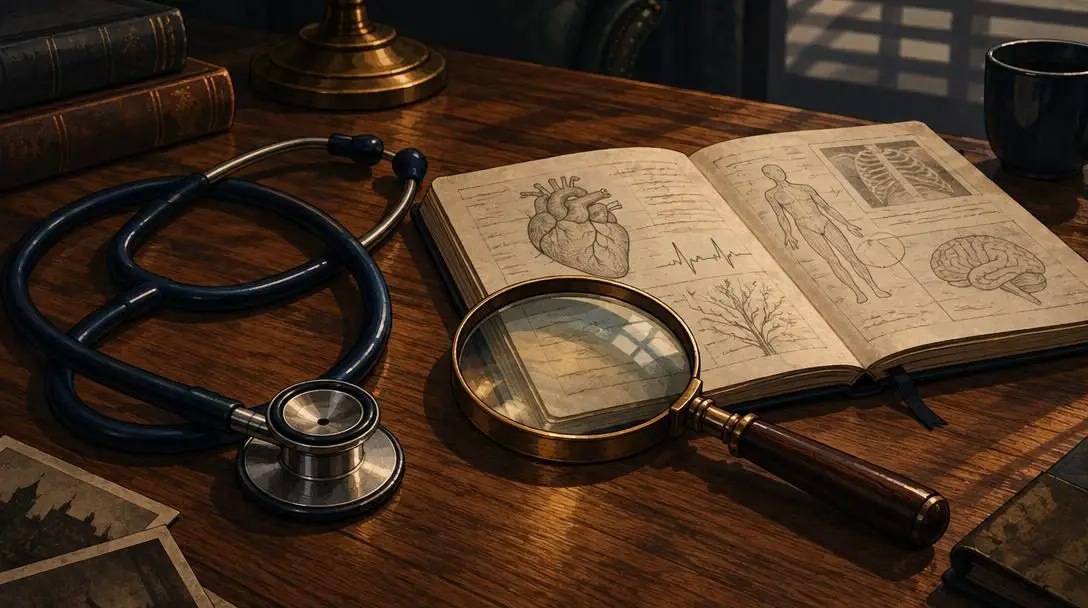
Rather than retiring after decades of success, Van Dyke orchestrated a late-career resurgence by taking the starring role in the long-running mystery series Diagnosis Murder. Portraying a perceptive physician who assisted law enforcement officers in solving homicides, the hour-long procedural demonstrated his ability to pivot gracefully into light drama, earning a devoted following among a whole new generation of viewers.
Behind the Smiles: Overcoming Addiction and Private Trials
The sparkling, sunny exterior that Van Dyke brought to television and film contrasted sharply with the private turmoil he faced behind closed doors. During the peak years of his professional acclaim, his personal life was subjected to profound domestic and psychological strains.
His first marriage suffered from intense emotional distress and ultimately concluded in divorce, while his second wife dealt with debilitating mental health challenges that introduced acute heartbreak into their domestic life. Facing the immense pressure of public life alongside these private crises, Van Dyke developed a severe, debilitating addiction to alcohol. He later connected this dependency directly to the profound loneliness and isolation he experienced while clawing his way out of early professional obscurity.
True career longevity requires the courage to confront personal fault lines behind closed doors long before external accolades can offer lasting peace.
Recognizing that his physical health and moral character were at stake, Van Dyke chose to confront his alcoholism openly and seek recovery. Overcoming the illness demanded radical self-honesty, proving that navigating private vulnerability requires even greater fortitude than commanding an audience of millions.
The Architecture of Creative Longevity
Van Dyke’s career serves as an inspiring blueprint for professionals seeking to build durable, lifelong careers in volatile industries. His longevity was not an accident of good fortune; it was built upon key operational principles:
- Skill Diversification: Performers limited to a single mode of expression often struggle when consumer preferences evolve. By mastering dance, physical clowning, vocal performance, and dramatic acting, Van Dyke remained broadly employable.
- Symbiotic Collaboration: Lasting creative achievement depends heavily on mutual respect. The groundbreaking success of his eponymous sitcom stemmed directly from his trust in Carl Reiner's writing and structural vision.
- Proactive Adaptation: Thriving across six decades requires moving smoothly between media formats. Van Dyke navigated golden-age radio, multi-camera studio sitcoms, large-scale cinematic musicals, and hour-long television procedurals without missing a step.
- Tenacity Under Pressure: Long-term careers invariably experience professional dry spells and personal heartbreak. The capacity to persist through lean years while actively addressing health challenges separates enduring masters from fleeting stars.
Practical Steps for Long-Term Career Mastery
Whether pursuing an artistic craft or building a modern enterprise, applying the core lessons of Van Dyke’s journey requires a disciplined, structured approach to career management.
- Develop a broad skill foundation: Dedicate regular time to acquiring complementary skills adjacent to your main specialty, expanding the ways you can deliver value.
- Endure the lean development years: Accept that early endeavors rarely offer immediate financial or critical rewards. Maintain your discipline and morale during low-earning periods.
- Maximize minor openings: Treat every brief opportunity or secondary assignment with consummate professionalism, recognizing that a small role can serve as a catalyst for major advancement.
- Venture beyond your comfort zone: Periodically take calculated creative risks by pivoting to unfamiliar formats or genres to prevent artistic stagnation.
- Prioritize personal well-being: Confront emotional strains, substance dependencies, and personal issues directly, rather than expecting external milestones to resolve internal pain.
- Embrace a lifelong student mindset: Continue expanding your portfolio across all career stages by exploring related roles such as writing, directing, or mentoring.
Common Traps That Derail Career Progression
Aspiring professionals frequently succumb to avoidable errors when navigating competitive landscapes. Understanding these pitfalls helps safeguard both your creative output and personal well-being.
- Chasing overnight results: Abandoning projects or career paths simply because immediate recognition fails to materialize overlooks the years of quiet labor needed to build genuine mastery.
- Rejecting humble assignments: Turning down low-profile or low-paying opportunities early in a career closes vital training grounds that sharpen your capabilities.
- Voluntary pigeonholing: Confining yourself strictly to a single specialty or identity leaves you unprotected when technological or industry conditions shift.
- Ignoring personal health: Believing that professional achievements can outrun unaddressed mental distress or addiction inevitably triggers catastrophic burnout.
- Resting on early laurels: Treating a signature breakthrough as a final destination rather than a platform for continued reinvention leads directly to irrelevance.
Frequently asked questions
Where did Dick Van Dyke grow up?
He was born in West Plains, Missouri, in 1925 and grew up in Danville, Illinois, where his family navigated tight household finances.
What was Dick Van Dyke's first major television breakthrough?
A guest appearance on The Phil Silvers Show in the early 1950s showcased his comedic timing and physical presence to industry executives, setting the stage for his casting in The Dick Van Dyke Show in 1961.
Which famous characters did he portray on film?
Among his most famous film roles are Albert Peterson in Bye Bye Birdie, the dual roles of Bert and Mr. Dawes Sr. in Mary Poppins, and the eccentric inventor Caractacus Potts in Chitty Chitty Bang Bang.
What personal struggles did Dick Van Dyke confront during his career?
Behind his public success, he dealt with intense domestic strain, including a divorce from his first wife, severe mental health struggles experienced by his second wife, and a prolonged, difficult battle with alcoholism stemming from early career isolation.
What television series defined his late-career resurgence?
In the 1990s and early 2000s, Van Dyke starred as Dr. Mark Sloan in the hit television procedural Diagnosis Murder, introducing his talents to a whole new generation of viewers.
The bottom line
Dick Van Dyke’s extraordinary ascent from a small-town Midwestern youth working paper routes and factory shifts to an internationally celebrated entertainer illustrates that lasting creative triumph is an endurance run. It demands far more than raw, innate talent; it requires continuous learning, unyielding resilience through personal setbacks, and the versatility to evolve alongside shifting industry horizons.
By investing in multiple artistic skills, treating minor opportunities with deep care, and meeting private personal struggles with radical honesty, Van Dyke crafted a legacy that transcends eras. His six-decade journey remains an enduring blueprint for anyone seeking to turn creative potential into a lifetime of meaningful, joyful work.