The Secrets of Success: How Eddie Murphy Got Famous
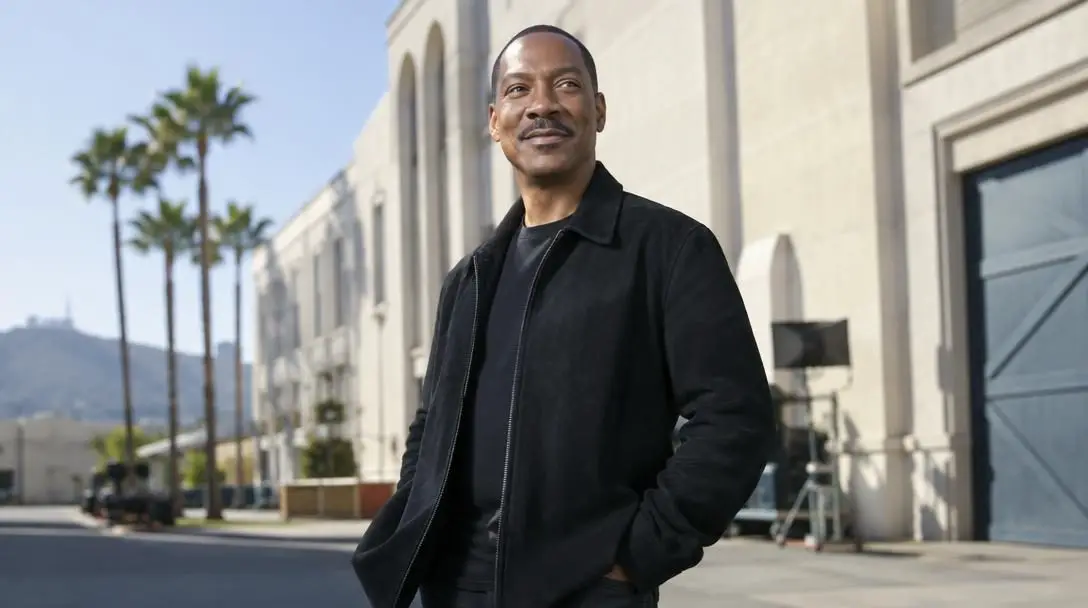
Eddie Murphy stands as one of the most transformative figures in modern entertainment history. Over a career spanning more than four decades, his trajectory provides an instructive case study in creative endurance, instinctive talent, deliberate risk-taking, and professional resilience. From a childhood marked by personal hardship in Brooklyn to commanding the peak of the global box office, television stardom, and late-career critical renaissances, Murphy has navigated every extreme the entertainment industry can present.
Studying his artistic evolution reveals how an entertainer can systematically establish credibility, capture the attention of a national audience, expand across creative mediums, and overcome severe career downturns. Whether working on a live sketch broadcast, anchoring an action blockbuster, producing studio albums, or mounting an ambitious streaming revival, Murphy's strategic decisions offer enduring insights for artists, creators, and business leaders aiming to build lasting relevance.
Key takeaways
- Early mastery in low-stakes, grassroots environments provides the technical foundation required to succeed when high-profile opportunities arise.
- Securing a major national distribution channel can instantly transform raw talent into an indispensable commercial brand.
- Translating momentum across distinct mediums, such as moving from television to cinema, protects against creative stagnation.
- Intentional pauses and diversification during downturns allow an artist to reset public expectations and engineer impactful comebacks.
Landmark Milestones in Murphy's Career Evolution
To grasp the mechanics of Murphy's longevity, it is necessary to examine the foundational projects that established his reputation, validated his commercial draw, and later revitalized his legacy across different eras of media.
Saturday Night Live

- Debut Year: 1980
- Format: Late-night sketch television
- Performer Age: 19 years old
- Strategic Function: National distribution launchpad and creative laboratory
Joining the cast in 1980 at just nineteen years old, Murphy found the vehicle that propelled an energetic local comic into a national household name. At a time when the iconic NBC program was grappling with severe creative uncertainty following major cast departures, Murphy revitalized the broadcast. Through fearless deliveries, kinetic energy, and bold character work, he became the undeniable centerpiece of the show. The program functioned as an intense creative laboratory where he proved to industry executives and audiences nationwide that he possessed the stage presence and comedic timing required to carry major commercial properties on his shoulders alone.
48 Hrs.

- Release Year: 1982
- Format: Feature film debut
- Genre: Action-comedy thriller
- Strategic Function: Cross-industry transition to Hollywood leading man
Marking his transition from late-night television to Hollywood cinema, this project demonstrated Murphy's ability to cross mediums without sacrificing creative momentum. In his big-screen debut, Murphy blended his quick-witted comedic style with the gritty tension of an action film. The movie achieved immense box office success and critical acclaim, pioneering the modern buddy-cop cinematic formula. By commanding the screen alongside seasoned dramatic actors, Murphy proved that his personal charisma operated just as effectively on theatre screens as it did on television sets in American living rooms.
Trading Places
- Release Year: 1983
- Format: Studio comedy feature
- Genre: Satirical comedy
- Strategic Function: Validation of range and ensemble versatility
Solidifying his cinematic credibility shortly after his screen debut, this classic production matched Murphy with elite comedic talent and sharp social commentary. His performance displayed nuanced comedic control, illustrating that his appeal extended far beyond fast quips into sophisticated, character-driven storytelling. The overwhelming commercial and critical success of the film demonstrated that Murphy's initial cinematic breakthrough was not an isolated novelty, cementing his reputation as Hollywood's premier young comic actor capable of co-anchoring prestigious studio ensemble projects.
Beverly Hills Cop

- Release Year: 1984
- Format: Action-comedy franchise premiere
- Commercial Reach: Global box office record-breaker
- Strategic Function: Solidification of undisputed solo superstar status
This blockbuster milestone cemented Murphy's status as a bona fide global superstar and the definitive Hollywood leading man of the 1980s and early 1990s. Carrying the entire narrative with charm, improvisation, and explosive presence, Murphy shattered industry conventions regarding what a comedic action film could achieve commercially. The film broke international box office records, launched a multi-decade franchise, and established that his individual brand had transcended domestic media to attain unmatched international commercial dominance.

Dolemite Is My Name

- Release Year: 2019
- Format: Biographical comedy-drama
- Subject Portrayed: Rudy Ray Moore
- Strategic Function: Critical renaissance and late-career resurgence
Serving as the core of his recent artistic renaissance, this production highlighted Murphy's mature performance instincts and enduring cultural significance. Portraying comedy and blaxploitation trailblazer Rudy Ray Moore, Murphy offered a nuanced, celebratory, and vulnerable performance that earned widespread critical praise and major awards consideration. The production affirmed his ability to execute an ambitious comeback, reminding modern audiences of his technical depth and versatility beyond straightforward mainstream comedy.
Coming 2 America

- Release Year: 2021
- Format: Streaming comedy sequel
- Distribution Platform: Global streaming release
- Strategic Function: Legacy intellectual property modernization
Revisiting one of the most beloved cinematic worlds in his catalog, this sequel demonstrated Murphy's command over his artistic legacy. By returning to familiar characters while adopting modern digital streaming distribution channels, the project reached multi-generational audiences and dominated streaming viewership metrics. The film demonstrated that classic intellectual property, when guided with genuine reverence and original creative involvement, can successfully bridge generational divides decades after its initial release.
Through those early performances, Murphy actively honed his craft, developing the sharp timing and stage presence that would soon define his career.
Milestone Projects at a Glance
The progression of Murphy's high-impact releases highlights his tactical movement through live television, studio cinema, dramatic exploration, and streaming platforms.
| Project Title | Distribution Format | Primary Genre | Core Strategic Value |
|---|---|---|---|
| Saturday Night Live | Broadcast Television | Live Sketch Comedy | Established national visibility and tested creative instincts |
| 48 Hrs. | Theatrical Film | Action Comedy | Pioneered buddy-cop template and proved cinematic appeal |
| Trading Places | Theatrical Film | Social Satire | Demonstrated character nuance and ensemble strength |
| Beverly Hills Cop | Theatrical Film | Blockbuster Action | Achieved international box office dominance and franchise power |
| Dolemite Is My Name | Streaming Feature | Biographical Comedy-Drama | Triggered critical renaissance and demonstrated dramatic depth |
| Coming 2 America | Streaming Feature | Legacy Comedy Sequel | Connected classic intellectual property with modern audiences |
The Five Structural Phases of Career Longevity
Sustained prominence across four decades is never the result of chance. Murphy's trajectory illustrates an operational framework that can be dissected and applied by ambitious professionals across creative, technological, and corporate disciplines.
The first phase centers on incubation. Before any mainstream visibility materialized, Murphy spent his teenage years performing in local New York comedy clubs. Facing small crowds, unvarnished feedback, and modest environments allowed him to experiment, refine his pacing, and conquer stage fright without the paralyzing scrutiny of national cameras. Professionals must similarly commit to quiet, iterative development before demanding the spotlight.
The second phase relies on finding a breakthrough distribution channel. Exceptional raw talent needs distribution at scale to convert into broad cultural or economic influence. For Murphy, joining the cast of Saturday Night Live in 1980 supplied an entry point into millions of households every weekend. Rather than merely participating, he seized the platform, turning a struggling program into an unmissable weekly showcase for his original characters and sharp impressions.
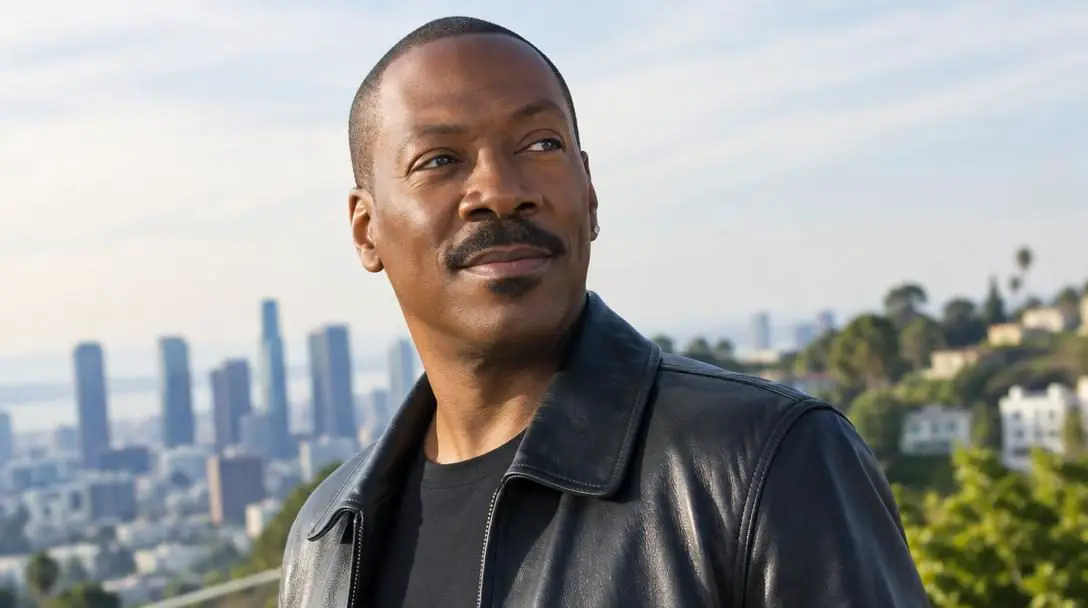
The third phase demands cross-industry translation. True professional longevity depends on transporting core competencies across different operating environments. Murphy refused to stay confined to late-night television. By leveraging his comedic timing into full-length cinematic storytelling, he expanded his value proposition and established himself as a box office anchor throughout the 1980s and early 1990s.
The fourth phase involves navigating inevitable downturns. Market tastes fluctuate, studio projects underperform, and personal challenges arise. Murphy faced high-profile box office disappointments, critical skepticism, and intense public scrutiny regarding his personal life and past stand-up material. Rather than forcing creative output in hostile conditions, he stepped back, explored studio music production, and gave the public imagination room to reset.
The fifth phase represents the comeback and legacy phase. Established professionals can leverage historical goodwill to mount ambitious returns on modern distribution platforms. By pairing authentic biographical storytelling in Dolemite Is My Name with a long-awaited return to stand-up comedy through a planned Netflix special, Murphy cemented his status as an elder statesman of comedy while actively shaping modern culture.
Actionable Steps to Apply Murphy's Methods to Your Career
While few individuals experience the dizzying heights of global movie stardom, the operational patterns that guided Murphy through industry turbulence can be applied across business, leadership, and the creative arts.
- Cultivate your fundamentals in local environments: Avoid delaying action while waiting for elite representation or ideal circumstances. Seek grassroots venues, small business settings, or independent platforms where you can fail at low cost and refine your core skills.
- Ground your work in intrinsic motivation: Murphy turned to comedy to navigate childhood poverty and family struggles in Brooklyn. Grounding your career focus in genuine passion provides the psychological stamina needed to survive unglamorous early years.
- Maximize your critical opportunities: When granted access to high-visibility assignments, deliver unmatched execution. Murphy transformed brief supporting segments on live television into breakout showcases through intense preparation and presence.
- Diversify your professional portfolio: Do not restrict your identity to a single operational channel. Pursue complementary endeavors—such as writing, executive producing, or independent artistic disciplines—to maintain resilience when your primary market experiences a lull.
- Pause and recalibrate instead of forcing output: Forcing work during an artistic or economic dry spell can accelerate burnout. Take deliberate, structured pauses to explore outside interests, study emerging trends, and rebuild creative reserves.
- Adopt a multi-decade mindset: Recognize that professional progress is cyclical rather than linear. Treat harsh appraisals, negative reviews, and temporary failures as isolated data points rather than permanent verdicts.
Mistakes to Avoid When Navigating Setbacks
Examining Murphy's career also reveals critical tactical traps that frequently compromise creators and professionals when confronting professional headwinds.
- Allowing initial adversity to define potential: Overcoming early hardships required Murphy to view personal obstacles as hurdles to clear rather than permanent boundaries. Treating initial disadvantages as fatal excuses stops career momentum before it starts.
- Succumbing to paralysis after commercial failure: When feature films underperformed at the box office, Murphy did not abandon his creative career. Walking away in the face of negative reviews or commercial slumps remains the primary trap for mid-career professionals.
- Resisting changing audience preferences: Attempting to replicate old formulas indefinitely leads to artistic irrelevance. Maintaining a four-decade career requires adjusting delivery, media formats, and narrative tone as cultural platforms modernize.
- Allowing external controversy to consume creative energy: Enduring intense media attention regarding personal divorces and public debates over previous comedic material required emotional containment. Allowing external noise to dictate daily focus consumes the cognitive energy needed for original work.
- Presuming early success guarantees permanence: A legendary run of commercial hits can breed intellectual complacency. Assuming previous achievements guarantee future victories leads directly to poor project selection and diminished execution.
Frequently asked questions
How old was Eddie Murphy when he joined Saturday Night Live?
Eddie Murphy joined the cast of NBC's Saturday Night Live in 1980 at nineteen years old, rapidly becoming the breakout performer who helped revitalize the series during a challenging creative transition.
What was Eddie Murphy's feature film debut?
His debut feature film was the 1982 action-comedy 48 Hrs., in which his performance established the modern buddy-cop film template and proved his talent translated seamlessly to cinema screens.
How did Eddie Murphy navigate career downswings and negative reviews?
When facing underperforming films, harsh critical reviews, and personal scrutiny, Murphy stepped away from the spotlight, shifted creative focus toward studio music production, and allowed the public market to reset before planning high-profile comebacks.
Which projects led Eddie Murphy's recent critical renaissance?
His recent resurgence was spearheaded by his critically acclaimed biographical performance in Dolemite Is My Name, the streaming success of Coming 2 America, and preparations for a major Netflix stand-up special.
What was the commercial significance of Beverly Hills Cop?
Released in 1984, Beverly Hills Cop broke international box office records, spawned a major ongoing franchise, and confirmed Murphy's status as an undisputed top-tier global leading man throughout the 1980s and early 1990s.
The bottom line
The enduring career of Eddie Murphy demonstrates that sustained professional success is an active discipline rather than a lucky roll of the dice. By mastering craft fundamentals in small New York comedy clubs, seizing high-leverage broadcast platforms, transitioning into blockbuster cinema, and managing public downturns with strategic patience, Murphy constructed a blueprint for multi-generational longevity. Regardless of your discipline, diagnosing your current professional phase, sharpening your unique strengths, and embracing the cyclical nature of creative work will empower you to construct an enduring, impact-driven career.