The Secrets of Success: How Elon Musk Got Famous
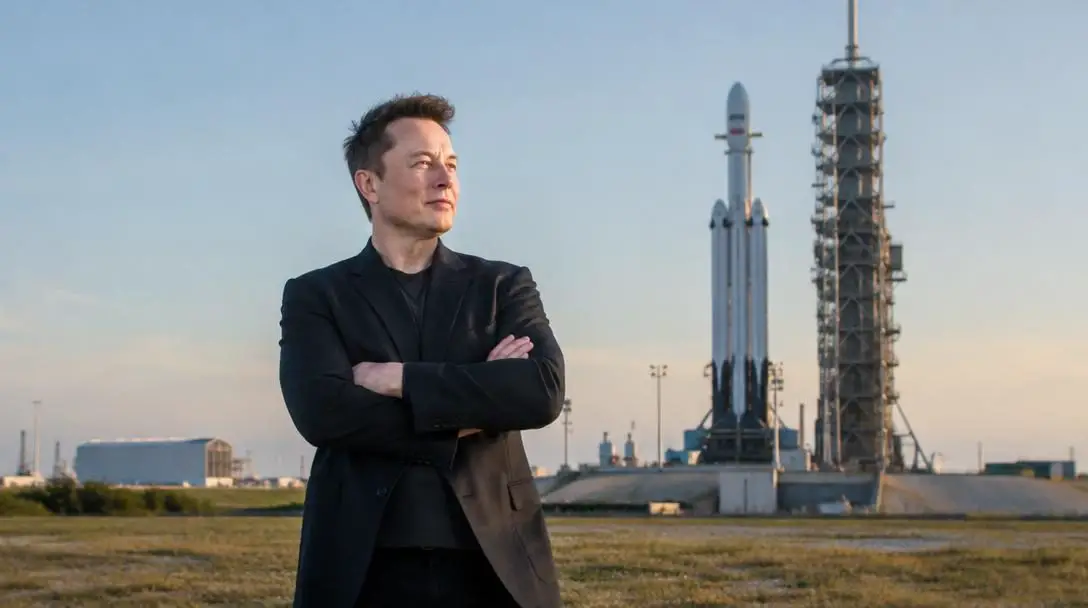
Elon Musk has become one of the most visible, debated, and disruptive figures in contemporary industry. By challenging conventions across aerospace, automotive manufacturing, digital finance, and renewable power, he has redefined what private enterprise can achieve in sectors long dominated by risk-averse conglomerates and government institutions. His rise was neither accidental nor an overnight phenomenon; it reflects an escalating series of high-stakes commercial ventures underpinned by a rigorous engineering mindset and an appetite for capital risk.
To understand Musk's global stature, one must examine the progression of his career from his early self-taught programming projects in South Africa to the complex multi-planetary and clean-energy initiatives he oversees today. By breaking down his core business ventures, his operational philosophy, and the controversies that have shadowed his trajectory, entrepreneurs and observers can gain a clear perspective on the mechanics of modern industrial innovation.
Key takeaways
- Elon Musk built his foundation through dual degrees in physics and economics, marrying physical first principles with capital efficiency.
- Sequential liquidity events from Zip2 and PayPal provided the private capital necessary to enter heavy industrial sectors like aerospace and automotive manufacturing.
- Musk's operational philosophy relies on first-principles thinking, iterative prototyping, extreme work hours, and reinvesting personal wealth into unproven markets.
- Major structural innovations include orbital-class reusable rocketry at SpaceX and proving the commercial viability of mass-market electric vehicles at Tesla.
- Aggressive public communications, unrealistic project timelines, and resistance to regulatory oversight remain his most significant organizational liabilities.
Foundational years and academic roots
Elon Musk was born on June 28, 1971, in Pretoria, South Africa. His early domestic life was marked by change and self-reliance; following the divorce of his parents during his youth, he lived across multiple South African cities alongside his siblings and his mother, who worked as a Canadian model and dietician. Throughout this formative period, Musk exhibited an intense, self-directed curiosity regarding computational systems, literature, and physical mechanics. An insatiable reader from childhood, he consumed encyclopedias and specialized reference texts to understand how complex systems operated beneath the surface.
His technical instincts materialized at an early age. When he was just 12 years old, Musk taught himself computer programming and coded a functional basic video game. This achievement reflected an early preference for direct technical literacy over reliance on outside intermediaries. Recognizing that North America offered broader commercial and academic possibilities for the industries he wished to pursue, Musk left South Africa. He initially moved to Canada to study at Queen's University before transferring to the United States to attend the University of Pennsylvania.
At the University of Pennsylvania, Musk pursued an academic curriculum that directly informed his subsequent industrial strategy. He completed two distinct undergraduate degrees: a Bachelor of Science in physics and a Bachelor of Science in economics. This dual grounding allowed him to evaluate engineering problems through the lens of natural physical limits while simultaneously analyzing capital allocation, production unit costs, and long-term commercial viability.
Key ventures in the rise of Elon Musk
Musk's path to global prominence developed as an escalating sequence of enterprises. Each venture yielded higher capital returns, greater organizational confidence, and the operational credibility needed to enter capital-intensive legacy sectors protected by high barriers to entry.
Zip2
- Co-founder: Kimbal Musk
- Core service: Digital directories and city guides for newspapers
- Exit valuation: Sold for $307 million in cash and stock in 1999
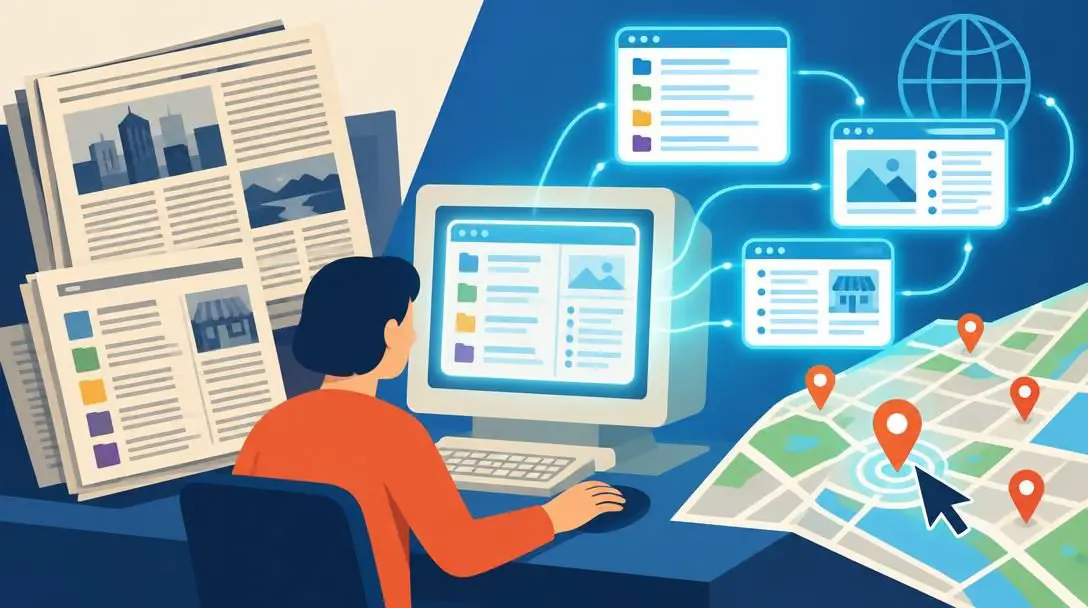
Musk launched his initial commercial enterprise, Zip2, alongside his brother Kimbal Musk during the early expansion of the consumer internet. The venture addressed a critical transition point for traditional print media, providing software that allowed newspapers to integrate searchable business directories and interactive maps into their fledgling online editions. The platform gave traditional publishers an intuitive way to digitize local commerce. In 1999, the brothers sold Zip2 for $307 million in cash and stock, establishing Musk's reputation as a tech entrepreneur and granting him substantial seed capital for his next initiative.
PayPal

- Core service: Online payment processing and peer-to-peer digital transfers
- Acquisition value: $1.5 billion by eBay
- Founder age at exit: 31 years old
Rather than safeguarding his capital following the sale of Zip2, Musk entered the nascent digital financial services sector by co-founding the platform that evolved into PayPal. The service established a secure, frictionless digital payment infrastructure that streamlined consumer purchases and enabled instant peer-to-peer funds transfers over the internet. As digital commerce expanded rapidly, PayPal became an essential transactional layer for online retail. The company's exponential growth attracted major e-commerce platforms, culminating in a $1.5 billion acquisition by eBay. The transaction made Musk a multimillionaire at age 31, furnishing the deep personal liquidity necessary to fund ventures in heavy capital manufacturing.
SpaceX
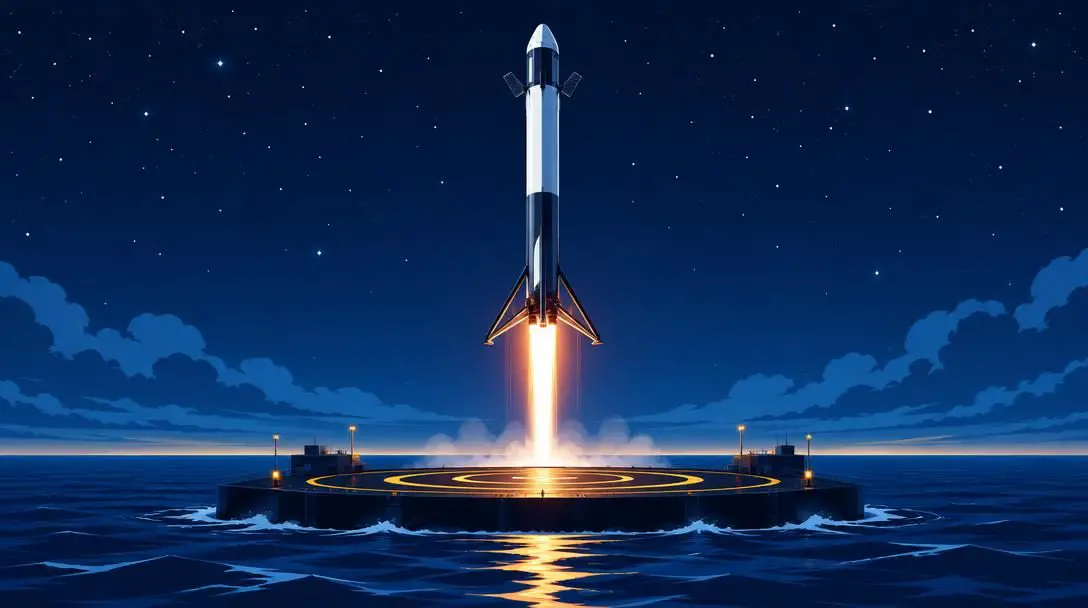
- Founded: 2002
- Primary mandates: Lower orbital launch costs and enable Mars colonization
- Core milestone: First private entity to reach orbit and dock with the ISS
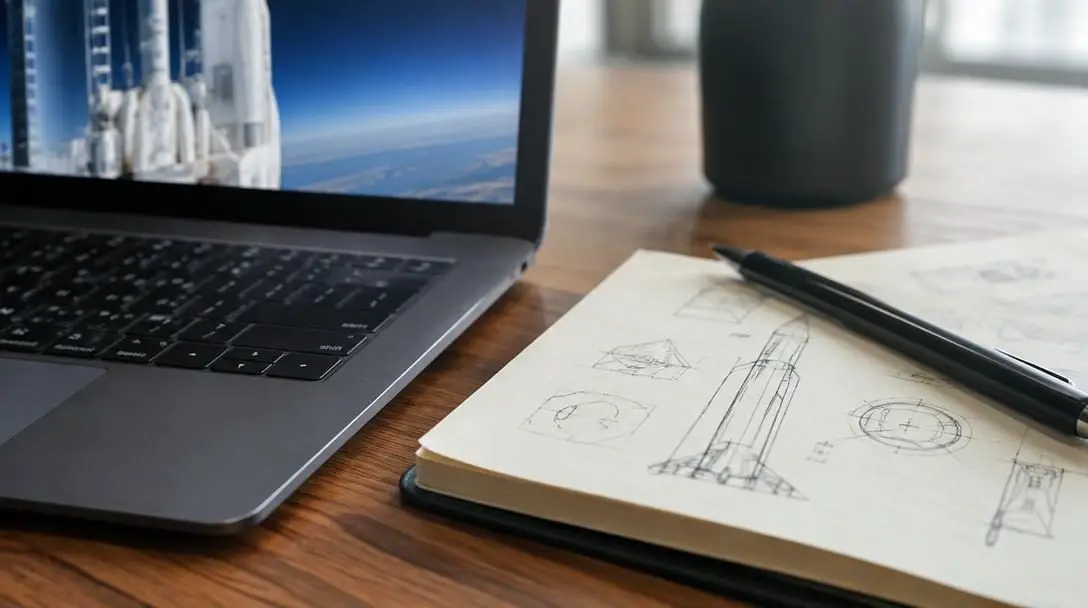
In 2002, Musk founded SpaceX to tackle an industry long dominated by entrenched aerospace contractors and government space agencies. Working with an explicit dual mandate—drastically reducing the cost of access to orbit and ultimately making the human colonization of Mars technically and financially viable—the company took a radical vertical-integration approach. SpaceX achieved historic milestones, becoming the first privately funded company to launch a liquid-fueled spacecraft into Earth orbit and the first commercial outfit to dock a spacecraft with the International Space Station. Its most significant technological disruption was developing orbital-class reusable rockets capable of vertical landing and subsequent reflight, fundamentally altering commercial spaceflight economics.
Tesla
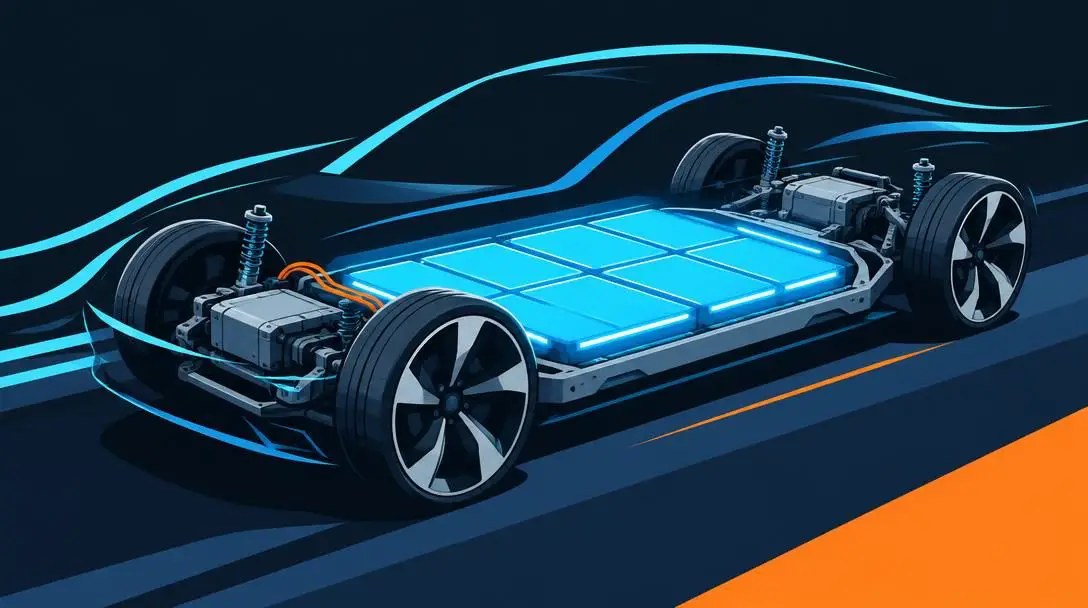
- Founded: 2003
- Initial commercial vehicle: Tesla Roadster (introduced 2008)
- Mainstream production models: Model S, Model X, and Model 3
Founded in 2003, Tesla was formed to prove that electric vehicles could match or outperform conventional combustion engines in performance, aesthetics, and efficiency. Musk stepped in to guide the company's vehicle roadmap, initiating a top-down product development strategy. The process began with the low-volume, high-performance Tesla Roadster in 2008, using the resulting revenue and engineering data to finance successive vehicle platforms: the Model S premium sedan, the Model X sport utility vehicle, and eventually the high-volume Model 3. Through constant powertrain iteration and battery optimization, Tesla altered the trajectory of the global automotive manufacturing sector.
SolarCity
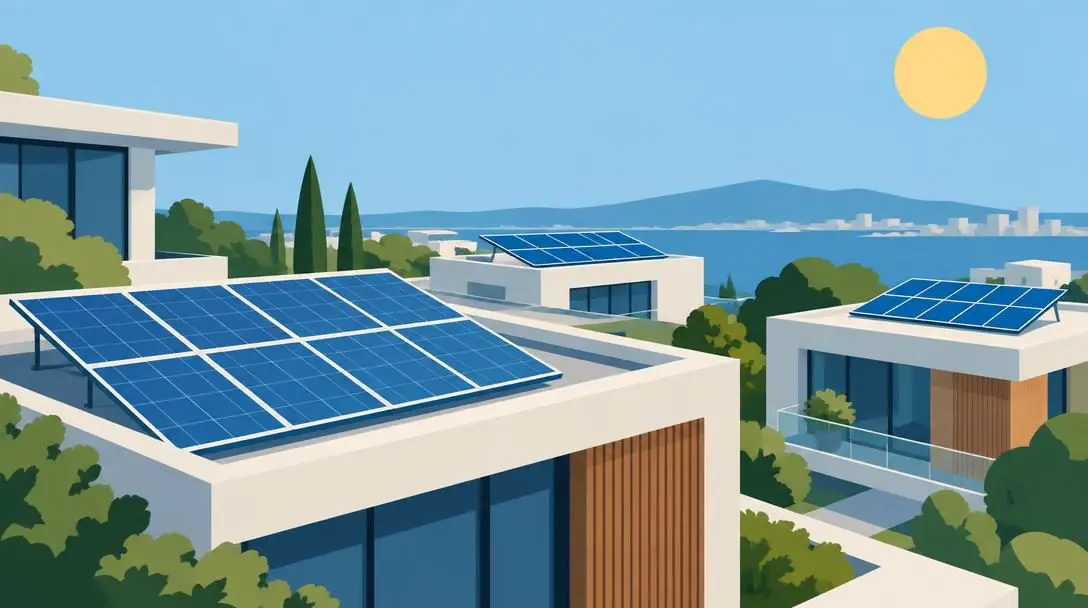
- Core service: Residential and commercial solar panel installation and financing
- Strategic purpose: Expanding decentralized renewable electricity generation
To complement electric vehicle adoption with sustainable energy generation, Musk founded SolarCity. The enterprise targeted residential and commercial properties, offering solar panel arrays paired with installation and structural financing models that lowered the initial capital barriers for property owners. By streamlining adoption and installation, SolarCity developed into a central player in distributed clean power generation, helping offset reliance on fossil fuels and reducing consumer carbon footprints across North America.
Hyperloop
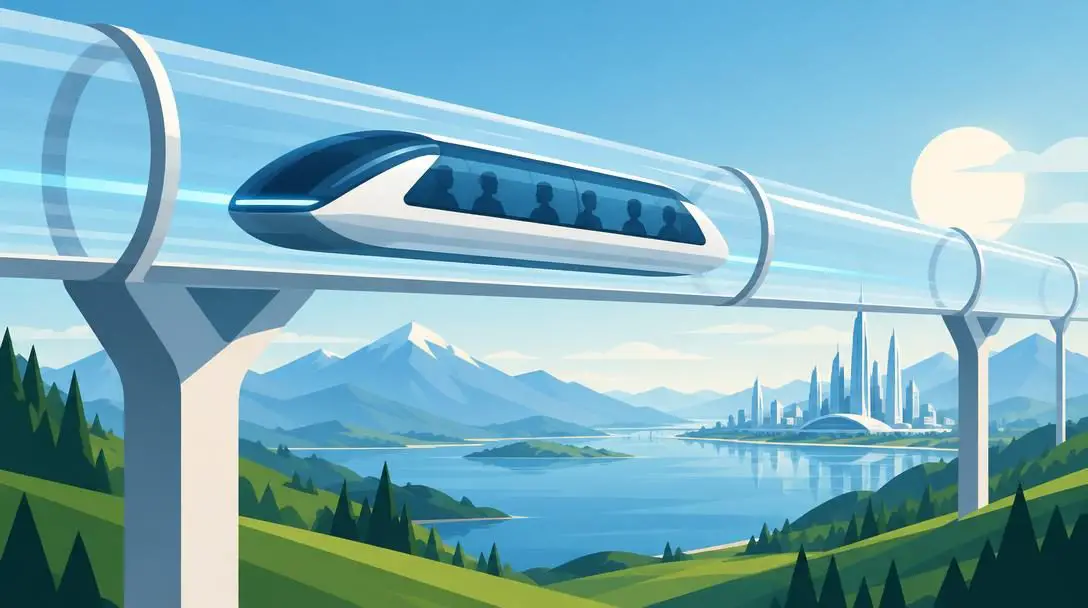
- Transit concept: High-speed passenger pods in depressurized tubes
- Target velocity: Speeds reaching up to 760 miles per hour
- Primary objective: Efficient regional transport between metropolitan hubs
Extending his focus on passenger transit, Musk unveiled the conceptual design for the Hyperloop. Conceived as a high-speed transportation network operating through low-pressure, vacuum-sealed tubes, the system envisioned passenger and cargo pods gliding on magnetic bearings or air cushions at velocities up to 760 miles per hour. Designed to bridge regional distances between major metropolitan hubs, the Hyperloop was proposed as an energy-efficient alternative to conventional regional aviation and traditional rail networks.
At a glance: Musk's core industrial enterprises
| Venture | Primary Sector | Key Strategic Objective | Major Outcome or Milestone |
|---|---|---|---|
| Zip2 | Internet Software | Digitize newspaper directories and local mapping | Acquired for $307 million in 1999 |
| PayPal | Digital Payments | Streamline peer-to-peer internet transactions | Acquired by eBay for $1.5 billion |
| SpaceX | Aerospace Engineering | Lower launch costs via reusable rocketry | First private entity to reach orbit and dock with ISS |
| Tesla | Automotive Manufacturing | Commercialize high-performance electric vehicles | Mass production of Roadster, Model S, X, and 3 |
| SolarCity | Renewable Energy | Decentralize clean solar power installations | Expanded residential clean power adoption |
| Hyperloop | Mass Transit Concept | Connect metropolitan hubs via high-speed vacuum tubes | Proposed 760 mph alternative to regional rail and aviation |
The mechanics of Musk's operational framework
Musk's ability to operate simultaneously across aerospace, automotive engineering, and digital infrastructure stems from a distinctive operating philosophy. This approach combines scientific methodology with high personal risk tolerance and an intense operational tempo.
Musk maintains that failure is an essential part of the innovation process, treating structural defects and launch anomalies as direct opportunities to gather data and implement rapid improvements.
- Extreme work volume: Musk has maintained a relentless schedule, frequently working up to 100 hours per week and sleeping on office couches during intensive production ramps to eliminate transit delays.
- First-principles scientific reasoning: Rather than reasoning by analogy or following legacy industrial playbooks, Musk strips problems down to their fundamental physical truths and builds practical manufacturing solutions from raw material costs upward.
- Relentless perfectionism: Demanding uncompromising attention to detail, Musk maintains granular oversight across manufacturing and engineering teams, setting aggressive performance expectations across all operational tiers.
- Embracing iterative failure: Hardware failures, rocket test explosions, and system anomalies are treated as valuable data collection opportunities that accelerate design iteration rather than permanent operational setbacks.
- Total capital reinvestment: Rather than diversifying his wealth into passive, low-risk assets after significant exits, Musk has repeatedly redirected nearly all of his liquid capital back into capital-intensive, high-risk enterprises.
Translating Musk's playbook: five actionable steps
While few business leaders operate within heavy capital engineering, the core habits underpinning Musk's career can be translated into practical frameworks for entrepreneurs, professionals, and operators.
- Build a broad and deep knowledge base. Read voraciously across scientific, technical, and economic disciplines. Cross-functional knowledge makes it easier to spot operational synergies and systemic inefficiencies that specialists confined to corporate silos overlook.
- Learn technical skills independently. Take direct ownership of foundational skills, such as software development and technical data analysis. Developing hands-on competency eliminates reliance on external intermediaries when prototyping ideas.
- Target core infrastructure friction. Focus your problem-solving efforts on fundamental structural pain points: reducing production overhead, eliminating systemic latency, or replacing inefficient legacy systems.
- Cultivate personal resilience. Build the mental stamina required to navigate protracted production delays, public skepticism, and capital constraints without compromising project objectives.
- Iterate rapidly based on direct feedback. Treat unexpected project outcomes, defects, and failed launches as objective data points. Isolate the engineering flaw, refine the component, and deploy the updated solution immediately.
Management liabilities, controversies, and missteps
The relentless posture and high visibility that fueled Musk's commercial success have also triggered persistent controversies, organizational strain, and public liabilities. Examining these missteps provides valuable cautionary lessons for modern corporate leaders.
- Setting unrealistic timelines: Musk has repeatedly drawn criticism from market analysts and industry observers for publishing overly ambitious projections for autonomous driving capabilities and human missions to Mars. Continually overpromising before physical hardware is validated can degrade public and institutional credibility.
- Overly demanding management cultures: His exacting perfectionism and extreme scheduling requirements have sparked criticism regarding unsustainable workplace stress, elevated employee turnover, and widespread burnout across factory lines and engineering divisions.
- Impulsive public communication: Musk has encountered severe legal and reputational fallout from unvetted statements on public platforms. A prime example was the high-profile defamation lawsuit that followed his public comments directed at a British cave diver involved in the Thai cave rescue operation.
- Disregarding regulatory oversight: During the COVID-19 pandemic, Musk drew sharp public condemnation by resisting mandated regional health directives, maintaining Tesla manufacturing operations in defiance of local government shutdown orders. Resisting formal regulatory oversight introduces major operational, legal, and institutional risks.
Frequently asked questions
Where was Elon Musk educated, and what did he study?
Musk began his post-secondary education in Canada at Queen's University before transferring to the University of Pennsylvania in the United States. He graduated with two degrees: a Bachelor of Science in physics and a Bachelor of Science in economics.
How did Musk earn his early financial fortune?
Musk generated his initial capital by co-founding Zip2, which was acquired by Compaq in 1999 for $307 million. He then co-founded the payment service that became PayPal, which eBay purchased in 2002 for $1.5 billion, netting Musk a major payout at age 31.
What major engineering milestone did SpaceX achieve with its rockets?
SpaceX became the first private entity to launch a liquid-fueled rocket into orbit, the first commercial firm to dock with the International Space Station, and the first organization to develop reusable orbital-class rockets capable of vertical landing and reflight.
What is first-principles thinking in Musk's operating style?
First-principles thinking involves breaking an engineering problem down to its fundamental, undeniable physical truths rather than reasoning by analogy or copying existing industry standards. Solutions are then constructed directly from baseline material limits.
What led to the defamation lawsuit involving Musk during the Thai cave rescue?
Musk faced a defamation lawsuit after publishing controversial, unvetted remarks on social media directed at a British cave diver who was participating in the rescue of a youth soccer team trapped in a flooded cave in Thailand.
The bottom line
Elon Musk's industrial footprint shows what can happen when technical literacy, capital reinvestment, and an appetite for risk converge on legacy industries. By combining physics-based analysis with financial discipline, he helped reshape digital payments, orbital spaceflight, and automotive manufacturing. His journey demonstrates that transforming entire industries requires tackling complex physical constraints rather than simply building incremental software iterations.
At the same time, Musk's path highlights the serious trade-offs that accompany extreme ambition. His demanding workplace expectations, recurring regulatory friction, and combative public communications demonstrate that visionary engineering must ultimately coexist with organizational stability, statutory compliance, and sustainable management practices. For future innovators, the challenge lies in capturing his relentless technical curiosity while maintaining the governance necessary for enduring, responsible enterprise.