The Secrets of Success: How Jack Nicholson Got Famous

Jack Nicholson stands as one of the most recognizable, celebrated, and versatile figures in the history of cinema. Renowned across the globe for his remarkable emotional range and his trademark grin, Nicholson assembled an extraordinary career spanning more than five decades. Over that half-century, he inhabited an astonishing variety of roles, moving effortlessly between troubled anti-heroes, menacing villains, and charismatic romantic leads.
Yet the path to becoming Hollywood royalty was neither rapid nor effortless. His rise was forged through years of relentless persistence, unglamorous low-budget productions, strategic artistic partnerships, and an uncompromising dedication to his craft. By examining his background, early struggles, signature cinematic milestones, and artistic philosophy, creative professionals in any discipline can glean valuable lessons on building a durable, decades-long career.
Key takeaways
- Nicholson endured more than a decade of obscure B-movies and manual odd jobs before achieving his mainstream industry breakthrough.
- His breakout turn in Easy Rider demonstrated that maximizing limited screen time can launch a world-class reputation.
- He balanced mass-market blockbusters with daring auteur collaborations to preserve both box-office power and artistic credibility.
- Careful separation of his flamboyant public persona from his private life helped him sustain focus throughout a grueling fifty-year career.
The early struggle: From New Jersey poverty to B-movie obscurity
Jack Nicholson was born in New Jersey in 1937, entering a world marked by considerable personal hardship. His early years were shaped by poverty, family instability, and frequent household relocations. Despite these turbulent beginnings and having no family connections to the entertainment world, Nicholson discovered an early passion for performance. He participated in school plays and regional theater productions, using the stage to study the nuances of human emotion and develop vocal control.
Following high school graduation, Nicholson made the life-altering choice to leave New Jersey behind and move west to Los Angeles. Breaking into the studio system proved brutally difficult. Rather than landing leading roles in prestige productions, he struggled to secure even minor walk-on parts on television and in forgettable low-budget B-movies. To pay his rent and cover living expenses, Nicholson drove trucks, worked as an office assistant, and took on odd jobs wherever he could find them.
A crucial turning point in his early education was working as a gofer and all-around assistant for legendary independent producer Roger Corman. Corman was renowned for producing rapid, ultra-low-budget genre pictures on shoestring schedules. This fast-paced environment served as Nicholson's de facto film school. By running errands, assisting on sets, and observing the technical mechanics of directing, writing, and editing, Nicholson gained practical knowledge that typical acting classes never offered. This grueling apprenticeship taught him resilience, camera discipline, and the professional stamina needed to survive in Hollywood.
The turning point: How Easy Rider ignited his career
Nicholson’s persistence finally bore fruit in 1969 when he was cast as George Hanson, an eccentric, alcoholic southern lawyer, in the counterculture film Easy Rider. While his screen time was modest compared to the lead actors, Nicholson commanded every frame in which he appeared. His effortless charisma, dry humor, and tragic vulnerability provided the film with its moral center and emotional grounding.
Investing brief screen time with profound specificity can redefine an entire professional trajectory overnight.
The critical and cultural response to Easy Rider was seismic. Nicholson earned an Academy Award nomination for Best Supporting Actor, instantly elevating him from a fringe player to one of Hollywood’s most sought-after talents. Studio executives and prominent directors suddenly saw an actor capable of balancing countercultural defiance with deep dramatic substance. The success opened the doors to major studio financing and allowed him to choose projects that matched his artistic ambitions.
Seven definitive roles that shaped Jack Nicholson's legacy
Following his breakthrough, Nicholson entered an extraordinarily prolific era that redefined American screen acting. Rather than chasing easy paychecks or repeating a single persona, he actively sought out flawed, complex protagonists and formidable antagonists. The following seven roles capture the milestones of his filmography.

| Film Title | Character Name | Genre | Key Career Milestone |
|---|---|---|---|
| Five Easy Pieces | Robert Dupea | Drama | Proved his ability to carry character-driven auteur films |
| Chinatown | J.J. Gittes | Neo-Noir | Established masterclass in understated cinematic tension |
| One Flew Over the Cuckoo's Nest | Randle McMurphy | Drama | Earned his first Academy Award for Best Actor |
| The Shining | Jack Torrance | Psychological Horror | Produced some of cinema's most iconic horror imagery |
| Terms of Endearment | Garrett Breedlove | Comedy-Drama | Won Academy Award for Best Supporting Actor |
| Batman | The Joker | Comic Book Action | Redefined modern commercial blockbusters and villainy |
| A Few Good Men | Col. Nathan R. Jessep | Courtroom Drama | Delivered one of cinema's most famous verbal climaxes |
Five Easy Pieces

- Character: Robert Dupea
- Genre: Drama
- Theme: Alienation and identity crisis
In Five Easy Pieces, Nicholson portrayed a former classical piano prodigy who abandoned his upper-class musical family to work as an oil rigger in California. The film captured the disaffection, rootlessness, and existential confusion of late-1960s America. Nicholson's performance proved that he could shoulder a complex, morally ambiguous narrative without relying on traditional Hollywood heroics.
Chinatown
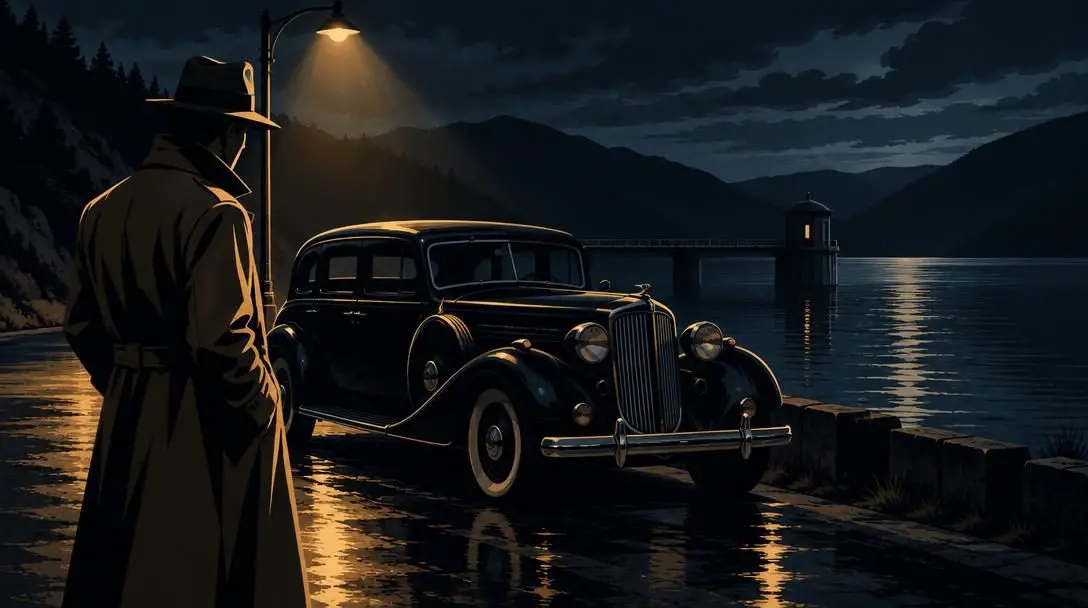
- Character: J.J. "Jake" Gittes
- Director: Roman Polanski
- Genre: Neo-Noir mystery
Directed by Roman Polanski, the 1974 masterpiece Chinatown positioned Nicholson as private investigator J.J. Gittes, navigating a web of corruption, greed, and civic conspiracy in 1930s Southern California. Nicholson delivered an impeccably restrained, atmospheric performance, showing that intense screen presence often relies more on quiet observation and sharp listening than theatrical outbursts.
One Flew Over the Cuckoo's Nest

- Character: Randle McMurphy
- Major Honor: Academy Award for Best Actor
- Setting: Psychiatric institution
Starring as the irrepressible, defiant Randle McMurphy, Nicholson delivered one of the defining performances of modern cinema. Confined within an oppressive psychiatric ward, McMurphy's battle against institutional authority combined anarchic humor with devastating emotional vulnerability. The role captured the rebellious spirit of the era and won Nicholson his first Academy Award for Best Actor.
The Shining

- Character: Jack Torrance
- Director: Stanley Kubrick
- Setting: The Overlook Hotel
In Stanley Kubrick's psychological horror adaptation, Nicholson portrayed an aspiring author descending into homicidal madness while caretaking a snowbound mountain resort. His portrayal of Jack Torrance generated enduring pop-culture imagery, showcasing his unique ability to push physical expression and psychological terror to extreme limits without losing narrative focus.
Terms of Endearment

- Character: Garrett Breedlove
- Major Honor: Academy Award for Best Supporting Actor
- Genre: Comedy-Drama
Displaying his effortless flair for comedic timing and romantic charm, Nicholson played retired astronaut Garrett Breedlove in Terms of Endearment. His performance provided warmth, humor, and tender emotional resonance alongside a heavy dramatic storyline, demonstrating that supporting roles could achieve equal stature with leading parts and earning him another Academy Award.
Batman
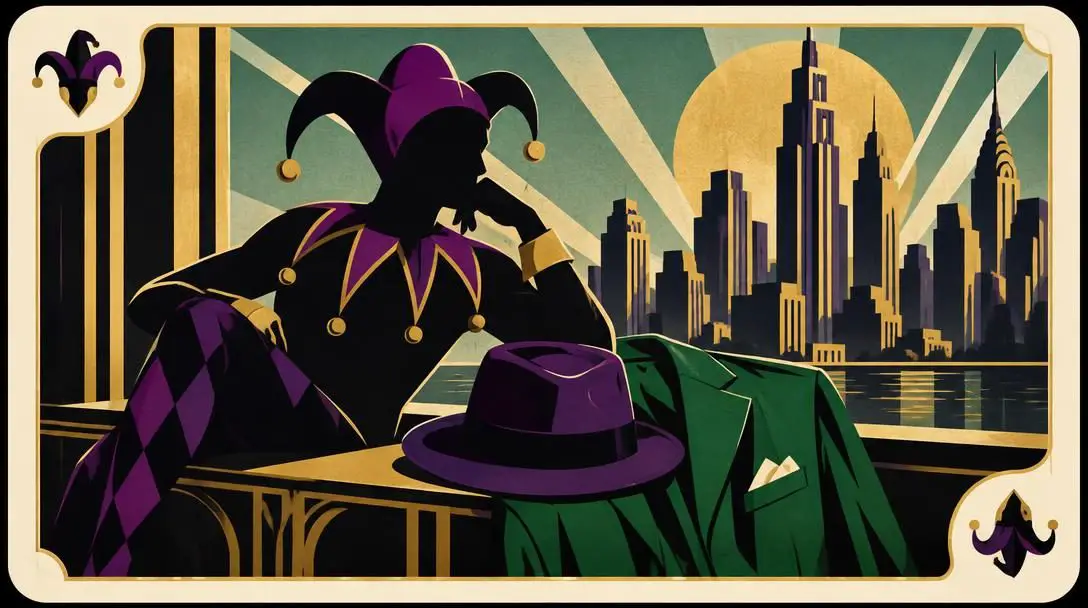
- Character: The Joker / Jack Napier
- Director: Tim Burton
- Release Year: 1989
Directed by Tim Burton, the 1989 blockbuster Batman introduced Nicholson to a new generation as the flamboyantly psychotic Joker. Blending theatricality, sinister wit, and dark comedy, his commanding performance dominated the screen, elevated the comic book adaptation genre, and shattered global box-office records.
A Few Good Men

- Character: Colonel Nathan R. Jessep
- Key Setting: Military courtroom
- Screen Time: Brief supporting role
Nicholson delivered an electrifying supporting performance as Colonel Nathan R. Jessep in A Few Good Men. His intense courtroom clash with the prosecution produced some of the most widely quoted dialogue in contemporary cinema. Despite spending limited minutes on screen, Nicholson's ferocious commitment and authoritative posture anchored the film's climactic resolution.
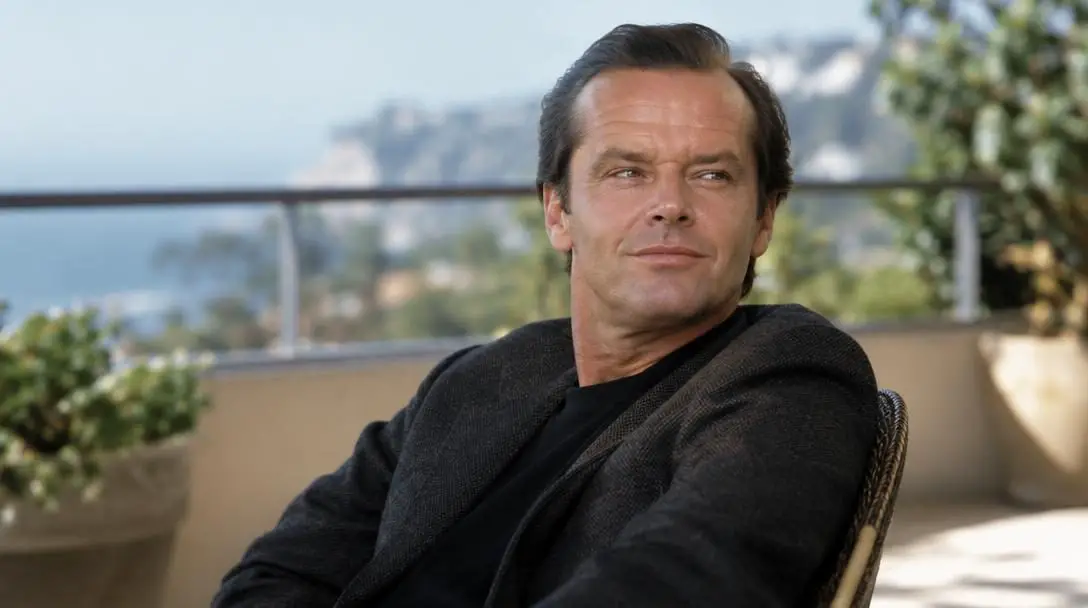
Behind the sunglasses: Personal life, private boundaries, and Oscar records
Parallel to his cinematic achievements, Jack Nicholson cultivated a distinct presence beyond the movie set. Known for his sunglasses, court-side enthusiasm at basketball games, and sharp wit, his public persona often seemed that of an effortless bon vivant. Yet behind that image, Nicholson remained a fiercely disciplined, intensely private professional who rarely revealed his inner life to reporters.
Over the decades, Nicholson maintained several high-profile relationships, including long-standing partnerships with actresses Anjelica Huston and Lara Flynn Boyle. He is the father of five children, including Jennifer Nicholson, who established her own successful path in acting and fashion design. By keeping a firm boundary between his private affairs and his professional obligations, Nicholson avoided the burnout that derailed many of his contemporaries.
His artistic consistency culminated in an unmatched competitive record. Nicholson stands as the most nominated male actor in Academy Award history, having collected twelve Oscar nominations and three statuettes. His trophy cabinet also includes numerous Golden Globe Awards, British Academy Film Awards (BAFTAs), and Screen Actors Guild honors, cementing his position as a standard against which film actors are measured.
Strategic lessons: The core principles behind Nicholson's longevity
A close examination of Nicholson's professional choices reveals clear, actionable principles that allowed him to maintain relevance across half a century:
- Embrace deep apprenticeship: Nicholson spent years working in low-budget Corman productions, gaining practical experience in screenwriting, cinematography, and production pacing instead of waiting passively for leading roles.
- Maximize every minute: In films like Easy Rider and A Few Good Men, he treated brief appearances with the same rigor as three-hour starring roles, ensuring unforgettable impact.
- Balance commercial appeal with artistic risk: He alternated big-budget studio hits like Batman with auteur-driven cinema directed by masters like Roman Polanski and Martin Scorsese, sustaining commercial viability alongside critical prestige.
- Defy narrow typecasting: Although celebrated for a distinct smile and vocal mannerisms, Nicholson took pains to vary his roles across genres, shifting between subtle noir detectives, terrifying horror figures, and gentle comedic companions.
Translating the Nicholson method: A step-by-step career framework
While few professionals will pursue screen acting, the strategic framework Nicholson employed to conquer a volatile industry can be adapted to any creative or business ambition.
- Build competence in low-stakes arenas: Seek out entry-level, fast-turnaround environments where you can experiment, fail cheaply, and master fundamental skills away from harsh public scrutiny.
- Master adjacent operations: Learn how surrounding departments work. Nicholson understood editing and scriptwriting, which made him an exceptionally collaborative and efficient performer.
- Overdeliver on modest assignments: When granted a short presentation or minor initiative, invest it with unmatched preparation and detail to capture leadership attention.
- Seek out demanding collaborators: Partner with rigorous, uncompromising leaders who challenge your techniques and refuse to let you rely on effortless charm alone.
- Protect your creative stamina: Establish firm boundaries between public networking and personal recovery, safeguarding the mental energy needed for decades of high-level output.
Common career traps and how to avoid them
Analyzing Nicholson’s trajectory also highlights common professional errors that derail talented workers:
- Demanding immediate acclaim: Abandoning a field after a few years of obscurity prevents the compounding of practical skills. Nicholson persevered through a decade of low pay before his breakthrough.
- Relying on charisma over technique: Natural charm can spark early interest, but without discipline and deep preparation, performance quality inevitably collapses under pressure.
- Repeating past triumphs: Clinging to a formula that worked previously leads to stale routines. Nicholson continually reinvented his character types to keep audiences engaged.
- Isolating yourself from collaborators: Success requires trusted creative allies. Nicholson built enduring relationships with writers, directors, and crew members that spanned decades.
Frequently asked questions
How did Jack Nicholson get his first big acting break?
Nicholson achieved his breakthrough in the 1969 counterculture classic Easy Rider playing George Hanson, an eccentric southern lawyer. His magnetic supporting performance earned him critical acclaim and an Academy Award nomination, opening doors to major studio starring roles.
How many Academy Awards has Jack Nicholson won?
Jack Nicholson has won three Academy Awards out of an astonishing twelve nominations, holding the historical record as the most nominated male actor in Academy Award history.
What odd jobs did Nicholson work before becoming famous?
During his early years in Los Angeles, Nicholson supported himself by driving a delivery truck, working as an office assistant, and serving as a production gofer for independent filmmaker Roger Corman.
Which directors did Jack Nicholson collaborate with on his most famous films?
Nicholson collaborated with many renowned filmmakers throughout his career, including Roman Polanski on Chinatown, Stanley Kubrick on The Shining, Tim Burton on Batman, and Martin Scorsese on later projects.
Who are Jack Nicholson's most famous romantic partners and children?
Nicholson had long-term, high-profile relationships with actresses Anjelica Huston and Lara Flynn Boyle. He is the father of five children, including Jennifer Nicholson, who works as an actress and fashion designer.
The bottom line
The remarkable rise and enduring relevance of Jack Nicholson were not accidental. His path proves that lasting professional triumph requires enduring the silent years of apprenticeship, executing secondary opportunities with exceptional vigor, and daring to reinvent oneself long after reaching the top. By pairing hard-won technical mastery with distinct individual voice, Nicholson built a timeless cinematic legacy that remains the gold standard of modern screen acting.