The Secrets of Success: How Jackie Chan Got Famous
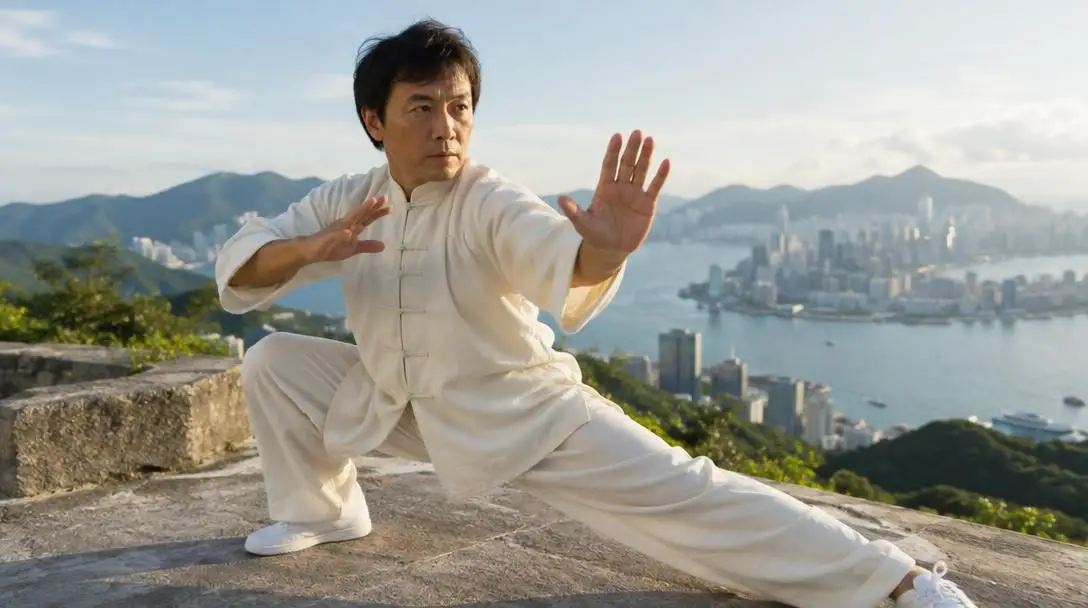
Jackie Chan stands as one of the most iconic action movie stars in cinematic history. Recognized across the globe for his daredevil physical stunts, inventive choreography, and impeccable comic timing, his face is among the most universally celebrated in popular culture. Yet the path that led him from complete obscurity to the pantheon of global cinema was neither immediate nor glamorous. Behind the worldwide fame lies an arduous trajectory shaped by extreme poverty, punishing physical discipline, chronic professional rejection, and life-threatening danger on set.
Deconstructing how Chan transitioned from a penniless, anonymous stunt performer into an international box-office force reveals enduring lessons for anyone pursuing long-term creative or professional mastery. His journey highlights how foundational technical training, purposeful genre disruption, resilience after failure, and cross-cultural collaboration can converge to build an enduring legacy that spans more than six decades.
Key takeaways
- Jackie Chan built his global success by deliberately subverting standard action archetypes, pairing physical comedy and human vulnerability with elite martial acrobatics.
- Years of rigorous training at the Chinese Opera Research Institute provided the technical foundation required to endure decades of demanding stunt work.
- Early professional failure, including being fired from his first leading role, served as diagnostic feedback that helped Chan develop his signature comedic style.
- Strategic cross-cultural partnerships in the 1990s introduced Chan's distinct kinetic choreography to Western audiences and transformed Asian representation in Hollywood.
- Sustainable career longevity demands mastering foundational basics, establishing an authentic point of differentiation, and giving back to the community through philanthropy.
Poverty and the Forge of the Opera School
Jackie Chan was born in Hong Kong in 1954 into a household confronting severe financial hardship. His parents, who worked as a cook and a cleaning lady, struggled daily to secure basic necessities. Seeking a stable path and a viable future for their young son, they enrolled him as a child in the legendary Chinese Opera Research Institute. This traditional boarding academy provided an exhaustive, immersive education centered on acrobatics, classical singing, dramatic performance, and rigorous martial arts disciplines.
The daily reality inside the institute was extraordinarily demanding. Training sessions began at dawn and stretched late into the evening, pushing students to physical and mental exhaustion. The instructors enforced an unforgiving standard of discipline, demanding thousands of repetitions for a single tumble, kick, or vocal exercise. This intensive environment forged in Chan an unbreakable work ethic, supreme physical conditioning, and an uncompromising commitment to technical precision. The comprehensive curriculum ensured that movement, timing, and stagecraft became second nature, laying the structural groundwork for his entire future career.
Surviving the Perils of the Stunt Circuit
Despite possessing world-class technical skills upon completing his studies, Chan did not experience immediate acclaim. Breaking into the professional Hong Kong film industry required starting at the very bottom. For years, he labored in the shadows as an uncredited extra and stunt performer. The Hong Kong film scene of the era was fiercely competitive, chaotic, and dangerous. Stunt workers were expected to endure bone-jarring falls, burns, and blows without the benefit of modern safety equipment, all while earning minimal pay and receiving zero public recognition.
This grueling period functioned as an operational apprenticeship. On chaotic film sets, Chan observed how directors framed shots, how camera lenses captured speed and impact, and how physical choreography translated into cinematic storytelling. However, early efforts to break into prominent roles proved discouraging. Chan was hired for a leading role only to be fired shortly afterward when the production team determined his presence did not match their expectations.
Compounding the psychological sting of termination was the relentless physical toll of his profession. Severe injuries on set repeatedly sidelined him, testing his resolve. Rather than allowing these early catastrophes to end his cinematic ambitions, Chan re-framed adversity as essential diagnostic feedback. Instead of walking away, he examined why his initial starring attempt had fallen flat, recognizing that he had been forced into an artificial mold that failed to showcase his genuine strengths.
"I failed many times, but I never gave up."
Subverting the Action Genre: Archetype vs. Innovation
During the early phase of Chan's career, action cinema was completely dominated by solemn, hyper-masculine heroes. These characters were defined by stoicism, deadly seriousness, and an aura of effortless invulnerability. Chan realized that attempting to mimic these established figures would leave him as nothing more than a pale imitation of what had already succeeded. To capture the imagination of moviegoers, he had to engineer an entirely fresh cinematic paradigm.
Chan's breakthrough came from systematically subverting every standard convention of the prevailing action genre. Instead of radiating invincibility, his protagonists openly displayed fear, reacted with shock when confronted by danger, and winced in genuine agony whenever they struck a hard surface. He replaced lethal aggression with slapstick comedy, drawing inspiration from classical physical comedy and intertwining it seamlessly with breathtaking martial acrobatics. Furthermore, rather than relying strictly on standard weaponry or brute force, Chan turned ordinary surroundings into elaborate action set-pieces, improvising fight choreography with chairs, ladders, umbrellas, and whatever everyday objects were within arm's reach.

| Dimension | Traditional Action Archetype | Jackie Chan's Approach |
|---|---|---|
| Hero Demeanor | Stoic, deadly serious, emotionally detached | Playful, expressive, approachable, and vulnerable |
| Physical Response | Invulnerable, immune to pain and exhaustion | Shows visible fatigue, panic, and genuine pain |
| Combat Style | Pure, lethal martial strikes and brute force | Acrobatic martial arts blended with slapstick comedy |
| Prop Utilization | Conventional firearms and lethal weapons | Improvised everyday objects and environmental tools |
| Audience Connection | Admiration of distant, unattainable machismo | Universal empathy for an agile, resourceful underdog |
This deliberate repositioning made Chan relatable to audiences of all ages and cultures. Viewers were no longer watching an untouchable warrior dispatching nameless adversaries; they were rooting for an endearing underdog whose cleverness, agility, and sheer perseverance allowed him to survive impossible situations.
Landmark Crossover Projects
While Chan established himself as an undisputed superstar across Asia throughout the late 1970s and 1980s, conquering the Western mainstream required a deliberate strategy. In the 1990s, he orchestrated a crossover campaign that introduced his signature style to North American and European audiences, ultimately reshaping Hollywood's approach to action cinema.
Rumble in the Bronx

- Release Window: Mid-1990s crossover breakthrough
- Cinematic Impact: Direct introduction of kinetic Hong Kong stunt work to Western audiences
- Action Aesthetic: Grounded street combat utilizing urban props and dangerous environmental stunts
This project served as the vital bridge that brought Chan's singular style directly into Western theaters. By showcasing his willingness to perform astonishing, real-world physical stunts without computer-generated effects, Rumble in the Bronx captured the attention of mainstream moviegoers and signaled that an entirely different kind of action star had arrived on the international stage.
Rush Hour

- Release Window: Late 1990s blockbuster success
- Collaborative Partner: Chris Tucker
- Cinematic Impact: Fused Hong Kong martial choreography with American buddy-cop comedy dynamics
Building on his initial Western momentum, Chan joined forces with American comedian Chris Tucker in Rush Hour. The pairing created an electrifying contrast: Tucker's rapid-fire verbal humor counterbalanced Chan's kinetic physical comedy and timing. The production proved to be an enormous box-office smash, proving that cross-cultural collaborations could dominate international charts while preserving the integrity of Chan's physical performance style.
Six Pillars of the Success Blueprint
The trajectory that carried Jackie Chan from a childhood of poverty to a celebrated film career spanning over 60 years provides an actionable template for anyone pursuing long-term achievement. His life work can be distilled into six core strategic pillars.
Solid Technical Foundation
Long before he ever commanded an audience, Chan spent a decade mastering the unvarnished fundamentals of movement, balance, acrobatics, and dramatic expression. In any competitive discipline, long-term success requires an uncompromising grasp of primary skills. Shortcuts and surface-level charm may generate brief attention, but deep technical fluency is what allows a professional to innovate safely, adapt under changing conditions, and sustain longevity when market dynamics shift.
The Understudy Phase
Chan did not demand immediate prestige; he spent years performing background stunt work and minor extra roles without grievance. He treated this unglamorous period as an intensive operational school. Viewing lower-tier positions as educational opportunities allows you to observe how an entire ecosystem functions—from camera angles to managerial dynamics—giving you structural insights that theorists and rapid risers routinely overlook.
Point of Differentiation
Rather than entering direct competition with the serious, established action stars of his era, Chan carefully analyzed the market landscape and discovered an uncontested space. By uniting athletic martial arts with classic comedy and vulnerability, he created a signature style that was instantly identifiable. Sustainable competitive advantage comes from identifying industry orthodoxies and deliberately carving out a creative niche where you face no direct competition.
Insight Extraction from Failure
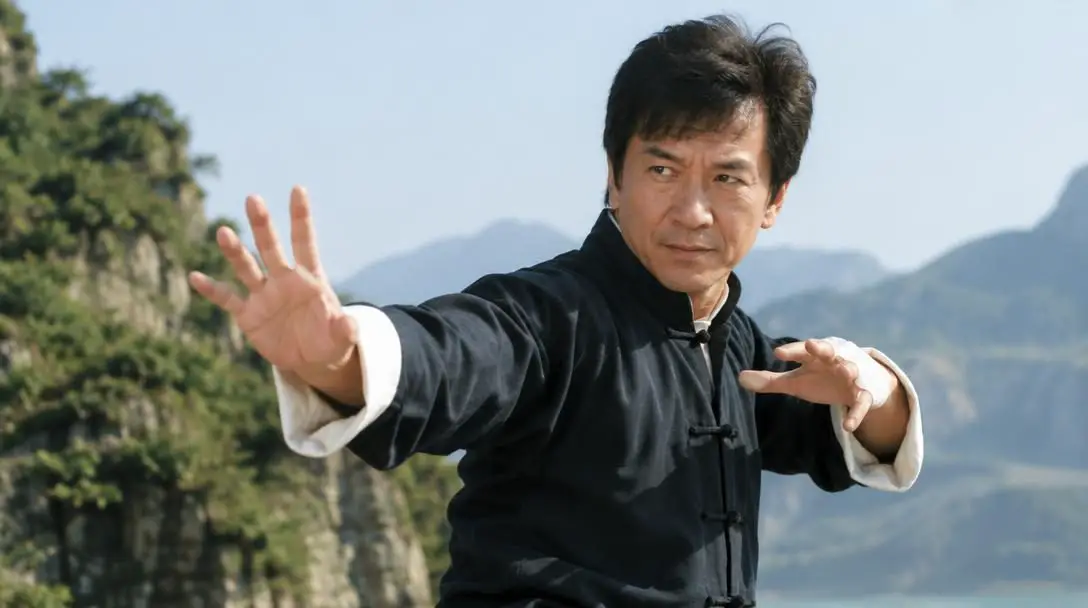
When Chan was abruptly fired from his first leading film role and suffered painful injuries on movie sets, he chose not to internalize the rejection as an absolute verdict on his worth. Instead, he treated setbacks as objective operational feedback. By analyzing what went wrong, adjusting his screen presence, and refining his comedic perspective, he transformed an embarrassing professional defeat into the creative catalyst that sparked his breakthrough.
Cross-Disciplinary Collaborations
Chan recognized the limitations of operating within a single territory or medium. By actively partnering with talent from disparate backgrounds—such as American comedic actors like Chris Tucker and Owen Wilson—he exposed his work to vast new audiences. Cross-disciplinary partnerships expand your operational range, creating novel synergies that allow both parties to achieve commercial outcomes neither could accomplish in isolation.
Purpose and Philanthropy
True career legacy is measured by the value delivered beyond personal accolades and financial accumulation. Throughout his career, Chan has channeled substantial resources and influence into global charitable causes, donating millions of dollars toward disaster relief, education, healthcare accessibility, environmental issues, and social justice. Building public service and mentorship into your overarching mission ensures that your professional momentum creates lasting, positive impact across your community.
Step-by-Step Implementation Guide
Translating the strategic principles modeled by Jackie Chan into daily professional life requires structured execution. This sequential framework helps apply these concepts to any competitive career track.
- Conduct a foundational competency audit: Identify the core technical mechanics of your profession and block out non-negotiable weekly hours dedicated strictly to refining these basic fundamentals.
- Extract intelligence from your current tier: Map out the operational elements of your current organization or field, consciously noting how different departments, tools, and processes interact from behind the scenes.
- Perform an orthodoxy analysis: List the standard operating procedures and dominant archetypes within your industry, then pinpoint specific areas where an unconventional, approachable, or humorous approach could create separation.
- Establish a post-mortem review routine: After any professional setback, formalize a structured debriefing process to isolate tactical adjustments from emotional reactions, documenting clear lessons before proceeding.
- Identify cross-functional allies: Reach out to colleagues, creators, or organizations outside your primary specialty whose unique strengths complement your own to explore mutually beneficial projects.
- Integrate a service component into your career plan: Allocate a deliberate percentage of your annual time, expertise, or income toward community mentorship, educational support, or charitable giving.
Common Pitfalls to Avoid
When attempting to emulate the ascent of an iconic performer, professionals frequently stumble into preventable traps. Maintaining awareness of these common missteps preserves energy and keeps your trajectory aligned with reality.
- Expecting accelerated timelines: Assuming that breakthrough success happens overnight ignores the reality that Chan labored for decades through grueling opera training and stunt work before achieving global stability.
- Imitating established titans: Copying an industry leader's exact formula yields only second-rate facsimiles; true resonance requires the courage to introduce your authentic personality and unconventional ideas.
- Interpreting rejection as a permanent verdict: Allowing an early firing or negative evaluation to halt your career mistakes temporary diagnostic critique for an absolute limitation on your ultimate potential.
- Bypassing fundamental training: Attempting to leap directly into high-visibility creative control without spending unglamorous hours mastering foundational skills leads to fragile, unsustainable work.
- Working in creative isolation: Relying exclusively on individual talent while refusing to partner with individuals from diverse cultures, mediums, or skill sets stunts your reach and limits project scale.
- Neglecting your broader community obligations: Focusing solely on upward mobility while ignoring philanthropy and mentorship alienates your base and undermines long-term goodwill.
Strategic Self-Reflection Questions
Evaluating your ongoing professional development through the lens of Chan's career trajectory helps identify structural weaknesses and upcoming opportunities. Consider these critical evaluation questions:
- Does your current output reflect an authentic personal signature, or are you executing a generic version of what competitors are already doing?
- How do you respond when a high-stakes project or proposal fails: do you withdraw defensively, or do you extract concrete operational insights to refine your craft?
- What professionals from complementary industries could you collaborate with to introduce your core capabilities to an entirely new demographic?
- How are you actively using your existing skills, resources, and platform to lift up newcomers and support community initiatives?
Frequently asked questions
Where did Jackie Chan receive his foundational physical training?
Jackie Chan received his foundational physical and dramatic training at the Chinese Opera Research Institute in Hong Kong, where he was enrolled as a child. The academy's rigorous curriculum covered acrobatic tumbling, singing, martial arts, and dramatic acting through intensive, dawn-to-dusk instruction.
Why did Jackie Chan choose physical comedy over serious action roles?
Chan chose comedy because the action market in his early career was saturated with serious, invulnerable heroes modeled after existing stars. Recognizing that imitation would limit his reach, he created an accessible, vulnerable underdog persona who felt pain and improvised with everyday objects, differentiating himself completely from his peers.
What film served as Jackie Chan's primary Western box-office breakthrough?
While Chan was already a massive superstar across Asia, Rumble in the Bronx in the mid-1990s introduced his kinetic, stunt-heavy style directly to Western moviegoers, setting the stage for subsequent Hollywood commercial hits like Rush Hour.
How did Jackie Chan handle early career rejection?
After being fired from his first leading role and suffering severe physical setbacks on set, Chan treated each disappointment as diagnostic feedback. He used those failures to re-evaluate audience expectations and abandon conventional tough-guy archetypes in favor of his own comedic style.
What philanthropic causes does Jackie Chan support?
Chan has contributed millions of dollars toward disaster relief operations, educational initiatives, and healthcare access, while actively lending his voice and platform to environmental preservation and social justice causes globally.
The bottom line
Jackie Chan's journey from an impoverished Hong Kong childhood to an internationally revered cinema icon demonstrates that enduring success is rarely an accident of raw talent alone. His legacy was built through an unshakeable technical grounding, an unwavering willingness to extract wisdom from failure, and the creative daring to overturn established genre tropes in favor of an authentic personal signature. In an entertainment landscape that long maintained narrow boundaries, his work also marked an essential turning point for Asian representation in Hollywood, dismantling long-standing industry prejudices and demonstrating the universal appeal of physical storytelling.
By pairing relentless discipline with vulnerability, humor, strategic cross-cultural collaboration, and widespread philanthropic service, Chan established a sustainable blueprint for global influence. Whatever your chosen discipline, mastering your craft's fundamentals, distinguishing your offering through authentic self-expression, and persisting through inevitable setbacks remains the definitive path toward crafting a meaningful, lasting contribution.