The Secrets of Success: How John Travolta Got Famous

The journey from an aspiring performer to an enduring global icon is rarely a straight line, and few artistic paths demonstrate the volatile realities of show business quite like the career of John Travolta. Rising from local theater origins in New Jersey to household-name status on network television, storming cinema with groundbreaking musical dramas, enduring grueling industry downturns, and engineering one of the most celebrated comebacks in Hollywood history, Travolta provides an essential case study in creative longevity.
Achieving sudden fame is an enormous challenge, but sustaining cultural relevance across multiple decades requires an entirely different tier of technical preparation, physical stamina, and strategic reinvention. By deconstructing the precise training regimens, psychological resilience, and bold artistic gambles behind his defining roles, creative professionals across every medium can extract actionable insights for their own professional journeys.
Key takeaways
- Rigorous physical conditioning and technical immersion build an authentic on-screen presence that editing tricks cannot replicate.
- Career resurgences require the humility to subvert expectations and take creative risks rather than clinging to past successes.
- Diversifying across stage, television, and film builds long-term artistic resilience against shifting industry trends.
- Sustaining multi-decade relevance depends on maintaining technical craft and establishing emotional boundaries during inevitable career downturns.
At a glance: Key milestones in John Travolta's career
Travolta's trajectory spans diverse platforms, genres, and performance styles. The following table tracks how distinct projects shaped his artistic range and public standing over time.
| Milestone / Project | Platform | Defining Role | Key Impact |
|---|---|---|---|
| New Jersey Regional Circuit | Stage Theater | Ensemble performer | Instilled vocal clarity, physical projection, and stage discipline. |
| Welcome Back, Kotter | Network Television | Vinnie Barbarino | Established comedic timing and delivered mass-market national visibility. |
| Saturday Night Fever (1977) | Feature Film | Tony Manero | Showcased athletic choreography; earned an Academy Award nomination. |
| Grease (1978) | Musical Film | Danny Zuko | Solidified global box-office power through rock-and-roll vocal and dance styling. |
| Pulp Fiction (1994) | Independent Feature | Vincent Vega | Subverted his lighter leading-man image; secured a second Academy Award nomination. |
Technical preparation: The Tony Manero case study
To fully grasp the magnitude of John Travolta's breakthrough in Saturday Night Fever, it is essential to examine the operational mechanics of his physical preparation. The role of Tony Manero was not a conventional dramatic assignment; it was an athletic undertaking that demanded high-level cardiovascular endurance, precise rhythmic timing, and complete bodily control. While many film productions rely on body doubles or rapid editing cuts to manufacture technical mastery, Travolta committed to an intensive, immersion-based regimen that established a new benchmark for cinematic dance performances.
For months leading up to production, Travolta engaged in grueling daily dance rehearsals. This training fulfilled three vital functions on set:
- Cardiovascular stamina: Executing high-energy disco choreography repeatedly under hot studio lighting requires the baseline conditioning of a competitive athlete. Without endurance, physical fatigue compromises posture, facial expression, and movement sharpness across dozens of takes.
- Rhythmic precision: Intensive practice with choreographers converted intricate footwork into automatic muscle memory. This freed Travolta to focus his cognitive and emotional energy on Tony Manero's dramatic reality rather than consciously tracking dance counts.
- Body language and posture: Manero's identity was defined by how he navigated his environment, from neighborhood streets to the dance floor. The physical training informed the character's signature strut, stance, and nonverbal swagger, creating a cohesive, believable persona.
When an actor invests real physical labor into acquiring the actual skills of a character, the resulting authenticity resonates with audiences in a way that technical trickery cannot replicate.
Deconstructing the Pulp Fiction turning point
Travolta's artistic renaissance in Quentin Tarantino's 1994 film Pulp Fiction remains one of the most closely analyzed career recoveries in cinematic history. In the years preceding this project, Travolta faced fluctuating commercial box-office numbers and cooling critical interest. In creative industries, extended slumps frequently tempt professionals to repeat past formulas or accept uninspired assignments. Instead, Travolta embraced an unconventional creative partnership that dismantled his familiar 1970s leading-man persona.

The role of Vincent Vega succeeded because it balanced daring subversion with his established organic strengths:
- Subverting audience expectations: Rather than returning to an uncomplicated, lighthearted protagonist, Travolta embodied a morally compromised, heroin-addicted hitman moving with a slow, contemplative cadence. This sharp creative pivot forced critics and audiences to completely re-evaluate his dramatic capabilities.
- Leveraging signature physical assets: Tarantino tapped into Travolta's innate physical grace during the famous dance sequence at Jack Rabbit Slim's. Instead of pretending Travolta's musical history did not exist, the film reframed his movement through a grounded, ironic, and mature lens.
- Total commitment to unconventional dialogue: The screenplay blended philosophical arguments with mundane everyday chatter. Travolta approached the material with deadpan naturalism, avoiding melodramatic exaggeration and letting the text's rhythmic wit drive the scene.
Defining milestones of an enduring career
Travolta's trajectory was built across distinct performance platforms, each contributing specific skills that expanded his artistic range.
New Jersey Theater Roots
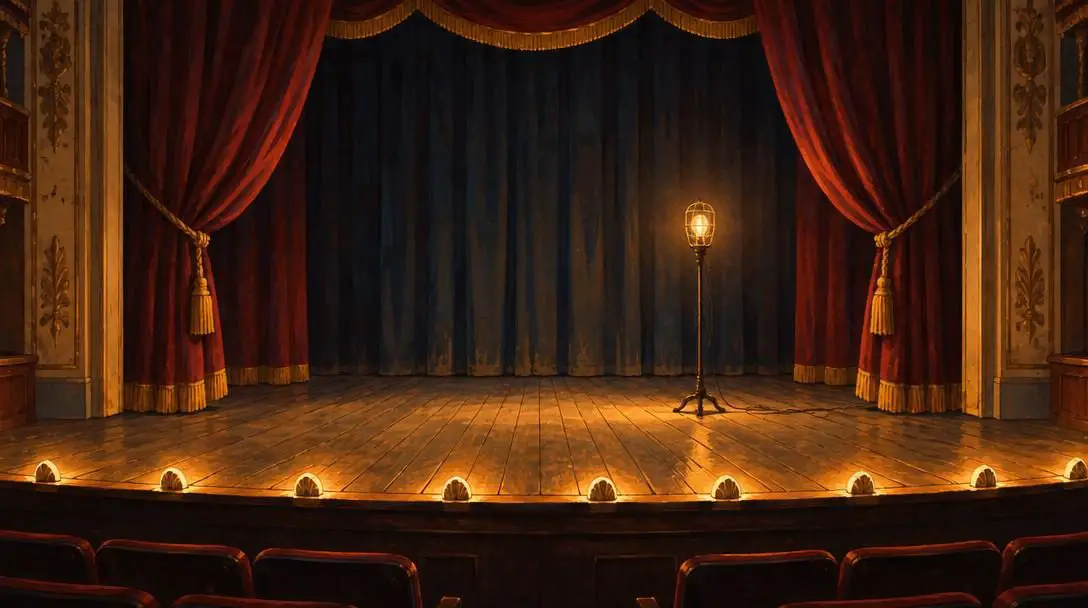
- Medium: Regional stage theater
- Primary focus: Stagecraft, vocal projection, ensemble work
- Foundational takeaway: Rehearsal discipline and technical clarity
Travolta's artistic development began within the regional theater circuit of New Jersey. Early theatrical work forced him to develop vocal projection, clear articulation, and deep respect for the ensemble process. Without the safety net of camera close-ups or retakes, stage acting formed the foundational baseline of technical discipline that supported all of his subsequent film and television projects.
Welcome Back, Kotter
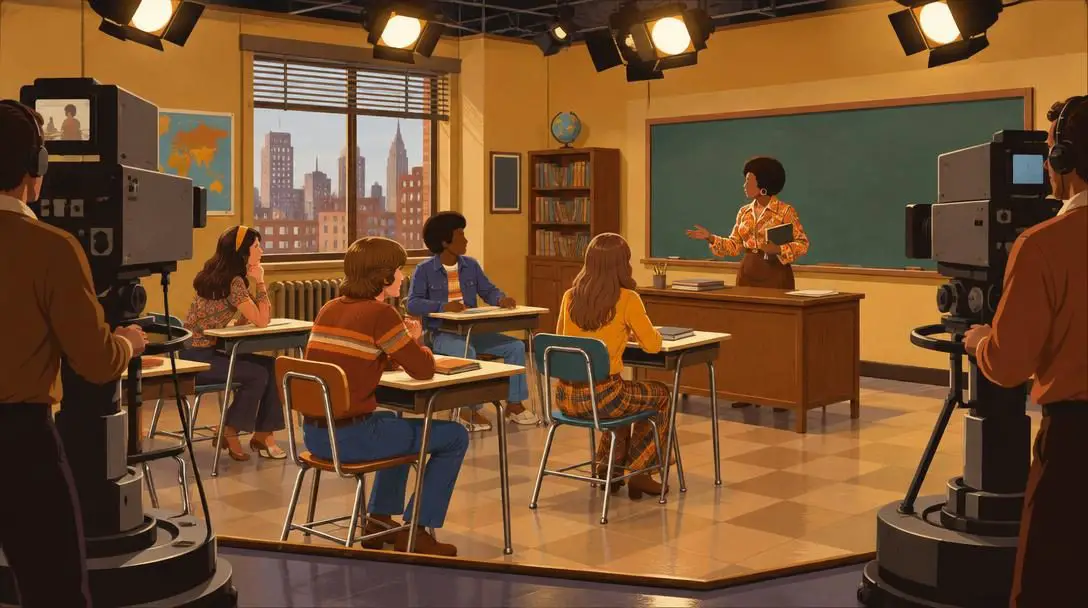
- Medium: Multi-camera network television
- Character: Vinnie Barbarino
- Format impact: Fast-paced comedic timing and mass exposure
Television offered the mass-market training ground that turned Travolta into a household name. Portraying the swaggering yet lovable high school student Vinnie Barbarino, he refined his instincts for physical comedy and audience rapport. The rigorous, fast-turnaround multi-camera schedule acted as a demanding workshop, requiring him to consistently generate high-energy performances under tight production deadlines.
Saturday Night Fever

- Release year: 1977
- Character: Tony Manero
- Recognition: Academy Award nomination for Best Actor
The 1977 release of Saturday Night Fever elevated Travolta from a network television favorite to an international cinematic powerhouse. Playing the frustrated Brooklyn paint-store clerk Tony Manero, he balanced working-class vulnerability with exceptional dance athleticism. The gritty drama established his ability to carry a major feature film and earned him his first Academy Award nomination.
Grease
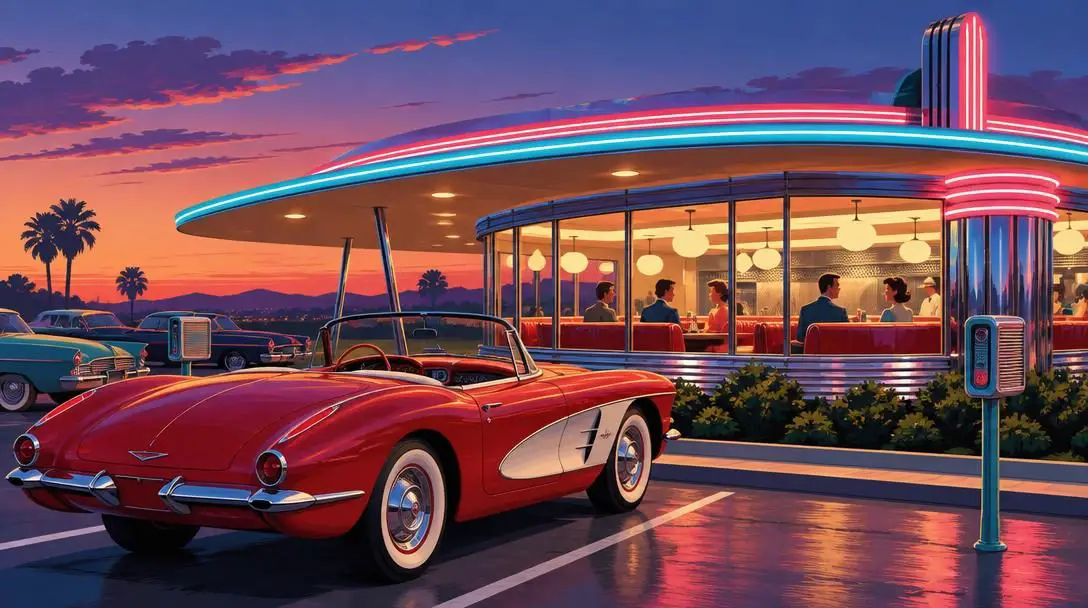
- Release year: 1978
- Character: Danny Zuko
- Genre: Musical comedy / feature film
Immediately following his dramatic triumph in Saturday Night Fever, Travolta cemented his status as a box-office titan by starring as Danny Zuko in the 1978 film adaptation of Grease. The role required a synthesis of vocal performance, period-specific rock-and-roll choreography, and teen-idol charisma. The musical's global commercial success affirmed his versatility across radically different cinematic tones.
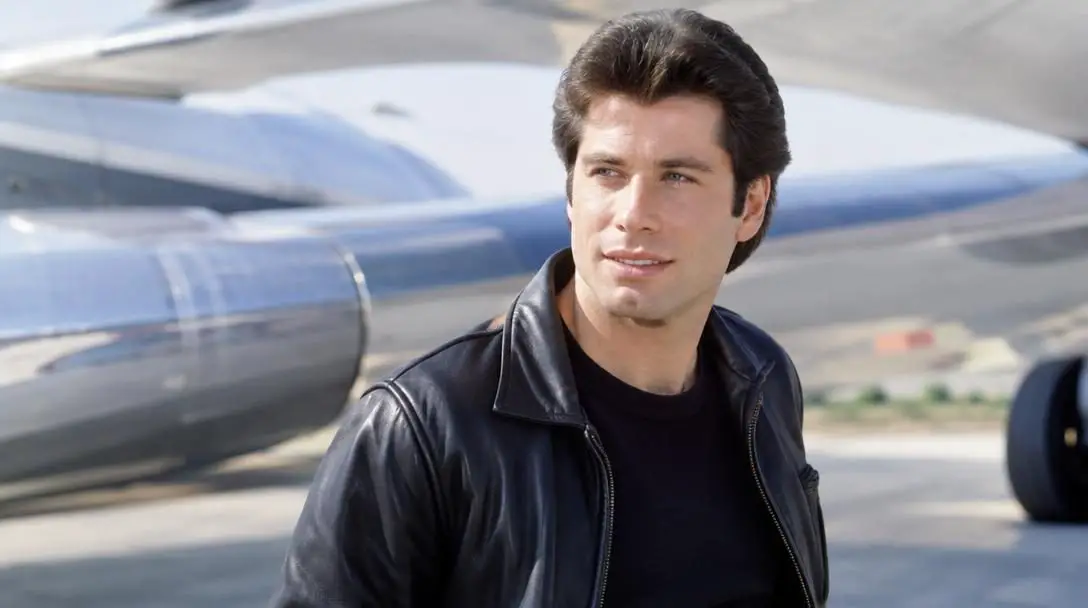
Pulp Fiction
- Release year: 1994
- Character: Vincent Vega
- Recognition: Academy Award nomination for Best Actor
Quentin Tarantino's independent masterpiece catalyzed one of modern cinema's most striking career reinventions. By portraying the world-weary hitman Vincent Vega with quiet charm and deadpan delivery, Travolta shattered industry assumptions about his creative limitations. The performance garnered his second Academy Award nomination and introduced his work to an entirely new generation of filmgoers.
Three-phase implementation framework for performers
Translating Travolta's professional evolution into an actionable career development strategy requires breaking broad ideals into methodical, daily practices. Creative professionals can organize their growth across three distinct phases.
- Establish physical and vocal baselines: Commit to structured movement training, such as dance, stage combat, or physical theater, at least two to three times per week to build spatial awareness and stamina. Dedicate 15 to 30 minutes every day to vocal warm-ups, breath control, and articulation drills to prevent vocal fatigue during extended performances. Keep a visual notebook of everyday physical mannerisms by observing how people of various ages and walks of life carry themselves.
- Broaden platform experience: Pursue diverse performance formats without dismissing television, low-budget independent features, regional theater, or commercial projects. Develop rapid script analysis routines to break down scenes and uncover character motivations quickly. Actively cultivate relationships with emerging writers and directors whose unique perspectives can help unlock your latent capabilities.
- Navigate market shifts and career valleys: Maintain deliberate practice during slow industry periods by attending scene-study workshops, reading classical and contemporary plays, and working through monologues. Resist creative complacency by intentionally seeking projects that defy your established typecast. Build supportive habits and relationships outside of your creative industry to insulate your personal identity from professional fluctuations.
Nuanced hazards in long-term artistic careers
Sustaining a multi-decade creative career requires dodging subtle operational and psychological traps that can undermine even gifted performers:
- Confusing visibility with accomplishment: Prioritizing media attention or social visibility over core craft mastery leaves performers technically vulnerable when complex roles demand deep preparation.
- Refusing to evolve with age: Clinging indefinitely to youthful character types alienates audiences. Enduring performers embrace changing physical traits and maturity, transitioning smoothly into richer, more complex assignments.
- Blaming market conditions for personal stagnation: Creative industries naturally experience shifting audience tastes. Frustrated artists often blame exterior trends rather than adapting their technical tools and presentation to modern realities.
- Discarding the value of ensemble collaboration: Believing a star carries a production single-handedly produces self-centered scene work. Great cinematic moments rely on active listening and generous chemistry among all ensemble members.
- Neglecting stamina management and recovery: Operating at maximum physical output without structured rest leads to chronic fatigue, creative burnout, and physical injury.
Strategic diagnostic: Evaluating your creative baseline
To evaluate your creative habits against the standards set by resilient performers like Travolta, reflect on the following diagnostic questions:
- Physical baseline: Are you physically conditioned to deliver high-intensity, repeatable movement across an eight-to-twelve-hour performance day without losing form?
- Willingness to take risks: Are you pursuing comfortable, predictable material, or are you actively auditioning for unconventional projects that stretch your public image?
- Resilience during slow spells: Do you view career downtime as personal rejection, or do you treat it as focused studio time to upgrade your vocal and dramatic skill sets?
- Grounding support system: Do you maintain strong personal relationships, such as Travolta's long partnership with Kelly Preston, that provide emotional stability separate from industry praise?
- Perspective beyond self: Are you engaged in your local community or supporting meaningful causes, such as aiding children with special needs, to keep your creative ambitions grounded in perspective?
Frequently asked questions
How did John Travolta prepare for his role in Saturday Night Fever?
Travolta underwent months of daily dance training and cardiovascular conditioning. This preparation developed the stamina needed to perform energetic disco routines under hot studio lights, established muscle memory for intricate footwork, and sculpted Tony Manero's distinct physical posture and walk.
Which roles earned John Travolta Academy Award nominations?
Travolta received Academy Award nominations for Best Actor for his performances as Tony Manero in Saturday Night Fever (1977) and as Vincent Vega in Pulp Fiction (1994).
How did Welcome Back, Kotter influence Travolta's career?
Playing Vinnie Barbarino on Welcome Back, Kotter gave Travolta nationwide exposure and served as an intensive training ground for physical comedy, comedic timing, and working efficiently under fast-paced television production schedules.
Why was the role of Vincent Vega in Pulp Fiction considered a turning point?
The 1994 role subverted Travolta's previous image as a lighthearted leading man by casting him as a world-weary, heroin-addicted hitman. By pairing sharp dialogue with his innate physical charm, the performance launched a celebrated career comeback.
What strategies can performers use to navigate career downturns?
Performers should maintain their technical craft through ongoing workshops, monologue study, and play reading. It is equally important to avoid creative typecasting, build relationships with emerging directors, and maintain a grounded personal life outside of the entertainment industry.
The bottom line
John Travolta's sustained presence in popular culture demonstrates that lasting success is rarely an accidental byproduct of raw talent. From his disciplined foundation in New Jersey regional theater and television comedy on Welcome Back, Kotter, to his athletic dedication in Saturday Night Fever, musical prowess in Grease, and reinvention in Pulp Fiction, his career exemplifies intentional adaptation. By pairing physical conditioning with daring creative choices and emotional resilience, performers can build an enduring career capable of weathering any industry shift.