The Secrets of Success: How Lionel Richie Got Famous
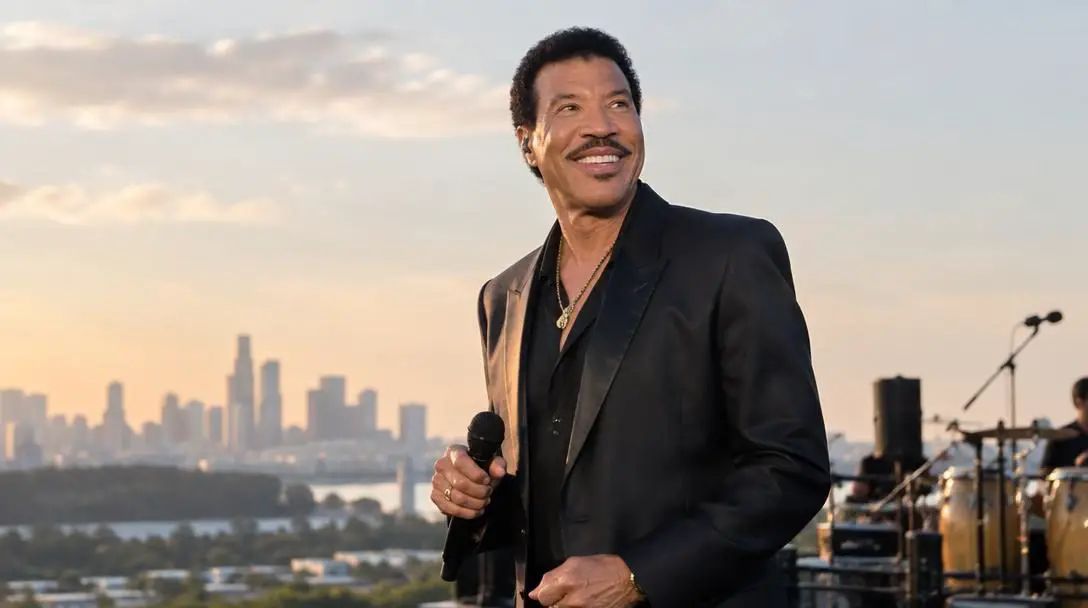
Lionel Richie stands among the most decorated figures in modern popular music, celebrated worldwide for his poignant vocal delivery, instinctive melodic sense, and deeply resonant songwriting. Born on June 20, 1949, in Tuskegee, Alabama, Richie developed his musical affinities within an encouraging home environment. His grandmother introduced him to the piano and guided his foundational playing, while an uncle who played the saxophone contributed valuable creative perspective. These early musical experiences established the technical and artistic groundwork for a career that eventually spanned multiple decades, earned Grammy Awards, and led to his induction into the Songwriters Hall of Fame.
During the late 1960s, Richie joined fellow college friends to create the Commodores, navigating years of lean bookings and professional uncertainty before capturing the interest of Motown Records. Aligning with the Detroit label provided the global launchpad the group needed, yielding classic ballads such as "Easy" and "Three Times a Lady." In 1982, Richie transitioned to an independent solo career, releasing his self-titled debut album and generating chart-topping releases like "Truly" and "You Are." His subsequent 1980s catalog—highlighted by anthems such as "All Night Long (All Night)," "Hello," and "Dancing on the Ceiling"—solidified his standing as an international superstar whose blueprint offers actionable insights into creative discipline, strategic timing, and artistic longevity.
Key takeaways
- Early technical training and familial mentorship provided the creative base that supported Lionel Richie's entire musical career.
- Years of collaborative discipline with the Commodores gave Richie the operational and performance experience necessary to thrive as an independent solo artist.
- Focusing on universally understood emotional themes allowed Richie's songwriting to cross cultural, demographic, and genre boundaries.
- Balancing romantic ballads with high-energy dance tracks ensured sustained popularity across diverse radio formats, from pop and rhythm and blues to adult contemporary and country.
- Channeling creative capital into philanthropic efforts like "We Are the World" expanded Richie's cultural impact beyond commercial music.
From Tuskegee Roots to Motown Breakthrough
Lionel Richie's early life in Tuskegee, Alabama, provided a nurturing environment where musical education was woven directly into daily family life. Under the careful instruction of his grandmother, Richie developed fundamental keyboard proficiencies that shaped his intuitive understanding of chord progressions and vocal harmonies. Concurrently, observing his saxophone-playing uncle taught him the expressive dynamics of woodwind instruments and melodic improvisation. Rather than rushing immediately toward public performance, this extended period of informal study instilled a strong reverence for formal musicianship and melodic simplicity.
By the late 1960s, Richie brought this technical fluency to a collective setting, joining forces with friends from college to establish the Commodores. The band did not experience immediate fame; instead, they contended with difficult early tours, unpredictable revenues, and intense competition within the live entertainment circuit. These challenging formative years served as a real-world incubator where Richie developed his abilities as a keyboardist, vocalist, and co-writer, while learning how to accommodate diverse personalities within a creative collective.
The turning point for the Commodores arrived through their formal partnership with Motown Records. The historic Detroit-based label offered the distribution muscle, promotional expertise, and production infrastructure necessary to expose the group to international markets. Fronted by Richie's smooth vocal delivery, the Commodores broke into mainstream popularity with enduring tracks like "Easy" and "Three Times a Lady." These releases demonstrated Richie's gift for constructing direct, emotionally vulnerable arrangements that connected with listeners across conventional demographic boundaries.
The Five Core Pillars of Richie's Enduring Stardom
The longevity of Lionel Richie's catalog is the direct result of deliberate operational strategies and songwriting values. By breaking down his rise to worldwide prominence, aspiring creators and professionals can understand the specific mechanics that distinguish enduring impact from temporary fame.
Universal Songwriting Themes
Richie intentionally focused his lyrical narratives on fundamental human experiences, primarily romantic love, courtship, heartbreak, and interpersonal intimacy. Rather than relying on temporal colloquialisms or transient pop-culture trends, he crafted verses built around emotions that remain instantly recognizable regardless of age, cultural heritage, or language. This thematic universality allowed his music to travel across international borders without losing its emotional resonance.

Cross-Genre Versatility
A key factor in Richie's commercial reach was his refusal to remain confined to a single musical aesthetic. He balanced slow, introspective piano ballads with vibrant, rhythm-heavy uptempo tracks. This broad musical scope permitted his music to gain traction across an exceptionally wide range of radio formats, securing regular airplay on rhythm and blues, adult contemporary, mainstream pop, and country charts. By cultivating cross-genre appeal, Richie built a diverse and loyal listener base.
Strategic Career Transitions
Richie did not rush into a solo career during the Commodores' earliest moments of success. Instead, he treated his tenure with the ensemble as an intensive apprenticeship. By remaining with the group throughout the late 1960s and 1970s, he acquired deep familiarity with tour logistics, media relations, audio engineering, and collaborative songwriting. When he launched his self-titled solo record in 1982, he entered the market as a fully developed artist prepared to shoulder the professional pressures of individual top billing.
Timeless Craftsmanship
At the center of Richie's commercial longevity is an uncompromising focus on strong melodic hooks, well-defined chord structures, and polished vocal arrangements. His compositions were engineered to sound compelling even when stripped down to a bare piano or an acoustic guitar. By emphasizing acoustic clarity and harmonic balance over synthetic, era-specific production gimmicks, his 1980s recordings retained their broadcast vitality across decades of evolving musical trends.
Richie built songs around clean melodies and fundamental human emotions that retain their freshness across generations rather than fading alongside short-lived stylistic trends.
High-Impact Collaboration and Philanthropy
Richie recognized that an international entertainment platform offers unique opportunities to address broader humanitarian crises. His landmark work co-writing and organizing the global charity project "We Are the World" mobilized prominent musicians to deliver critical humanitarian relief. This endeavor showcased how artistic influence could transcend record sales, uniting diverse creative communities around meaningful social causes and reinforcing his legacy outside commercial entertainment.
Landmark Career Milestones at a Glance
Tracking the development of Richie's career illustrates how gradual technical refinement, strategic timing, and consistent creative quality combined to produce lasting global reach across distinct operational phases.
| Career Phase | Primary Role | Key Works and Achievements | Core Strategic Impact |
|---|---|---|---|
| Early Band Era | Frontman, Keyboardist, and Songwriter | "Easy," "Three Times a Lady," Motown Records signing | Honed stage presence, endured lean early years, and built initial global recognition within an ensemble. |
| Solo Debut (1982) | Solo Recording Artist and Songwriter | Self-titled debut album, "Truly," "You Are" | Established independent market viability, generating number-one hits outside the Commodores framework. |
| Superstar Peak | International Pop and R&B Icon | "Hello," "All Night Long (All Night)," "Dancing on the Ceiling" | Achieved multi-format chart domination, Grammy Awards, and cross-generational audience expansion. |
| Humanitarian Leadership | Co-writer, Project Organizer, and Advocate | "We Are the World" charity anthem | Leveraged industry influence for humanitarian relief, earning Songwriters Hall of Fame stature. |
Practical Steps for Building Long-Term Creative Success
While Lionel Richie achieved his prominence through popular music, the principles guiding his career provide a clear methodology for professionals across creative, corporate, and entrepreneurial disciplines. Sustainable achievement requires moving deliberately from foundational preparation toward diversified execution.
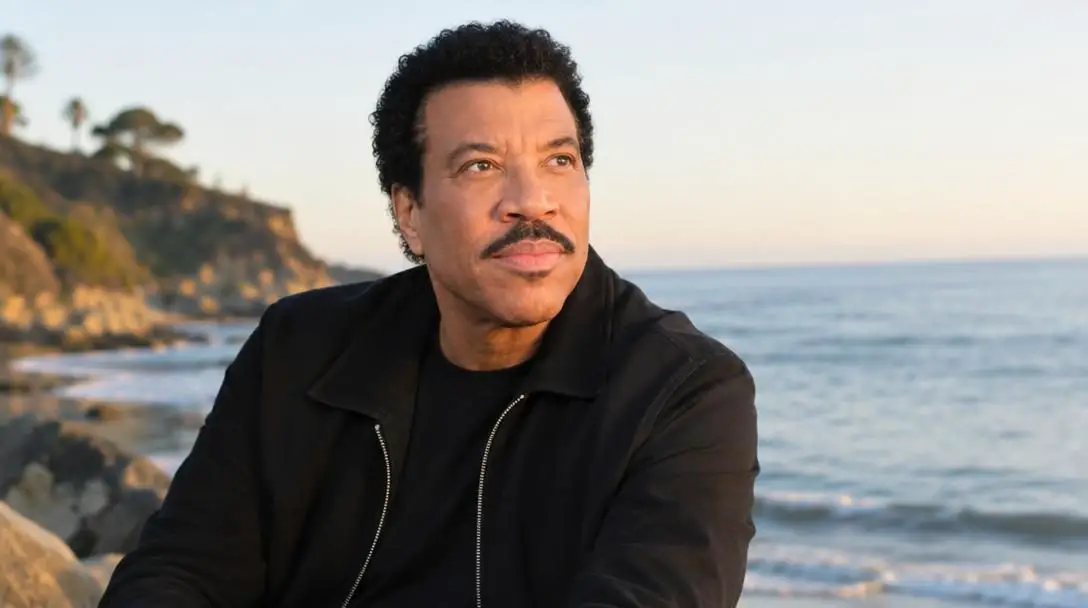
- Establish a solid technical foundation: Dedicate uninterrupted time to learning the fundamental techniques of your craft before pursuing public recognition. Follow Richie's example of studying piano with his grandmother and learning from his uncle to build genuine technical competence.
- Build real-world experience through collaboration: Seek out collaborative team environments early in your trajectory. Working alongside peers in an ensemble teaches shared responsibility, problem-solving under pressure, and how to refine ideas collectively.
- Maintain resilience through initial setbacks: Treat early career stagnation as valuable preparation rather than terminal failure. When the Commodores struggled during their early club days, persistent effort kept the group moving toward their Motown breakthrough.
- Prioritize emotional resonance and clarity: Structure your products, art, or messaging around universal human needs. Eliminating obscure jargon or hyper-specific fads ensures your work communicates effectively to broad audiences.
- Diversify your capabilities and formats: Broaden your repertoire to encompass multiple stylistic modes. Alternating between reflective work and high-energy outputs ensures you can navigate shifting market demands without losing relevance.
- Execute your independent transition deliberately: Wait until your professional skillset, reputational equity, and emotional maturity are fully developed before stepping out as an independent operator or launching a solo endeavor.
- Deploy your platform for social responsibility: Integrate philanthropy and community support into your broader professional identity. Contributing to humanitarian causes establishes authentic public trust and lasting respect.
Common Pitfalls That Derail Career Longevity
Studying Lionel Richie's journey also highlights critical mistakes that frequently derail promising careers. Identifying these risks early helps creators and entrepreneurs protect their long-term growth.
- Abandoning ventures prematurely: Many emerging professionals walk away from worthwhile endeavors during early periods of low visibility. Prematurely dissolving creative projects prevents the compounding benefits that lead to breakthroughs.
- Over-relying on temporary gimmicks: Tailoring work entirely around short-term trends sacrifices staying power. Sustained interest requires grounding your output in authentic craftsmanship and enduring human truths.
- Stepping out independently too soon: Launching a solo venture without sufficient technical, operational, and network preparation often leads to swift burnout. A supportive team environment provides essential training for solo demands.
- Resisting stylistic and operational range: Remaining confined inside a narrow stylistic comfort zone limits professional opportunities and alienates potential new audiences as consumer tastes shift.
- Letting setbacks dictate trajectory: Encountering professional friction is unavoidable over a multi-decade journey. Allowing periodic disappointments to undermine focus stops momentum before full potential is reached.
Strategic Considerations for Sustained Influence
Maintaining high-level relevance across decades requires ongoing self-evaluation long after initial milestones have been achieved. Professionals seeking enduring impact should consider several key dimensions of their ongoing work:
First, evaluate how well your current output stands the test of time. Are you creating products, art, or services designed to offer tangible value years from now, or are you chasing quick vanity metrics? Richie’s enduring status, reflected in his induction into the Songwriters Hall of Fame and multiple Grammy Awards, stemmed from his dedication to disciplined composition and emotional authenticity rather than disposable production techniques.
Second, examine whether your communication style bridges diverse demographics. Richie maintained cultural visibility across multiple eras by speaking directly to core human feelings that appeal equally to long-time listeners and younger audiences who discover his catalog through television and streaming. Expanding your creative range to speak across generational divides prevents your contributions from becoming obsolete.
Finally, consider how your skills can serve a purpose beyond self-advancement. Richie recognized that his global audience provided an instrument for meaningful social good, demonstrating that long-term standing depends not just on commercial metrics, but on using your influence to uplift communities and support humanitarian causes.
The bottom line
Lionel Richie's transformation from a young piano student in Tuskegee, Alabama, to a globally celebrated solo artist underscores the lasting power of patient preparation, stylistic versatility, and timeless craftsmanship. By grounding his early years in disciplined collaboration with the Commodores, embracing diverse musical genres, and centering his songwriting on universal human relationships, Richie created a body of work that continues to transcend eras and cultures. Aspiring creators who master their fundamentals, welcome collaborative growth, and maintain steady resilience can apply these same principles to build a sustainable, influential career of their own.