The Secrets of Success: How Morgan Freeman Got Famous
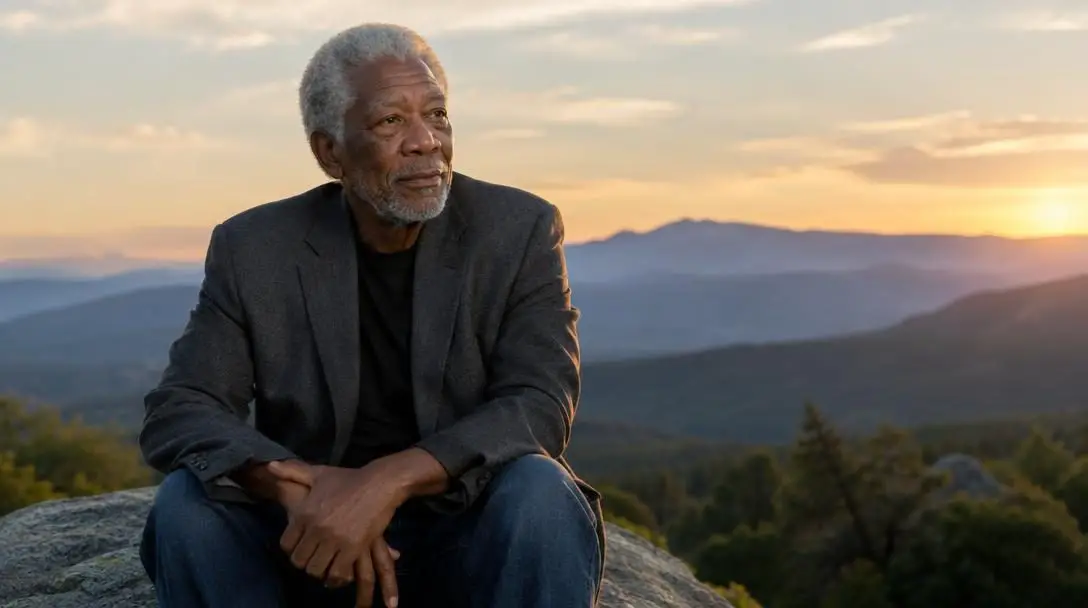
Have you ever wondered how Morgan Freeman evolved into one of the most recognizable and revered figures in cinematic history? Celebrated for his commanding stage presence, nuanced dramatic performances, and unmistakable baritone voice, Freeman has enthralled global moviegoers across multiple generations. Unlike modern internet sensations who shoot to instant prominence through viral visibility, his path illustrates the enduring power of steady craftsmanship, deliberate artistic maturation, and unshakable resilience.
Freeman did not taste mainstream Hollywood celebrity in his youth. Instead, he spent decades refining his dramatic abilities in the disciplined realms of theater and television broadcasts. By examining his working-class beginnings, the sequence of transformative film roles that solidified his reputation, and the multifaceted dimensions of his vocal and professional mastery, we uncover actionable principles for artistic integrity, communication, and lasting professional longevity.
Key takeaways
- Morgan Freeman built his craft across decades of regional theater and television before achieving major Hollywood fame well into adulthood.
- His breakout performance in Street Smart earned him his first Academy Award nomination and altered the trajectory of his career.
- Freeman's resonant, authoritative vocal delivery established him as one of the film industry's most sought-after narrators and emotional anchors.
- Venturing into directing and producing allowed him to command greater creative influence and foster broader African-American representation in Hollywood.
Early life and the road to artistic mastery
Morgan Freeman was born on June 1, 1937, in Memphis, Tennessee. Raised in a working-class family, he encountered numerous social and economic hurdles during his formative years. Despite these early obstacles, his instinct for dramatic expression emerged early. He secured his initial acting opportunities in high school plays, where his innate stage presence and gift for emotional storytelling first surfaced. These humble school productions confirmed to the young performer that acting was not merely an extracurricular interest, but his central vocational calling.
Rather than seeking instant commercial attention, Freeman embarked on an extensive, non-linear journey through the entertainment industry. For decades, he focused his energies on the rigorous demands of stage productions and serialized television work. This extensive period of focused dramatic practice served as a crucial proving ground. In live theater and television broadcasts, an actor must cultivate absolute vocal clarity, master intricate blocking, and develop deep emotional nuance without the luxury of heavy post-production editing.
This prolonged apprenticeship granted Freeman the calm confidence and inner authority that later became his cinematic signature. By embodying a vast spectrum of varied personalities on stage, he discovered how to project dignity, vulnerability, and gravitas under high stakes. When major motion picture opportunities finally materialized later in his adulthood, he arrived with a fully realized, battle-tested dramatic toolkit that younger, less seasoned performers could rarely match.
Five landmark film roles that shaped a cinematic legacy
The transition from a dependable, respected stage and television actor into an internationally celebrated screen icon unfolded through an exceptional run of critical and commercial triumphs. Each project highlighted a distinct facet of Freeman's emotional range, defying narrow industry expectations and cementing his status among peers and audiences worldwide.
| Film Title | Release Year | Character Name | Key Role Distinction |
|---|---|---|---|
| Street Smart | 1987 | Fast Black | First Academy Award nomination; major breakout role |
| Driving Miss Daisy | 1989 | Hoke Colburn | Second Academy Award nomination; historical drama lead |
| The Shawshank Redemption | 1994 | Ellis Boyd "Red" Redding | Narrator and lead; globally acclaimed prison drama |
| Seven | 1995 | Detective William Somerset | Moral anchor in dark psychological thriller |
| Million Dollar Baby | 2004 | Eddie "Scrap-Iron" Dupris | Academy Award win for Best Supporting Actor |
Street Smart (1987)
- Release Year: 1987
- Character Portrayed: Fast Black
- Primary Honor: Academy Award nomination
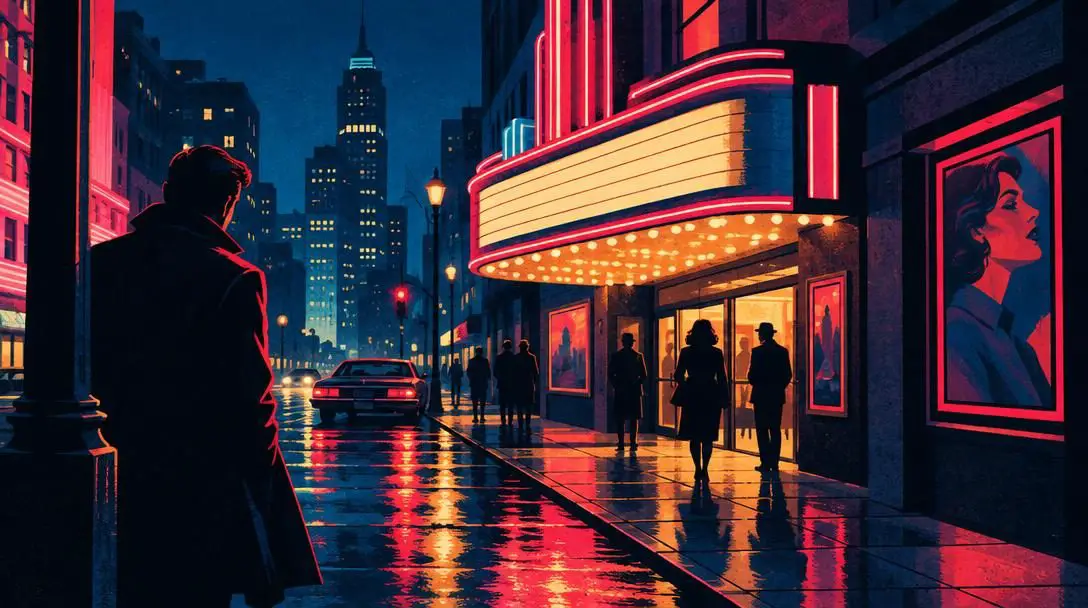
The motion picture Street Smart served as Freeman’s definitive breakthrough in American cinema. Cast against conventional expectations, he portrayed a charismatic, volatile pimp whose surface charm masked an explosive menace. The role caught the attention of major critics, who lauded the subtlety and electrifying tension he brought to the screen. Arriving when Freeman was already mature in years, this landmark performance earned him his first Academy Award nomination and forever altered the trajectory of his career, establishing him as a commanding character actor capable of total transformation.

Driving Miss Daisy (1989)
- Release Year: 1989
- Character Portrayed: Hoke Colburn
- Primary Honor: Academy Award nomination
Following the industry acclaim of Street Smart, Freeman took on the role of Hoke Colburn in Driving Miss Daisy, an emotionally rich drama exploring deep-seated racial tensions and evolving friendship across several decades of Southern history. Freeman’s performance was praised for its quiet grace, understated wit, and psychological depth. His portrayal demonstrated that he could steer an emotionally complex narrative with historical weight, securing his second Academy Award nomination and solidifying his standing as a versatile leading performer.
The Shawshank Redemption (1994)

- Release Year: 1994
- Character Portrayed: Ellis Boyd "Red" Redding
- Role Distinction: Lead character and central narrator
In The Shawshank Redemption, Freeman delivered the definitive performance of his career as Red, an introspective, long-term prison inmate who has spent decades behind bars. In addition to his screen work alongside his co-stars, Freeman served as the film's narrator. His warm, resonant voice provided a philosophical ballast that guided audiences through heartbreaking hardship toward ultimate redemption. The film remains an enduring cultural touchstone, recognized across the globe as a masterwork on human dignity, companionship, and hope.
Seven (1995)

- Release Year: 1995
- Character Portrayed: Detective William Somerset
- Genre: Psychological thriller
Showcasing his capacity for grit and moral realism, Freeman starred in the psychological thriller Seven as a weary, seasoned homicide detective on the brink of retirement. Operating within a grim, rain-soaked metropolis, Freeman’s detective represented an intellectual, ethical lighthouse against escalating human depravity. Performing alongside Brad Pitt, he anchored the film's high-stakes suspense with quiet weariness, psychological discipline, and deep humanity.
Million Dollar Baby (2004)

- Release Year: 2004
- Character Portrayed: Eddie "Scrap-Iron" Dupris
- Primary Honor: Academy Award win for Best Supporting Actor
Freeman reached another pinnacle of his career in Clint Eastwood’s sports drama Million Dollar Baby. Playing Eddie "Scrap-Iron" Dupris, a bruised former prizefighter who manages day-to-day operations in a worn boxing gym, Freeman brought tenderness, dry humor, and deep loyalty to the narrative. Acting as a trusted confidant to Eastwood's trainer and a compassionate mentor to Hilary Swank's determined fighter, his nuanced portrayal earned him the Academy Award for Best Supporting Actor, marking formal industry recognition from his peers.
True artistic longevity is built through decades of patient preparation rather than the pursuit of rapid public visibility.
The anatomy of Freeman's enduring appeal
Understanding how Morgan Freeman sustained decades of cultural relevance requires examining the artistic pillars that govern his work. His accomplishments are not the byproduct of fortuitous circumstance; they stem from deliberate choices regarding vocal expression, genre adaptability, industry leadership, and cultural advocacy.
Unmatched vocal resonance: Freeman’s deep, velvety cadence has become an indelible instrument in modern media. His vocal delivery possesses a rare blend of warmth, clarity, and unforced authority, enabling him to articulate layered philosophical themes without sounding didactic. Because his voice evokes reassurance and emotional grounding, he became a premier narrator for major cinematic works, feature-length documentaries, and commercial campaigns.
Broad genre versatility: Rather than confining his talent to straightforward dramas, Freeman moved fluidly between psychological thrillers, intimate historical character studies, sports stories, and major superhero films. This adaptability proved that he could inhabit entirely disparate cinematic universes while maintaining an unwavering sense of authenticity. In every assignment, he brings a complete, unspoken personal history to his character, ensuring that even secondary figures project three-dimensional life.
Multi-hyphenate industry influence: Freeman broadened his professional scope by stepping beyond acting into executive producing and directing. By mastering the machinery of film production, he gained artistic autonomy and shaped how stories were told from initial concept through post-production. His contributions have been celebrated with Golden Globe Awards, honors from the American Film Institute, and prestigious tributes at the Kennedy Center.
Breaking systemic barriers: As an African-American performer who achieved undisputed A-list stature, Freeman challenged and reshaped traditional Hollywood casting practices. By consistently pursuing characters defined by intellectual gravitas, moral complexity, and institutional leadership, he helped dismantle long-standing racial stereotypes on screen. His legacy continues to serve as an inspiration for emerging artists from diverse backgrounds seeking sustainable artistic careers.
Practical steps for applying Freeman's principles
The strategic lessons that shaped Morgan Freeman's legendary path can inform any professional looking to build a sustainable, influential career in creative, corporate, or communications fields:
- Commit to fundamental craft acquisition: Dedicate your early years to unglamorous, foundational practice in low-visibility environments such as regional theater or independent broadcasting before expecting mainstream accolades.
- Embrace non-linear development timelines: Resist evaluating your career against conventional age milestones, recognizing that readiness and seasoned experience frequently lead to stronger breakthroughs later in life.
- Identify and refine your unique natural instruments: Discover the distinct vocal patterns, perspectives, or analytical strengths that separate your work from others, and invest the discipline required to master them.
- Cultivate multi-genre flexibility: Avoid over-specializing in a single narrow niche by actively applying your abilities across varied genres, formats, and professional mediums.
- Expand beyond your primary operational role: Gain fluency in complementary facets of your field—such as producing, directing, or organizational management—to achieve greater autonomy and creative ownership.
Common career pitfalls to avoid
Examining the factors behind Freeman’s longevity also sheds light on the regular traps that derail promising performers and creative professionals:
- Prioritizing viral fame over foundational competence: Chasing rapid, superficial attention without a deep foundation of technical training typically produces short-lived novelty rather than sustainable professional relevance.
- Allowing initial success to cause typecasting: Repeating the exact same character archetype or project style out of convenience limits long-term growth and narrows future opportunities.
- Neglecting physical and vocal delivery: Assuming that brilliant written material alone will carry an audience, while ignoring the emotional impact of posture, pacing, vocal resonance, and deliberate pause.
- Succumbing to discouragement during plateau periods: Interpreting extended seasons of quiet, steady labor as professional failure rather than the essential soil in which mature excellence takes root.
Frequently asked questions
When did Morgan Freeman get his big breakthrough?
Morgan Freeman secured his major cinematic breakthrough in 1987 with the film Street Smart, in which he played the charismatic and dangerous character Fast Black. His critically acclaimed performance earned him his first Academy Award nomination and launched his mainstream Hollywood film career when he was around 50 years old.
Which film earned Morgan Freeman an Academy Award?
Freeman won the Academy Award for Best Supporting Actor for his portrayal of Eddie "Scrap-Iron" Dupris in Clint Eastwood's 2004 drama Million Dollar Baby. He had previously received Academy Award nominations for Street Smart and Driving Miss Daisy.
What was Morgan Freeman's early background in acting?
Born in Memphis, Tennessee, in 1937, Freeman discovered his love for performance during high school plays. He subsequently spent decades sharpening his skills across stage productions and television broadcasts before breaking into major studio films.
Why is Morgan Freeman's voice so famous?
Freeman's voice is celebrated for its deep baritone resonance, calm cadence, and emotional warmth. These qualities provide a sense of truth and authority, leading filmmakers to hire him as the central narrator for classic movies like The Shawshank Redemption, as well as high-profile documentaries and commercial campaigns.
Did Morgan Freeman work behind the camera as well?
Yes. Beyond acting in front of the camera, Freeman expanded his creative footprint by working as both a film director and executive producer, allowing him to help shape storytelling and broaden representation throughout the film industry.
The bottom line
Morgan Freeman’s remarkable ascent to cinematic greatness illustrates that lasting success is rarely an overnight event. By building an unshakable dramatic foundation across decades of theater and television, embracing patient development, and cultivating his singular vocal and emotional instruments, he transformed himself into an indispensable screen presence. His journey from high school stages in Memphis to the highest honors of the American film community demonstrates that unwavering commitment to substance over superficial sensation remains the definitive blueprint for timeless artistic achievement.