The Secrets of Success: How Stevie Wonder Got Famous
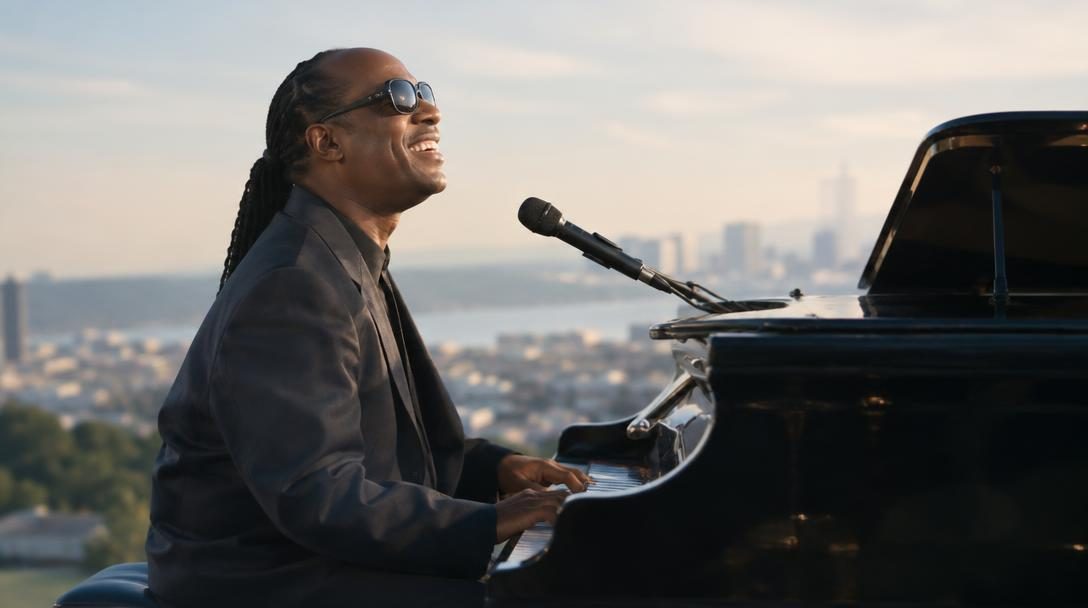
Stevie Wonder is undeniably one of the most influential, innovative, and beloved musical icons in the history of recorded sound. From his instantly recognizable vocal delivery to his remarkable virtuosity across a multitude of instruments, his career spans over six decades of boundary-pushing creativity. His rise to worldwide fame is not merely a tale of innate musical brilliance, but a masterclass in relentless creative innovation, powerful songwriting, and an extraordinary capacity to overcome personal challenges.
Born Stevland Hardaway Judkins on May 13, 1950, in Saginaw, Michigan, Wonder showed an astonishing aptitude for music despite being blind since shortly after his birth. Rather than allowing his lack of sight to define or restrict his future, his ears and hands became his primary guides to understanding the world. This profound sensory immersion established the groundwork for a generational legacy that would reshape popular culture forever.
Key takeaways
- Stevie Wonder signed with Motown Records at age 11, making him the youngest artist ever to secure a long-term contract with the legendary label.
- His complete command over the piano, drums, and harmonica granted him unprecedented autonomy to write, arrange, and produce his own studio recordings.
- By pioneering the use of analog synthesizers in the early 1970s, Wonder transformed electronic instruments from novelty effects into core musical foundations.
- With 25 Grammy Awards and dual inductions into the Rock and Roll and Songwriters Halls of Fame, his work dismantled societal barriers for artists with disabilities.
The foundations of early stardom
The journey that brought Stevie Wonder to the global stage began within his childhood home. Deprived of sight from infancy, he developed an extraordinarily acute sensitivity to ambient sound, rhythm, and tone. Instead of retreating from his environment, he gravitated toward whatever musical instruments he could get his hands on, quickly teaching himself to play the piano, the drums, and the harmonica.
Wonder displayed natural motor coordination, perfect pitch, and an instinctual understanding of groove that baffled older musicians. His early command over both percussive rhythms and melodic progressions reflected an infectious passion for sonic exploration. It was clear that he did not perceive sound simply as passive entertainment, but as an interactive language through which he could articulate his inner thoughts and emotional life.
Word of this prodigy traveled rapidly across Detroit, eventually reaching the executive offices at Motown Records. Founder Berry Gordy and his production team recognized an unprecedented spark in the young boy, offering him a historic recording deal. Billed as "Little Stevie Wonder," his exuberant harmonica solos and dynamic live performances captured immediate public attention, laying the structural foundation for one of the most consequential careers in modern music history.
Five pillars of Stevie Wonder's creative breakthrough
Stevie Wonder's transformation from a juvenile novelty act into an enduring cultural force was not an accident of fate. It was sustained by distinct artistic pillars that separated his work from the conventional commercial releases of his era.

Multi-instrumental virtuosity
Unlike many pop and soul vocalists who relied exclusively on studio house bands, outside arrangers, or hired session players, Wonder developed absolute mastery over his primary instruments. His fluency on the piano, drum kit, and harmonica gave him complete autonomy inside the studio control room. Because he understood precisely how the rhythmic syncopation of the drums interacted with keyboard harmonies and expressive harmonica bends, Wonder was capable of assembling rich, multi-layered arrangements completely from scratch. This direct physical connection to every layer of rhythm and harmony yielded an organic, vibrant cohesion that few produced records could match.
Boundary-pushing genre fusion
A central key to Wonder's expansive appeal was his refusal to remain trapped within a single stylistic category. He engineered an unmistakable sound that integrated the infectious grooves of funk, the raw emotional resonance of soul, the accessible hooks of pop, and the classic foundations of R&B. As his musical maturity deepened, he fearlessly folded jazz harmonies, reggae rhythmic accents, and intricate classical motifs into his catalog. This seamless synthesis enabled Wonder to cross cultural, racial, and demographic boundaries effortlessly without ever diluting his artistic integrity.
His fusion of various genres, including soul, funk, pop, and R&B, created a unique and captivating sound while forever changing the landscape of popular music.
Synthesizer and electronic pioneering
During the early 1970s, the mainstream music industry remained heavily anchored to acoustic instrumentation and traditional electric guitars. Stevie Wonder spearheaded a sweeping technological revolution by adopting analog synthesizers not as background novelties, but as primary architectural components of his songs. He crafted complex keyboard layers, driving electronic basslines, and futuristic sonic textures that expanded what popular music could sound like. This technical bravery unlocked new emotional landscapes and permanently modernized the art of record production.
Conscious songwriting and storytelling
Wonder's technical genius was matched note-for-note by his lyrical depth. He resisted the industry pressure to generate formulaic love tunes, choosing instead to address urgent social issues, systemic poverty, racial injustice, and spiritual resilience. His songs demanded that listeners confront hard cultural realities, yet he never lost his grasp on pure human joy, celebration, and romantic devotion. By pairing complex social narratives with indelible, radio-friendly melodies, his compositions achieved both massive commercial ubiquity and profound cultural significance.
Resilience in the face of adversity
From his infancy in Saginaw, Michigan, Wonder confronted severe personal and structural hurdles. Navigating everyday life and a competitive, demanding recording industry without sight required remarkable internal fortitude and focus. Instead of viewing his blindness as an insurmountable obstacle, Wonder leaned into his heightened auditory acuity, relying on acute listening and spatial awareness to guide his artistic vision. His steady resilience inspired millions of listeners worldwide, proving that physical challenges could be transformed into profound creative assets.
Landmark compositions and their sonic innovations
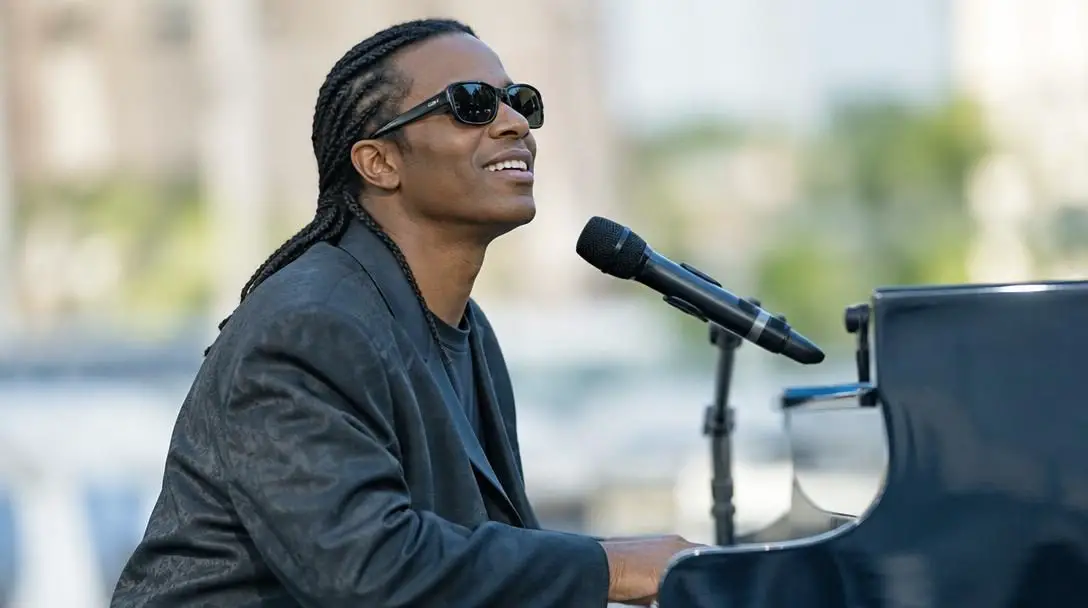
Throughout his career, Stevie Wonder's pioneering techniques yielded master recordings that redefined modern composition. The table below illustrates how his technical experimentation, multi-genre fusion, and conscious lyricism converged in several of his most celebrated tracks.
| Song title | Key instrumentation | Genre blend | Lyrical focus |
|---|---|---|---|
| "Superstition" | Hohner Clavinet, synthesizers, live drums | Funk, soul, rock-infused pop | Warning against irrational beliefs and blind dogma |
| "Living for the City" | Analog synthesizers, electric piano, handclaps | Progressive soul, funk, urban storytelling | Systemic racism, economic hardship, and injustice |
| "Higher Ground" | Clavinet with envelope filter, layered percussion | Funk, gospel, psychedelic soul | Spiritual renewal, personal redemption, and second chances |
| "Isn't She Lovely" | Harmonica, acoustic piano, live drum groove | Pop, soul, jazz harmony | Unfiltered celebration of fatherhood, life, and love |
Strategic steps for creative longevity
While few individuals possess the astonishing natural gifts of Stevie Wonder, his career offers a practical blueprint for artists, producers, and creative professionals aiming to build a lasting legacy. Aspiring creators can apply several strategic steps inspired by his journey:
- Master complementary skill sets: Expand your expertise beyond a single discipline. Wonder gained complete artistic autonomy by learning drums, keyboards, harmonica, and production techniques, reducing his reliance on outside gatekeepers.
- Embrace emerging tools ahead of the crowd: When analog synthesizers emerged in the early 1970s, Wonder immersed himself in their technical mechanics. Adopting modern tools before they become industry standards enables you to pioneer fresh sonic identities.
- Anchor radical experimentation to strong core hooks: No matter how harmonically complex or electronically advanced Wonder's tracks became, they were always anchored by unforgettable melodic hooks and undeniable grooves.
- Infuse real-world meaning into your work: Fleeting trends fade quickly, but songs exploring genuine human experiences, social justice, and emotional truth create an enduring bond with audiences across generations.
- Leverage your platform for public advocacy: Use professional standing to champion civil rights, humanitarian causes, and community empowerment, ensuring that your career serves a purpose larger than commercial success.
Creative traps and how to avoid them
Studying Stevie Wonder's artistic evolution also highlights the common missteps that derail promising careers. By recognizing these traps early, creators can protect their longevity:
- Replicating past commercial formulas: Many artists find success with one style and repeat it indefinitely. Wonder continually abandoned formulaic sounds, progressing from Motown teen pop into jazz-inflected funk and expansive electronic arrangements.
- Relying exclusively on natural talent: Raw aptitude opens doors, but continuous study and technical discipline sustain a career. Wonder's relentless hours in rehearsal and recording rooms refined his innate gifts into unmatched technical mastery.
- Creating in a cultural vacuum: Producing art detached from contemporary human realities leaves work vulnerable to irrelevance. Grounding creative projects in the social climate ensures lasting resonance.
- Permitting limitations to dictate vision: Wonder treated his visual impairment not as a career-ending barrier, but as a reason to develop an elevated auditory perspective. Creative constraints can often become an artist's greatest competitive advantage.
Frequently asked questions
What is Stevie Wonder's real birth name?
Stevie Wonder was born Stevland Hardaway Judkins on May 13, 1950, in Saginaw, Michigan. He was later billed as "Little Stevie Wonder" after signing with Motown Records as a child prodigy.
How old was Stevie Wonder when he signed with Motown Records?
Wonder signed with Motown Records at the age of 11. The historic contract made him the youngest recording artist ever to secure a long-term agreement with Berry Gordy's renowned record label.
Which musical instruments did Stevie Wonder teach himself to play?
As a young child growing up without sight, Wonder taught himself to play the piano, the drums, and the harmonica, achieving extraordinary multi-instrumental proficiency before entering his teenage years.
How did Stevie Wonder revolutionize the use of synthesizers in popular music?
During the early 1970s, Wonder integrated analog synthesizers directly into the core rhythm sections of his songs, using them for dynamic basslines and rich atmospheric textures rather than treating them as background novelties.
How many Grammy Awards has Stevie Wonder won throughout his career?
Over the course of his six-decade recording career, Stevie Wonder has earned an astonishing 25 Grammy Awards, alongside formal inductions into both the Rock and Roll Hall of Fame and the Songwriters Hall of Fame.
The bottom line
Stevie Wonder's monumental contributions to modern music have earned him virtually every major accolade the entertainment industry offers, including 25 Grammy Awards and dual honors in the Rock and Roll Hall of Fame and the Songwriters Hall of Fame. Yet his enduring importance cannot be measured merely by gold records and industry trophies. His real achievement lies in how he expanded the expressive boundaries of modern recording arts while elevating the cultural consciousness of the global listening public.
Beyond his musical innovations, Wonder fundamentally reshaped public perception regarding artists with disabilities. By dominating the worldwide charts and controlling every aspect of his creative output as a blind musician, he tore down entrenched social assumptions and proved that physical differences present no barrier to artistic excellence. Paired with his humanitarian advocacy, his journey from Saginaw, Michigan, stands as an eternal masterclass in creative curiosity, technical devotion, and personal perseverance.