The Secrets of Success: How Tom Cruise Got Famous
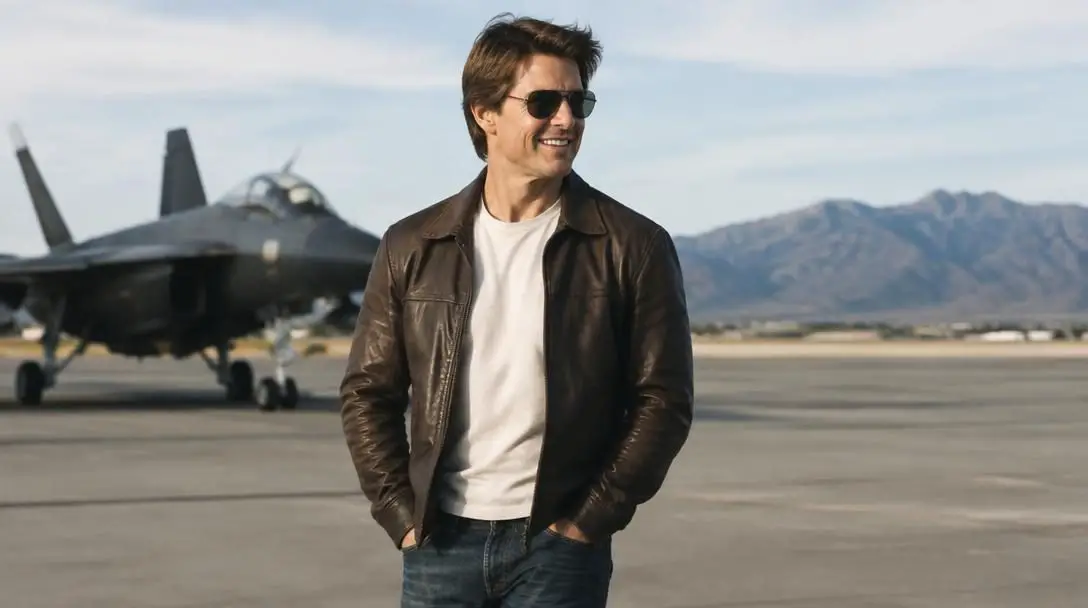
Few figures in the history of cinema have commanded the global box office with the endurance, intensity, and sheer consistency of Tom Cruise. Over a career spanning more than four decades, Cruise has transformed himself from an ambitious young performer born in Syracuse, New York, into one of the most recognizable and bankable stars in motion picture history. His longevity in an industry notorious for rapid turnover is not merely a product of innate charm or serendipitous timing, but the result of an orchestrated masterclass in career management, physical commitment, and uncompromising discipline.
Analyzing how Cruise reached the summit of international entertainment—and managed to remain there across multiple generations of moviegoers—offers invaluable lessons on ambition, craft, and professional resilience. By breaking down the specific turning points, strategic decisions, and execution methods that have defined his journey, we can uncover the core operating principles behind an extraordinary Hollywood icon.
Key takeaways
- Tom Cruise turned initial secondary roles in films like Taps into leading stardom through the 1983 breakout hit Risky Business.
- His career strategy balances high-octane commercial blockbusters with demanding auteur-driven dramas directed by cinematic masters.
- A relentless insistence on performing real-world practical stunts has set Cruise apart in an entertainment landscape dominated by computer-generated imagery.
- Sustained global authority requires meticulous preparation, strict personal discipline, and proactive collaboration with industry veterans.
The formative years: from Syracuse to early breakthrough
Born on July 3, 1962, in Syracuse, New York, Cruise spent his early life navigating a humble household environment. It was during these formative years that he developed an early, fervent passion for the dramatic arts. Rather than stepping directly into stardom, Cruise had to fight for initial traction across fiercely competitive casting calls in New York and Los Angeles.
His entry into professional cinema came through minor, secondary parts that nevertheless showcased his raw energy and magnetic presence. Early motion pictures such as Endless Love and the military academy drama Taps allowed industry gatekeepers to witness his foundational talent. In Taps, Cruise brought an unnerving, electric intensity to his supporting role, signaling to casting agents and filmmakers that he possessed a drive far beyond that of a typical novice performer. These initial appearances laid the groundwork for his rapid ascent.
Cruise transformed physical commitment and director-led discipline into an enduring blueprint for global box office longevity.
Eight landmark milestones in Cruise's cinematic rise
The rise of Tom Cruise into a global powerhouse can be traced through distinct milestone productions. Each project represented a deliberate pivot toward larger commercial scale, greater auteur prestige, or unprecedented physical dedication.
Risky Business

- Release year: 1983
- Character: Joel Goodsen
- Impact: Breakthrough leading role
Released in 1983, Risky Business stands as the foundational turning point in Cruise's career. Portraying high school senior Joel Goodsen, Cruise captured the anxieties, rebelliousness, and entrepreneurial drive of 1980s youth culture. The film showcased his natural comedic timing alongside a sophisticated dramatic edge, demonstrating that he could anchor a narrative and connect deeply with mainstream audiences. It transformed him overnight from a working young talent into Hollywood's most exciting new leading man.
Top Gun

- Release year: 1986
- Director: Tony Scott
- Character: Pete "Maverick" Mitchell
With the 1986 aerial blockbuster Top Gun, Cruise transitioned from a rising star to a full-fledged international phenomenon. Directed by Tony Scott, the film paired Cruise's intense screen persona with adrenaline-charged spectacle. His portrayal of naval aviator Pete "Maverick" Mitchell cemented his status as a premier leading man, creating iconic cultural imagery and proving his ability to drive massive global box office figures in high-concept action filmmaking.

Rain Man

- Release year: 1988
- Co-star: Dustin Hoffman
- Accolade: Academy Award for Best Picture
To avoid being pigeonholed solely as an action hero, Cruise made a pivotal pivot in 1988 by starring alongside Dustin Hoffman in Rain Man. Taking on the complex role of Charlie Babbitt, an abrasive, self-absorbed car dealer who undergoes a profound emotional transformation, Cruise held his own against one of the era's greatest performers. The film won the Academy Award for Best Picture and earned Cruise widespread critical acclaim, proving his dramatic legitimacy to global critics.
Days of Thunder

- Release year: 1990
- Director: Tony Scott
- Character: Cole Trickle
In 1990, Cruise re-teamed with director Tony Scott for Days of Thunder, entering the fast-paced, visceral arena of NASCAR racing. Playing the fiercely competitive driver Cole Trickle, Cruise expanded his command of high-octane spectacle. The project reinforced his affinity for speed, mechanical precision, and physically demanding roles, while simultaneously solidifying his creative partnership with Scott.
Jerry Maguire

- Release year: 1996
- Director: Cameron Crowe
- Accolade: Academy Award nomination for Best Actor
Directed by Cameron Crowe, the 1996 sports drama Jerry Maguire showcased Cruise at the peak of his charismatic and dramatic powers. Playing an elite sports agent suffering a moral crisis and career collapse, Cruise balanced frenetic energy with touching vulnerability. The performance earned him broad critical praise, major box office numbers, and an Academy Award nomination for Best Actor, demonstrating that his star power could elevate sophisticated adult dramas.
Eyes Wide Shut

- Release year: 1999
- Director: Stanley Kubrick
- Production timeline: Over one year of continuous shooting
In 1999, Cruise took one of the boldest creative risks of his career by immersing himself in the demanding, secretive production of legendary auteur Stanley Kubrick's final masterpiece, Eyes Wide Shut. Spending over a year shooting under Kubrick's notoriously rigorous direction, Cruise embraced psychological complexity, ambiguity, and vulnerability, signaling to the cinematic community that he was committed to high artistic ambition above pure commercial safety.
Minority Report

- Release year: 2002
- Director: Steven Spielberg
- Genre: Neo-noir science fiction
Teaming up with premier auteur Steven Spielberg in 2002, Cruise led the visionary neo-noir science-fiction thriller Minority Report. Set in a dystopian future where crimes are stopped before they occur, the film paired Spielberg's imaginative world-building with Cruise's relentless kinetic pacing and emotional drive. The project proved Cruise could navigate cerebral, complex speculative fiction while delivering a massive box office hit.
Mission: Impossible Franchise

- Inception year: 1996
- Role: Star and Producer
- Character: Ethan Hunt
Beginning in 1996 and evolving across several decades, the Mission: Impossible franchise has become the ultimate platform for Cruise's physical and professional ambition. Stepping into the dual role of star and producer as IMF operative Ethan Hunt, Cruise redefined modern action cinema by personally performing death-defying practical stunts. The series has become a gold standard for cinematic authenticity and consistent worldwide box office supremacy.
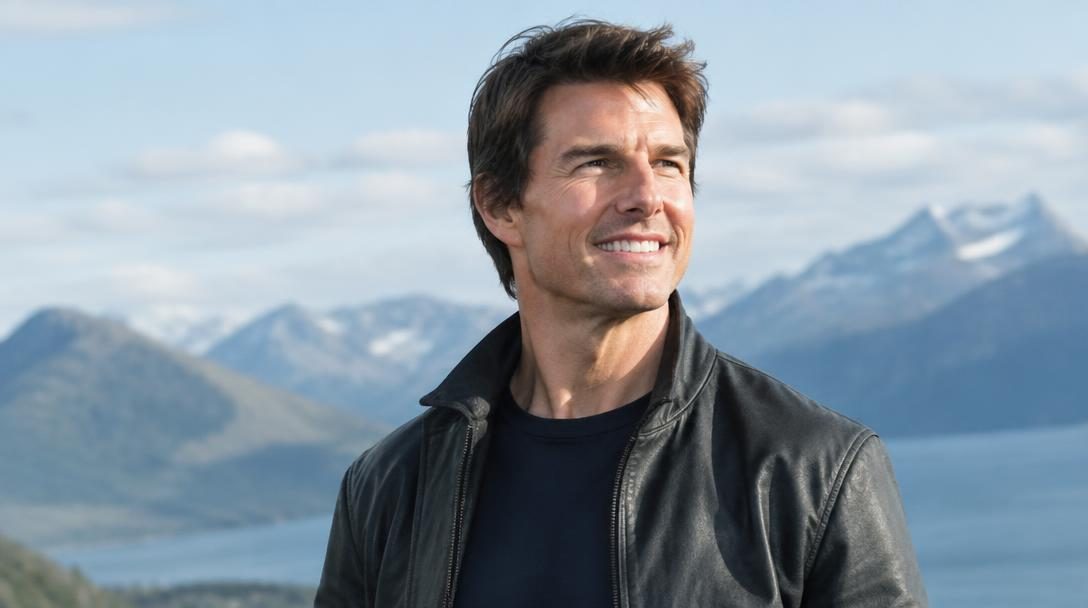
Milestone productions at a glance
Evaluating Cruise's key releases reveals how each major project contributed to his sustained market power and critical credibility over four decades.
| Project | Year | Director / Collaborator | Strategic Milestone |
|---|---|---|---|
| Risky Business | 1983 | Paul Brickman | Breakout commercial vehicle establishing leading-man status |
| Top Gun | 1986 | Tony Scott | Global blockbuster dominance and high-concept action appeal |
| Rain Man | 1988 | Barry Levinson / Dustin Hoffman | Best Picture prestige and critical validation as a dramatic peer |
| Days of Thunder | 1990 | Tony Scott | Reinforcement of visceral speed, spectacle, and key partnerships |
| Jerry Maguire | 1996 | Cameron Crowe | Best Actor Oscar nomination blending vulnerability with star charisma |
| Eyes Wide Shut | 1999 | Stanley Kubrick | High-risk artistic immersion under an uncompromising auteur |
| Minority Report | 2002 | Steven Spielberg | Complex speculative fiction paired with massive box office appeal |
| Mission: Impossible Franchise | 1996–present | Multiple Directors | Producer autonomy and legendary practical stunt execution |
The structural pillars of Cruise's longevity
Examining Cruise's career reveals that his sustained success relies on five core pillars, each functioning as structural support for his creative longevity:
- Partnerships with renowned directors: Cruise made a conscious effort throughout his career to place himself under the guidance of visionary filmmakers. From working frequently with Tony Scott on high-energy blockbusters like Top Gun and Days of Thunder, to collaborating with auteur directors like Steven Spielberg on Minority Report and Stanley Kubrick on Eyes Wide Shut, Cruise used great directors to elevate his dramatic range and professional credibility.
- Unwavering physical authenticity: In an era dominated by computer-generated imagery, Cruise distinguished himself through radical physical dedication. By executing complex, dangerous stunt work personally rather than delegating the action to doubles, he brings an undeniable realism to the screen—particularly across the Mission: Impossible franchise—earning genuine respect from audiences and industry veterans alike.
- A balanced portfolio of projects: Rather than confining his talents strictly to commercial blockbusters, Cruise strategically balanced crowd-pleasing action with celebrated character-driven dramas. Memorable roles in films such as Rain Man and Jerry Maguire allowed him to earn widespread critical acclaim alongside massive financial returns.
- Legendary work ethic and professionalism: Within the entertainment industry, Cruise is renowned for his meticulous preparation, intense focus, and relentless pursuit of excellence. He approaches every production with total discipline, ensuring high standards across all phases of shooting and post-production.
- Intentional public image management: Cruise has continuously struck a balance between preserving personal boundaries and exhibiting infectious, passionate enthusiasm during promotional engagements. This focused public demeanor has maintained a loyal global audience for decades.
Five career strategies inspired by Tom Cruise
While the scale of Hollywood filmmaking is unique, the underlying operating strategies that propelled Cruise to global prominence can be adapted by professionals across creative, corporate, and entrepreneurial disciplines. To build a resilient career of your own, adopt the following actionable steps:
- Pursue strategic collaborations with proven leaders: Actively seek opportunities to align yourself with experienced mentors, leaders, and established directors of talent in your field. Working alongside proven masters accelerates your learning curve, enhances your credibility, and pushes your standards higher than working in isolation ever could.
- Commit deeply to authenticity and execution: Avoid the temptation to take shortcuts or delegate the core challenges that define your craft. By tackling demanding tasks directly and showing complete dedication to your execution, you develop an authentic reputation that sets you apart from competitors who rely on surface-level appearances.
- Balance commercial practicality with high-quality projects: Maintain a diversified portfolio of work. Mix projects that ensure broad visibility, commercial viability, and steady returns with high-craft endeavors that push your capabilities and earn the respect of industry peers.
- Cultivate an uncompromising work ethic: Show up thoroughly prepared for every assignment, paying strict attention to detail regardless of the size or scope of the project. Consistency in discipline and effort creates long-term trust that opens doors to higher-stakes opportunities.
- Manage your public image and professional relationships: Maintain clear boundaries regarding your personal privacy while remaining warm, energetic, and fully engaged in professional settings. Show genuine passion for your craft whenever representing your work to the public or your network.
Common pitfalls that derail career momentum
Many aspiring high achievers attempt to emulate the trajectories of iconic figures like Tom Cruise but stumble by falling into predictable professional traps. To protect your long-term potential, avoid these key missteps:
- Over-relying on early success: Achieving a breakout win or milestone early in your career does not guarantee lasting stability. Treating an early victory as a permanent ticket to success rather than a stepping stone often causes momentum to evaporate quickly.
- Allowing typecasting and stagnation: Becoming overly comfortable in one specific role, function, or niche limits your creative and professional range. Failing to diversify your capabilities leaves you vulnerable to sudden shifts in market trends and industry demands.
- Sacrificing preparation for natural talent: Innate charisma and raw ability can open initial doors, but they can never substitute for exhaustive preparation, detailed study, and rigorous execution.
- Neglecting collaborative relationships: Treating mentors, creative leaders, and colleagues as transactional stepping stones rather than genuine partners damages your reputation. Lasting authority is built on mutual respect and shared creative commitment.
- Mismanaging public demeanor: Failing to balance personal boundaries with energetic, respectful public engagement can create professional fatigue or alienate your network. Genuine enthusiasm must be balanced with self-awareness to build lasting goodwill.
Strategic prompts for self-evaluation
Reflecting on Cruise's rise provides a mirror through which ambitious individuals can examine their own trajectory. As you map out the next stage of your professional growth, take time to evaluate your progress using the following prompts:
- Evaluating your portfolio: Does your current body of work demonstrate a healthy balance between practical, broad-reach achievements and challenging, high-quality projects that stretch your capabilities?
- Assessing your commitment level: Are you fully investing in the challenging, physically or mentally demanding aspects of your craft, or are you avoiding the difficult tasks that could set you apart from others?
- Identifying future collaborators: Who are the respected veterans, mentors, or creative leaders in your industry with whom you should actively pursue partnerships to elevate the standard of your work?
- Reviewing your professional presentation: How do you present yourself across professional channels? Does your outward reputation reflect genuine enthusiasm, meticulous preparation, and respect for your collaborators?
Frequently asked questions
What was Tom Cruise's first major breakout role?
While Cruise gained initial industry attention in secondary roles in Endless Love and Taps, his definitive commercial and critical breakthrough came in 1983 with Risky Business, where he starred as high school senior Joel Goodsen.
How did Tom Cruise prove his dramatic range early in his career?
To avoid being typecast solely as an action lead after Top Gun, Cruise starred alongside Dustin Hoffman in the 1988 drama Rain Man. The film won the Academy Award for Best Picture and established Cruise's ability to handle complex, character-driven dramatic material.
Which prominent directors has Tom Cruise collaborated with?
Cruise deliberately sought out visionary directors throughout his career, working with Tony Scott on Top Gun and Days of Thunder, Cameron Crowe on Jerry Maguire, Stanley Kubrick on Eyes Wide Shut, and Steven Spielberg on Minority Report.
Why are practical stunts so central to Cruise's reputation?
In an entertainment era dominated by green screens and computer-generated imagery, Cruise distinguishes his productions—particularly the Mission: Impossible franchise—by executing complex, death-defying stunts personally, delivering visceral authenticity to audiences.
What Academy Award recognition has Tom Cruise received for acting?
Cruise earned widespread acclaim for his dramatic performances, including an Academy Award nomination for Best Actor for his role as an unraveling sports agent in Cameron Crowe's 1996 drama Jerry Maguire.
The bottom line
Tom Cruise's journey from a humble upbringing in Syracuse, New York, to the absolute peak of modern cinema demonstrates that enduring fame is rarely an accident of fate. Through calculated risk-taking, deliberate partnerships with industry masters, unwavering physical dedication, and a legendary work ethic, Cruise built an unmatched career standard. By adopting these foundational disciplines, professionals in any arena can build a resilient, impactful, and lasting legacy.