The Surprising Benefits of Volunteering
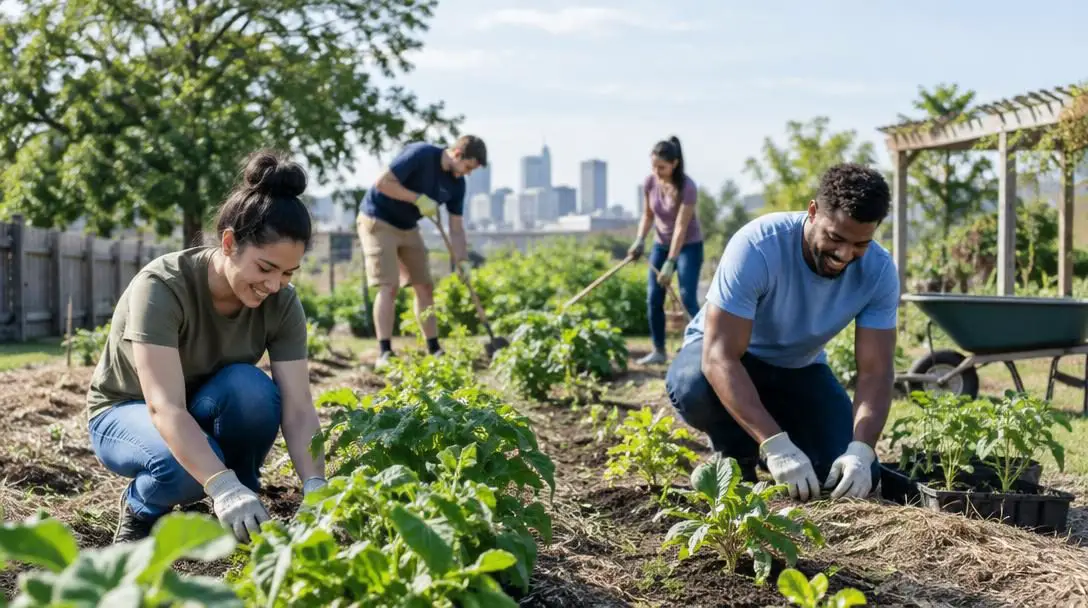
Glance into any room where volunteers gather—whether it is a crowd of busy parents assembling sandwiches for a high school band booster club or animal lovers fostering kittens—and you might wonder what brings such diverse people together. They come from completely different walks of life, hold distinct personal backgrounds, and possess unique perspectives, yet they share an undeniable dedication to kindness. Volunteers choose to donate their precious personal time and skills to community causes without any expectation of a paycheck or financial reward.
While society often categorizes community service as an act of selfless charity meant entirely for the benefit of others, that framing overlooks a profound reality. Freely offering your labor, compassion, and expertise provides an extraordinary collection of personal, physical, and professional dividends that can dramatically enrich your life and reshape your connection to the world.
Key takeaways
- Volunteering offers measurable physical health benefits, including lowered blood pressure and reduced stress levels that can promote longevity.
- Cooperative volunteer projects provide a low-pressure environment to ease social awkwardness and polish conversational skills.
- Listing community service experience on your resume makes you 27 percent more likely to be hired for paid positions.
- Starting with small, behind-the-scenes commitments prevents burnout while building consistent reliability and valuable community ties.
The Three Core Advantages of Community Service
Most people consider volunteerism through the lens of community impact, focusing on the hot meals served at local soup kitchens or the operational support given to volunteer fire halls. However, looking closer reveals that the person performing the service often gains just as much as the recipients. Researchers and career experts identify three major, surprising advantages that come from donating your time.
Volunteering May Help You Live Longer
Kindness is far more than a warm emotional state or a passive feeling of empathy toward your neighbors. Clinical research from The Mayo Clinic confirms that performing acts of kindness produces real, measurable biological benefits. Regular volunteer service has been shown to lower blood pressure, reduce chronic stress, and deliver a sustained lift to your daily mood.
Beyond these immediate physiological markers, service provides a profound boost to mental well-being. Knowing that your efforts solved a real problem fosters a deep sense of accomplishment, directly cultivating higher self-esteem. Most crucially, volunteering acts as a powerful antidote to modern isolation by anchoring you in an active social and physical network, providing the ongoing community engagement that may help extend your overall lifespan.
Polishing Rusty Social Skills
For individuals who experience shyness or struggle to find the right words in conversations with strangers, social environments can feel intimidating. Volunteer settings offer a rare, supportive space where you can gently expand your comfort zone in manageable stages without the fear of social scrutiny.

You do not need to plunge immediately into the public spotlight or lead complex initiatives. Beginning with quiet, behind-the-scenes positions—such as joining a setup crew or handling cleanup duty—allows you to contribute meaningfully while acclimating to the group dynamic. Over time, as your comfort and confidence increase, you can step forward to guide entire community projects. Because almost every opportunity requires working alongside neighbors, teachers, or fellow church members, these regular, low-stakes encounters gradually dissolve social awkwardness until natural conversation becomes second nature.
Unlocking Paid Career Opportunities
Donating your time functions remarkably like completing a hands-on internship. Regularly assisting at an organization—such as a senior citizen center, a municipal outreach program, or a local fire hall—places you in direct contact with community leaders and decision-makers. Demonstrating consistent reliability, punctuality, and problem-solving ability allows you to prove your value on site, positioning you near the front of the candidate pool when paid staff vacancies arise.
Even when an organization does not have immediate hiring openings, the professional return on investment remains substantial. Data from Monster.com reveals that job applicants who include volunteer experience on their resumes are 27 percent more likely to be hired than applicants without community service backgrounds. Employers view community service as proof of initiative, teamwork, and strong personal character.
Offering your time freely delivers a surprising barrel of personal, social, and professional benefits that can change the way you interact with the world around you.
Comparing Opportunities Across Community Settings
Different volunteer environments satisfy distinct personal goals, whether you are seeking quiet behind-the-scenes focus, active social interaction, or professional development. The following overview illustrates how common community organizations accommodate varied volunteer needs:
| Organization Type | Common Tasks | Primary Personal Benefit | Ideal Social Comfort Level |
|---|---|---|---|
| Animal Shelters | Fostering kittens, walking rescue dogs, cleaning facilities | Stress relief, biological mood boost, hands-on care | Low to moderate public interaction |
| Soup Kitchens & Food Pantries | Serving hot meals, sorting donated goods, food prep | Perspective shift, purposeful teamwork, empathy | Moderate collaborative interaction |
| School Booster Clubs | Making event sandwiches, event logistics, fundraising | Community bonding, active school involvement | Moderate to high social engagement |
| Senior Citizen Centers | Activity assistance, meal delivery, social companionship | Intergenerational connection, conversational polish | Moderate conversational comfort |
| Volunteer Fire Halls | Facility maintenance, event support, emergency logistics | Civic networking, resume enhancement, skill building | High teamwork and reliability |
The Science and Mechanics: How Service Transforms Well-Being
To appreciate how volunteer work generates such dramatic shifts in health, social confidence, and career prospects, it is necessary to examine what happens beneath the surface. The transformative impact of service relies on three distinct mechanisms: biological stress relief, cooperative experiential learning, and authentic social exposure.
Modern daily routines frequently trap adults in cycles of isolation, work-related fatigue, and mental rumination. When an individual steps into a community service setting to help someone else, their internal spotlight moves outward. By focusing entirely on another person's needs—such as distributing food to families facing food insecurity or caring for sheltered animals—the brain steps away from repetitive personal anxieties. This cognitive redirection triggers the biological benefits noted by health professionals, encouraging calm nervous system function and emotional equilibrium.
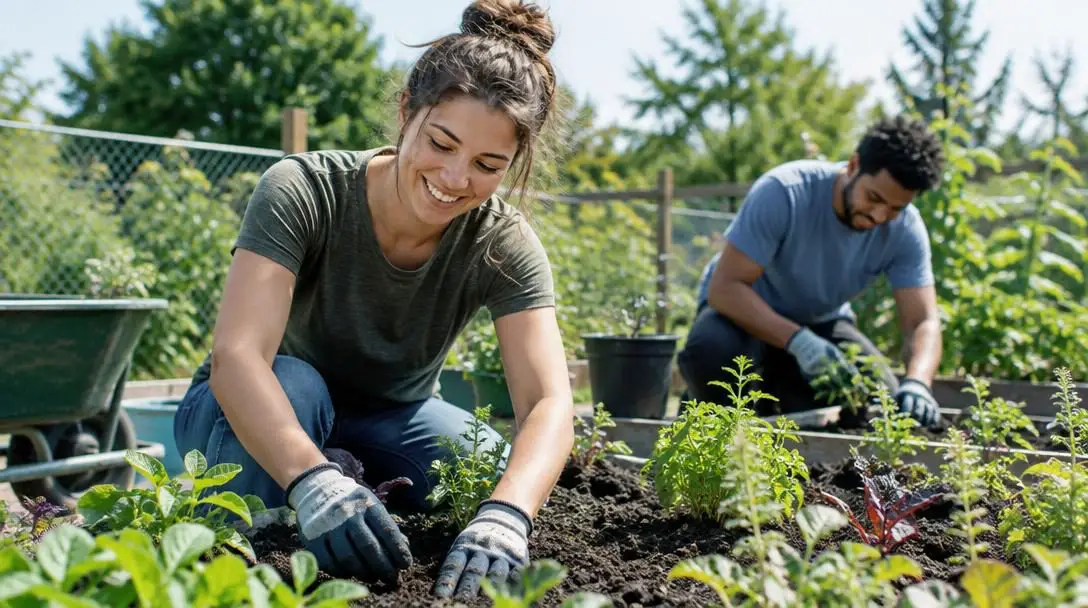
Socially and professionally, community programs operate under cooperative incentives rather than competitive pressures. In standard corporate environments or formal interviews, people often feel evaluated and guarded. Volunteer environments replace that tension with a shared, practical objective, such as organizing a storage pantry or setting up folding tables for an event. Because everyone works toward the same outcome, natural conversation emerges organically around the task. Participants can practice collaborative communication without fear of harsh judgment, while prospective employers observe genuine work ethic and character in real time.
Five Practical Steps to Start Volunteering
Becoming an active volunteer does not require specialized degrees, extensive wealth, or immense amounts of spare time. Taking an intentional, step-by-step approach ensures that your service aligns with your everyday schedule and personal comfort level:
- Identify your core personal passions. Think carefully about the causes that genuinely inspire you. If you cherish animals, contact a local rescue shelter about walking dogs or fostering kittens. If community food access matters to you, explore opportunities with local soup kitchens or food pantries. If you have children involved in music or sports, consider supporting parent groups such as the high school band boosters.
- Assess your social energy and comfort zone. Honestly gauge your tolerance for crowds and public speaking. If speaking to large groups feels daunting, target logistical roles. Registering to assist with pre-event setup, supply sorting, or kitchen cleanup lets you make a meaningful contribution while working comfortably behind the scenes.
- Map out organizations embedded in your town. Research local community institutions right in your neighborhood. Public schools, faith communities, volunteer fire halls, senior centers, and neighborhood outreach programs maintain an ongoing need for reliable, dedicated hands.
- Commit to a modest initial schedule. Resist the temptation to volunteer dozens of hours during your first week. Start with a manageable time slot, such as two hours on a Saturday morning or one afternoon per month. Establishing a consistent, predictable routine protects you from burnout while ensuring the organization can count on you.
- Document your accomplishments and update your resume. As you complete projects and develop competencies, track your specific contributions. Note any coordination, logistical tasks, or leadership roles you handled so you can highlight them on professional profiles and job applications, unlocking the 27 percent hiring advantage identified by career experts.
Common Mistakes New Volunteers Should Avoid
While giving back yields incredible dividends, newcomers sometimes stumble into preventable traps that undermine their experience. Maintaining awareness of these common missteps keeps your service enjoyable, sustainable, and productive:
- Overcommitting too early: Surging initial enthusiasm can lead people to schedule more shifts than their personal calendar can realistically accommodate. Spreading yourself too thin produces exhaustion and resentment, negating the mood-boosting mental health benefits of the activity.
- Treating service as an immediate transaction: Although service enhances employability, expecting an instant paid job offer at your volunteer site sets up unrealistic expectations. Professional advancement should be viewed as a welcome secondary dividend rather than a guaranteed, immediate trade-off.
- Pushing too far past your boundaries too fast: If you struggle with social anxiety, accepting a high-profile greeter or leadership post immediately may trigger distress. Allow your confidence to develop organically by mastering smaller, low-pressure support tasks first.
- Treating volunteer commitments casually: Because community service positions do not come with a traditional paycheck, some individuals wrongly assume that attendance, punctuality, and communication do not matter. Community programs depend heavily on their volunteer workforce to run smoothly; failing to show up damages trust and ruins opportunities to secure strong references.
Frequently asked questions
How does volunteering directly improve physical health?
According to The Mayo Clinic, performing acts of kindness and staying active in community settings lowers blood pressure, reduces physiological stress, improves mood, and promotes social engagement that may contribute to a longer life.
Can volunteering really help me get a job?
Yes. Research highlighted by Monster.com shows that job candidates who include volunteer service on their resumes are 27 percent more likely to be hired. Volunteering allows you to demonstrate reliability, acquire practical skills, and build professional networks.
What volunteer positions work best for introverted or shy people?
Behind-the-scenes support positions—such as setting up tables, managing event teardown, sorting pantry supplies, or fostering animals at home—allow you to help effectively without having to speak before crowds or manage public-facing duties.
How much time do I need to commit to volunteer work?
You can begin with just an hour or two per month or a single weekend afternoon. Starting with a modest, predictable commitment helps you build consistency and avoid personal burnout.
Where can I find volunteer opportunities near me?
Great local places to look include neighborhood animal shelters, community food pantries, soup kitchens, volunteer fire departments, senior citizen community centers, local schools, and religious institutions.
The bottom line
Volunteering is often celebrated for the essential aid it delivers to local neighborhoods, but the personal transformation it offers the volunteer is just as meaningful. By freely dedicating your time to causes like animal welfare, food security, or youth programs, you invite tangible benefits into your own life—ranging from reduced stress and blood pressure to sharpened social abilities and a documented 27 percent boost in hiring prospects.
Finding the right opportunity simply comes down to identifying what you care about, respecting your personal social capacity, and showing up with dependable enthusiasm. Whether you spend your Saturday morning cutting sandwiches for band boosters or offering companionship at a senior center, stepping forward to lend a hand creates lasting ripples that uplift your community while enriching your health, career, and outlook on life.