Top 5 Funniest TikTokers
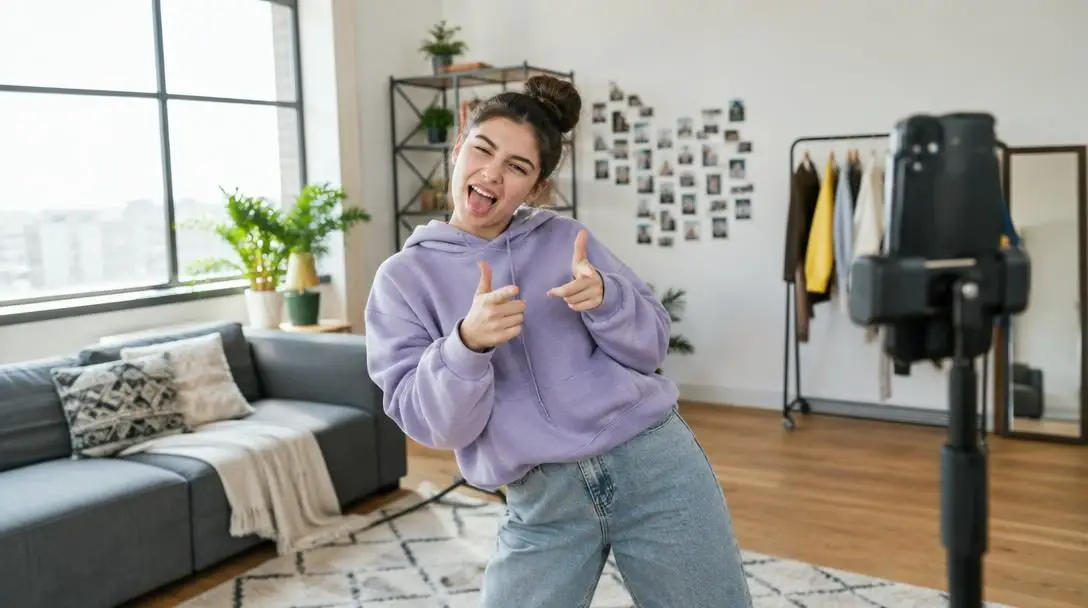
The explosive rise of short-form digital entertainment has fundamentally altered how everyday audiences discover and consume humor. While previous generations relied on late-night talk shows, network sitcoms, and traditional stand-up comedy circuits, modern video apps have democratized comedy production. Performers can now craft sketches, observational commentary, and physical parodies straight from their living rooms, reaching millions of viewers across the globe in a matter of hours.
Because short-form platforms operate at a relentless pace, comedy trends, viral audio tracks, and satirical concepts evolve almost daily. Navigating through millions of clips to find creators who deliver genuine, consistent laughs can feel daunting. From silent deadpan reactions to high-fashion parodies and political lip-syncing, the most accomplished creators combine distinct artistic backgrounds with razor-sharp comedic timing.
Key takeaways
- Short-form video platforms have shifted comedy away from traditional gatekeepers toward independent digital creators.
- Top humorists on TikTok distinguish themselves through specific niches, including physical humor, lifestyle satire, audio recontextualization, and high-fashion parodies.
- Non-verbal reactions and expressive facial timing allow creators to build massive international audiences without language barriers.
- Breakout comedic success on social media frequently translates into mainstream entertainment opportunities, Super Bowl advertisements, and global fashion partnerships.
At a glance: Five standout comedy creators
Each of the platform's leading comedic talents brings a unique background, format, and personal sensibility to short-form video. The following table highlights how these five prominent creators compare across their origins, signature approaches, and commercial milestones.
| Creator | Origin or creative background | Signature comedic style | Key platform milestone |
|---|---|---|---|
| Parker Kit Hill | Vine creator and fashion modeling | High-fashion runway parody and deliberate physical silliness | Major commercial collaboration with Target |
| Christina Najjar | Digital creator who broke out in mid-2020 | Deadpan observational satire, modern pop culture, and social critique | Built a dedicated audience exceeding 1.5 million followers as Tinx |
| Sarah Cooper | Former Google employee and Jamaican-born stand-up comedian | Satirical lip-syncing, precise facial expressions, and political parody | Viral 2020 videos parodying Donald Trump audio clips |
| Khaby Lame | Senegal-born creator based in Italy | Silent, exasperated reactions debunking overcomplicated life hacks | Became the most followed account on TikTok in June 2022 |
| Brittany Broski | Texas improv comedian and content creator | Expressive facial reactions, spontaneous improv, and relatable storytelling | Breakout viral kombucha meme and February 2020 Super Bowl commercial |
The top 5 funniest TikTokers to follow right now
These five distinctive creators have demonstrated that sustained humor requires far more than luck. Through reliable comedic timing, relatable themes, and inventive visual framing, each performer has established a dominant footprint on the platform.
Parker Kit Hill
- Creative origins: Vine
- Primary format: High-fashion parody and movement comedy
- Commercial partner: Target
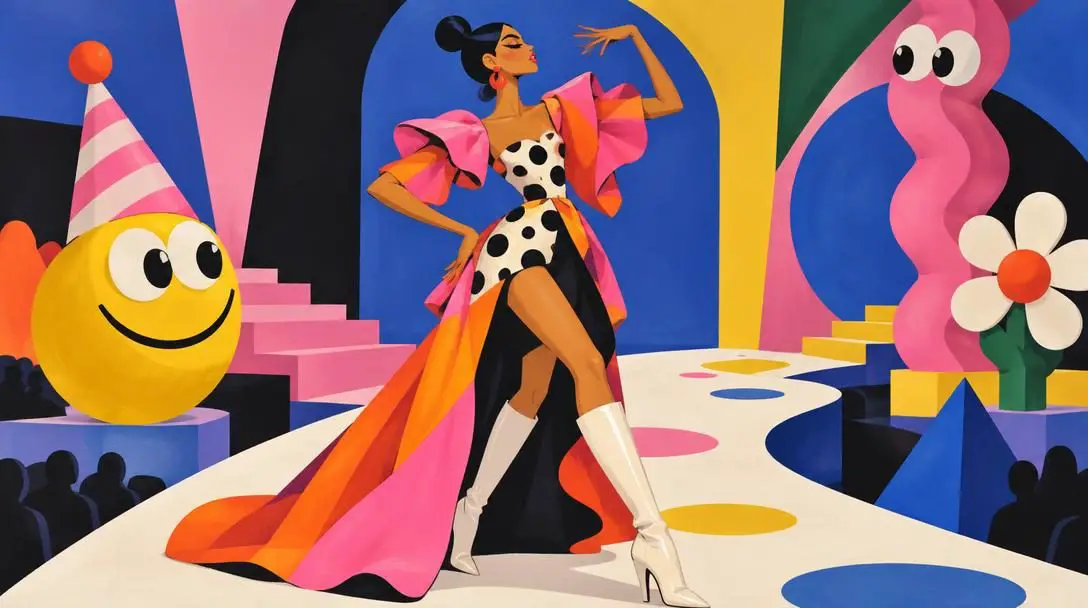
For anyone who has ever viewed the self-serious world of haute couture and avant-garde modeling with amusement, Parker Kit Hill offers the perfect antidote. Hill first established an audience on the pioneering short-form video platform Vine before successfully migrating that comedic foundation to modern channels. Hill showcases some of the goofiest and most extravagant elements of fashion, leaning into exaggerated poses, theatrical walking styles, and unexpected props.
Rather than mocking fashion from an outsider perspective, Hill embraces high aesthetic standards while injecting deliberate silliness into every frame. This delicate balance of genuine style and unapologetic humor has made Hill one of the most influential figures on the platform. Hill's comedic talent has also earned major corporate recognition, leading to partnerships with prominent retail companies such as Target while maintaining an authentic, lighthearted creative voice.
Christina Najjar

- Creator handle: Tinx
- Audience size: Over 1.5 million followers
- Breakout period: Mid-2020 during the COVID-19 pandemic
Breaking into an already saturated video landscape is a difficult challenge, but Christina Najjar accomplished precisely that during the height of the COVID-19 pandemic in mid-2020. Producing content under the moniker Tinx, Najjar developed a devoted following that quickly surpassed 1.5 million users. Although she entered the space in her early 30s—making her slightly older than the typical breakout demographic on the platform—Najjar demonstrated an acute understanding of short-form digital communication.
Najjar's comedy hinges on sharp satire, deadpan delivery, and incisive social commentary. She deconstructs modern dating rituals, upper-middle-class cultural tropes, and nuanced social behaviors with wry observational wit. Her deadpan mannerisms and relatable perspective have turned her channel into a must-follow destination for viewers seeking mature, self-aware internet humor.
Sarah Cooper
- Background: Stand-up comedy, writing, and former Google employee
- Heritage: Jamaican-born
- Breakout project: Political lip-sync sketches of Donald Trump
Jamaican-born performer Sarah Cooper was deeply immersed in the craft of comedy long before discovering viral fame on mobile video apps. Having performed traditional stand-up and studied comedic theory as a dedicated passion, Cooper first attracted viral attention online with a clever presentation parodying corporate dynamics titled how to appear smart in meetings. Her creative momentum eventually led her to leave a full-time role at Google to pursue professional comedy writing and performance.
In 2020, Cooper captured international attention when she began sharing satirical lip-sync videos featuring recordings of former president Donald Trump. Rather than merely mimicking the speech, Cooper used micro-expressions, physical acting, and impeccable comedic timing to illuminate the absurdity of the original audio. Her meticulous synchronization turned spoken-word news footage into a theatrical masterclass, proving that existing audio tracks can be transformed into entirely new comedic art forms.
Khaby Lame
- Birthplace: Senegal
- Platform ranking: Number one most followed account (surpassing Charli D'Amelio in June 2022)
- Commercial partner: Hugo Boss
Achieving the top position on any global entertainment platform requires an extraordinary connection with audiences. Senegal-born creator Khaby Lame accomplished that feat by dethroning dance superstar Charli D'Amelio in June 2022 to become the most followed personality on TikTok. Lame's rapid ascent relied almost entirely on an uncomplicated, brilliantly executed comedic premise: questioning absurd life-hack videos without uttering a single word.
When internet DIY clips suggested convoluted methods for slicing fruit, opening car doors, or tying shoelaces, Lame would stitch the clip, perform the basic action using simple common sense, and finish with his trademark gesture: extended hands and an exasperated, deadpan stare. Because his humor relies on universal physical body language rather than spoken dialogue, his work resonates across every linguistic boundary. Lame has since parlayed his comedic fame into international brand partnerships, collaborating with luxury fashion labels like Hugo Boss while maintaining one of the most widely watched libraries of video clips in internet history.
Universal physical reactions allow non-verbal comedy to cross international linguistic boundaries with effortless efficiency.
Brittany Broski

- Legal name: Brittany Tomlinson
- Breakout moment: Viral kombucha taste-test meme
- Commercial milestone: Featured in a February 2020 Super Bowl commercial
Known across social media as Brittany Broski, Brittany Tomlinson became an overnight sensation thanks to a single, iconic video clip in which she tasted kombucha for the very first time. Her face rapidly shifted through a dramatic cycle of disgust, confusion, tolerance, and reconsideration, generating an immortal internet meme template that spread to every major social media channel. Yet unlike many one-hit viral figures, Broski already possessed a rich background in improvisation and theater comedy.
Broski gained widespread traction on the platform within just a couple of months of creating her account. Her comedic style is defined by uninhibited physical expressions, spontaneous accents, and candid, self-deprecating humor. By early 2020, her online visibility opened mainstream commercial doors, culminating in an appearance in a major Super Bowl advertisement in February 2020. Her relatable persona and improv instincts have enabled her to maintain an enduring, highly engaged fanbase.
The mechanics of modern short-form comedy
Understanding why certain digital comedy creators break through while others struggle requires an examination of the underlying mechanics of short-form video. The medium places unique artistic constraints on performers, altering pacing, staging, and storytelling structures.
- Rapid hooks and condensed pacing: Unlike a traditional stand-up comedy set where a performer can spend several minutes establishing a narrative premise, short-form clips require an immediate hook. A creator has mere seconds to grab viewer attention before the audience swipes past. Punchlines must arrive swiftly and maintain rhythm throughout.
- Visual and non-verbal accessibility: Creators like Khaby Lame and Brittany Broski illustrate the immense power of facial expressiveness. Visual comedy functions well because audiences often scroll with low volume or in public environments, and physical humor effortlessly crosses cultural and linguistic boundaries.
- Creative audio recontextualization: The platform architecture allows creators to borrow and reinterpret audio clips recorded by others. Sarah Cooper turned political briefings into absurdist theater by separating voice from body, demonstrating how creative physical acting can give second lives to existing soundtracks.
- Relatable everyday satire: Observational humor works exceptionally well when it mirrors the mundane realities of modern life. Christina Najjar's dry commentary on interpersonal dynamics resonates because it captures familiar social dilemmas that viewers experience in their daily routines.
- Algorithmic distribution feedback: Short-form distribution systems measure viewer watch times, replays, and shares. When a comedic sketch delivers a concise, satisfying laugh, viewers are far more inclined to share it with friends, triggering broader algorithmic promotion.
How to curate a genuinely funny feed on TikTok
Because sense of humor is profoundly personal, relying entirely on default platform recommendations can result in repetitive or uninspiring content. Users can actively guide algorithmic discovery to surface higher-quality comedy creators by taking practical steps.
- Search for specific comedy niches: Use the platform's search tool to look for dedicated comedic genres such as improv sketches, deadpan parodies, workplace satire, or character-driven monologues instead of relying on generic trending hashtags.
- Follow creators across distinct comedic styles: Balance your following list by combining physical performers like Parker Kit Hill and Khaby Lame with sharp conversational satirists like Christina Najjar and Sarah Cooper.
- Engage with complete watch cycles: When a video makes you laugh, let the clip loop completely and consider leaving a comment or bookmarking it. Watch-time metrics send clear signals that you want similar comedic tones in your future recommendations.
- Actively train the algorithm using the 'Not Interested' tool: If a specific comedic trend or repetitive joke format feels irritating, long-press on the video and select the option indicating you are not interested. This quickly suppresses similar content.
- Explore original audio pages: When you discover a funny clip built around a particular sound or dialogue snippet, tap the audio name at the bottom of the video. Browsing that audio track will introduce you to other creators who interpreted the same sound in novel ways.
Common pitfalls for viewers and emerging creators
Engaging with short-form digital humor can occasionally lead to misconceptions regarding how internet comedy functions. Recognizing these common pitfalls can prevent viewer frustration and guide aspiring content creators.
- Expecting traditional stand-up structures: Viewers who expect three-act narrative setups, conventional club pacing, or standard theatrical delivery may find internet sketches disjointed. Digital comedy thrives on abrupt cuts, meme literacy, and rapid physical timing.
- Assuming viral growth is effortless: Sudden fame often looks instantaneous from the outside, but most top creators honed their craft over years. Sarah Cooper worked in stand-up, Parker Kit Hill built timing on Vine, and Brittany Broski studied improvisation before their breakthrough moments.
- Copying popular trends without adding original perspective: Many aspiring humorists recreate viral audios verbatim without bringing an individual point of view. Lasting careers require a recognizable artistic identity, like Christina Najjar's deadpan commentary or Khaby Lame's minimalist reactions.
- Failing to refresh your feed: Allowing the video feed to remain static can trap users in loops of repetitive humor. Periodically searching for new creators prevents comedic fatigue.
The evolution from viral clips to long-term entertainment careers
The boundary separating online content creators from mainstream entertainment professionals continues to blur rapidly. In previous decades, performers viewed internet video as a secondary promotional avenue. Today, short-form comedy serves as an incubation ground where artists develop original intellectual property, test comedic timing, and build self-sustaining personal brands.
The trajectories of Sarah Cooper, Brittany Broski, Parker Kit Hill, and Khaby Lame demonstrate this transition. Cooper parlayed internet lip-sync clips into major comedic projects and literary attention. Broski moved from a viral kombucha reaction into hosting digital programs, national commercial campaigns, and prominent television appearances. Meanwhile, Hill and Lame converted distinct physical comedy into major commercial agreements with global brands such as Target and Hugo Boss.
For audiences, discovering a funny creator on a mobile phone screen is frequently just the beginning of a broader creative journey. Following these performers often leads viewers toward live comedy tours, podcasts, creative writing, and television appearances. By understanding how each creator utilizes their medium, comedy enthusiasts can appreciate the blend of spontaneity and calculated craft that defines modern humor.
Frequently asked questions
Who is the most followed comedy creator on TikTok?
Khaby Lame is the most followed creator on the platform, having surpassed Charli D'Amelio for the number one spot in June 2022. His fame stems from silent, physical comedy sketches that humorously debunk overcomplicated life hacks.
How did Brittany Broski first become famous?
Brittany Broski, legally known as Brittany Tomlinson, went viral after sharing a video of herself tasting kombucha for the first time. Her rapidly shifting facial reactions became an iconic internet meme, leading to rapid audience growth and a commercial appearance in the February 2020 Super Bowl.
What comedic format made Sarah Cooper famous?
Sarah Cooper gained massive online attention in 2020 by lip-syncing spoken audio from former president Donald Trump. She paired the original recordings with theatrical facial expressions, precise timing, and satirical physical acting.
What is Christina Najjar's creator handle and comedic style?
Christina Najjar performs under the name Tinx. Her content is characterized by deadpan delivery, dry satire, and sharp observational commentary focused on modern pop culture, dating habits, and social dynamics.
Where did Parker Kit Hill begin creating short-form comedy?
Parker Kit Hill originally built a dedicated following on Vine before transitioning to TikTok. Hill is recognized for blending high-fashion modeling sensibilities with goofy physical movement and has collaborated with major brands like Target.
The bottom line
The digital comedy landscape has fundamentally reshaped the entertainment industry, turning everyday smartphones into primary stages for comedic innovation. Creators like Parker Kit Hill, Christina Najjar, Sarah Cooper, Khaby Lame, and Brittany Broski demonstrate the diverse artistic paths available within short-form video. Whether through universal non-verbal gestures, witty observational satire, theatrical lip-syncing, or high-fashion parody, these performers have proved that sharp comedic timing and authentic personal voices can capture millions of fans worldwide.