Trading In-Game Items on Roblox: A Beginner’s Guide to Making Deals and Growing Your Collection
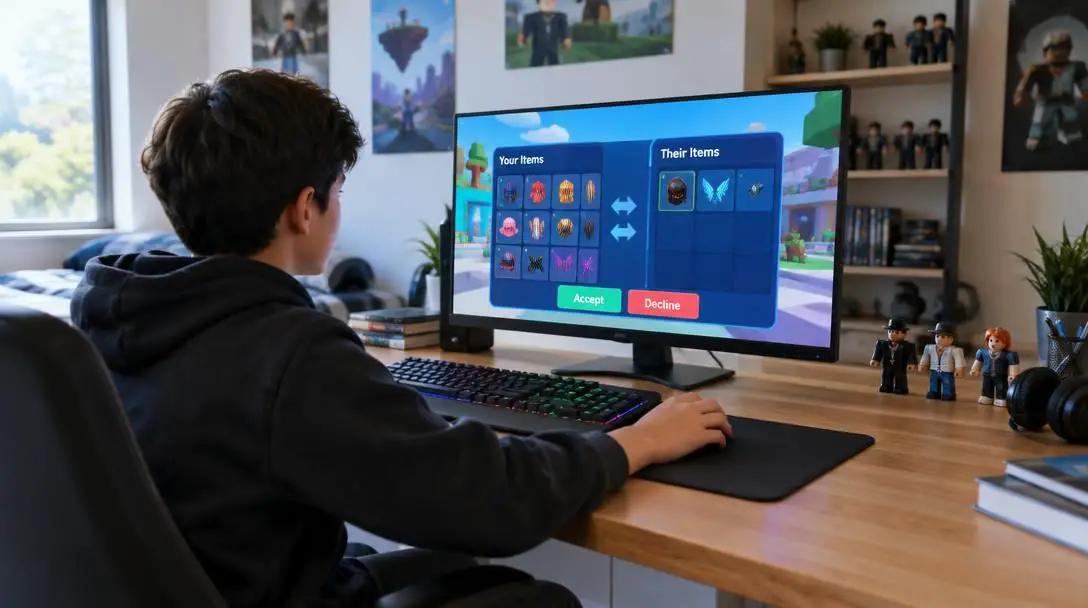
Roblox has evolved from an open-ended digital sandbox into an expansive global gaming platform powered by millions of player-created worlds. Within these diverse experiences, avatar accessories, cosmetic enhancements, and gameplay gear have grown far beyond basic visual flair. They now serve as core markers of personal identity, utility, and status, reflecting the dedication and creative taste of the players who wield them.
Because self-expression is central to the platform, in-game item trading has emerged as one of its most compelling social activities. Swapping items allows participants to refresh their inventories, secure elusive collectibles, and forge lasting friendships without spending money at every turn. Navigating this virtual economy successfully, however, requires a grounded understanding of how digital value functions, how to conduct safe transactions, and how to communicate effectively with other collectors.
Key takeaways
- Item value on Roblox is driven by a combination of statistical rarity, visual appeal, in-game utility, community demand, and historical age.
- Dedicated trading groups, social media channels, and in-experience trading hubs are the most effective places to locate active trading partners.
- A disciplined step-by-step negotiation process prevents misunderstandings and protects players from unfavorable, unbalanced exchanges.
- Account safety depends entirely on using built-in, simultaneous trading windows and refusing multi-part or off-platform arrangements.
- Sustainable inventory growth relies on patience, portfolio diversification, and executing strategic upgrade and downgrade trading cycles.
Decoding Virtual Value in Roblox Experiences
Before initiating any trade, players must understand how the community determines the worth of an item. Because digital items exist in infinite variations across thousands of independent games, value cannot simply be measured by retail cost. Instead, an item's trade power is shaped by five primary market dynamics that dictate whether an item is considered a treasured prize or a forgotten trinket.
| Valuation Factor | Primary Characteristics | Impact on Trading Leverage |
|---|---|---|
| Rarity | Limited production runs, discontinued distributions, or challenging achievement requirements. | Creates a firm ceiling on circulating supply, dramatically increasing long-term bargaining power. |
| Aesthetic Appeal | Distinctive visual modeling, clean animations, or alignment with current community fashion trends. | Attracts broad, casual interest from players looking to elevate avatar style, ensuring consistent liquidity. |
| Utility and Functionality | Functional gameplay benefits, such as superior weapon stats, rapid mobility vehicles, or tool enhancements. | Generates immediate demand among active game players seeking practical, performance-based advantages. |
| Market Demand | The volume of active buyers competing to acquire an item at any given moment. | Dictates actual trade liquidity; even an exceptionally rare piece loses practical value if nobody wants it. |
| Historical Presence | Legacy status, early platform release dates, or retired event souvenirs. | Functions as a social status symbol, signaling platform longevity and veteran experience to peers. |
True trading value exists at the precise intersection of high scarcity and broad community demand. While an object might be numerically scarce due to an obscure developer release, its real-world trading utility remains flat if the community has no interest in owning it. Conversely, items possessing high aesthetic appeal or indispensable game utility can sustain lively trading markets even when their supply is relatively generous.
Where to Find Reliable Trading Partners
Wandering randomly across public servers hoping to bump into someone interested in your specific items is rarely an efficient use of time. Because Roblox encompasses an enormous player base with varied interests, successful traders rely on targeted community spaces to locate motivated partners who have clear trade objectives.
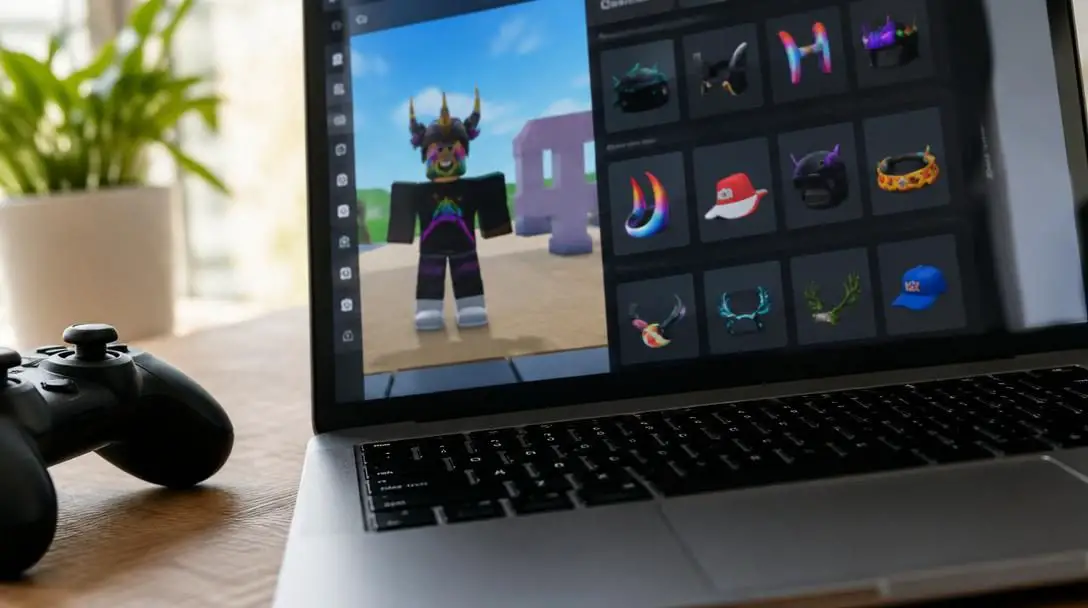
- Roblox Trading Groups: Platform-hosted trading groups serve as centralized bulletin boards where members post inventory listings, specific item wish lists, and availability schedules. Joining these groups connects you with like-minded traders seeking deliberate, structured transactions.
- Social Media Communities: Platforms such as Discord and Twitter host thriving trader hubs. These communities maintain organized channels for rapid price checks, inventory showcases, and real-time negotiation chats.
- Specialized In-Game Trading Hubs: Many leading Roblox titles feature dedicated social lounges or trading islands separated from main combat or quest areas. These hubs allow players to inspect character models, examine gear directly, and initiate instant trade dialogues.
- Community Discussion Boards: Experience-specific forums and discussion threads are ideal for identifying advanced collectors who are actively attempting to complete cosmetic sets or high-tier tool collections.
When reaching out to prospective trading partners across these platforms, clear and courteous communication is vital. An opening message that outlines precisely what you have to offer and what caught your eye in their inventory will consistently produce better responses than vague inquiries.
A Step-by-Step Guide to Negotiating and Closing Deals
Negotiation is a core skill that balances market knowledge, social tact, and caution. Entering an exchange without a plan often leads to unfavorable terms or unnecessary friction. Following a structured procedure helps traders maintain control from the initial proposal to the final confirmation click.
- Prepare and Organize Your Inventory: Review your digital possessions in advance and identify which items you are genuinely ready to surrender. Establishing clear personal boundaries protects your favorite items from impulsive trades.
- Research Recent Comparable Values: Investigate what both your items and your prospective partner's items have recently traded for in community circles. Never rely on guesswork, as market values fluctuate based on game balance updates and shifting player trends.
- Initiate Contact Respectfully: Send a polite, concise proposal specifying the item you desire and the exact combination of items you are prepared to swap in return. Avoid aggressive opening demands.
- Communicate and Make Adjustments: Treat counteroffers as a normal part of the process. If a partner declines your initial proposal, inquire calmly about what item additions or alternative options they might consider to make the deal equitable.
- Reiterate the Final Agreement: Before opening the trading interface, summarize the agreed-upon exchange in plain text within the chat window to confirm both sides share the same expectations.
- Establish the In-Game Connection: Connect by joining the same game server or sending a mutual friend request so both parties can easily enter the shared experience.
- Inspect the Trading Interface Thoroughly: Once inside the official trade menu, verify every slot before accepting. Ensure the correct variants, quantities, and tiers are present on the counterpart's side of the window before pressing final confirmation.
A balanced trade occurs when both participants feel the items exchanged are equal in personal or community value.
Critical Trading Pitfalls and Scams to Avoid
As virtual economies expand, they inevitably attract bad actors and hasty practices that can jeopardize an account's inventory. Beginners often fall prey to manipulative tactics or make impulsive errors simply because they feel pressured to conclude a trade quickly. Staying vigilant against common mistakes protects your collection and safeguards your standing in the community.
- Failing to Perform Due Diligence: Assuming an item is valuable purely because it boasts a flashy name or dynamic visual effect is an expensive mistake. Always cross-check current community demand before offering established, high-tier staples.
- Rushing Through Deals Out of Impatience: An overwhelming eagerness to acquire a dream item can lead players to overpay drastically. Take time to consult other traders and never let the fear of missing out force you into an unbalanced trade.
- Losing Composure During Negotiations: Responding with hostility or frustration when an offer is declined harms your personal reputation. Because trading circles are closely linked, poor sportsmanship quickly deters other players from dealing with you.
- Accepting Multi-Part Promises: Any deal that requires you to hand over an item in one server with the promise of receiving compensation in a second server or at a later time is a scam. Legitimate trades are conducted simultaneously within a single, verified window.
- Overlooking Last-Second Window Swaps: Dishonest traders sometimes place a rare item into the trade window to secure approval, then swiftly replace it with an identical-looking common item right before clicking accept. Always perform a final, meticulous inspection immediately before confirming.
Strategies for Growing an Inventory Over Time
Expanding a modest starting collection into a prestigious inventory requires deliberate planning rather than blind luck. Seasoned traders view their items as an evolving portfolio, using disciplined market strategies to steadily compound the overall value and rarity of their holdings.
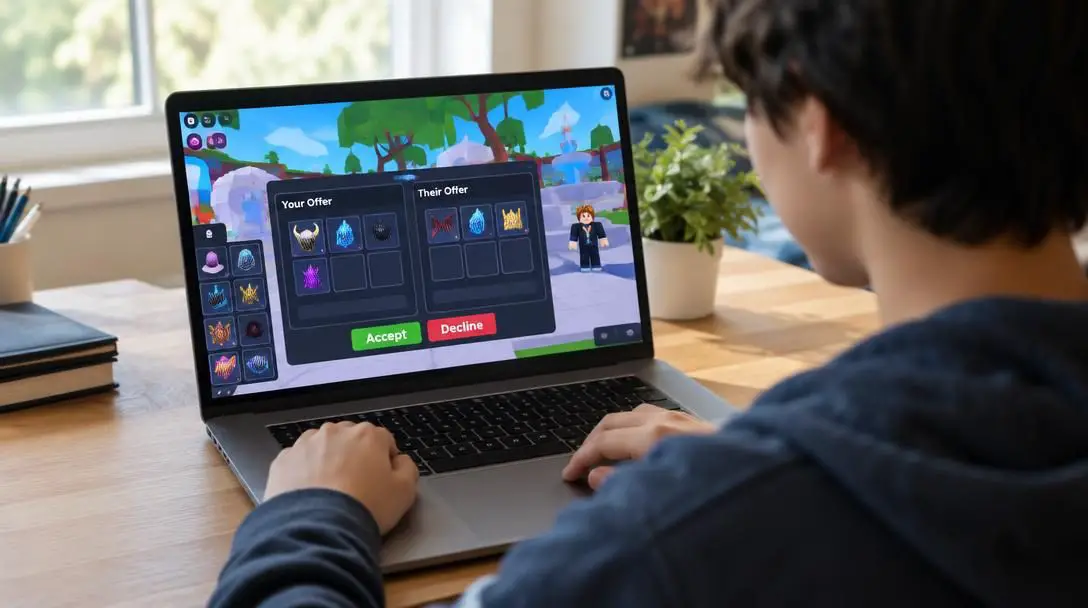
A proven tactical approach is the upgrade and downgrade cycle. In this strategy, a player bundles several medium-tier, reliable items together to acquire a single, high-demand centerpiece—a process known as upgrading. Once in possession of that coveted item, the trader can wait for a keen buyer willing to offer an overpay bundle consisting of multiple slightly lower-tier items. By repeating this cycle, the trader gradually expands their total inventory volume and baseline purchasing power.
Maintaining a diversified inventory is equally crucial. Concentrating all your trade capital in a single, volatile item exposes you to sudden shifts in player taste or sudden game patches. Keeping a balanced mix of steady classics and hot accessories ensures you can appeal to a wide variety of trading partners at any given time. Furthermore, reinvesting small, modest gains from everyday transactions creates a compounding effect, steadily lifting the overall quality of your collection month after month.
Frequently asked questions
Can I trade in-game items across different Roblox games?
No. Items created for a specific Roblox game can only be traded within that specific experience using its internal trading mechanics. Catalog avatar accessories, however, are traded through platform-level systems under separate rules.
What should I do if someone asks for a trust trade?
Decline immediately and exit the conversation. Trust trades—where one player gives an item first with the promise of receiving something in return later—are common scams designed to steal items without recourse.
Why do some rare items have very low trade value?
Value depends on both scarcity and demand. If an item is exceptionally rare but has no visual appeal, outdated functionality, or zero community interest, few players will offer valuable assets to acquire it.
How do developer game updates affect the value of my items?
Game updates can shift item values dramatically. If a developer introduces a balance patch that weakens a powerful tool or re-releases an older cosmetic item, demand and market value for those items will generally decline.
What is an unbalanced trade?
An unbalanced trade occurs when one participant surrenders far more community value than they receive in return, typically happening when an inexperienced player accepts an offer without knowing current market rates.
The bottom line
Trading in-game items across the Roblox platform is an engaging, creative way to enhance your inventory, acquire rare digital items, and build connections with players around the world. Success in this virtual marketplace does not depend on immediate luck, but on patience, thorough research, polite communication, and strict adherence to personal safety protocols. By understanding what drives virtual value, steering clear of common scams, and employing consistent trading strategies, you can turn a modest starting inventory into a remarkable collection that reflects your personal journey on the platform.