5 Best Closers in MLB History
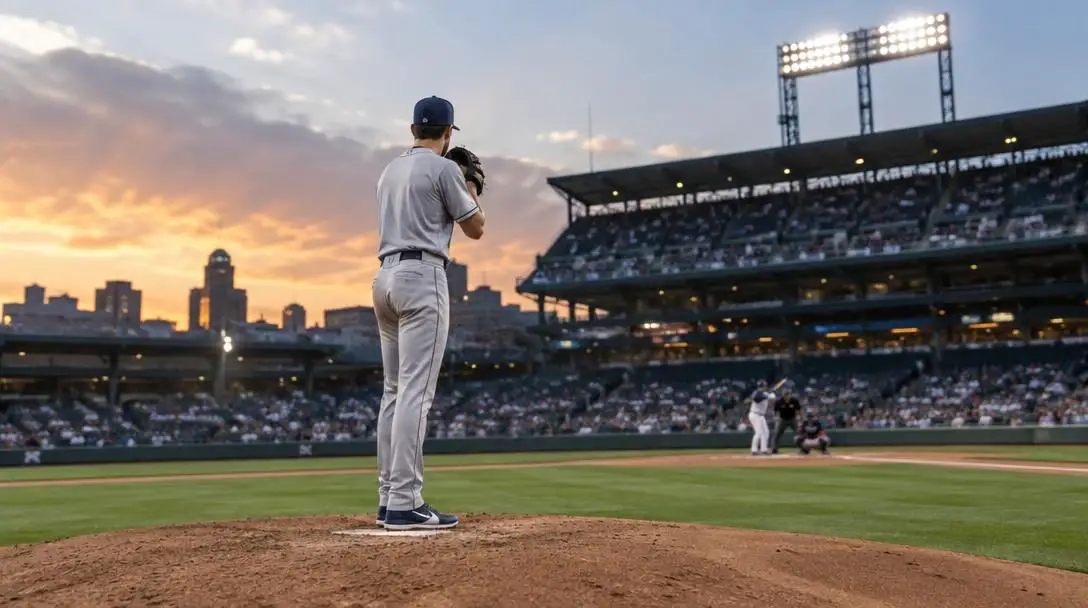
For more than a century, baseball strategy was anchored by a simple premise: starting pitchers threw until they finished what they started. Pitchers routinely endured nine exhausting innings, only to take the mound again a few days later with barely enough rest. Relief pitchers were largely considered an afterthought, summoned only in emergencies when a starter succumbed to injury or surrendered too many runs early in a contest.
As the strategic landscape of Major League Baseball evolved, front offices and managers recognized that asking tired arms to face an opposing batting order for a third or fourth time invited disaster. The bullpen evolved from an insurance policy into a precision instrument, culminating in the ninth inning being recognized as the most hostile terrain on the field. Out of that tactical revolution emerged the modern closer: an elite relief specialist built to secure the game's final, hardest-earned outs.
Key takeaways
- The modern closer role developed as managers moved away from complete games to protect leads against fatigue.
- Mariano Rivera anchors the historical hierarchy with an all-time record 652 career saves and five World Series rings.
- Relief legends like Dennis Eckersley and Rich Gossage successfully transitioned from workhorse starting roles into dominant bullpen arms.
- Evaluating closers requires analyzing workload eras, save conversion efficiency, and postseason leverage rather than relying solely on raw save counts.
The evolution of late-inning relief pitching
The transformation of relief pitching reflects baseball's broader shift toward matchup optimization and specialized arm care. In the sport's formative eras, removing a starting pitcher was widely viewed as an admission of failure. Relievers were seen as mop-up men who simply absorbed low-stakes innings to protect the rest of the pitching staff from fatigue. Over several decades, managers realized that deploying a fresh, hard-throwing pitcher late in the game created a distinct strategic edge over opposing lineups.
Before examining the premier figures in relief pitching history, baseball history owes a tremendous debt to the pioneers who established the bullpen's prominence. Legendary arms such as Bruce Sutter, Lee Smith, Aroldis Chapman, Rollie Fingers, and John Smoltz helped transform the ninth inning into appointment viewing. Their contributions paved the path for specialized bullpen weapons and set the standard for the five greatest closers in Major League history.
The 5 best closers in MLB history at a glance
Comparing relief pitchers across different eras requires looking at durability, peak dominance, and run prevention. The table below outlines how baseball's top five late-inning specialists match up across their storied careers.
| Pitcher | Career Saves | Career ERA | Seasons Pitched | All-Star Honors |
|---|---|---|---|---|
| Mariano Rivera | 652 | 2.21 | 19 | 13 |
| Trevor Hoffman | Just over 600 | 2.87 | 18 | 7 |
| Dennis Eckersley | 390 | 3.50 | 24 | 6 |
| Rich Gossage | 310 | 3.01 | 22 | 9 |
| Billy Wagner | 422 | 2.31 | 16 | 7 |
Ranking the 5 greatest relief aces in baseball history
Billy Wagner
- Career saves: 422
- Career ERA: 2.31
- All-Star selections: 7
- Career starts: 0
While baseball enthusiasts who followed the game throughout the mid-to-late 2000s often associate Billy Wagner with high-profile stints for the Philadelphia Phillies or the New York Mets, National League Central fans recall his peak dominance with the Houston Astros. Wagner spent nine seasons anchoring the Houston bullpen, eventually pitching for four additional clubs across a brilliant 16-season tenure.
What distinguishes Wagner from nearly every other pitcher in relief lore is that he never started a single game at the Major League level. Instead, he stepped immediately into the primary closer role during his very first full campaign. Wagner capped his career with 422 total saves, punctuated by an unforgettable 2003 season in which he posted 44 saves. His electric arsenal produced a 2.31 career earned run average and seven All-Star nods, securing his reputation as one of the most unhittable left-handed relief arms in baseball history.
Rich Gossage
- Career saves: 310
- Career ERA: 3.01
- MLB seasons: 22
- Hall of Fame induction: 2008
Known across the sport simply as "Goose," Richard Gossage brought an intimidating, overpowering mound presence across 22 seasons and nine separate franchises. Gossage earned his greatest fame as an immovable bullpen pillar for the New York Yankees, Chicago White Sox, and San Diego Padres. Unlike contemporary one-inning closers, Gossage operated in an era where late-game relievers were summoned into inherited jams to pitch multiple innings.
Gossage initially began his Major League career as a starting pitcher before transitioning to the bullpen in his fourth season, where he promptly registered 26 saves for the White Sox. By the conclusion of his historic playing days, Gossage had tallied 310 career saves alongside an impressive 3.01 ERA. After demonstrating patience through nine years on the ballot, the nine-time All-Star was inducted into the National Baseball Hall of Fame in 2008.
Dennis Eckersley
- Career saves: 390
- Career record: 197 wins, 171 losses
- Career ERA: 3.50
- Major awards: AL MVP and Cy Young Award in the same season
Capturing the Most Valuable Player Award is an extraordinary hurdle for any pitcher, especially given the presence of the Cy Young Award. Dennis Eckersley overcame those odds by capturing both the MVP and Cy Young awards in the exact same season. Across 24 Major League campaigns representing five organizations, Eckersley spent 17 combined seasons as a franchise cornerstone for the Boston Red Sox and Oakland Athletics.
Nicknamed "Eck," Eckersley boasts one of the most versatile resumes in pitching history. He spent the initial half of his career as an elite starting pitcher, accumulating 197 wins and 171 losses. When moved to the bullpen, his pinpoint command and deceptive sidearm delivery helped him reinvent the modern closer role. Eckersley retired with 390 career saves and a 3.50 ERA, setting the archetype for starters reinventing themselves into late-inning relief royalty.
Over time, bullpen usage transformed into an exact science where the final inning was elevated into a high-pressure situation requiring a unique pitcher.
Trevor Hoffman
- Career saves: Just over 600
- Career ERA: 2.87
- Career record: 61 wins, 75 losses
- Relief honors: 2-time Rolaids Relief Pitcher of the Year
It is easy to forget that Trevor Hoffman broke into Major League Baseball with the expansion Florida Marlins before an early-career trade sent him to the San Diego Padres. Entering the majors as a late bloomer at age 25, Hoffman rapidly seized the closer job and served as the heartbeat of the Padres bullpen through the 1990s and most of the 2000s. Accompanied by his trademark entrance music, Hoffman mastered the art of run prevention through an elite, deceptive changeup.
Hoffman collected seven All-Star selections and twice took home the Rolaids Relief Pitcher of the Year award. Pitching across 18 seasons with three franchises before finishing his career with the Milwaukee Brewers in 2010, Hoffman compiled a 2.87 earned run average, a 61-75 win-loss mark, and just over 600 career saves. His longevity and poise made him the benchmark for National League bullpen dominance for nearly two decades.
Mariano Rivera
- Career saves: 652
- Career ERA: 2.21
- Career strikeouts: 1,173
- World Series titles: 5
Mariano Rivera stands as the consensus gold standard for relief pitching. While most pitchers cycle through complex pitch repertoires, "Mo" constructed an untouchable legacy using essentially one weapon: his devastating, late-breaking cut fastball. Rivera spent his entire 19-season career wearing pinstripes with the New York Yankees, backstopping one of the most dominant dynasties in modern baseball history.
Rivera's resume features five World Series championships, five Rolaids Relief Pitcher of the Year awards, and 13 All-Star selections. Over his 19 seasons in the Bronx, Rivera racked up an all-time record 652 saves, a microscopic 2.21 ERA, and 1,173 strikeouts. His uncanny ability to shatter bats and eliminate late-game drama earned him unanimous induction into the Baseball Hall of Fame, establishing a standard of bullpen excellence that may never be matched.
Strategic mechanics of the modern save
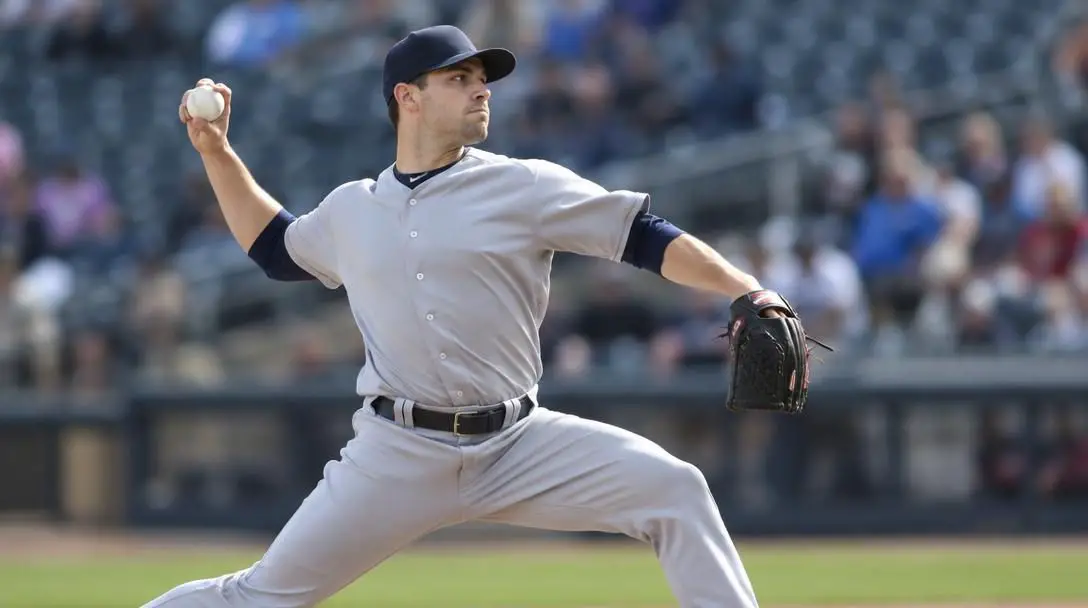
Understanding the value of historical closers requires a clear grasp of how modern bullpens function. The closer is not merely an arm reserved for the ninth inning; the position fulfills a distinct tactical responsibility within a manager's pitching staff:
- The Save Situation: A closer enters the contest when their team holds a lead of three runs or fewer in the final inning, or when the tying run is already on base, at the plate, or on deck. Converting these narrow margins into victories is the closer's fundamental objective.
- High Leverage and Pressure: Unlike middle relievers who occasionally enter games with lopsided scores, closers operate under intense scrutiny where a single misplaced pitch can wipe out hours of offensive work and alter playoff standings.
- Matchup Optimization: Opposing managers often save their best pinch-hitters for late frames. An elite closer must possess the repertoire to neutralize elite hitters regardless of whether they swing from the left or right side of the plate.
- Streamlined Pitch Arsenals: While starting pitchers require three or four distinct offerings to navigate a batting order multiple times, modern closers frequently rely on one or two elite, wipeout pitches to prevent hitters from putting the ball in play.
How to evaluate elite relief pitching
Evaluating relief pitching requires looking beyond conventional surface statistics. Follow these analytical steps to measure the true effectiveness of late-inning relievers across different eras.
- Evaluate save conversion rates: Raw save numbers reflect longevity and team success, but conversion efficiency demonstrates reliability. Assess how many opportunities a closer converted compared to the number of leads surrendered.
- Inspect earned run average (ERA): Because relief pitchers work fewer innings than starters, any run allowed carries significant weight. Elite closers consistently maintain an ERA well below the league average.
- Review strikeout ratios: Batted balls introduce risk through defensive misplays or unfavorable bounces. Elite closers minimize unpredictability by racking up strikeouts at high rates.
- Assess multi-inning workload capacity: Contextualize the pitcher's era by examining whether they worked clean, one-inning frames or frequently navigated multi-inning jams with inherited runners.
- Analyze postseason performance: Regular-season benchmarks establish baseline talent, but October baseball tests a closer's resilience against the league's most potent lineups under immense pressure.
Common mistakes when assessing closers
Assessing late-inning arms is prone to distortion because of shifting tactical trends and small sample sizes. Keeping these common pitfalls in mind will prevent flawed historical evaluations:
- Overemphasizing raw save totals: A pitcher cannot earn a save without a lead. Judging relievers solely on raw totals inadvertently rewards pitchers who played on consistently contending clubs rather than assessing independent pitching brilliance.
- Comparing eras without workload context: Modern closers work almost exclusively in clean ninth innings. In contrast, legends like Goose Gossage frequently entered in the seventh or eighth inning with runners already aboard, absorbing substantially heavier workloads.
- Ignoring prior starting careers: Stars such as Dennis Eckersley logged hundreds of innings, strikeouts, and victories as starting pitchers prior to shifting to relief. Discounting their starting output ignores a major portion of their overall career value.
- Judging pitchers on small sample sizes: Because relievers pitch roughly 60 to 70 innings per season, a brief slump or a couple of rough outings can artificially inflate their seasonal ERA. Long-term consistency over several years provides a much more accurate evaluation.
What to consider next for the future of bullpens
The closer role continues to transform as front offices lean heavily into pitch tracking, workload management, and tactical efficiency. Rather than reserving the top relief arm exclusively for the ninth inning, progressive managers are reviving the "fireman" philosophy. In high-stakes games, a team's premier reliever is often deployed in the seventh or eighth inning to extinguish a bases-loaded rally against the opponent's best hitters, leaving the final frame to another capable arm.
At the same time, strict rest protocols have minimized back-to-back appearances and multi-inning workloads to preserve player health. With starting pitchers averaging fewer innings per outing, entire relief corps share the burden, turning the closer into the final link in a chain of specialized strikeout arms. As baseball voters continue to debate Hall of Fame credentials, balancing peak dominance against traditional career longevity remains an ongoing conversation across the sport.
Frequently asked questions
Who holds the all-time record for career saves in MLB history?
Mariano Rivera holds the Major League Baseball record with 652 career saves, all compiled during his 19 seasons with the New York Yankees.
What qualifies as an official save situation for a closer?
A closer typically earns a save by finishing a game with a lead of three runs or fewer, pitching at least one inning, or entering the game with the potential tying run already on base, at bat, or on deck.
Did Dennis Eckersley win both the MVP and Cy Young awards as a reliever?
Yes. Dennis Eckersley achieved the rare feat of winning both the American League Most Valuable Player and Cy Young awards in the same season while pitching for the Oakland Athletics.
Why did Billy Wagner never start an MLB game?
Unlike many contemporaries who transitioned from the rotation to the bullpen, Billy Wagner was utilized exclusively as a relief pitcher, stepping straight into late-inning closing duties during his very first full Major League season.
How did older closers like Goose Gossage differ from modern relievers?
Historical closers like Goose Gossage were often called upon to pitch multiple innings and enter games with runners already on base, whereas modern closers typically pitch a single, clean ninth inning.
The bottom line
The closer position has evolved from an occasional emergency role into one of the most specialized, high-leverage jobs in professional sports. From the multi-inning durability of Rich Gossage and Dennis Eckersley to the lethal precision of Billy Wagner, Trevor Hoffman, and Mariano Rivera, baseball's elite closers built their legacies on unshakeable composure and electric stuff. While modern bullpen strategies may alter when and how relievers enter games, the value of an arm capable of securing the final out will remain a cornerstone of winning baseball.