5 Best Games For PS Vita
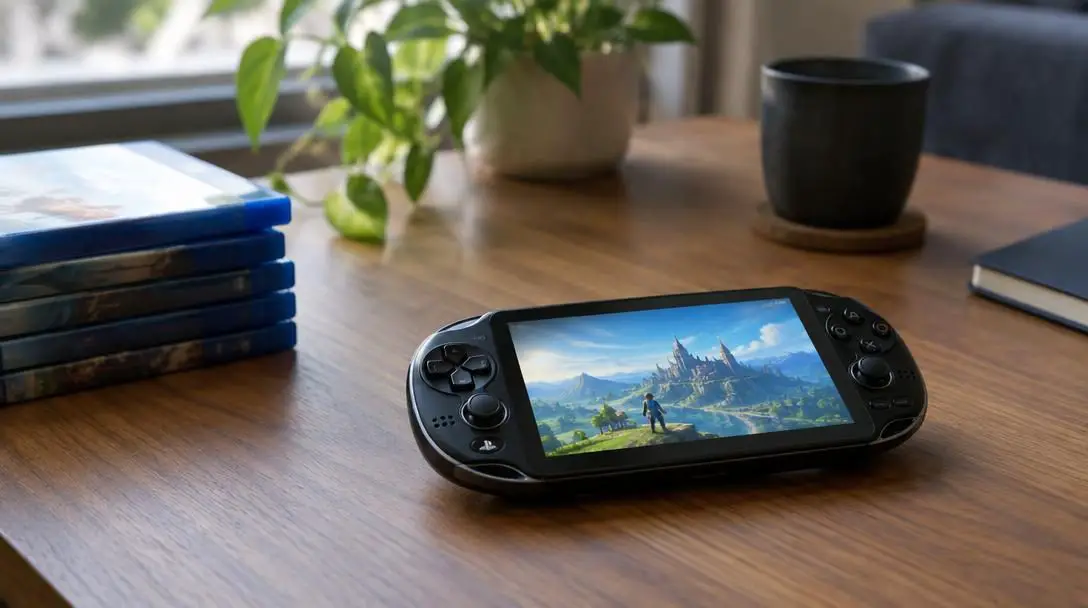
Long before hybrid consoles like the Nintendo Switch and powerful handheld PCs like the Steam Deck redefined portable gaming, Sony was pushing the boundaries of dedicated portable hardware. Building upon the groundwork of the PlayStation Portable (PSP), Sony launched the PlayStation Vita in 2011 at an initial price of $250. Positioned as a direct, high-powered competitor to Nintendo's dual-screen 3DS handheld, the sleek portable showcased remarkable graphical capabilities and bespoke hardware inputs.
Although the console encountered significant commercial challenges in North America and struggled to achieve massive sales figures there, it found immense commercial momentum in Japan. This dedicated regional enthusiasm sustained the platform across an active lifespan that spanned nearly a decade. By the end of its run, the handheld accumulated a library of over 1,700 games. Among that sprawling software library, a select group of releases best demonstrated what the console could achieve across distinct genres, from innovative papercraft adventures to sprawling role-playing epics.
Key takeaways
- The PlayStation Vita launched in 2011 for $250 to rival the Nintendo 3DS, lasting nearly a decade with over 1,700 titles.
- While the handheld faced sales hurdles in North America, its sustained popularity in Japan fostered a deeply dedicated community and diverse library.
- Standout titles such as Tearaway and Gravity Rush took full advantage of the Vita's unique rear touch surface and onboard motion tracking.
- Console-quality ports like Persona 4 Golden, Spelunky, and Rayman Origins delivered uncompromised experiences that matched or exceeded their home console counterparts.
The PlayStation Vita's ambitious handheld legacy
When Sony introduced the PlayStation Vita in 2011, the gaming industry was navigating a rapid transition toward smartphone gaming and changing consumer habits. Sony sought to provide an authentic, uncompromising console-quality environment in a portable form factor, pricing the device at $250 to directly challenge Nintendo's 3DS. While its predecessor, the PSP, had achieved solid mainstream adoption, the Vita struggled to carve out a massive commercial presence in North America. High proprietary memory costs, shifting publisher priorities, and intense mobile competition slowed its western retail momentum.
In Japan, however, the narrative unfolded entirely differently. Japanese players and developers embraced the Vita for its comfortable ergonomics, strong display, and natural fit for visual novels, action hunting games, and traditional role-playing experiences. This regional enthusiasm kept the production lines moving and encouraged developers to publish more than 1,700 games throughout an active multi-year lifespan that spanned almost ten years. As a result, the console transformed into a celebrated haven for independent gems, quirky experimental releases, and timeless Japanese imports.
| Game | Developer / Publisher | Initial Release Year | Primary Genre | Notable Accolade or Milestone |
|---|---|---|---|---|
| Tearaway | Media Molecule | 2013 | Platformer / Adventure | Won 3 BAFTA Video Game Awards; Edge Magazine Award (2013) |
| Gravity Rush | Sony Computer Entertainment (Team Gravity) | 2012 | Action-Adventure | Repurposed from PS3 project "Gravite"; gained cult classic status |
| Rayman Origins | Ubisoft | 2012 (Vita release) | 2D Platformer | 9.5 out of 10 score from IGN; fully matched home console fidelity |
| Spelunky | Mossmouth, LLC | 2012 (Vita release) | Roguelike Platformer | Perfect 10 out of 10 score from Eurogamer |
| Persona 4 Golden | Atlus | 2012 (Vita release) | Role-Playing Game (JRPG) | Surpassed 1 million copies sold; premier portable edition |
The 5 best games for PS Vita
Selecting the top titles from a library of more than 1,700 software releases requires evaluating technical execution, critical reception, and how well each game capitalized on the handheld's unique design. The following five releases highlight the broad strengths of the platform.
5. Tearaway
- Developer: Media Molecule
- Release Year: 2013
- Key Recognition: 3 BAFTA Video Game Awards (Best Family Game, Best Mobile/Handheld, Best Artistic Achievement)
- Hardware Feature: Rear touch panel integration
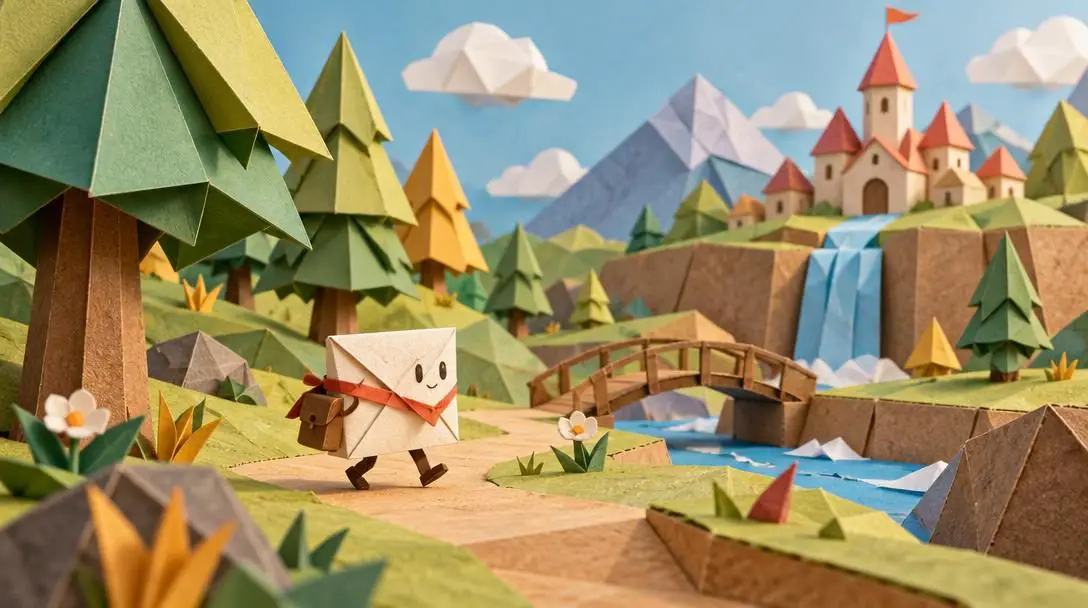
Developed by Media Molecule, Tearaway remains one of the few prominent games conceived entirely as an exclusive showcase for the PlayStation Vita's specific capabilities. Rather than offering a traditional platforming environment, the title constructed a tactile, handcrafted universe built entirely out of papercraft textures. Players were tasked with guiding a messenger through a vibrant, folding landscape that felt as though it existed physically right inside the console.
What elevated the experience was its deliberate, creative integration of the system's external hardware specifications. Media Molecule made extensive use of the capacitive rear touch panel, allowing players to tap the back of the casing to poke their fingers directly into the on-screen paper world, tearing through obstacles and bouncing characters across platforms without blocking the front screen. This novel interaction model earned universal praise from critics. In 2013, Tearaway captured an industry honor from Edge Magazine, followed by a triumphant showing at the 2014 BAFTA Video Game Awards, where it received multiple nominations and earned wins across three categories: Best Family Game, Best Mobile/Handheld Game, and Best Artistic Achievement.
4. Gravity Rush

- Original Working Title: Gravite
- Release Year: 2012
- Original Target Console: PlayStation 3
- Core Gameplay: Gravitational manipulation and 3D navigation
The journey of Gravity Rush began as a home console project intended for the PlayStation 3 under the working development title "Gravite." Recognizing the need for a standout, system-defining original franchise for their new handheld, Sony repurposed the title for the PlayStation Vita, launching it in early 2012. The game centered around Kat, an amnesiac heroine accompanied by a mysterious feline who possessed the extraordinary ability to manipulate personal gravity, turning walls and skies into walkable pathways.
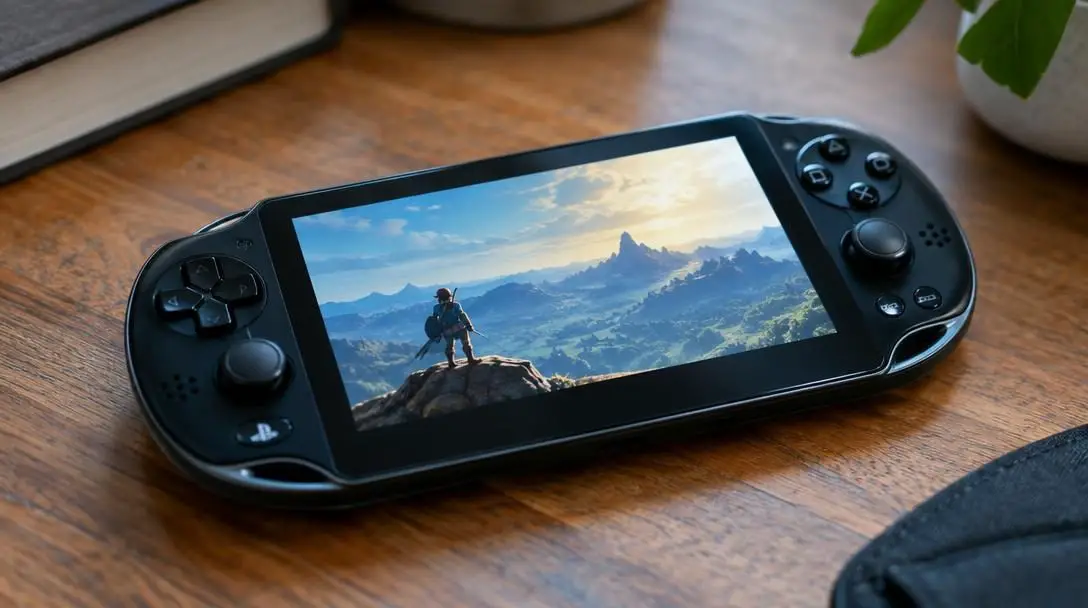
Upon its debut, critical consensus surrounding the game was distinctly polarized. A number of reviewers viewed the release as mediocre due to unconventional navigation, while others celebrated it as an immediate artistic triumph. Over the years, however, player appreciation shifted overwhelmingly in its favor. By utilizing the handheld's dual analog inputs and internal motion sensors, players could tilt the system to aim their descent and freely traverse floating cities. As the Vita's hardware lifecycle matured, Gravity Rush shed its initial mixed reception to become recognized as a cherished masterpiece and one of the finest original games ever released on the platform.
3. Rayman Origins

- Publisher / Developer: Ubisoft
- Release Year: 2012 (Vita)
- Home Platforms: Nintendo Wii, Xbox 360, PlayStation 3
- Review Milestone: 9.5 out of 10 from IGN
When the PlayStation Vita arrived on the scene, Ubisoft's limbless mascot Rayman was already an established icon across decades of gaming history. Opting to bring Rayman Origins to the handheld was a natural strategic move, even though the release was not kept exclusive to Sony's hardware. The side-scrolling platformer had already launched across major home platforms, including the Nintendo Wii, Xbox 360, and PlayStation 3, where it earned broad praise for its fluid 2D animation, vibrant art style, and rhythm-based platforming challenges.
What made the PS Vita release so remarkable was its technical execution. Handheld ports on competing devices frequently compromised visual clarity or frame rates; for instance, the Nintendo 3DS edition sacrificed noticeable visual fidelity and failed to resonate strongly with audiences. By contrast, the Vita edition was hailed as virtually flawless. It retained every frame of lush animation, sharp vector line work, and responsive control responsiveness found on home consoles. This faithful translation earned the portable version a glowing 9.5 out of 10 review score from IGN, solidifying its place as one of the platform's definitive platformers.
2. Spelunky
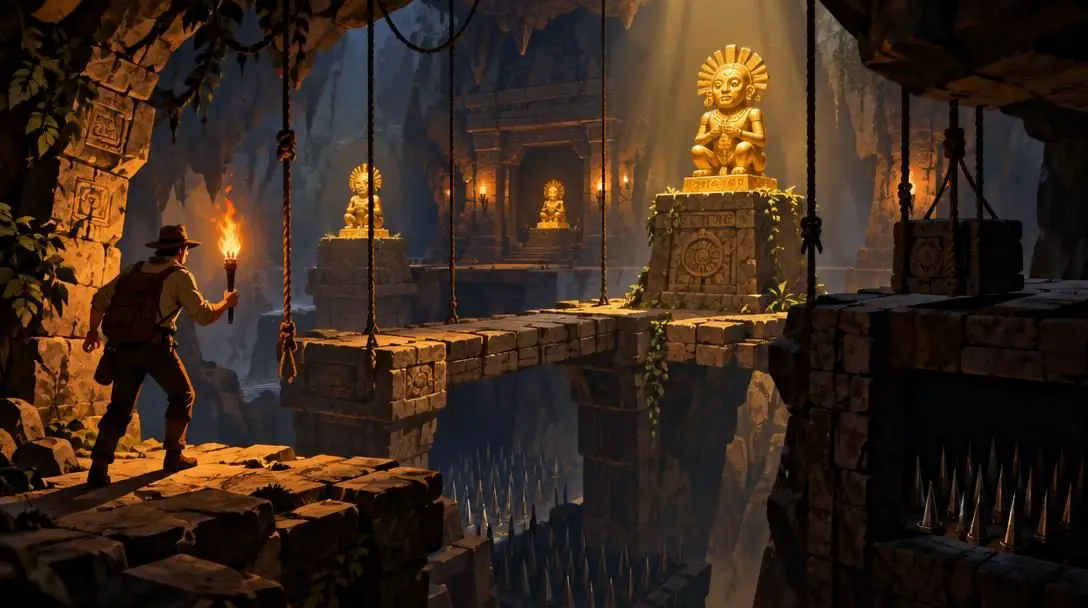
- Developer: Mossmouth, LLC
- Platform Transition Year: 2012 (four years after original PC release)
- Original Platform: Microsoft Windows
- Review Milestone: Perfect 10 out of 10 from Eurogamer
The origins of Spelunky trace back to its humble beginnings on Microsoft Windows, where creator Derek Yu pioneered modern roguelike design. In 2012, four years after its initial freeware emergence, a high-definition remake crafted by Mossmouth, LLC arrived on home consoles and handheld systems. The procedural platformer challenged players to explore treacherous, randomly generated underground caves packed with hostile creatures, hidden traps, damsels in distress, and elusive treasures.
The conversion to the PlayStation Vita hardware was handled flawlessly. Without sacrificing performance or crisp visual detail, the port captured the micro-second precision that the game's brutal difficulty demanded. Its pick-up-and-play structure turned the title into an addictive loop where a single errant jump or flying dart could end a run in seconds, yet instantly compel another attempt. Prominent gaming publications cited it as one of the finest independent productions in gaming history, with Eurogamer awarding the Vita edition an exceptional, perfect score of 10 out of 10.
1. Persona 4 Golden

- Developer / Publisher: Atlus
- Original Release: 2008 (PlayStation 2)
- Sales Achievement: Over 1 million copies sold
- Genre: Role-Playing Game / Social Simulation
Widely regarded as one of the greatest role-playing titles in video game history, Persona 4 initially captivated audiences on the PlayStation 2 in 2008. Combining small-town murder mystery investigations with supernatural turn-based dungeon crawling and high school social simulation, the game became an instant classic. When Atlus considered creating a portable edition, internal plans initially explored porting the adventure to the PlayStation Portable (PSP). However, technical hardware restrictions on the older PSP would have forced the team to strip out cinematic assets, dynamic models, and voice lines.
The arrival of the PS Vita resolved those hardware bottlenecks entirely. Rather than compromising, Atlus expanded the experience into Persona 4 Golden, adding new characters, extra story cutscenes, animated sequences, dynamic social events, and a revamped musical score. Critics met the release with near-universal acclaim, awarding it some of the highest review scores of any game across the entire Vita lifespan. The expanded edition became a cultural phenomenon, selling over 1 million copies and standing as the definitive system-seller that drove hardware adoption worldwide.
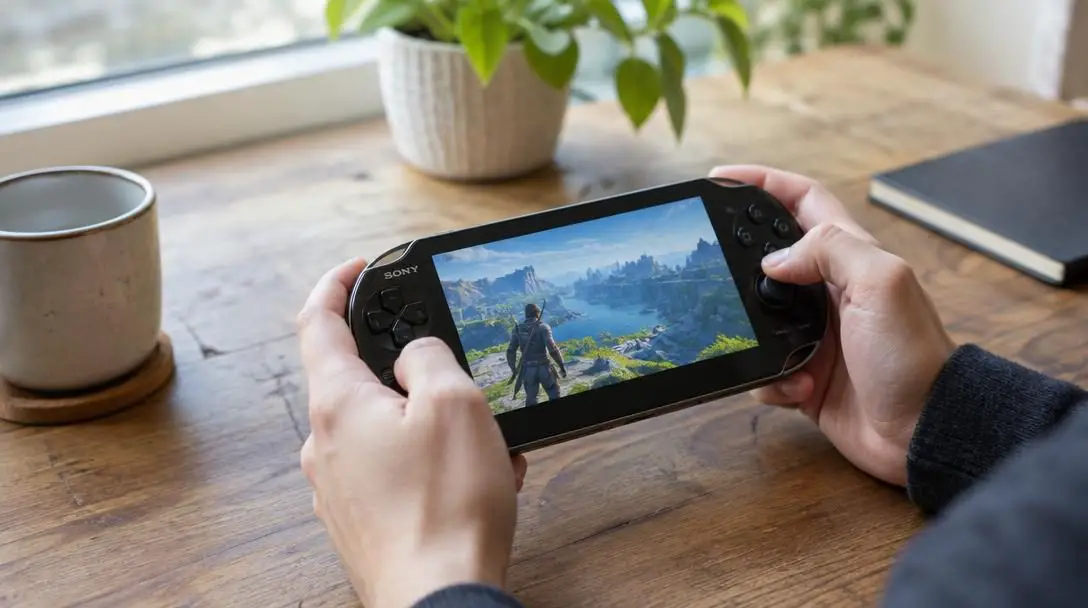
The expanded technical capabilities of the Vita allowed developers to deliver full-scale home console epics without stripping away visual fidelity or narrative depth.
How PS Vita hardware powered standout software
The critical success of these five standout titles was deeply tied to Sony's internal and external engineering choices. Rather than producing a modest revision of the PSP, Sony loaded the PS Vita with forward-thinking components that expanded the mechanical vocabulary available to software developers.
- Rear Touchpad Functionality: Located on the back chassis directly opposite the primary screen, this capacitive touch panel provided a secondary input method. Titles like Tearaway translated fingers placed on the back of the case into physical forces within the game, keeping the player's hands from blocking visual assets on the front display.
- Handheld Motion and World Alteration: Onboard gyroscopes and accelerometers allowed the Vita to precisely read physical movement and orientation. In Gravity Rush, these internal sensors operated alongside traditional dual analog inputs, giving players the freedom to tilt the device to recalibrate flight paths and shift gravitational direction effortlessly.
- Consolidated Portable Processing: Previous generations of portable hardware forced developers to dramatically strip down console releases. The Vita's multi-core architecture provided sufficient power to maintain precise frame pacing and visual depth, allowing multi-platform releases like Rayman Origins and Spelunky to run with uncompromised fidelity.
- Expanded Storage and Memory Architecture: Large-scale role-playing games require immense amounts of storage for dialogue, music, animated cutscenes, and complex script triggers. The Vita's memory capacity eliminated the structural limitations that would have hobbled games like Persona 4 Golden on older platforms.
How to set up and play PS Vita games today
Revisiting the PlayStation Vita library in the modern era requires a methodical approach to hardware sourcing, official storage accessories, and system configuration. Follow these practical steps to prepare your system for the best possible experience.
- Acquire the hardware: Select between the original 2011 launch model (often praised for its high-contrast display panel) or later slim hardware revisions, which feature integrated micro-USB charging ports and a lighter, more streamlined profile.
- Procure a compatible memory card: Because the system requires a proprietary memory format, purchase an official PS Vita memory card with sufficient storage capacity to store save files, mandatory title updates, and digital installations.
- Establish reliable power connections: Identify the specific power cable needed for your unit. Original launch models require an official proprietary charging cord, whereas later hardware iterations use standard micro-USB interfaces. Allow the battery to achieve a full charge before initiating setup.
- Source your games: Decide between physical game cards and digital downloads. Major titles such as Persona 4 Golden, Tearaway, and Rayman Origins were produced on physical cartridges, while various indie gems may require checking digital storefront availability.
- Calibrate control and display preferences: Enter the system settings menu to configure display brightness, wireless connectivity, and rear touchpad sensitivity to suit the specific physical handling requirements of games like Tearaway.
Common pitfalls when revisiting the handheld
Because Sony implemented several unique architectural choices during the Vita's engineering cycle, new and returning players often encounter unexpected obstacles. Keep these common mistakes in mind when setting up your device:
- Assuming universal storage compatibility: A frequent misstep is attempting to insert standard micro-SD cards directly into the console. The Vita relies exclusively on proprietary storage cards for its official storage slot, and ordinary flash media cards cannot fit or function without unauthorized third-party adapters.
- Disregarding rear touch calibration and hand placement: Games like Tearaway treat the rear panel as an active control interface. Holding the handheld with fingers resting flat across the back casing frequently sends accidental continuous inputs to the game, leading to errant player movements or accidental actions.
- Overlooking system battery health: Because original PS Vita units debuted in 2011, original lithium-ion batteries can experience age-related degradation. Failing to inspect or test the battery may result in abrupt shutdowns during demanding gameplay sequences.
- Confusing platform editions during purchase: When searching for acclaimed ports like Rayman Origins or historical entries in the Persona series, double-check that you are buying the dedicated PS Vita releases rather than compromised versions like the 3DS port of Rayman or earlier PSP iterations.
What to consider next
Examining the legacy of the PlayStation Vita provides valuable insight into the evolution of handheld gaming hardware. The control layouts, artistic indie pipelines, and dual-analog configurations popularized by the Vita directly laid the groundwork for today's portable powerhouses, including the Nintendo Switch and the Steam Deck.
Furthermore, digital storefront policies and hardware wear make physical game preservation an increasingly important consideration. Physical cartridges for cornerstone titles like Persona 4 Golden, Tearaway, and Gravity Rush represent permanent, standalone artifacts from an ambitious era when Sony attempted to deliver full home console fidelity right into the palm of your hand.
Frequently asked questions
How much did the PS Vita cost when it originally launched?
The PlayStation Vita was officially introduced in 2011 with an initial launch retail price of $250, positioned directly to compete against Nintendo's 3DS handheld.
Why did the PS Vita struggle in North America compared to Japan?
While the Vita encountered commercial hurdles and lower overall sales figures in North America, it gained major commercial momentum in Japan. Japanese players and publishers strongly supported the platform, which helped sustain its production for nearly a decade.
Can standard micro-SD cards be used in an unmodded PS Vita?
No. Sony designed the PS Vita to function exclusively with its own proprietary memory cards for official data storage, meaning standard computer storage cards cannot be inserted natively into the console's memory card slot.
Was Gravity Rush originally developed for the PS Vita?
No. The development of Gravity Rush originally began as a home console project for the PlayStation 3 under the working title "Gravite" before it was repurposed to become a flagship handheld title for the Vita.
How many copies did Persona 4 Golden sell on the PS Vita?
Persona 4 Golden achieved a significant commercial milestone by selling over 1 million copies on the PS Vita, making it one of the top-selling portable video games in the platform's history.
The bottom line
The PlayStation Vita may not have matched the broad commercial sales figures of its primary rival in the West, but its legacy as an innovative, forward-thinking piece of hardware remains unassailable. By pairing dual analog sticks, capacitive touch mechanics, and sufficient processing headroom to eliminate the compromises of earlier portables, the system enabled games like Persona 4 Golden, Spelunky, Rayman Origins, Gravity Rush, and Tearaway to shine. For enthusiasts seeking the pinnacle of dedicated early-2010s portable engineering, the Vita's 1,700-game catalog still offers some of the most rewarding adventures in handheld gaming history.