5 Best Managers In Bayern Munich History
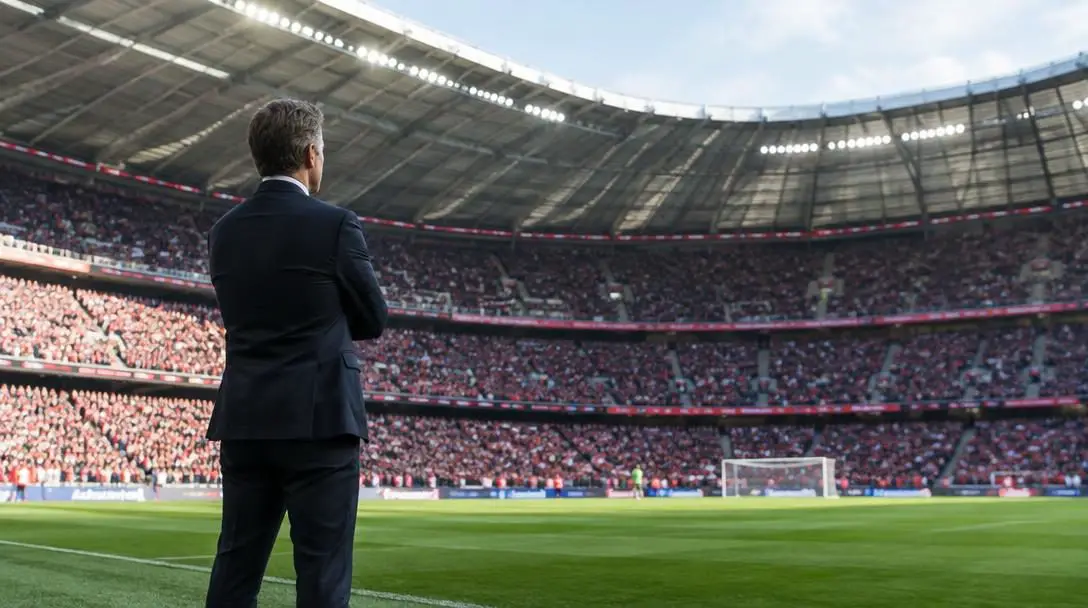
Bayern Munich stands out as the ultimate powerhouse when talking about German football. The club has experienced unprecedented success, collecting a long list of domestic league titles and continental honors across its prestigious history. While world-class players have continuously graced the pitch, much of this sustained dominance comes down to the leadership on the sidelines. Managing a club of this stature requires tactical brilliance, player management, and an ability to consistently deliver silverware under relentless public scrutiny.
Over the decades, Bayern Munich has operated under immense expectations where a single season without a trophy is often viewed as a setback. Before examining the five greatest head coaches in club history, several exceptional tacticians just missed the top tier despite their incredible contributions. Mentors like Jupp Heynckes, Dettmar Cramer, Zlatko Cajkovski, and Felix Magath helped define eras of excellence and paved the way for the iconic managers who shaped the Bavarian giants.
Key takeaways
- Udo Lattek remains Bayern Munich's most decorated domestic league coach with six Bundesliga championships across two distinct tenures.
- Hansi Flick recorded a historic 81.4 percent win rate and conceded only seven defeats during his trophy-laden 86 matches in charge.
- Pep Guardiola delivered three consecutive Bundesliga titles between 2013 and 2016, winning 121 of his 161 total fixtures.
- Ottmar Hitzfeld collected five league crowns alongside the 2001 UEFA Champions League title and Intercontinental Cup across two spells.
- Louis Van Gaal laid crucial tactical foundations from 2009 to 2011, securing a domestic double and reaching a European final.
At a glance: Comparing Bayern's top five managers
Evaluating managers across different footballing eras requires looking at games managed, overall consistency, domestic domination, and continental prestige. The following table highlights the records and major accomplishments of Bayern Munich's elite tacticians.
| Manager | Tenure(s) | Matches Managed | Bundesliga Titles | Major Continental Trophies |
|---|---|---|---|---|
| Louis Van Gaal | 2009–2011 | 96 | 1 | Champions League Runner-up |
| Hansi Flick | 2019–2021 | 86 | 2 | UEFA Champions League (2020) |
| Pep Guardiola | 2013–2016 | 161 | 3 | UEFA Super Cup, FIFA Club World Cup |
| Ottmar Hitzfeld | 1998–2004, 2007–2008 | 395 | 5 | UEFA Champions League (2001) |
| Udo Lattek | 1970–1975, 1983–1987 | 400+ | 6 | European Cup (1974) |
The 5 best managers in Bayern Munich history
Each of the following five leaders left an enduring legacy in Munich, whether through tactical revolutions, peerless winning percentages, or massive silverware hauls on both the domestic and international stages.
Louis Van Gaal
- Tenure: 2009–2011
- Total matches: 96
- Match record: 59 wins, 19 defeats
- Key silverware: Bundesliga, DFB-Pokal, DFL-Supercup
Dutchman Louis Van Gaal enjoyed an extensive playing career throughout the 1970s and 1980s before establishing his managerial credentials. He made his first senior appearances with Royal Antwerp before heading to Telstar for a brief period. He then moved to Sparta Rotterdam, where he spent eight years—the bulk of his playing career—before hanging up his boots with AZ in 1987. Transitioning to the dugout, Van Gaal landed his first senior head managerial position with Ajax in 1991. After leading several elite European institutions, including Barcelona, he took charge of Bayern Munich in 2009.
During his time in Germany, Van Gaal oversaw 96 fixtures, securing 59 victories and suffering only 19 defeats. His pinnacle arrived during the 2009–2010 campaign, when he guided his squad to a memorable domestic double featuring the Bundesliga title and the DFB-Pokal, supplemented by the DFL-Supercup. He also directed the club to the UEFA Champions League final that same season, coming within one victory of completing a historic continental treble and re-establishing Bayern as a modern European superpower.
Hansi Flick
- Tenure: 2019–2021
- Total matches: 86
- Win percentage: 81.4 percent
- Key silverware: 2 Bundesliga titles, UEFA Champions League
Hansi Flick is a German tactician with deep personal roots at the Bavarian club. Much of his active playing career during the 1980s was spent directly on the pitch for Bayern Munich. In addition to his time in Munich, Flick suited up for SV Sandhausen, 1. FC Koln, and Victoria Bammental before retiring as a player in 2000. Toward the end of his active days, he took his first steps on the sideline as a player-manager and eventually assumed full coaching duties at 1899 Hoffenheim. He subsequently spent multiple years sharpening his tactical craft as an assistant coach across various high-profile teams before Bayern appointed him head coach in November 2019.
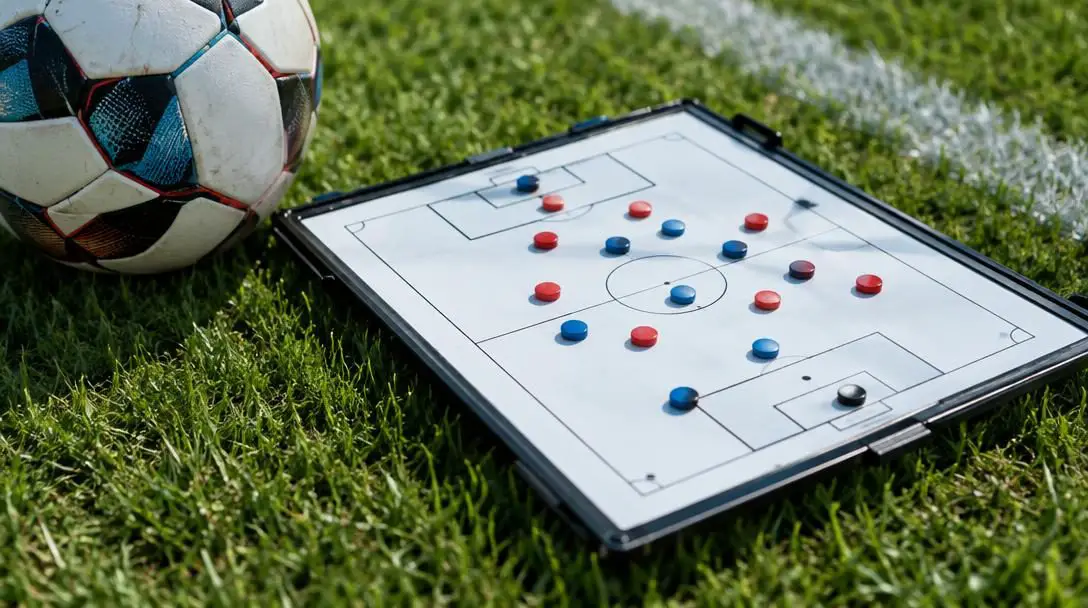
Flick managed just 86 competitive fixtures with Bayern Munich, yet the statistical return he generated across that compact window was breathtaking. His side suffered a mere seven defeats throughout his entire tenure while assembling an astonishing 81.4 percent win rate. Under his guidance, Bayern maintained relentless attacking intensity, capturing back-to-back Bundesliga crowns alongside the coveted UEFA Champions League title during an unforgettable stretch of dominance.
Pep Guardiola
- Tenure: 2013–2016
- Total matches: 161
- Match record: 121 wins, 19 defeats
- Key silverware: 3 Bundesliga titles, 2 DFB-Pokal trophies
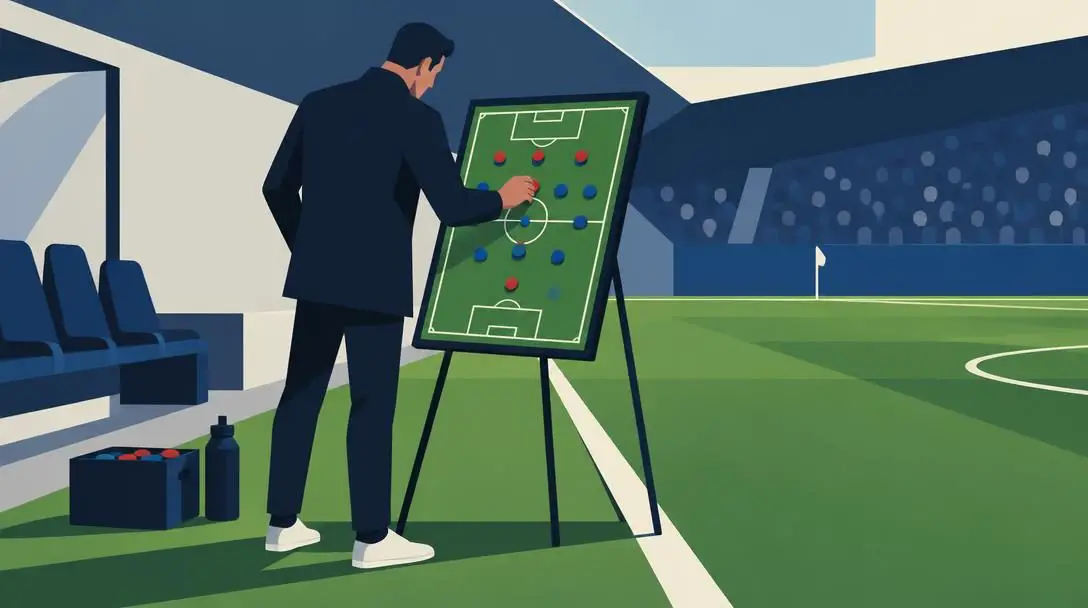
Pep Guardiola arrived in Munich with a sterling reputation as both a world-class midfielder and a generational coaching mastermind. As a player, he spent the vast majority of his playing days anchoring the midfield for Barcelona, though he also represented Roma, Al-Ahli, and Dorados during an 18-year professional journey. Following his retirement, Guardiola launched his managerial career with Barcelona B before taking the reins of the senior team. In 2013, he arrived in Germany to assume control of Bayern Munich, remaining through 2016 before departing for Manchester City.
Guardiola established undisputed domestic control throughout his three years in Bavaria. In three consecutive campaigns from 2013–14 to 2015–16, Bayern Munich captured the Bundesliga title with an authoritative brand of positional play. He supplemented those league championships with two DFB-Pokal victories, an international UEFA Super Cup, and a FIFA Club World Cup. Over his 161 matches on the Bayern sideline, Guardiola recorded an impressive 121 victories while suffering only 19 defeats.
Managing a club of this stature requires tactical brilliance, player management, and an ability to consistently deliver silverware.
Ottmar Hitzfeld

- Tenures: 1998–2004, 2007–2008
- Combined record: 238 wins, 93 draws, 64 defeats
- Bundesliga titles: 5
- Key continental honors: UEFA Champions League (2001), Intercontinental Cup (2001)
Before establishing his status as one of Germany's greatest tacticians, Ottmar Hitzfeld was a prolific forward. Between 1971 and 1983, his playing career featured stints at Basel, VfB Stuttgart, Lugano, and Luzern. Upon hanging up his boots, Hitzfeld immediately transitioned to coaching, taking the helm at SC Zug before managing Aarau and Grasshoppers through the early 1990s. He then orchestrated a dominant run with Borussia Dortmund from 1991 until 1997. Following that success, he took charge of Bayern Munich for two distinct, trophy-laden spells between 1998 and 2008, eventually concluding his coaching career with the Swiss National Team.
Hitzfeld's metronomic consistency anchored Bayern for an entire decade. During his initial spell from 1998 to 2004, his teams registered 193 wins, 73 draws, and 53 losses. When the club called him back for a second term in 2007, he delivered another 45 victories, 20 draws, and just 11 defeats. In total, Hitzfeld steered Bayern to five Bundesliga titles, three DFB-Pokal trophies, and four DFB-Ligapokal titles. His pinnacle in Munich arrived in 2001, when he guided the squad to the UEFA Champions League crown and the Intercontinental Cup.
Udo Lattek
- Tenures: 1970–1975, 1983–1987
- Total matches: 400+
- Losses: 67
- Key silverware: 6 Bundesliga titles, 3 DFB-Pokal trophies, European Cup
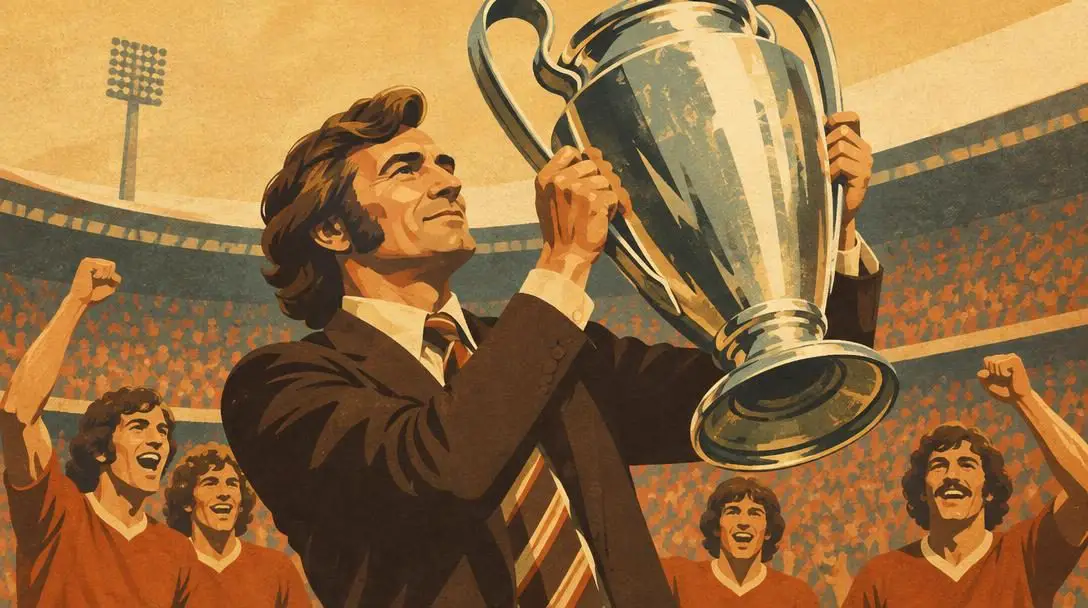
Unlike peers who spent decades performing at the highest levels of club competition, Udo Lattek took a unique route to coaching royalty. Born in Bosemb, Lattek spent only the final few years of his active playing career competing in the German top flight. Following his retirement from the pitch, he stepped straight into coaching by serving as an assistant for the West Germany National Team. In 1970, he earned his landmark opportunity when Bayern Munich hired him, kicking off the first of two historic tenures, with the second lasting from 1983 to 1987.
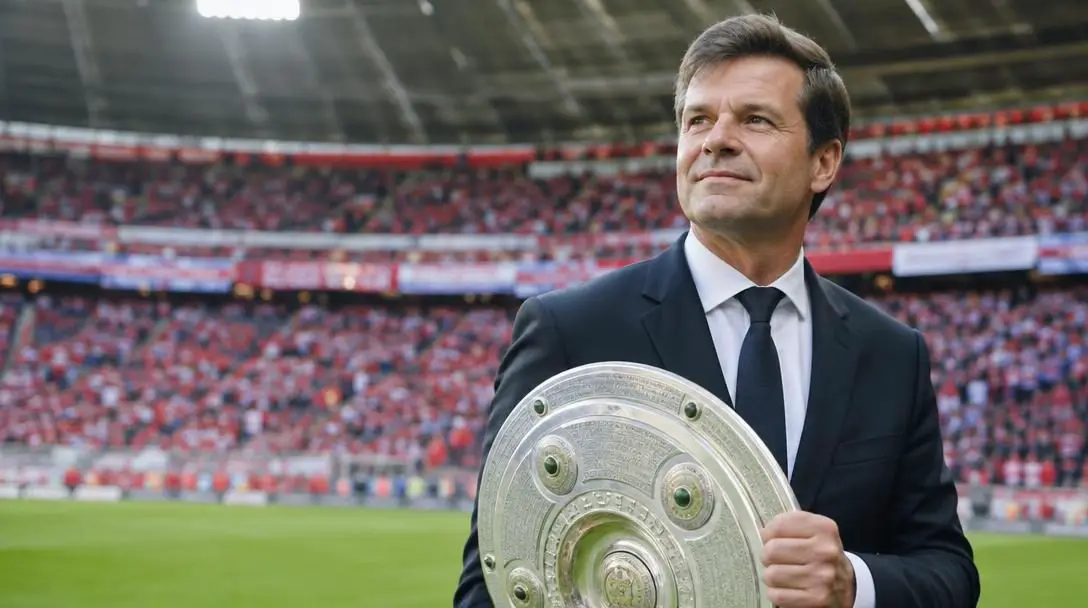
Lattek evolved into one of the most decorated managers the sport has ever seen. Across his combined stints, he secured a staggering six Bundesliga championships with Bayern Munich. He added three DFB-Pokal triumphs and hoisted the 1974 European Cup, inaugurating the club's continental golden era. ESPN highlighted his lasting greatness by ranking him among the 20 greatest football managers of all time, while numerous other international media outlets place him securely within the global top 40. Lattek won more than 61 percent of his games on the Bavarian bench, suffering just 67 defeats across more than 400 total matches.
How elite football management works
Understanding what elevated these five managers above their contemporaries requires examining the multi-faceted nature of modern football leadership. Operating at the pinnacle of European competition demands the continuous coordination of several core disciplines:
- Tactical formulation: Designing coherent structural setups that maximize squad talent, neutralize opposition counter-attacks, and control possession or transition phases depending on the opponent.
- Player management: Maintaining harmony within a dressing room filled with world-class international stars, keeping fringe players engaged, and maintaining shared accountability toward team objectives.
- Squad rotation: Balancing physical workloads across demanding Bundesliga matches, domestic cup rounds, and high-stakes European nights without sacrificing competitive standards or triggering soft-tissue injuries.
- In-game adaptations: Reading shifts in match momentum and implementing precise structural adjustments or substitutions to rescue points from losing positions.
Practical steps for evaluating a football manager's legacy
Determining which manager ranks highest often generates passionate discussions among football supporters. To evaluate any manager's tenure objectively, analysts and fans should follow this structured framework:
- Review the overall win percentage: Measure the proportion of matches won relative to games lost. Hansi Flick's 81.4 percent win rate and Pep Guardiola's 121 wins out of 161 matches illustrate elite statistical efficiency.
- Assess trophies won per season: Calculate the rate of silverware collection. Examine how regularly a coach captures domestic league titles, such as Lattek's six or Hitzfeld's five, alongside domestic knockout cups.
- Evaluate continental performance: Examine records in elite European competition. Raising the European Cup or UEFA Champions League trophy represents the ultimate benchmark for Bayern head coaches.
- Analyze duration and match volume: Weigh the sample size. Navigating over 400 games across multiple eras as Udo Lattek accomplished tests endurance and team rebuilding in ways a two-year stint cannot replicate.
- Check underlying historical impact: Consider broader recognition from established analysts, such as ESPN ranking Lattek among the 20 greatest managers in football history.
Common mistakes when comparing managerial eras
Evaluating managers across multiple decades without contextual parameters often leads to misleading conclusions. Analysts should be cautious to avoid these regular analytical pitfalls:
- Ignoring era-specific competition formats: Directly comparing the straight-knockout format of Udo Lattek's 1970s European Cup to the multi-stage group formats of the modern UEFA Champions League fails to reflect differences in fixture congestion and qualification pathways.
- Overlooking squad depth and resources: Judging managers without recognizing modern training science, larger substitution benches, and global transfer networks distorts comparisons with mid-20th-century setups.
- Focusing exclusively on silverware hauls: Dismissing managers who rebuilt tactical identities without winning a treble overlooks foundational tenures like Louis Van Gaal's run, which won a domestic double and reached the Champions League final.
- Dismissing short-term tenures: Assuming a short tenure cannot match the prestige of a decade-long run causes observers to undervalue periods like Hansi Flick's, where conceding only seven defeats in 86 games set new performance standards.
What to consider next when following Bayern Munich
As Bayern Munich continues to appoint new tacticians to its high-pressure bench, supporters and analysts can monitor several key indicators to assess whether incoming coaches can match club history:
- Sustaining high win rates: Observe whether future head coaches can maintain win rates near the 75-to-81 percent marks established by Pep Guardiola and Hansi Flick.
- Domestic cup consistency: Track how consistently managers navigate the DFB-Pokal, a knockout competition repeatedly won by Ottmar Hitzfeld, Udo Lattek, and Guardiola.
- European contention: Measure whether new coaches can reach European semi-finals and finals, sustaining the continental excellence delivered by Lattek, Hitzfeld, and Flick.
- Longevity on the sidelines: Watch whether any modern tactician can remain in the dugout long enough to rival the multi-stint endurance and 400-match totals achieved by Hitzfeld and Lattek.
Frequently asked questions
Which Bayern Munich manager won the most Bundesliga titles?
Udo Lattek holds the club record among head coaches, winning six Bundesliga championships across his two separate managerial stints (1970–1975 and 1983–1987). Ottmar Hitzfeld ranks closely behind with five domestic league crowns.
What was Hansi Flick's win percentage at Bayern Munich?
Hansi Flick registered an extraordinary 81.4 percent win rate during his tenure from 2019 to 2021. He managed 86 matches across all competitions and suffered only seven defeats while winning back-to-back Bundesliga titles and the UEFA Champions League.
How many trophies did Pep Guardiola win with Bayern Munich?
Pep Guardiola won seven total trophies during his three seasons from 2013 to 2016: three consecutive Bundesliga titles, two DFB-Pokal domestic cups, one UEFA Super Cup, and one FIFA Club World Cup.
Which notable managers narrowly missed this top five list?
Several legendary tacticians made monumental contributions to Bayern Munich but were edged out of the top five, including Jupp Heynckes, Dettmar Cramer, Zlatko Cajkovski, and Felix Magath.
Did Louis Van Gaal win a European trophy with Bayern Munich?
No, Louis Van Gaal did not win a European trophy with Bayern Munich. However, during the 2009–2010 season, he guided the squad to the UEFA Champions League final alongside winning the Bundesliga, the DFB-Pokal, and the DFL-Supercup.
The bottom line
Sustaining dominance at Bayern Munich requires an exceptional blend of tactical clarity, mental resilience, and emotional intelligence. From the era-defining endurance of Udo Lattek and Ottmar Hitzfeld to the tactical intensity of Louis Van Gaal, Pep Guardiola, and Hansi Flick, these five managers set the gold standard for leadership at Germany's most demanding football club. Their accomplishments not only filled the Allianz Arena trophy cabinet but established tactical blueprints that continue to shape global football.