5 Call of Duty Swatting Incidents
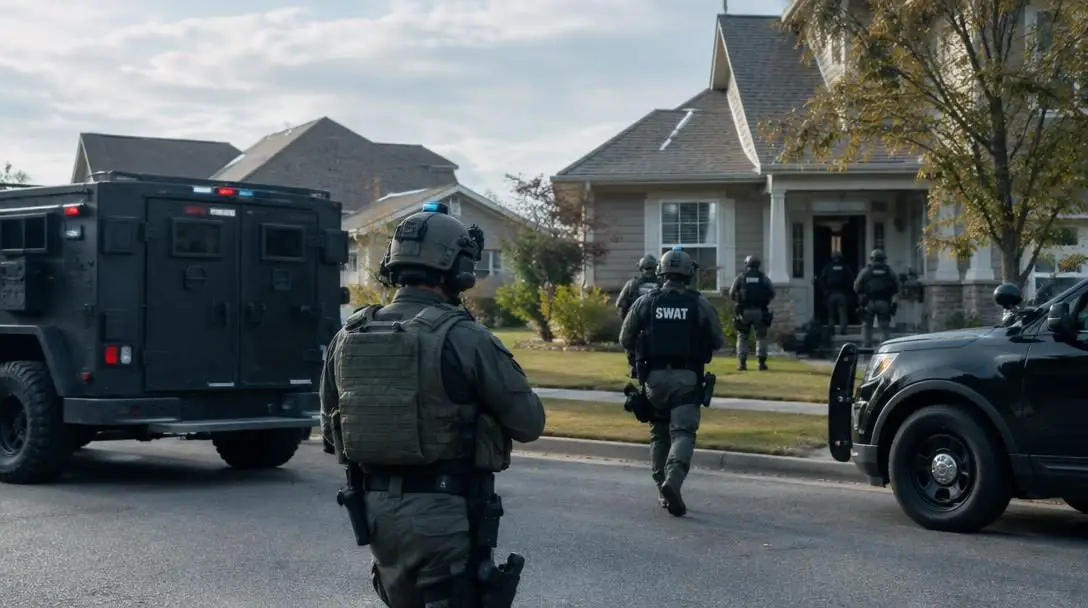
Swatting has evolved from an obscure harassment technique into one of the most perilous hazards of the digital age. At its core, the practice involves making a fraudulent emergency report to local police departments, claiming that an active, violent crisis is taking place at a target's residence. The objective is to trigger an overwhelming, armed response from specialized tactical law enforcement units—commonly known as SWAT teams—against an unsuspecting individual. While anyone active on the internet can become a target, live video streamers and content creators face elevated exposure due to the public nature of their broadcasts.
Competitive first-person shooter franchises, particularly Call of Duty, have served as the backdrop for some of the most visible and consequential swatting events in streaming history. The mixture of heated competitive rivalries, public player interactions, and real-time live streaming creates an environment where malicious actors seek to inflict real-world damage. While bad actors often treat these attacks as vindictive entertainment, the consequences for targets, their families, and innocent bystanders can be deeply traumatic or even lethal.
Key takeaways
- Swatting weaponizes emergency response systems by submitting fabricated reports of violent crises to dispatch heavily armed police units to innocent people's homes.
- High-profile Call of Duty streamers and competitive players are frequent targets due to public broadcasting feeds and heated gaming disputes.
- The 2017 Wichita incident over a Call of Duty match tragically claimed the life of an uninvolved bystander, demonstrating the lethal danger of emergency hoaxes.
- Proactive communication with local municipal police and rigorous personal digital security can substantially reduce swatting risks for content creators.
The anatomy of an emergency response hoax
To grasp why emergency hoaxes carry such an enormous potential for disaster, it helps to understand the operational sequence law enforcement follows when responding to extreme distress calls. When emergency services receive a high-level report, dispatchers and first responders must treat the scenario as an authentic life-or-death crisis until proven otherwise.
- The fraudulent report: The perpetrator contacts emergency dispatchers using caller-ID spoofing, proxy networks, or anonymized lines. They describe an active, catastrophic crime—such as an ongoing hostage crisis, an active shooter, or an armed threat—to guarantee a tactical deployment.
- Tactical emergency dispatch: Because operators are trained to prioritize immediate public safety during violent emergencies, they alert tactical units, specialized weapons teams, or patrol officers equipped with heavy gear rather than sending an ordinary patrol response.
- High-intensity law enforcement arrival: Responding officers converge on the designated property under the assumption that armed suspects are ready to kill. Officers establish perimeter cordons, draw their service weapons, and enter in high-threat tactical formations.
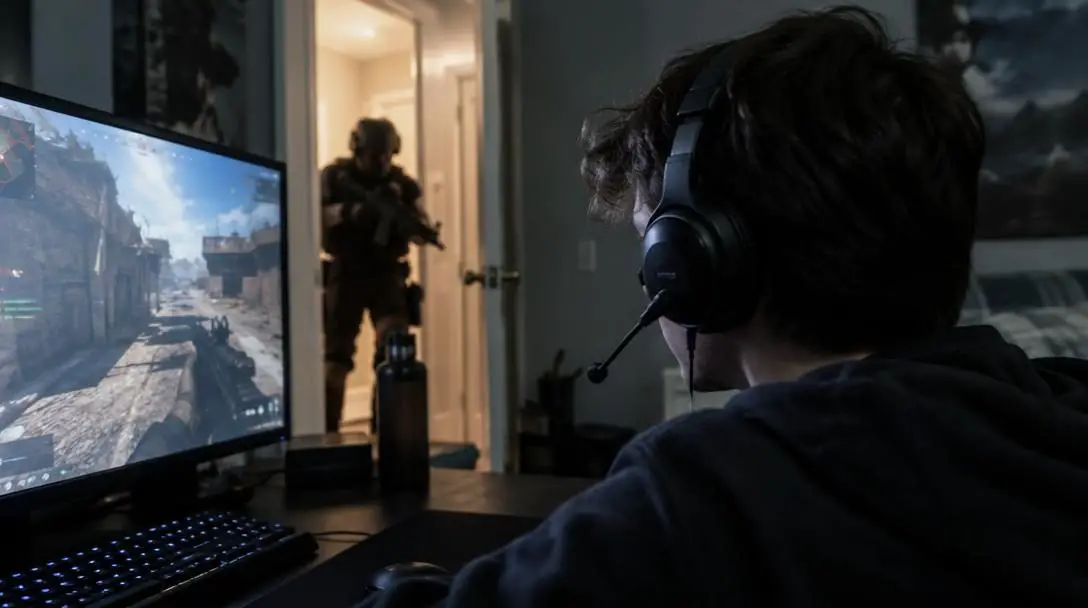
- The unscripted confrontation: Heavily armed officers encounter an unsuspecting homeowner or a live streamer wearing headphones who was simply broadcasting a match. The clash between tactical law enforcement expecting armed violence and a bewildered, blameless resident generates extreme risk for catastrophic misinterpretations.
Notable Call of Duty swatting incidents compared
The history of competitive gaming highlights how wildly the outcomes of these hoaxes can diverge, ranging from insightful police de-escalations to life-altering criminal convictions and heartbreaking loss of life.
| Target or Individual | Platform or Context | Incident Year | Incident Outcome |
|---|---|---|---|
| Andrew Finch | Call of Duty: WWII dispute | 2017 | Fatally shot by responding police after a gamer provided Finch's address. |
| Drift0r | Texas home / YouTube creator | 2019–2020 | Multiple swatting attempts; suspects caught and criminal trials concluded. |
| Nadia Amine | Call of Duty: Warzone / Twitch | Recent | Informed officer recognized streaming hoax and promoted channel on broadcast. |
| iShowSpeed | Call of Duty / YouTube | 2022 | Handcuffed and detained on live broadcast; released after bail was posted. |
| Adin Ross | Twitch & YouTube creator | 2022 | Targeted twice in rapid succession over an ignored Discord message. |
5 high-profile Call of Duty swatting incidents
These five incidents illustrate the spectrum of swatting encounters tied directly to Call of Duty competitions, streaming broadcasts, and online rivalries.
Casey Viner, Shane Gaskill, and the Death of Andrew Finch

- Game Involved: Call of Duty: WWII
- Incident Year: 2017
- Location: Wichita, Kansas
- Fatal Casualty: Andrew Finch
The swatting incident involving competitive gamers Casey Viner and Shane Gaskill remains the most notorious and heartbreaking case in esports history. In December 2017, an online match dispute in Call of Duty: WWII escalated into personal hostility between Viner and Gaskill. During the heated feud, Viner threatened to swat Gaskill. Unintimidated, Gaskill provided an old residential address in Wichita, Kansas—a home where Gaskill no longer resided—effectively daring Viner to carry out the threat.
Viner subsequently coordinated with an acquaintance, Tyler Barris, who called local Wichita emergency dispatchers with a fabricated tale involving a hostage situation and a fatal shooting. Tactical police swarmed the supplied address. Andrew Finch, a twenty-eight-year-old resident with zero connection to gaming, Call of Duty, or the dispute, stepped onto his front porch to see why police vehicles were surrounding his home. Within moments, police officer Justin Rapp discharged his weapon, killing Finch. The tragedy exposed the catastrophic intersection of juvenile digital anger, emergency exploitation, and lethal real-world consequences.
Drift0r
- Content Platform: YouTube
- Incident Period: 2019 to 2020
- Location: Texas
- Legal Resolution: Perpetrators apprehended, charged, and tried
Prominent gaming personality and long-time Call of Duty analyst Drift0r revealed in a 2021 video the prolonged terror he and his family endured at their Texas home. Between 2019 and 2020, his residence was swatted on multiple occasions, subjecting his household to sustained mental anguish and terror. Drift0r stated that these coordinated harassment campaigns were spearheaded by obsessive fans of other content creators who harbored intense hostility toward him.
Despite the harrowing experience of armed officers repeatedly storming his home, Drift0r opted to let the justice system work quietly behind the scenes. Law enforcement investigators traced the digital footprints of the culprits, ultimately arresting several individuals. With criminal charges filed and court proceedings completed, Drift0r publicly recounted the ordeal to shed light on the psychological devastation that chronic harassment inflicts upon digital creators.
Nadia Amine
- Game Involved: Call of Duty: Warzone
- Platform: Twitch
- Response Type: De-escalated tactical unit
- Broadcasting Outcome: Responding officer appeared on stream
While the vast majority of swatting calls yield acute trauma, an incident targeting competitive Call of Duty: Warzone streamer Nadia Amine unfolded with a constructive resolution. When emergency services were alerted to a bogus crisis at her location, a specialized tactical team was dispatched to secure the residence.
Upon arriving, one of the primary responding officers immediately recognized the signs of an online streaming hoax. The officer was familiar with the Twitch platform, gaming culture, and the widespread practice of swatting targeted at high-profile competitors. Rather than brandishing weapons or detaining Amine, the law enforcement professional neutralized the tension instantly. The officer even briefly joined the live Twitch broadcast to urge viewers to subscribe to Amine's channel and help her hit her broadcasting goals, demonstrating how contemporary police awareness can completely dismantle a dangerous hoax.
iShowSpeed
- Streamer Name: iShowSpeed
- Incident Date: August 8, 2022
- Platform: YouTube
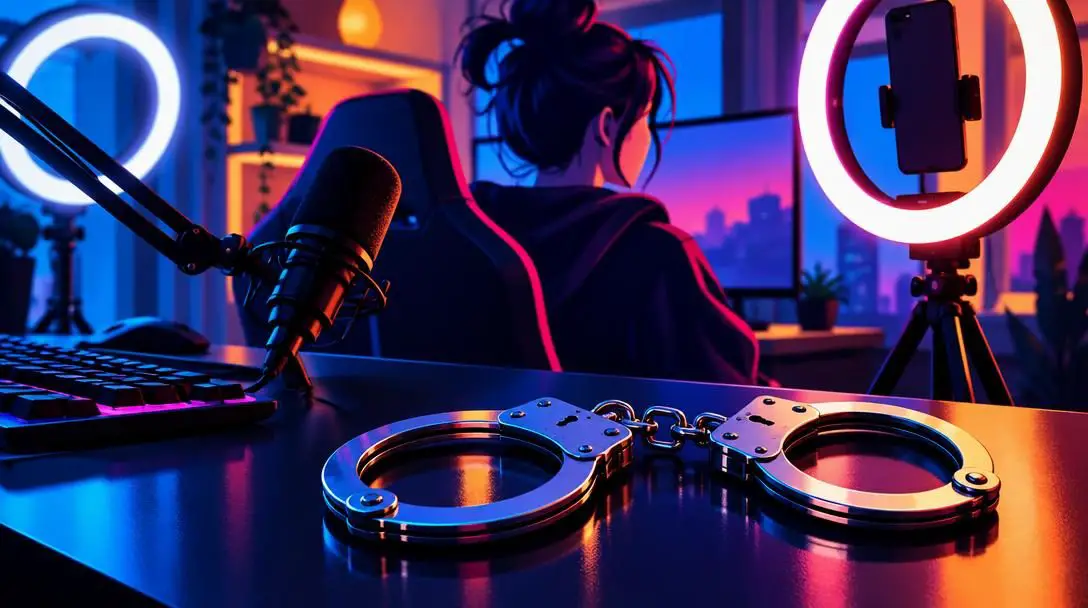
- Immediate Outcome: Handcuffed and detained live on stream
On August 8, 2022, dynamic YouTube personality iShowSpeed was targeted by a malicious call while playing Call of Duty and entertaining an audience of tens of thousands. Known for energetic and chaotic broadcasts, the creator was suddenly interrupted when law enforcement personnel entered his property, placing him in handcuffs while his stream remained active.
The audience watched in alarm as the creator was taken into custody without knowing what offense he had supposedly committed. Although iShowSpeed avoided physical injury, the psychological distress of being detained on camera was evident. The event unfolded only twenty-four hours after another streamer suffered a similar raid. In the aftermath of the detention, fellow content creator Adin Ross assisted by posting the significant bail funds required to secure iShowSpeed's swift release from police custody.
Adin Ross
- Initial Platform: Twitch (with sister, playing NBA 2K)
- Incident Timeframe: Late 2022
- Frequency: Targeted twice within several weeks
- Perpetrator Motive: Ignored direct message on Discord
Adin Ross, who originally rose to prominence on Twitch playing NBA 2K alongside professional athletes and his sister before building a multifaceted streaming brand, faced persistent harassment throughout late 2022. Ross was subjected to two separate swatting incidents within a span of just a few weeks, bringing tactical units to his front door during live productions.
The compounding pressure took an immense emotional toll. Following the second incident, an exhausted Ross pleaded on social media, writing that he was finished and desperately asking whoever was responsible to stop targeting him. The individual who claimed credit for orchestrating the dangerous hoax offered a bizarre and trivial justification: they alleged Ross deserved the armed police raid simply because the creator had failed to reply to a private message sent to his personal Discord account.
A single unverified phone call can summon a heavily armed tactical police unit to an innocent person's doorstep within minutes.
Practical steps to protect against swatting
For anyone broadcasting gameplay or maintaining an active online profile, taking deliberate, proactive privacy measures is essential to limit exposure to malicious emergency calls.
- Conceal geographical markers: Keep personal indicators off camera. Ensure window frames, street names, local packaging, utility bills, and regional merchandise are completely shielded from your live video feed.
- Secure your network connection: Utilize virtual private networks (VPNs) and robust firewall settings across gaming setups. Never join unverified third-party voice servers or click direct links from strangers that could expose your external IP address.
- Lock down direct messaging channels: Configure privacy settings on platforms such as Discord so that only verified, direct friends can send messages or view your gaming activity. Restricting public access eliminates casual vectors used by bad actors.
- Coordinate with local emergency dispatch: Contact the non-emergency administrative line for your municipal police department. Inform dispatch supervisors of your profession as an online broadcaster, supply your residential address, and request that a cautionary note be placed on your file regarding swatting vulnerability.
- Refuse to amplify bad actors: Do not react with public fury or direct rants toward harassers on stream. The individuals who orchestrate swatting calls crave attention and emotional outbursts; ignoring their threats starves them of their primary reward.
Common mistakes during and after swatting incidents
When an online dispute breaks out or armed law enforcement arrives on the scene, making the wrong choice can drastically increase the potential for tragedy.
- Daring adversaries to take action: Flaring tempers during a competitive match can tempt players into egging on trolls. As demonstrated in the Wichita tragedy, daring an angry rival to follow through on threats creates momentum that can lead directly to fatal consequences.
- Making sudden physical movements around officers: If tactical police enter your property, make no sudden movements, keep both hands visible, and follow verbal instructions without hesitation. Attempting to reach for a phone or headset can be misidentified as reaching for a weapon.
- Distributing outdated or random addresses: Providing a past address, a competitor's address, or a fictional street number does not resolve an argument. It places completely innocent bystanders and families directly into the line of tactical fire.
- Leaving live broadcasting gear running: Allowing video cameras and microphones to stream during an ongoing tactical sweep compromises officer safety, broadcasts police tactics, and provides the hoax caller with instant entertainment.
- Abandoning legal pursuit: Victims frequently decide not to follow up with authorities after an all-clear is given. Failing to coordinate with law enforcement investigators lets serial swatters continue targeting other creators without facing criminal accountability.
Law enforcement training and digital security awareness
The stark difference between the tragic loss of Andrew Finch in 2017 and the de-escalated, community-minded response experienced by Nadia Amine underscores the critical need for modernized police education. When tactical units and dispatch personnel are educated about online gaming culture, caller-ID spoofing, and creator harassment, they can quickly differentiate between an active slaughter and a fabricated prank call.
At the same time, creators must recognize that building a public career in digital entertainment requires an uncompromising commitment to personal information security. The culture of oversharing—whether revealing local weather conditions, talking about neighborhood landmarks, or engaging with aggressive detractors—presents genuine security vulnerabilities. Balancing real-time community engagement with rigorous personal boundary control remains the most effective defense against those who attempt to weaponize municipal emergency services for malicious sport.
Frequently asked questions
What is swatting in the context of video gaming?
Swatting is a criminal harassment tactic where a perpetrator contacts emergency dispatchers with a fabricated, high-stakes threat—such as a hostage situation or active shooter—to send heavily armed police tactical teams to a gamer's or streamer's home address.
Why are Call of Duty players frequently targeted by swatters?
Call of Duty features intense competitive rivalries, public player interactions, and a massive community of live streamers. Malicious actors exploit live broadcast feeds to watch the chaos unfold in real time after placing a fraudulent emergency call.
What occurred during the fatal 2017 Wichita swatting incident?
A dispute between Call of Duty: WWII players Casey Viner and Shane Gaskill led to Tyler Barris placing a fraudulent emergency call using an old address Gaskill supplied. Responding police officer Justin Rapp fatally shot Andrew Finch, an innocent resident who had no involvement in the gaming feud.
How can live streamers minimize their risk of being swatted?
Streamers can protect themselves by masking their IP addresses with VPNs, keeping identifying landmarks and mail off camera, locking down direct communication channels on platforms like Discord, and notifying local police dispatchers of their streaming profession ahead of time.
Are individuals who place swatting calls prosecuted?
Yes. Swatting is a serious crime that results in state and federal criminal charges. As demonstrated in the cases surrounding Drift0r and Andrew Finch, law enforcement agencies track digital footprints to arrest, convict, and imprison perpetrators.
The bottom line
Swatting is not an innocent prank; it is a reckless, potentially lethal crime that wastes critical municipal resources and places human lives in direct danger. While the competitive nature of Call of Duty and the live access of modern streaming platforms will continue to attract malicious actors, a combination of tactical law enforcement education, thorough digital privacy practices, and swift legal prosecution remains the most reliable pathway to keeping creators and communities safe from emergency response hoaxes.