5 Chinese Celebrities Who Crossed Over To Stardom In America

Achieving top-tier fame within one's home country is an extraordinary feat, but replicating that success across oceans and cultural divides is vastly more difficult. For decades, Chinese performers faced formidable structural barriers when attempting to enter the American mainstream. Geographic distance, linguistic divides, distinct media ecosystems, and ingrained Hollywood gatekeeping routinely prevented talent from converting regional acclaim into sustainable transatlantic stardom.
A select group of trailblazers managed to dismantle those barriers. Through sheer athletic mastery, cinematic charisma, and relentless work ethic, these figures altered American perceptions of international talent. Whether revolutionizing action choreography or dominating the paint in professional basketball, they proved that world-class skill resonates across any border.
Key takeaways
- Physical mastery and universal visual storytelling allowed martial artists and elite athletes to overcome linguistic barriers in Western entertainment.
- Establishing uncontested dominance in domestic markets provided the essential leverage needed to negotiate meaningful American crossover projects.
- Collaborative pairings with established American co-stars helped ease unfamiliar international talent into mainstream Hollywood releases.
- Long-term global sustainability requires balancing international expansion with continued loyalty to one's domestic creative roots.
Five Chinese Icons Who Conquered American Culture
The path from East Asia to American stardom has taken many forms, from low-budget martial arts imports that achieved cult status to record-setting sports drafts. Below is a comparative overview of how five legendary figures built their landmark crossovers.
| Icon | Primary Discipline | Key American Releases | Milestone Achievements |
|---|---|---|---|
| Bruce Lee | Martial Arts & Cinema | Way of the Dragon, Enter the Dragon | Global martial arts pioneer; revolutionized East-West action cinema |
| Jackie Chan | Action-Comedy & Stunts | Rush Hour, Shanghai Knights | 2016 Academy Honorary Award; pioneer of self-performed stunt choreography |
| Chow Yun-Fat | Dramatic Action & Noir | The Replacement Killers, Bulletproof Monk | Over a dozen major Chinese awards; veteran of roughly 100 films |
| Jet Li | Wushu & Action Cinema | Lethal Weapon, Romeo Must Die, Unleashed | National Wushu champion; headliner of multiple international blockbusters |
| Yao Ming | Professional Basketball | Houston Rockets (2002–2011) | No. 1 overall draft pick; 8-time NBA All-Star; Hall of Fame inductee |
Bruce Lee
- Key American projects: Way of the Dragon, Enter the Dragon
- Primary disciplines: Martial arts, acting, directing
- Passing: July 20, 1973 (aged 32, cerebral edema)
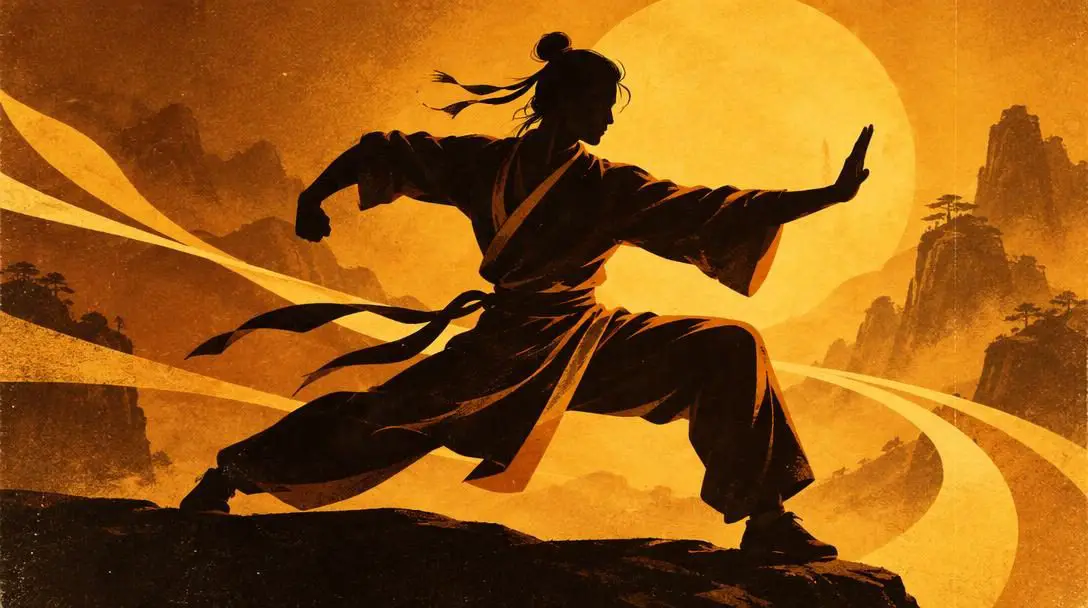
Bruce Lee remains the gold standard for global martial arts cinema. Emerging into prominence during the early 1970s, Lee captivated international audiences through films he starred in and often directed, most notably Way of the Dragon and Enter the Dragon. His blinding speed, screen presence, and philosophical depth transformed how martial arts were perceived in the West, igniting an interest in combat training that spans generations.
Lee's meteoric ascent was tragically cut short when he died on July 20, 1973, at just 32 years of age due to cerebral edema. Despite his brief life, Lee served as an indispensable cultural bridge between Hollywood and East Asia. His work fundamentally dismantled existing stereotypes regarding Asian men in Western media, paving the way for future generations of international performers.
Jackie Chan
- Birthplace & year: British Hong Kong, 1954
- Key American films: Rush Hour, Shanghai Knights
- Major honor: 2016 Academy Honorary Award (Oscars)
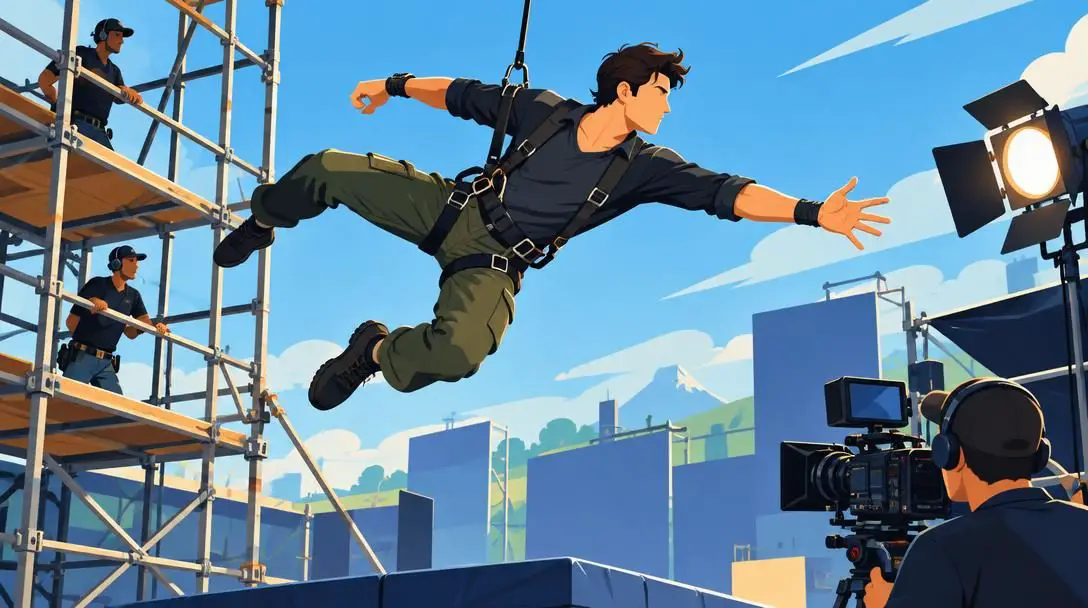
Born in British Hong Kong in 1954, Jackie Chan entered the film industry during the 1960s and gradually established himself as one of the most inventive physical performers in cinema history. Rather than simply mimicking the fierce intensity of Bruce Lee, Chan pioneered a distinct blend of slapstick comedy, acrobatic timing, and death-defying stunts, performing his own practical action sequences without stunt doubles.
At his commercial peak, Chan ranked among the highest-paid actors in the world. He cemented his mainstream Hollywood standing through blockbuster action-comedies such as the Rush Hour franchise alongside Chris Tucker and Shanghai Knights with Owen Wilson. Chan's career was celebrated globally in 2016 when he received an Academy Honorary Award at the Oscars. Furthermore, his enduring influence is immortalized by the Shanghai International Film Festival, which established an action film award named in his honor.
Chow Yun-Fat

- Birthplace: British Hong Kong
- Hollywood debut: The Replacement Killers (1998)
- Career volume: Approximately 100 films
Rising from humble beginnings that included various odd jobs, Chow Yun-Fat transitioned into acting during the 1970s. By delivering charismatic performances across television series and cinematic features, he rapidly became a household name across China. Although he weathered an industry setback during the 1980s, Chow revitalized his career through genre-defining heroic bloodshed and crime films, eventually capturing the attention of American producers.
Chow officially launched his Hollywood journey in 1998 with The Replacement Killers, bringing a sophisticated, effortlessly cool aura to Western screens. He followed this with the 1999 crime thriller The Corrupter, starring alongside Mark Wahlberg, and later took on leading duties in 2003's Bulletproof Monk. Having earned more than a dozen major acting awards in China throughout a filmography spanning roughly 100 motion pictures, Chow demonstrated that Asian leading men could bring suave, dramatic gravitas to American theater screens.

Jet Li
- Birthplace & year: Beijing, 1963
- Feature film debut: Shaolin Temple (1982)
- Key American films: Lethal Weapon, Romeo Must Die, Kiss of the Dragon
Born in Beijing in 1963, Jet Li spent his youth mastering Chinese martial arts, winning national championships in Wushu before translating his physical genius to the big screen. Li made an instant splash as a teenager in 1982's Shaolin Temple, which launched him into domestic superstardom. He further solidified his legendary status across East Asia through acclaimed epics such as Once Upon a Time in China and Fist of Legend.
By the late 1990s, Hollywood came calling. Li introduced himself to Western audiences in high-profile projects, beginning with an electrifying villainous turn in Lethal Weapon, followed by leading roles in Romeo Must Die, Cradle 2 the Grave, Kiss of the Dragon, and Unleashed. Even though Li selectively declined several high-profile American scripts at the height of his career, his crisp, explosive Wushu execution left a permanent mark on American action cinema.
Yao Ming

- Physical stature: 7-foot-6
- NBA Draft: 2002, 1st overall pick (Houston Rockets)
- Career averages: 19 points, 9.2 rebounds, 1.9 blocks per game
- Leadership role: Named President of Chinese Basketball Association (2017)
Standing 7-foot-6, Yao Ming was a literal and figurative giant in professional athletics. After demonstrating his dominance with the Shanghai Sharks, Yao became the focal point of the sports world when he entered the 2002 NBA Draft. Selected first overall by the Houston Rockets, his arrival served as an unprecedented bridge between the world's most populous nation and the premier basketball league on the planet.
Yao quickly disproved critics who doubted his athleticism, earning eight All-Star selections and five All-NBA honors while averaging 19 points, 9.2 rebounds, and 1.9 blocks per game. Although chronic foot and ankle injuries shortened his playing career, his athletic impact earned him an induction into the Basketball Hall of Fame. In 2017, Yao's sporting journey came full circle when he was named President of the Chinese Basketball Association, cementing his status as an executive and cultural pioneer.
Historical Barriers in Cross-Cultural Entertainment
The journey for Asian performers entering the American mainstream was historically characterized by systemic gatekeeping. Throughout much of the twentieth century, Hollywood studios rarely envisioned East Asian talent as viable romantic leads, franchise protagonists, or bankable headliners. When Asian characters did appear in major studio releases, they were frequently written as one-dimensional caricatures or cast using non-Asian performers in heavy makeup.
The breakthrough occurred not through traditional casting calls, but via specialized performance disciplines. Martial arts and physical performance offered a visual narrative format that bypassed the need for complex, native English dialogue to captivate theatergoers. The kinetic virtuosity displayed by performers like Bruce Lee, Jackie Chan, and Jet Li was impossible for Western studios to fabricate using domestic talent.
Physical mastery and comedic timing provided a universal visual vocabulary that crossed cultural divides long before studio scripts caught up.
In athletics, the dynamic carried similar skepticism. American basketball analysts initially questioned whether an international center could handle the sheer physical intensity and grueling travel schedules of the NBA. Yao Ming carried the expectations of two continents every time he stepped onto the court, proving that world-class skill and poise could triumph over intense media scrutiny.
The Mechanics of International Crossover Stardom
Replicating stardom across completely different media landscapes is rarely an accident. When examining how these five icons achieved broad appeal in the United States, several clear patterns emerge:

- Domestic supremacy: None of these performers crossed over as novices. Each had already achieved undisputed dominance in their home market, providing the career leverage required to secure favorable contracts abroad.
- Universal physical appeal: Physical storytelling, whether through martial arts choreography or athletic prowess, acts as an international language that connects with audiences immediately.
- Strategic co-star alignment: Hollywood studios regularly paired incoming international figures with charismatic, established American stars, creating dynamic ensemble chemistry that felt accessible to domestic moviegoers.
- Distinctive personal identity: Rather than abandoning their cultural roots, successful icons leaned into their authentic personas, offering audiences something fresh that could not be found in conventional Western casting pools.
Practical Framework for Crossing Over into Western Markets
For international talent aiming to build a career in Hollywood or American professional sports, success requires strategic planning, disciplined market adaptation, and protective career management.
- Build an unassailable domestic foundation: Establish undeniable market value, awards, and commercial viability in your home territory before seeking international representation.
- Develop cross-cultural communication skills: While initial breakthroughs often rely on physical gifts, long-term career longevity demands language proficiency and an understanding of Western media dynamics.
- Assemble bi-coastal representation: Retain management and legal teams that actively coordinate between domestic and Western markets, preventing conflicting obligations and legal missteps.
- Select entry projects with care: Prioritize introductory roles that showcase unique signature strengths while avoiding harmful cultural caricatures.
- Cultivate a direct public persona: Use media appearances, press tours, and promotional engagements to highlight personal warmth, humor, and humility to domestic audiences.
Common Pitfalls That Derail Global Careers
Crossing borders involves substantial risk, and many celebrated performers have failed to sustain momentum after their initial Western breakthroughs. Several recurring pitfalls threaten cross-border careers:
- Accepting reductive or stereotypical roles: Eager to gain traction in American studios, performers sometimes agree to poorly written roles that reinforce antiquated tropes, alienating fans both at home and abroad.
- Abandoning the domestic base: Dedicating multiple years solely to foreign projects can weaken a performer's foothold in their home market, leaving them vulnerable if American releases fail commercially.
- Ignoring physical wear and tear: Performers who build their brands on high-risk practical stunts or elite athletic competition face rapid career decline if they fail to adapt their workloads over time.
- Misunderstanding production protocols: Navigating foreign labor laws, union guidelines, and unfamiliar studio hierarchies requires careful preparation to avoid industry disputes.
The Shifting Future of Global Celebrity
The entertainment landscape has evolved dramatically since Bruce Lee first graced American movie screens. Today, the mechanics of crossover fame are changing due to structural shifts in global distribution and audience consumption.
Global streaming services now deliver East Asian productions directly to Western households without traditional theatrical bottlenecks. Performers no longer need to relocate to Los Angeles or work exclusively in English-language productions to achieve international visibility. Viewers across the world routinely consume subtitled and dubbed international television, normalizing cross-border fandom.
Simultaneously, the enormous commercial scale of the Chinese box office has transformed international casting. Hollywood studios increasingly approach overseas talent not as novelties, but as essential partners for global box-office viability. As storytelling continues to diversify, Asian performers are increasingly cast in multifaceted, leading dramatic roles rather than being limited purely to martial arts action or novelty parts.
Frequently asked questions
Who was the first Chinese celebrity to achieve major crossover fame in the United States?
Bruce Lee was the foundational pioneer who broke into the American cultural consciousness during the early 1970s. Through films like Way of the Dragon and Enter the Dragon, he revolutionized action cinema and established an enduring global fascination with martial arts.
What major Hollywood honor did Jackie Chan receive for his career achievements?
In 2016, Jackie Chan received an Academy Honorary Award at the Oscars in recognition of his worldwide film achievements and his legendary commitment to performing his own action stunts and comedy choreography.
Which American film marked Chow Yun-Fat's Hollywood debut?
Chow Yun-Fat officially made his Hollywood feature film debut in the 1998 action thriller The Replacement Killers, before appearing alongside Mark Wahlberg in 1999's The Corrupter.
What were Yao Ming's career statistics in the NBA?
Over the course of his professional tenure with the Houston Rockets, Yao Ming averaged 19 points, 9.2 rebounds, and 1.9 blocks per game, earning eight All-Star selections before entering the Basketball Hall of Fame.
Why did martial arts serve as the primary vehicle for early crossover stars?
Martial arts choreography provides a universal visual language that conveys narrative tension, humor, and physical mastery without depending entirely on dialogue comprehension, enabling international stars to captivate Western audiences directly.
The bottom line
The enduring success of Bruce Lee, Jackie Chan, Chow Yun-Fat, Jet Li, and Yao Ming reflects an extraordinary confluence of physical genius, career strategy, and cultural perseverance. Operating in an era when Western media offered few avenues for Asian representation, each figure carved out an indelible legacy by showcasing abilities that simply could not be ignored.
As media distribution flattens global borders and entertainment audiences demand richer, more varied narratives, the paths forged by these five pioneers continue to guide international talent. Their careers proved that true star power does not belong to any single language, culture, or continent—it belongs to those whose craft speaks universally.