5 Great Magicians Most People Haven’t Heard Of
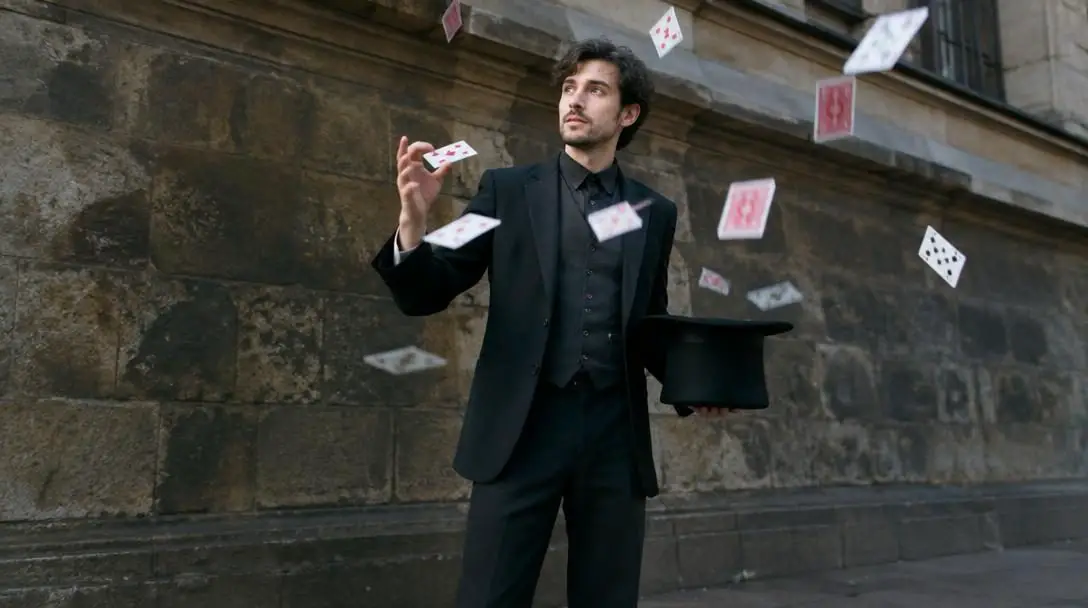
When modern audiences think of stage magic, a small group of celebrated names instantly comes to mind. Contemporary spectators recognize headliners like Penn & Teller, David Copperfield, and David Blaine, while historical conversations almost invariably center on Harry Houdini. Yet the art of illusion rests upon an intricate genealogy that extends far beyond the few figures who remain household names today. The foundations of modern stage magic were forged across street venues, vaudeville circuits, massive traveling spectacles, and early television broadcasts.
Between the late nineteenth century and the mid-twentieth century, stage illusions underwent a dramatic transformation. Performers elevated magic from itinerant sideshow novelties into elaborate theatrical productions that traveled across the country in entire rail cars loaded with machinery, complex stage props, and precise optical devices. During this golden age, visionary performers established the principles of sleight of hand, grand apparatus design, and psychological misdirection that contemporary illusionists continue to refine. Acknowledging these overlooked pioneers restores essential perspective to performance history, revealing how modern entertainment owes its existence to five forgotten masters.
Key takeaways
- Modern stage illusion traces its lineage to touring theatrical pioneers who built massive multi-car rail productions between the late nineteenth and mid-twentieth centuries.
- Groundbreaking artists like Howard Thurston and Harry Kellar established foundational card manipulation techniques and daring grand illusions that directly shaped performers like Harry Houdini.
- Visionaries such as Adelaide Herrmann shattered gender boundaries in theatrical management, while Richiardi Jr. and P.C. Sorcar brought visceral shock illusions and international spectacle to global audiences.
- Studying historical magic reveals that today's high-tech entertainment relies on the same core principles of manual dexterity, mechanical engineering, and psychological misdirection developed generations ago.
At a glance: five forgotten pioneers of stage illusion
While mainstream historical discussions routinely focus on Houdini, the five illusionists below established many of the fundamental techniques, theatrical formats, and dramatic staging concepts still utilized across contemporary entertainment.
| Magician | Historical Era & Lifespan Detail | Signature Focus | Key Historical Milestone |
|---|---|---|---|
| Howard Thurston | Late 19th to early 20th century (died over 80 years ago) | Card manipulation and massive stage spectacle | Assembled the largest traveling illusion show in the United States |
| Adelaide Herrmann | Late 19th century to 1932 (died in 1932) | Acrobatic illusion and solo company leadership | Celebrated as the "Queen of Magic," leading her production independently |
| Harry Kellar | 19th to early 20th century (died over 100 years ago) | Sleight of hand and shock illusions like self-decapitation | Mentored Harry Houdini, who hailed him as the greatest of all time |
| Richiardi Jr. | Mid-20th century (died September 1985) | Visceral shock magic and high-tension dramatics | Pioneered intense shock illusions on national television programs like The Ed Sullivan Show |
| P.C. Sorcar | 1930s through 1971 (died in 1971) | Global touring spectacles and the Floating Lady | Achieved status as India's most famous magician and an international icon |
Five masters who revolutionized the art of illusion
Each of these performers introduced vital technical innovations, structural staging principles, and performance styles that permanently reshaped live theater. Their achievements demonstrate how diverse and daring stage magic was long before the advent of digital special effects.
Howard Thurston
- Origin: Ohio resident who ran away to join the circus as a young child
- Specialty: Sleight of hand, master card tricks, and massive stage spectacles
- Legacy: Published foundational instructional books; died over eighty years ago
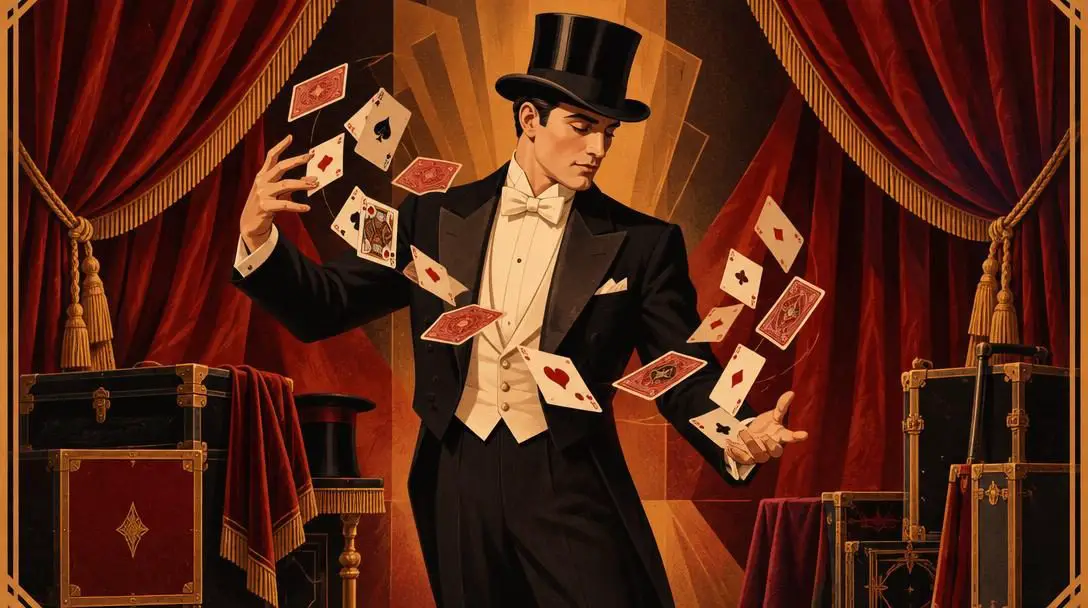
Before assembling what became the most sprawling stage production in the country, Howard Thurston began his journey by running away from home as a young child to join the circus. The Ohio native applied relentless discipline to the study of manual dexterity, rapidly earning a reputation as an unparalleled master of card manipulation. His refined sleight of hand allowed him to make cards appear, vanish, and float with effortless grace, baffling both casual spectators and seasoned theatrical peers.
As his career expanded, Thurston collaborated with leading contemporary figures in the magic world and transitioned his act into a grand touring spectacle. His traveling production grew to become the largest illusion show of its kind in the United States, utilizing entire train cars to transport an astonishing array of scenic drops, intricate mechanical props, and trained assistants. Contemporary critics and audiences widely recognized him as the greatest magician of his era. Although Thurston died over eighty years ago, his influence endures: aspiring magicians still study his published books to master the foundational basics of card handling and manual dexterity.
Adelaide Herrmann
- Title: The "Queen of Magic"
- Background: Acrobatics and physical stagecraft
- Career Milestone: Headed her own premier touring company until her death in 1932
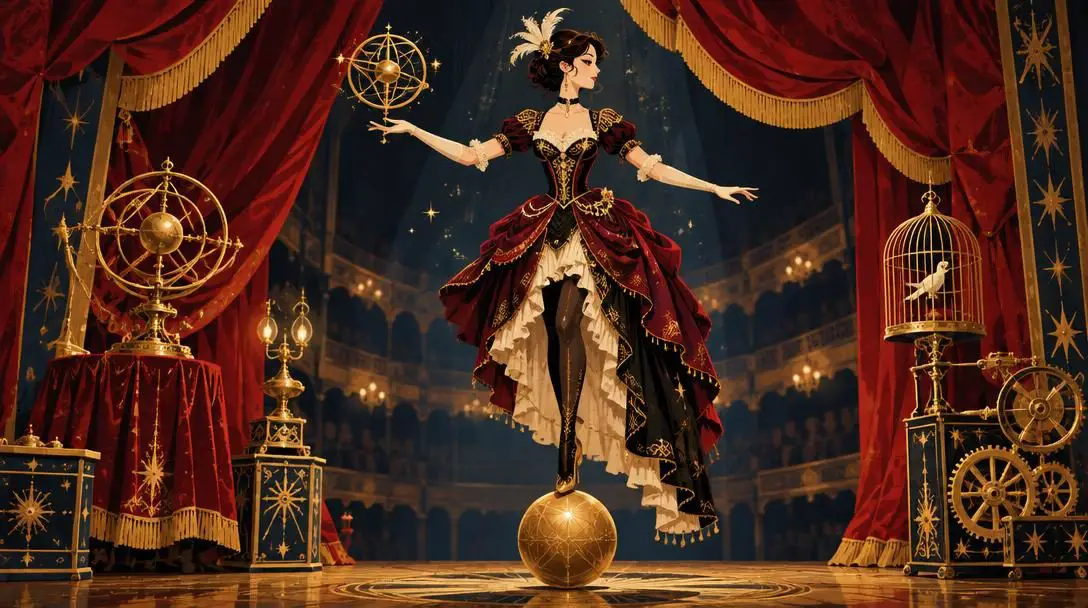
Known across the theatrical circuit as the "Queen of Magic," Adelaide Herrmann carved an extraordinary legacy in an entertainment industry overwhelmingly dominated by men. Early in her stage career, Herrmann developed elite expertise in acrobatics, a discipline that bestowed her with unmatched physical grace, balance, and spatial control. She combined this athletic prowess with a rigorous study of stage deception, initially performing alongside her husband, Alexander Herrmann—the world-famous headliner known as "Herrmann the Great."

When Alexander died suddenly, many expected the lavish traveling production to fold. Adelaide Herrmann refused to step aside. Instead, she took absolute command of the company, serving as both lead illusionist and show director. She toured the United States for decades, presenting daring physical feats and intricate grand illusions to packed theaters. Her command of stage presence and physical poise set an unprecedented benchmark for female illusionists, and she continued performing nearly right up until her death in 1932.
Harry Kellar
- Historical Era: Dominant American illusionist before the rise of Harry Houdini
- Key Illusions: Sleight of hand and dramatic self-decapitation
- Historical Link: Served as a revered mentor to Harry Houdini
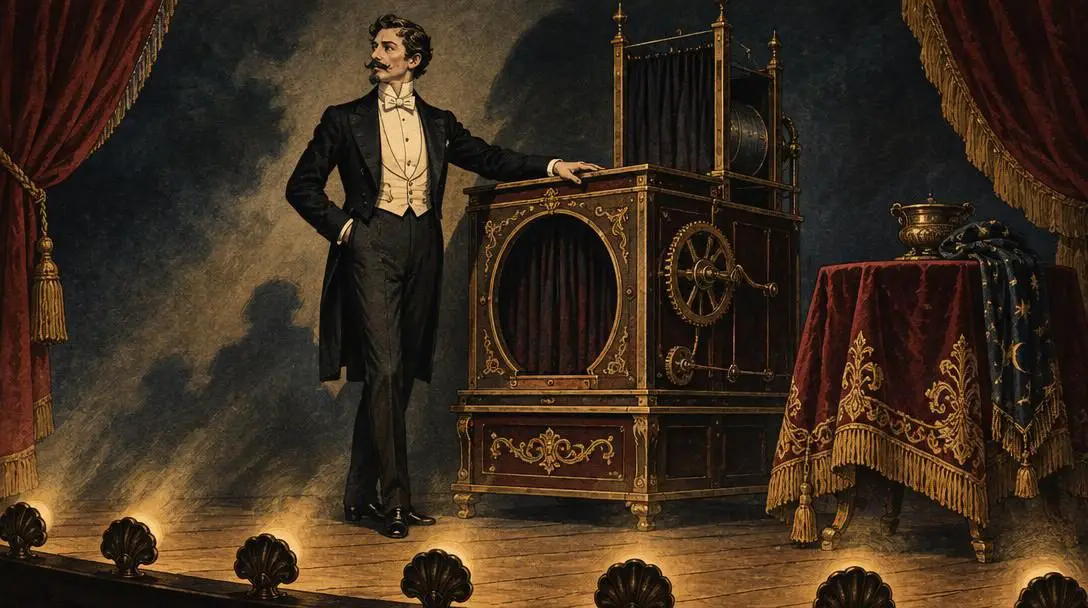
Long before Harry Houdini became a global cultural icon, Harry Kellar reigned supreme as the premier American magician of the late nineteenth and early twentieth centuries. Kellar combined polished, gentlemanly sleight of hand with theatrical presentations designed to elicit genuine awe and shock. Among his most celebrated stage feats was an illusion depicting his own self-decapitation, a daring routine that astonished theatergoers unaccustomed to such macabre stage mechanics.
Kellar played a pivotal role behind the scenes as a mentor and father figure to Harry Houdini. The younger escape artist admired Kellar immensely, absorbing his technical insights on stagecraft, audience management, and tour organization. When Kellar finally retired from the stage, Houdini publicly sung his mentor's praises, officially declaring him the greatest magician of all time. More than a century has passed since Kellar's death, causing his name to fade from popular memory, yet the technical standards he established remain embedded in contemporary performance magic.
Richiardi Jr.
- Real Name: Aldo Izquierdo
- Performance Style: Revolutionary shock magic and visceral stage drama
- Media Presence: Frequent performer on The Ed Sullivan Show; died in September 1985
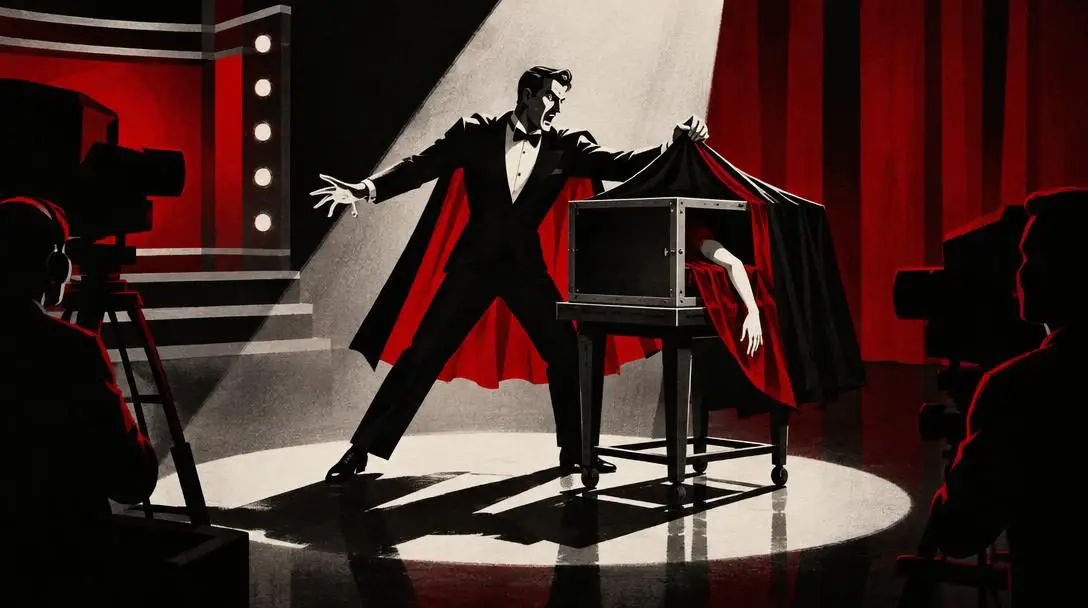
Born Aldo Izquierdo, the performer known professionally as Richiardi Jr. shattered the polite, drawing-room conventions of mid-twentieth-century magic. Rather than presenting illusions as charming parlor novelties or whimsical stage puzzles, Richiardi Jr. pioneered a visceral, high-tension brand of shock magic. His routines placed heavy emphasis on dramatic realism, presenting illusions such as sawing a person in half with chilling seriousness, intense musical cues, and theatrical blood that left audiences questioning what was real.
Richiardi Jr. achieved widespread national prominence during the golden age of television entertainment, delivering electrifying appearances on The Ed Sullivan Show. His intense pacing and theatrical commitment revolutionized how audiences experienced stage illusions, moving the art form into darker, more immersive territory. Although he passed away in September 1985 and is rarely mentioned in casual conversation today, his work profoundly shaped modern shock illusionists. Contemporary superstars like Criss Angel cite Richiardi Jr. as one of the absolute best performers in magic history.
P.C. Sorcar

- Full Name: Protul Chandra Sorcar
- Global Status: Most famous magician from India; international touring icon
- Signature Routine: The celebrated Floating Lady; died in Japan in 1971
Hailed as the most famous magician to emerge from India, P.C. Sorcar (Protul Chandra Sorcar) transformed traditional Indian stage performance into a global phenomenon. Beginning his extensive world tours in the 1930s, Sorcar was a bold, charismatic showman who unabashedly proclaimed himself the greatest magician in the world. His elaborate touring company presented breathtaking visual spectacles that blended intricate Eastern theatrical aesthetics with sophisticated mechanical stagecraft.
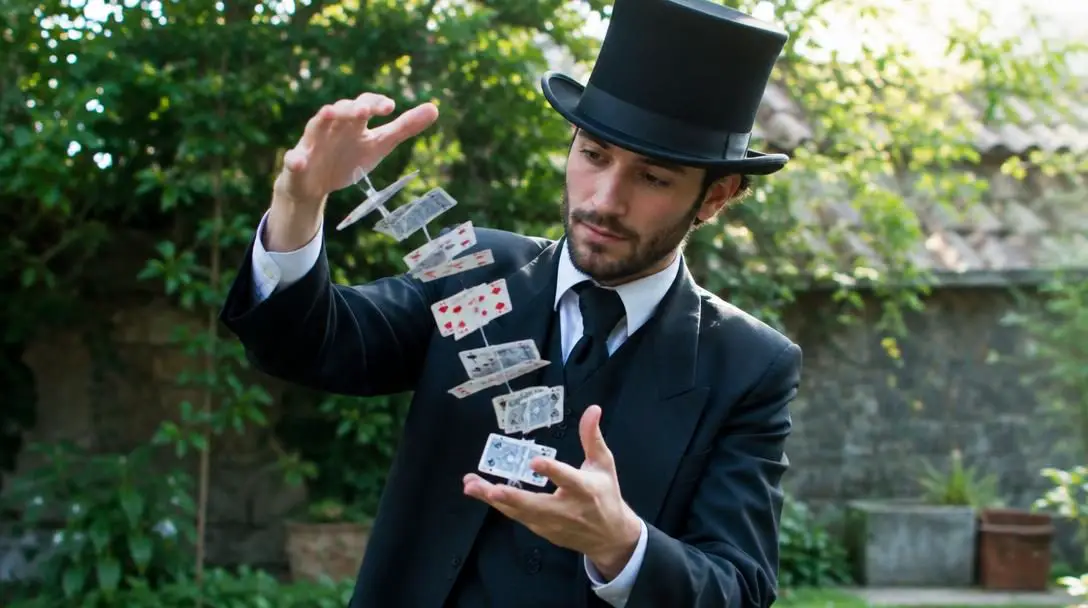
Sorcar developed a special connection with audiences in Japan, where he staged major, highly publicized performance runs. Central to his repertoire was his world-famous rendition of the Floating Lady illusion, which left international audiences spellbound. Sorcar died of a sudden heart attack while touring in Japan in 1971. Because his untimely passing occurred just before the dawn of modern international television syndication, his extraordinary stage work was never broadcast widely into Western living rooms, causing his remarkable legacy to dim outside the global magic fraternity.
While names may fade from casual conversation, the foundational mechanics engineered by forgotten masters remain alive on modern stages every day.
The core principles behind historical stagecraft
The awe-inspiring effects created by Thurston, Herrmann, Kellar, Richiardi Jr., and Sorcar were not the result of mystical secrets, but of rigorous mechanical engineering, intense physical conditioning, and an acute understanding of human psychology. Their performances operated on five distinct structural pillars:
- Sleight of Hand: Fine motor skills, finger dexterity, and conditioned hand positioning allow a performer to manipulate playing cards, coins, and small accessories invisibly. Masters like Thurston and Kellar used manual card flourishes to establish immediate credibility before transitioning to giant apparatus acts.
- Mechanical Engineering and Stage Construction: Grand illusions require sophisticated engineering. Disappearing acts, levitations, and decapitation illusions depend upon concealed steel supports, optical sightline masks, counterweights, and false compartments built seamlessly into stage floors and furniture.
- Misdirection and Psychological Framing: Human vision and cognitive focus cannot process two complex stimuli simultaneously. Magicians exploit this limitation by directing conscious attention toward a bold, secondary action while the secret primary movement occurs unobserved in plain sight.
- Theatrical Showmanship and Shock: As Richiardi Jr. proved, technical execution falls flat without narrative tension. Dramatic lighting, deliberate dramatic pauses, visceral props, and high-stakes framing convince the audience's subconscious that an extraordinary event is genuinely taking place.
- Acrobatic and Physical Control: Large-scale illusions frequently demand extraordinary physical flexibility, balance, and core strength from the performer. Adelaide Herrmann utilized her background in acrobatics to execute complex body concealments and rapid stage transitions with total poise.
How to study classical illusion: practical steps
For performers and historians seeking to build real competence in the art of illusion, replicating the discipline of the early masters requires structured practice. Follow these sequential steps to develop a grounded performance repertoire:
- Study Foundational Literature: Avoid rushing into complex commercial props. Begin by reading classic foundational texts, including the published works left behind by Howard Thurston, to master core concepts of hand positioning, card control, and structural presentation.
- Drill Daily Sleight of Hand: Dedicate regular practice sessions to fundamental manual mechanics. Rehearse single techniques—such as clean card palming, false cuts, and smooth object transfers—until they can be executed purely by muscle memory without glancing at your hands.
- Incorporate Physicality and Movement: Emulate the stage discipline of Adelaide Herrmann by training your posture, body angles, and physical confidence. How an illusionist stands, addresses an auditorium, and handles props is just as critical to deception as the mechanical secret itself.
- Rehearse Angles Using Mirrors and Video: Perform routines in front of mirrors and multi-angle camera recordings. Historic illusionists spent months mapping sightlines to ensure that hidden compartments, mechanical frames, and secret grips remained invisible from every seat in the theater.
- Master the Pacing of Suspense: Analyze the theatrical delivery of shock illusionists like Richiardi Jr. Study how to build narrative tension slowly, giving the audience time to register the impossibility of a situation before executing the final reveal.
- Perform Live for Unforgiving Audiences: Transition from private practice to performing before live spectators. Real audiences reveal weak spots in misdirection, highlight unnatural movements, and teach you how to recover smoothly from unexpected occurrences.
Common mistakes when studying historical magic
Modern students of magic frequently fall into common technical and conceptual traps that impede their growth and diminish their appreciation for historical stagecraft:
- Prioritizing the Secret Over Showmanship: Beginners often obsess over the secret method behind an illusion while ignoring stage presence, vocal cadence, and narrative delivery. A brilliant mechanical method produces zero wonder if the presentation is lifeless.
- Skipping Foundational Basics: Novices frequently attempt elaborate stage illusions or shock routines before mastering basic sleight of hand. As Thurston's enduring instructional texts emphasize, true skill begins with manual fundamentals.
- Ignoring Historical Performance Precedents: Limiting study exclusively to contemporary television or online magicians cuts performers off from over a century of vital innovation pioneered by Kellar, Herrmann, and Sorcar.
- Neglecting Audience Sightlines: Failing to account for peripheral angles is a catastrophic error. An illusion that appears seamless from the front row can be entirely exposed to spectators seated in the balcony or side aisles.
- Rushing Through the Routine: Speed is the enemy of magical impact. When a performer rushes, the audience cannot fully absorb the initial premise, which diminishes the emotional shock when the impossible outcome occurs.
Frequently asked questions
Why did Harry Houdini overshadow contemporaries like Harry Kellar and Howard Thurston?
While Kellar and Thurston mounted massive, technically complex stage productions, Houdini revolutionized public relations by staging sensational outdoor escapes from bridges, cranes, and municipal buildings. These free public stunts captured front-page newspaper headlines worldwide, cementing Houdini in the cultural consciousness long after traditional vaudeville and touring theater circuits declined.
How did Adelaide Herrmann manage to tour successfully after her husband's death?
Adelaide Herrmann possessed deep athletic training as an acrobat and had spent years performing inside the Herrmann the Great touring production. Rather than selling off the company's equipment, she leveraged her physical poise, showmanship, and technical knowledge to take over the lead role, managing the entire production and touring successfully across the United States until her death in 1932.
What made Richiardi Jr.'s performance style so revolutionary for his time?
Richiardi Jr. pushed stage magic away from polite card tricks and whimsical parlor puzzles toward intense, visceral shock illusions. By staging routines like sawing an assistant in half with theatrical blood, high dramatic tension, and grave seriousness on broadcasts like The Ed Sullivan Show, he permanently altered audience expectations of stage drama.
Why is P.C. Sorcar less widely known in Western countries today?
Although P.C. Sorcar was an international icon who toured the globe extensively and achieved immense acclaim in Asia, particularly Japan, he died of a sudden heart attack in 1971. His passing occurred before the rise of global television syndication and widespread home video distribution, preventing his spectacular stage routines from being preserved in Western households.
Can modern magicians still learn useful techniques from Howard Thurston's books?
Yes. Howard Thurston's instructional writings focus on foundational principles of sleight of hand, proper finger placement, palming mechanics, and card manipulation. Because human perception and anatomy remain unchanged, the manual dexterity drills and presentation methods he published over eighty years ago remain just as effective for contemporary students.
The bottom line
Modern magic did not begin with modern television specials or stadium-filling arena tours. The spectacle of contemporary illusion is built directly upon the groundwork established by Howard Thurston, Adelaide Herrmann, Harry Kellar, Richiardi Jr., and P.C. Sorcar. These five masters developed the mechanical rigging, manual card manipulation, dramatic shock styling, and physical dexterity that continue to power modern entertainment. By looking past modern digital effects and rediscovering the rich history of classical stagecraft, audiences and performers alike gain a much deeper appreciation for the timeless art of the impossible.