5 Mobile Games That Had Viral Success
Every now and then, an application emerges that captivates audiences across the globe. These applications transition from recording modest numbers—perhaps only a few hundred downloads—to logging millions of downloads seemingly overnight. While rapid spikes in popularity can occur across various software genres, the titles that most frequently achieve this level of sudden viral success fall directly into the mobile games category.
The nature of mobile gaming has transformed smartphones into ubiquitous portable entertainment devices. Some mobile games are built around incredibly simplistic mechanics, prompting users of all ages to become devoted to making it as far through the challenges as they can. Other releases rely heavily on multiplayer functionality and deliver plain old fun that connects friends and strangers. While many viral sensations prove to be short-lived flashes in the pan that fade almost as quickly as they appear, others establish remarkable staying power, maintaining engagement long after the initial wave of discovery subsides.
Key takeaways
- Viral mobile sensations can stem from bare-bones arcade mechanics, complex social deduction, or expansive user-generated virtual worlds.
- External media platforms, including live Twitch broadcasts, have the power to revive catalog games years after their initial release.
- Augmented reality mechanics encourage real-world exploration and physical exercise by directly tying game progression to walking distance.
- High player engagement brings significant challenges, from managing microtransaction spending to addressing gameplay mechanics that feel excessively addictive.
At a glance: Five viral mobile gaming milestones
| Game | Developer / Studio | Initial Launch | Key Platforms | Primary Gameplay Format |
|---|---|---|---|---|
| Flappy Bird | .Gears (dotGears) / Dong Nguyen | 2013 | Mobile (App Store) | Arcade tap-to-fly hurdle avoidance |
| Candy Crush | King | 2012 | Facebook, iOS, Android, PC | Tile-matching puzzle |
| Pokémon Go | Niantic / The Pokémon Company | 2016 | iOS, Android | Location-based augmented reality |
| Among Us | Innersloth | 2018 | Mobile, PC, Consoles | Multiplayer social deduction |
| Roblox | Roblox Corporation | 2006 (Mobile 2012/2014) | PC, iOS, Android | User-generated game ecosystem |
5 standout mobile games that redefined viral gaming
Examining the history of mobile storefronts reveals standout titles that achieved monumental viral adoption. These five releases represent distinct milestones, demonstrating how unique control schemes, cultural timing, and social mechanics can capture global attention.
Flappy Bird

- Developer: Dong Nguyen (.Gears / dotGears)
- Initial Release: 2013
- Peak Daily Revenue: Reported $50,000 per day
- Milestone: Most downloaded mobile game of 2014
Flappy Bird is an arcade-style mobile title developed by Dong Nguyen through his independent studio, .Gears (also recognized as dotGears). Although the game originally launched quietly in 2013, it experienced a monumental rise in popularity throughout early 2014, transforming almost overnight into a worldwide sensation among both children and adults. Players found themselves captivated by the stark contrast between its simple one-tap control scheme and its unforgiving, punishing difficulty.
At the height of its viral run, Flappy Bird became the most downloaded mobile application of 2014. The game's explosive footprint generated a reported $50,000 per day through integrated advertising and sales. Yet, in an unprecedented move, Nguyen chose to voluntarily pull the title from app storefronts, citing an act of humanity because the game had become an intensely addictive product that created unintended distress for its audience.
Candy Crush

- Developer: King
- Launch Year: 2012 (Facebook), expanded later to mobile
- Core Mechanic: Match-three tile puzzle
- Monetization Model: Free-to-play with optional purchases
Originally introduced on Facebook in 2012 by developer King, Candy Crush quickly evolved into a global mobile gaming juggernaut. Following its web debut, King expanded the game to iOS, Android, and PC platforms, broadening its accessibility across every major consumer demographic. The game's broad aesthetic appeal, combined with approachable match-three puzzle mechanics, established a blueprint for modern casual gaming.
The core gameplay requires users to align vibrant candy tiles in horizontal or vertical lines of three, blocks of four, or specialized L-shaped formations. Each stage presents distinct completion objectives while gradually escalating in challenge. By delivering thousands of colorful, brain-teasing levels that players can pick up for minutes at a time, Candy Crush turned casual puzzle solving into a durable, evergreen habit for millions worldwide.
Pokémon Go
- Key Innovation: GPS-enabled augmented reality
- Core Demographic: Youth and millennials
- Progression Mechanic: Real-world distance tracking
- Social Function: Community exploration and meetups
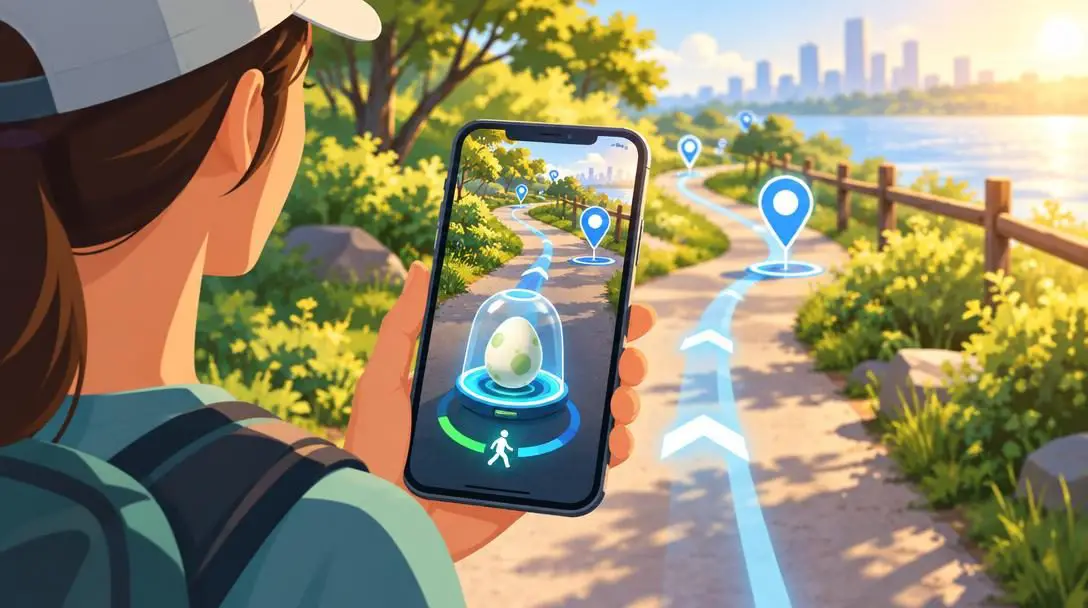
Pokémon Go stands as one of the most visible cultural phenomena of the modern smartphone era. By merging the beloved fantasy of discovering and catching fantastical creatures with real-world geographic data, the game mobilized players across neighborhoods, parks, and city centers. It resonated strongly with youth and millennials who grew up with the franchise, generating massive outdoor gatherings during its initial launch wave.
A central gameplay loop ties digital advancement directly to physical exercise. For example, players acquire digital eggs that require walking specific real-world distances—measured through device hardware and GPS—before they will hatch into new creatures. This structure provides direct incentives for active movement while establishing an interactive medium where players naturally connect with local communities during outdoor play.
The nature of mobile gaming has transformed smartphones into ubiquitous portable entertainment devices capable of turning obscure indie projects into global phenomena overnight.
Among Us
- Developer: Innersloth
- Initial Release: 2018
- Creative Roots: Mafia party game (1980s) and The Thing
- Expansion: Mobile to PC and home consoles
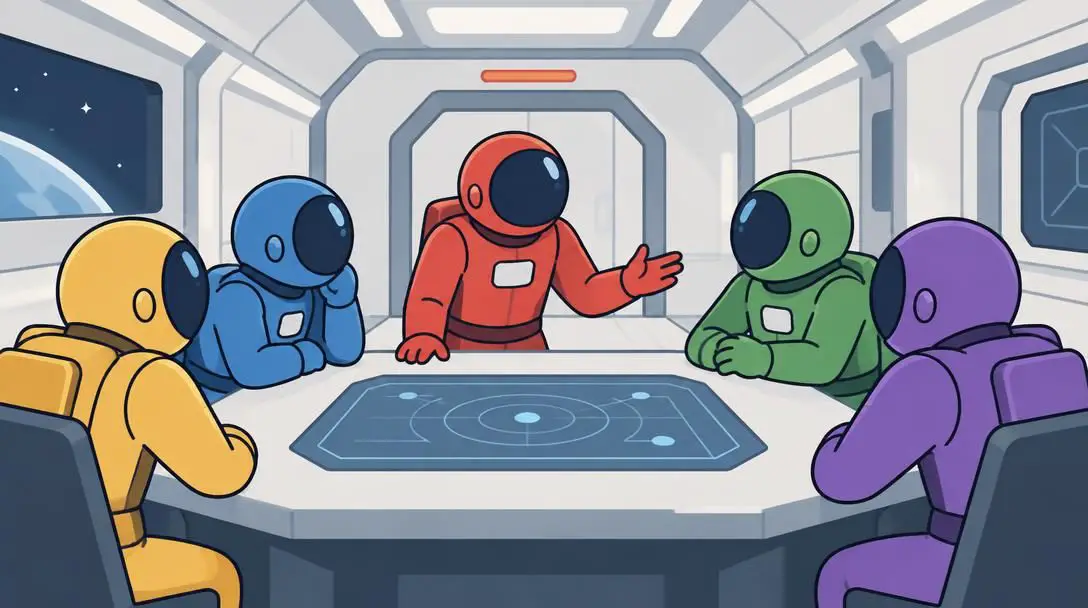
Created by indie studio Innersloth, Among Us is a multiplayer social deduction game that initially arrived on mobile platforms in 2018 before expanding to personal computers and home gaming consoles. The game's foundational concept draws direct creative inspiration from the traditional 1980s party game Mafia, alongside the suspenseful atmosphere of the classic sci-fi thriller The Thing. Players work together to complete maintenance tasks aboard a spaceship while secretly attempting to identify hidden impostors among the crew.
Despite experiencing modest initial download numbers, Among Us witnessed a staggering surge in viral popularity during 2020. Prominent creators on streaming platforms like Twitch began broadcasting their multiplayer matches to hundreds of thousands of viewers. As audiences sought digital avenues for social connection during pandemic lockdowns, the game’s blend of deduction, deception, and emergency meetings became an inescapable pop-culture staple.
Roblox
- Developer: Roblox Corporation
- Debut: 2006 (PC), 2012 (iOS), 2014 (Android)
- Internal Currency: Robux
- Demographic Reach: Estimated half of all American children
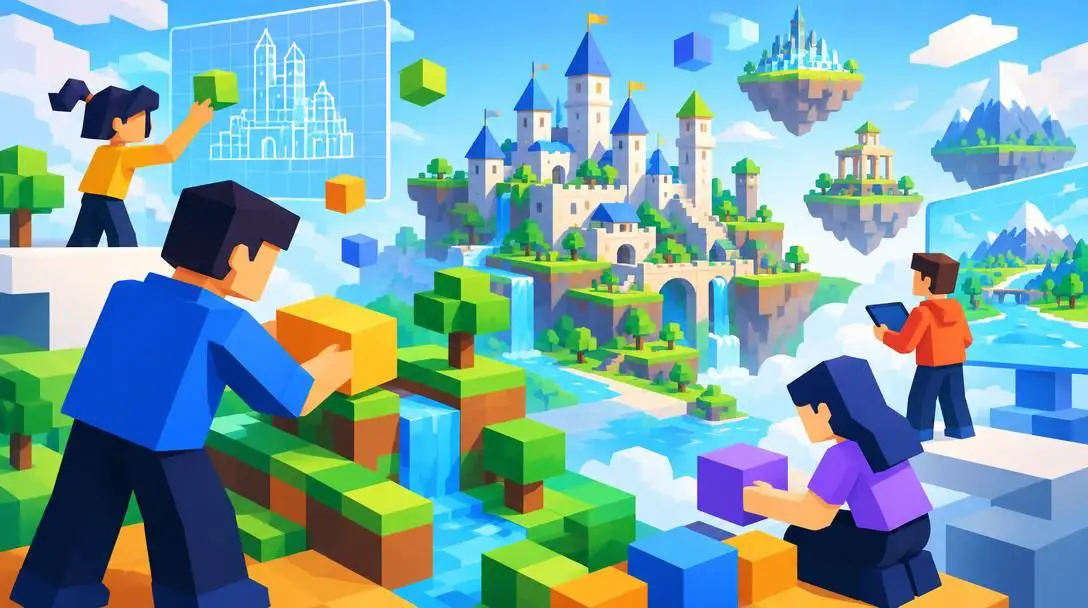
Developed by the Roblox Corporation, Roblox began its journey as a personal computer platform in 2006 before transitioning to mobile ecosystems in 2012 and 2014. Rather than existing as a single standalone title, Roblox operates as an expansive virtual sandbox and game creation system. It offers players access to millions of distinct experiences, spanning musical stages, puzzle adventures, role-playing simulations, and community social spaces.
The platform relies on a free-to-play framework powered by its virtual economy, which operates through the proprietary digital currency known as Robux. Today, Roblox represents an enormous cultural fixture among young audiences, with estimates indicating that half of all children in America actively play on the platform. By empowering independent developers to build and monetize their own interactive software, the platform maintains a constantly refreshed catalog of experiences.
How viral mechanics capture global attention
Behind the unpredictable nature of mobile trends lies a series of deliberate design choices. Game developers and software engineers implement specific engagement loops that remove friction, foster shared experiences, and encourage players to recruit their social circles organically.
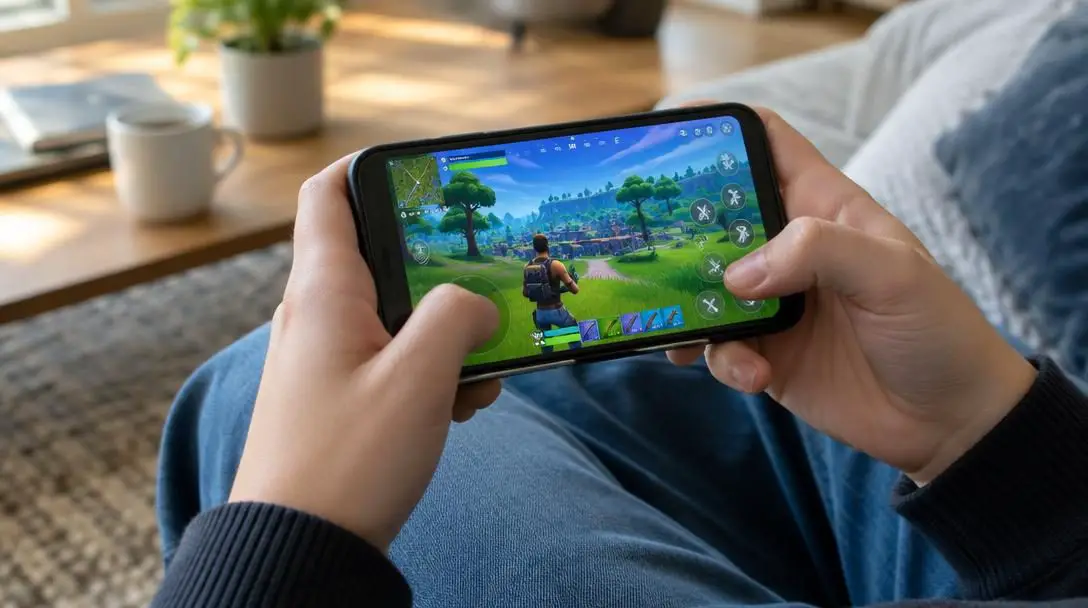
- Instant, frictionless onboarding: Viral games often feature mechanics that players can understand in seconds. In arcade titles like Flappy Bird or matching puzzles like Candy Crush, basic taps and swipes replace complex controller inputs, allowing users of any skill level to participate immediately.
- Blending digital mechanics with physical reality: Augmented reality games like Pokémon Go leverage smartphone hardware, such as GPS sensors, to transform daily walking routines into tangible in-game progress. Hatching eggs by walking set distances directly integrates physical activity into gameplay.
- High-stakes social discussion: Social deduction titles like Among Us shift the primary fun from on-screen actions to human dialogue. The true gameplay takes place in the debates, alibis, and votes exchanged between rounds, transforming everyday communication into suspenseful play.
- Decentralized user-generated content: Platforms such as Roblox do not depend solely on an internal design studio for updates. By providing intuitive game development toolsets to their community, they foster an ever-evolving marketplace of games that continually adapts to new trends.
- Spectator appeal and live streaming: When a game creates funny, dramatic, or tense situations, it thrives on streaming services. Broadcasters playing Among Us transformed interactive rounds into spectator drama, motivating viewers to download the software and join the community themselves.
Practical steps for navigating viral game trends
Whether exploring a trending title for personal entertainment or helping younger family members engage safely, following a methodical routine ensures that the experience remains fun, safe, and financially sustainable.
- Research cross-platform availability: Check which hardware ecosystems support the game. While some viral sensations are exclusive to mobile app storefronts, others allow cross-play between mobile phones, desktop computers, and home consoles.
- Review internal monetization structures: Examine the game's in-app purchasing model before playing. Many free-to-play titles feature integrated storefronts or proprietary currencies, such as Robux in Roblox, which can lead to rapid spending if not monitored.
- Configure account privacy and communication controls: When engaging with multiplayer titles or user-generated hubs, check the default privacy settings. Ensure account options restrict unauthorized direct messaging, particularly when children are participating in open online environments.
- Set system-level screen time limits: Fast-paced reward loops and high-difficulty arcade challenges can easily cause players to lose track of time. Use device-level timers or schedule fixed intervals to prevent sessions from interfering with other daily activities.
- Stay aware of real-world surroundings: When using location-based software like Pokémon Go, always stay alert to ambient foot traffic, motor vehicle roadways, and physical property boundaries while tracking creatures or tracking walking distances.
Frequent pitfalls to avoid with trending games
The speed at which mobile games gain popularity can lead players and parents into avoidable traps. Being aware of common oversights makes it much easier to avoid security headaches, unbudgeted expenses, and digital fatigue.
- Leaving in-app purchases unprotected: Failing to require a password or biometric verification for in-app microtransactions can result in accidental credit card charges, especially when younger users navigate virtual stores.
- Installing unverified third-party clones: When trending titles are removed from official app stores or hit peak fame, fraudulent copies often surface online. Downloading unverified setup packages can expose your phone to malware or account theft.
- Neglecting chat moderation settings: Entering massive online multiplayer hubs without reviewing communication tools can expose younger players to unwanted text or voice chats from strangers.
- Overlooking addictive design loops: Games that feature escalating frustration or repetitive attempt cycles can quickly transition from casual fun into stressful compulsions. Recognize when an app stops delivering genuine enjoyment and step away.
Looking forward: What determines long-term survival?
The mobile marketplace will inevitably continue to spawn sudden cultural sensations. However, looking at past viral hits reveals clear dividing lines between titles that fade away as quick fads and those that build decades-long legacies.
A primary factor is community longevity versus novelty. Titles that rely strictly on a single frustrating gimmick often lose player interest once the initial cultural curiosity subsides. By comparison, platforms that accommodate ongoing creative updates, fresh game modes, or user-generated content retain active player bases year after year.
Furthermore, cross-platform expansion plays a pivotal role. Games like Among Us and Roblox that successfully transitioned across personal computers, smartphones, and consoles unlocked broader audiences, insulating themselves from platform-specific shifts. Finally, developers face growing expectations regarding responsible design, meaning studios must balance monetization ethics, child protection safeguards, and community moderation as their daily user bases climb into the tens of millions.
Frequently asked questions
Why did the creator of Flappy Bird remove the game from app stores?
Developer Dong Nguyen chose to take down Flappy Bird in early 2014, citing an act of humanity. He explained that the title had become intensely addictive, creating an unhealthy compulsion for players that contradicted its intended purpose as a simple, relaxing challenge.
How did Among Us achieve viral success years after it originally launched?
Although Innersloth released Among Us in 2018, it went viral in 2020 after high-profile Twitch streamers began broadcasting matches. The game's suspenseful social deduction mechanics served as engaging spectator entertainment and offered people a fun way to socialize virtually during pandemic lockdowns.
What creative inspirations led to the creation of Among Us?
Innersloth developed Among Us by drawing inspiration from two main sources: the traditional party game Mafia, originally conceived in the 1980s, and the sci-fi horror film The Thing, which centers around paranoia and hidden threats within an isolated crew.
How does Pokémon Go integrate physical exercise into its gameplay?
Pokémon Go links digital milestones to real-world movement using smartphone GPS data. For example, players obtain virtual eggs that hatch into new Pokémon only after the user walks specific physical distances, encouraging real-world exploration and active exercise.
How large is Roblox's audience among young players?
Roblox has become an enormous digital platform, with estimates indicating that half of all children in America are active users. Its ecosystem offers thousands of user-created games supported by an internal virtual economy based around the currency Robux.
The bottom line
The viral mobile gaming landscape shows how quickly simple concepts can transform into worldwide phenomena. From the punishing arcade taps of Flappy Bird and the sweet puzzles of Candy Crush to the physical exploration of Pokémon Go, the deceptive debates of Among Us, and the sprawling creative universe of Roblox, mobile games continue to shape modern social interactions. By understanding the engagement loops that drive these titles, configuring privacy and purchasing safeguards, and balancing screen time, players of all ages can enjoy the very best that trending mobile entertainment has to offer.