5 Most Creative Roblox Games You Might Have Missed
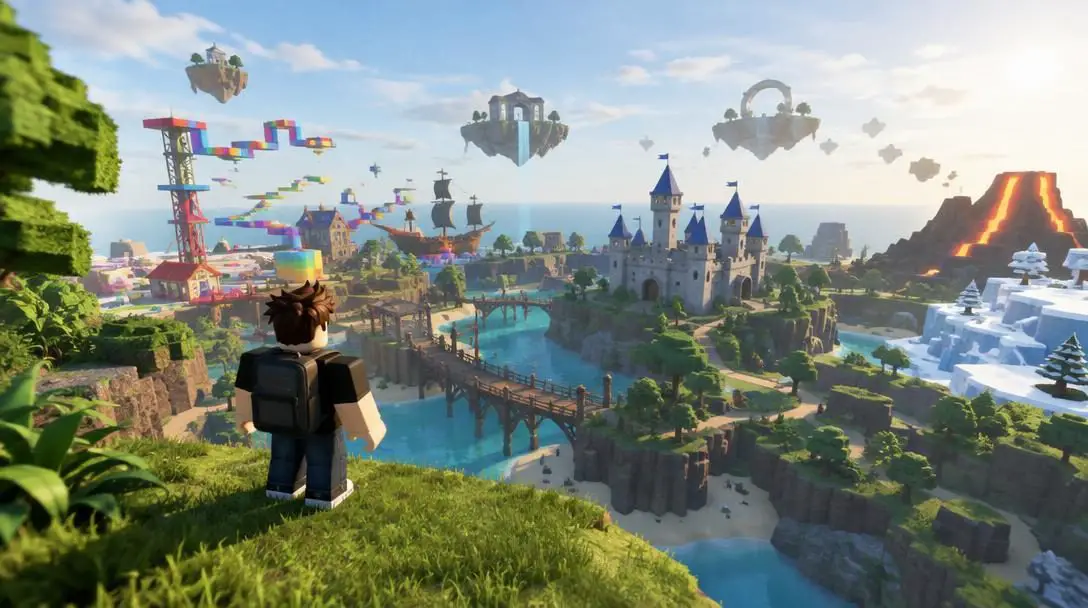
Back in 2004, developers David Baszucki and Erik Cassel envisioned a massively multiplayer online platform that would empower players to design their own worlds and games, christening the project Roblox. Released two years later in 2006, the platform experienced a quiet beginning before steadily growing into an international sensation, particularly among younger audiences. Following its launch on mobile devices in the 2010s, Roblox underwent an explosion in popularity and community-led creativity, transforming from an experimental sandbox into a vast ecosystem populated by independent creators, collaborative teams, and millions of virtual destinations.
Because Roblox operates simultaneously as an engine and a distribution network, players are never confined to a single studio's creative vision. The platform hosts a remarkable variety of genres, from physics-driven engineering puzzles and economic simulators to sprawling social spaces inspired by classic digital hangouts. While the most visible titles dominate promotional feeds, several standout experiences showcase the absolute pinnacle of player freedom, collaborative mechanics, and architectural design.
Key takeaways
- Roblox grew from a 2004 concept by David Baszucki and Erik Cassel into a massive community development ecosystem after launching in 2006 and expanding to mobile in the 2010s.
- Player-developed experiences span diverse genres, ranging from intricate architectural life simulators to physics-based obstacle challenges.
- Top community creations frequently incorporate deep progression loops, including customizable plots, retail shops, and shared multiplayer roles.
- Titles like MeepCity and Work at a Pizza Place have garnered billions of visits through rewarding teamwork and social customization mechanics.
A legacy of user-generated virtual worlds
When David Baszucki and Erik Cassel first started developing Roblox in 2004, the objective was straightforward yet ambitious: provide intuitive development tools that allow users to script, build, and share their own games. Though traction built gradually following the official 2006 launch, the introduction of mobile accessibility during the 2010s unlocked unprecedented community engagement. Creators were suddenly producing virtual environments that rivaled commercial indie titles in complexity.
Unlike conventional gaming platforms where the consumer experience is strictly passive, Roblox blends development and play into one continuous feedback loop. Creators incorporate social spaces reminiscent of early web communities, build assembly-line economies based on real-world labor, and engineer sandbox physics tests. This open framework allows inventive mechanics to thrive, resulting in experiences that remain active for years thanks to persistent community interest and iterative design.
| Game | Creator / Studio | Primary Genre | Key Attraction |
|---|---|---|---|
| Welcome to Bloxburg | Coeptus | Life & Architecture Simulator | Custom plots, job careers, multistory builds |
| MeepCity | AlexNewtron | Social MMO Hangout | Neighborhood customization, themed retail plazas |
| Theme Park Tycoon 2 | Den_S | Management & Building | Custom coaster tracks, visitor ratings, five ride types |
| Work at a Pizza Place | Dued1 and RBXZach | Cooperative Roleplay | Six coordinated job roles, home furnishing |
| Build a Boat for Treasure | Chillz Studios | Physics & Adventure | Modular hull construction, hazardous sea voyages |
Five standout Roblox games that redefine player creativity
Across the millions of worlds published on the platform, certain titles stand out for their nuanced mechanics, polished progression structures, and sheer depth. These five games exemplify the creative height of community-driven development.
Welcome to Bloxburg
- Developer: Coeptus
- Standard Plot Size: 30 x 30
- Key Features: Prebuilt or custom homes, career jobs, expandable plots
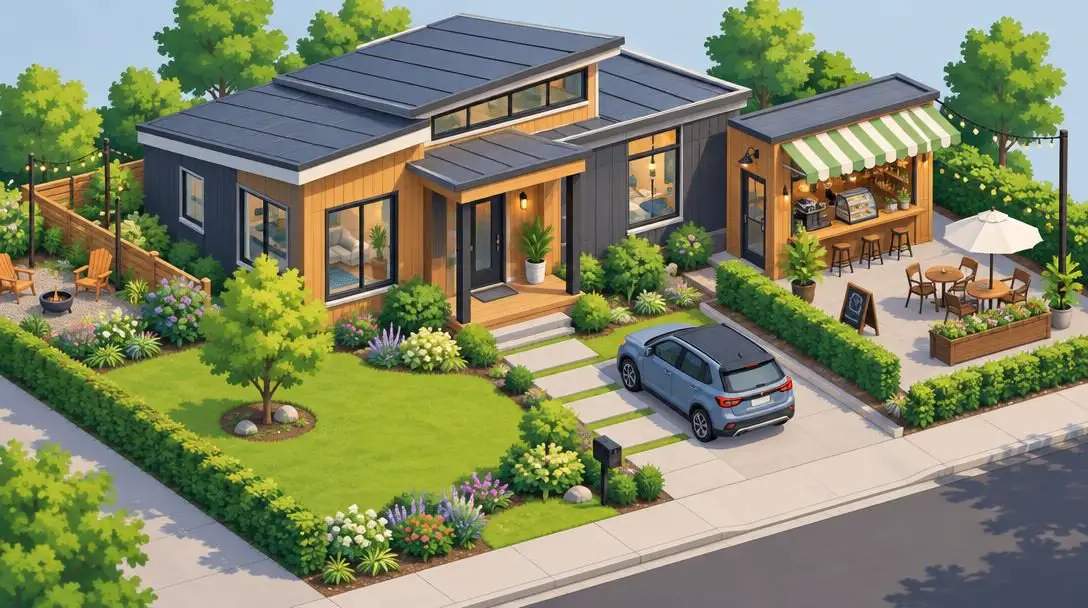
Developed by user Coeptus, Welcome to Bloxburg is a celebrated simulation game where players construct personalized homes, interact with friends, and work various vocations to fund their architectural projects. Upon arrival, a builder can choose between moving into a prebuilt house or beginning from scratch on an empty 30 x 30 plot of land.
The scope of construction extends far past single-family houses. Players routinely utilize the flexible building system to erect farms, functional restaurants, boutique hotels, or even entire mini-villages. Those seeking to expand their architectural boundaries can also pay for access to larger plots of land and the ability to construct multistory properties, making it one of the most flexible creative sandboxes available on the platform.
MeepCity
- Developer: AlexNewtron
- Total Visits: Over 10 billion
- Design Inspiration: Club Penguin and Toontown
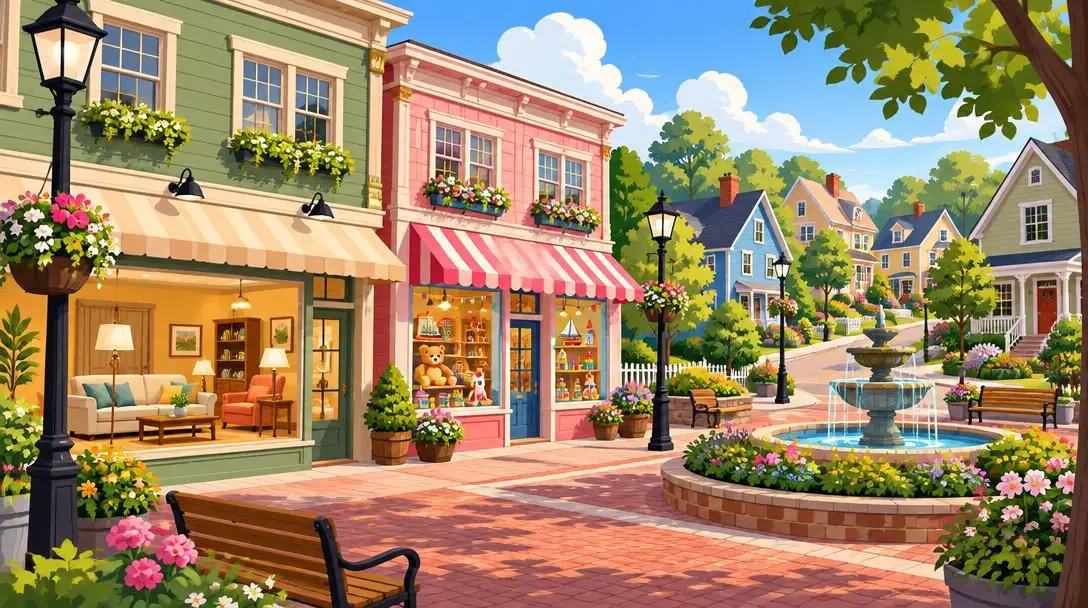
Created by developer AlexNewtron, MeepCity has welcomed over ten billion visits, securing its status among the most visited titles in the history of the platform. Drawing inspiration from classic virtual playgrounds like Club Penguin and Toontown, MeepCity functions primarily as a bustling social hangout where users converse, explore, and establish their digital lives.
Personal expression is woven directly into the city's commerce. Using earned coins, visitors can head to the home improvement shop to remodel the interior layout and exterior facade of their houses. The town square also features a toy shop packed with playful items and a dedicated furniture store stocked with room fittings, party supplies, and outdoor landscaping decor.
Theme Park Tycoon 2
- Developer: Den_S
- Ride Categories: 5 distinct types
- Core Mechanics: Custom track routing, visitor rating systems, food vendors
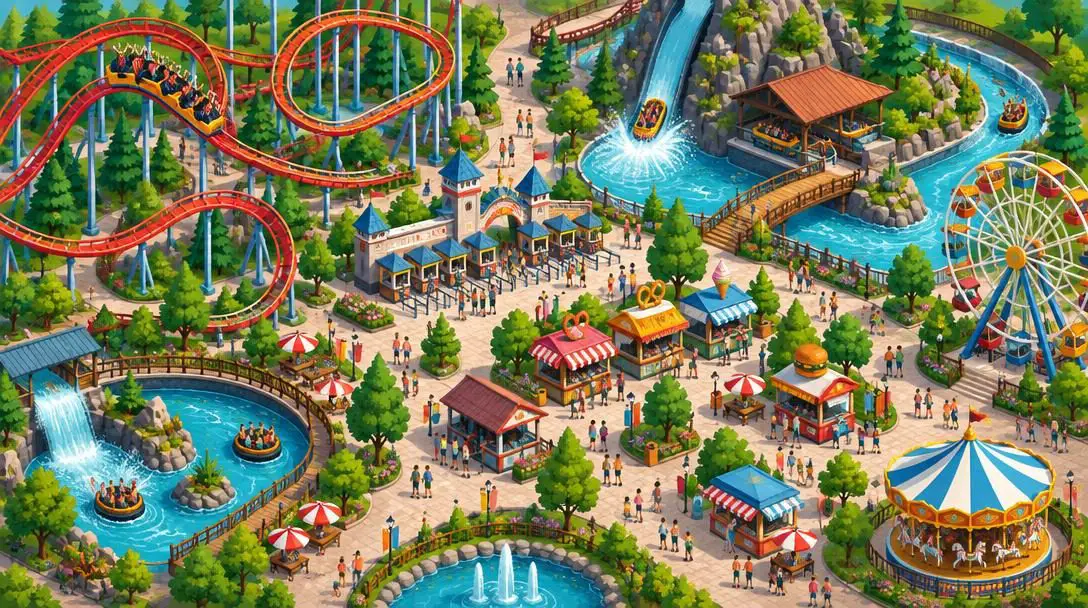
In Theme Park Tycoon 2, developed by Den_S, players step into the shoes of an amusement park architect and manager. Starting on their own dedicated plot of land, creators lay pathways, manage guest amenities, set up food stalls, and assemble rides to entertain both non-player characters and fellow server members.
The experience features five distinct categories of rides: roller coasters, water rides, transportation rides, intense rides, and less intense rides. Builders hold complete creative authority over ride geometry, adjusting heights, loops, and banking. As neighboring players visit your venue, their guest ratings unlock achievements and provide access to exclusive decorative assets that further enrich your resort grounds.
Standout community titles transform basic building blocks into collaborative assembly lines, persistent economies, and architectural showcases.
Work at a Pizza Place
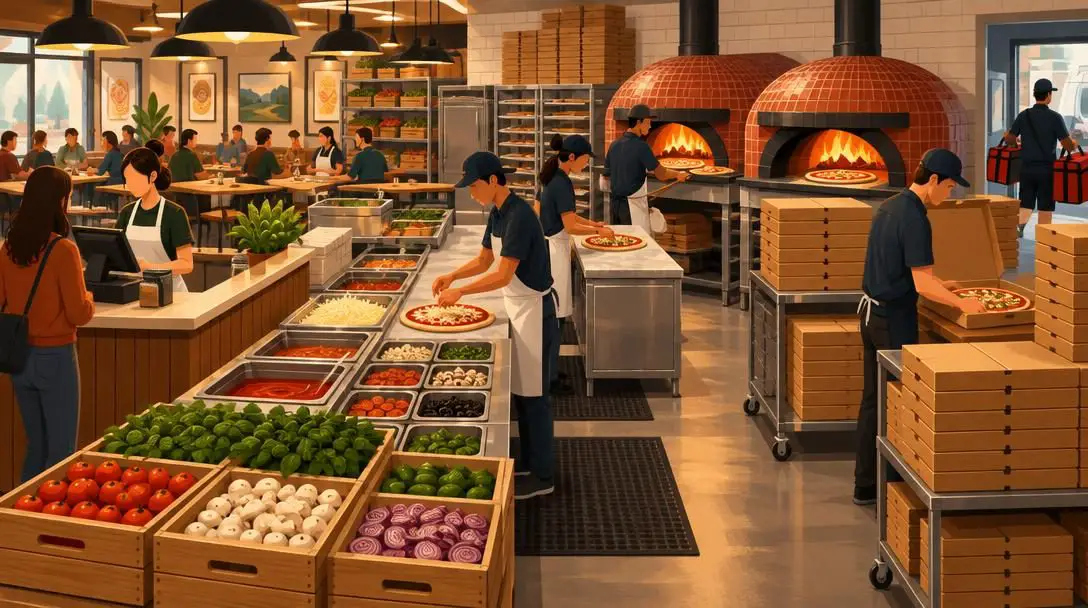
- Developers: Dued1 and RBXZach
- Total Visits: Over 4 billion
- Available Roles: Cook, cashier, pizza boxer, delivery person, supplier, manager
Boasting more than four billion visits, Work at a Pizza Place was created by developers Dued1 and RBXZach. The game challenges players to maintain an active restaurant through coordinated teamwork, simulating an assembly line where each workstation directly impacts overall customer fulfillment.
Players choose from six distinct responsibilities: cashier, cook, pizza boxer, delivery person, supplier, and manager. Seamless coordination is vital: cashiers record incoming requests, cooks prepare the food, boxers pack the cartons, delivery drivers bring meals directly to customer homes, and suppliers retrieve crates from the warehouse, while the manager oversees staff and distributes performance bonuses. The coins generated from completed orders allow workers to purchase furniture and personalize their private homes during their time off.
Build a Boat for Treasure
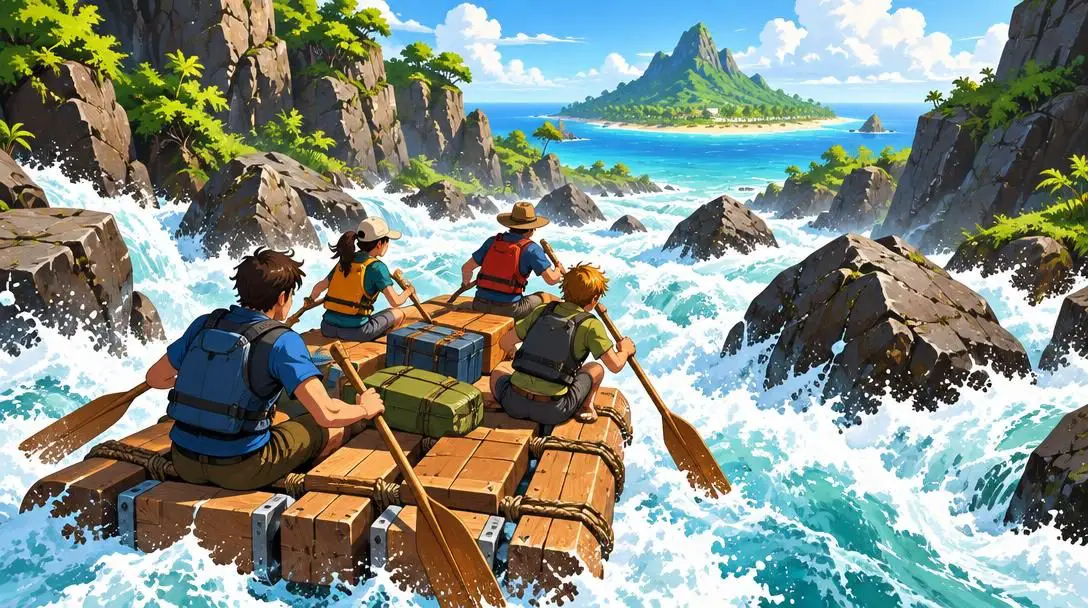
- Developer: Chillz Studios
- Core Objectives: Vessel construction, river navigation, treasure hunting
- Key Rewards: Gold blocks, badges, quest completions
Crafted by Chillz Studios, Build a Boat for Treasure pairs construction mechanics with challenging aquatic physics. Players construct maritime vessels within designated shoreline building zones, working either in collaborative teams or as solo shipwrights before launching into turbulent waters.
The journey tests structural endurance against rushing currents, rock hazards, and environmental perils spread across successive stages. Surviving the perilous voyage to reach the final island rewards players with a treasure chest packed with goodies, gold blocks for future crafting, unlockable quests, and commemorative badges.
How the mechanics work under the hood
The longevity of these titles stems from their interconnected gameplay loops. Rather than offering surface-level mini-games, each developer built systems that reward patience, spatial planning, and cooperation.
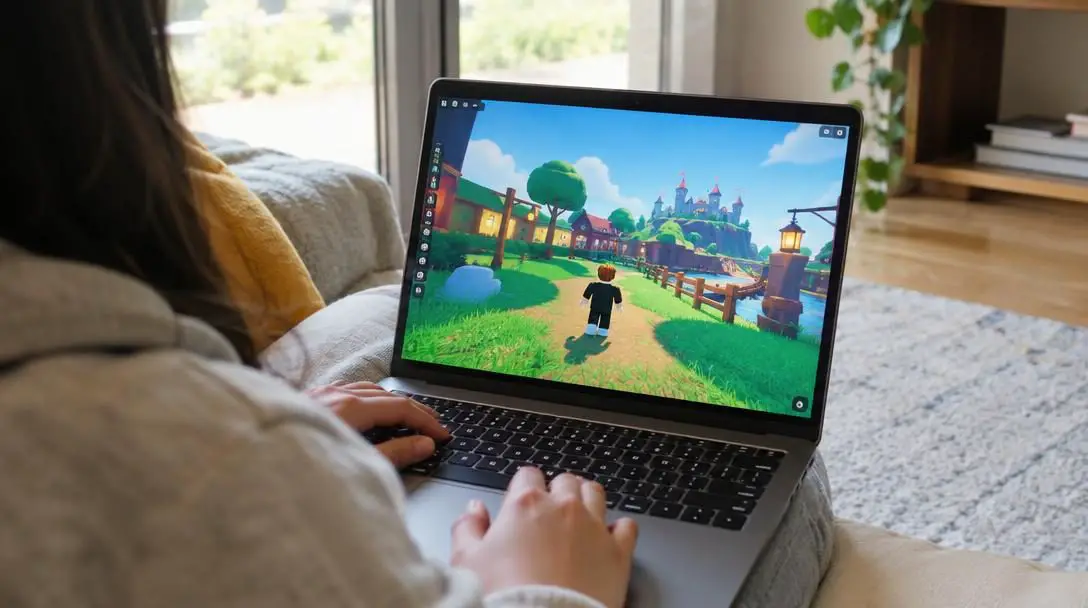
In life simulators such as Welcome to Bloxburg, the economic balance links occupational labor directly to architectural tools. The modular grid interface provides granular control over structural elements, utilities, and exterior landscaping. Players can expand beyond simple single-story residences into multistory mansions, commercial diners, or communal compounds by managing their funds wisely.
In social hubs like MeepCity, player retention revolves around municipal commerce and customizable estates. Coins earned through town activities circulate through dedicated storefronts—the toy shop, the furniture store, and the home improvement shop—letting players display their achievements through their character's gear and home decor.
Management titles such as Theme Park Tycoon 2 rely on spatial flow and guest satisfaction. By balancing high-thrill roller coasters with gentle transport and water rides, owners cater to a wide audience. Server-wide visitor ratings introduce a competitive element, incentivizing owners to build functional paths, install diverse food vendors, and design appealing scenery.
In Work at a Pizza Place, systemic interdependence prevents individual players from monopolizing the gameplay. Every stage of the culinary pipeline requires input from another workstation, teaching cooperative coordination. Meanwhile, Build a Boat for Treasure tests real-time physics, where weight distribution, material density, and propulsion placement dictate whether a vessel reaches the treasure island or breaks apart in early river obstacles.
Step-by-step guides for getting started in each title
Every creative experience has its own entry requirements, progression curves, and economic rules. Following these structured steps will help you establish a strong foundation in each world.
- Getting started in Welcome to Bloxburg: Assess your initial funds and decide whether to claim a prebuilt home or wipe your 30 x 30 plot to start from scratch. Immediately take an entry-level job to build cash flow before spending on materials. If you intend to build multi-floor estates or hotels, purchase access to multistory perks and expanded land boundaries.
- Getting started in MeepCity: Tour the central plaza to locate key storefronts, then earn coins by interacting with municipal activities. Visit the home improvement shop to configure your wall styles, siding, and floor plans. Once the framing is set, furnish your rooms with items from the furniture store and pick up accessories at the toy shop.
- Getting started in Theme Park Tycoon 2: Claim an available plot and place walking pathways connecting the main gate inward. Build basic food vendors alongside less intense or transportation rides to produce consistent starter revenue. Expand into complex roller coasters and water rides later, keeping an eye on guest ratings to unlock decorative upgrades.
- Getting started in Work at a Pizza Place: Check the restaurant interior to see which department needs help. Step in as a cashier or cook if orders are backed up, or take the delivery truck to restock warehouse goods as a supplier. Fulfill orders accurately to earn coins, then travel back to your residential street to decorate your home during your off-shift break.
- Getting started in Build a Boat for Treasure: Assemble a wide, balanced raft foundation using sturdy blocks at your launch dock instead of stacking upward. Secure your propulsion and steering components, then embark onto the roaring water. Steer carefully through each obstacle zone to reach the final treasure chest, using your earned gold blocks and badges to purchase more durable components.
Common mistakes to avoid
Navigating these complex, player-driven worlds can occasionally lead to wasted currency or stalled progression. Staying aware of frequent missteps will keep your sessions productive.
- Overspending early in Welcome to Bloxburg: Bulldozing your starting house without an adequate cash cushion can leave you without walls, appliances, or funds to complete basic framing.
- Bypassing town shops in MeepCity: Wandering the town square without spending coins at the furniture, toy, or home improvement shops misses the core appeal of personalizing your private hangout.
- Neglecting pedestrian path flow in Theme Park Tycoon 2: Designing elaborate roller coasters or water rides without connecting them cleanly to footpaths will prevent guests from boarding, lowering ratings and halting earnings.
- Ignoring the supplier station in Work at a Pizza Place: Concentrating solely on cooking or boxing while leaving the supply warehouse unstaffed will starve the kitchen of dough, toppings, and boxes.
- Constructing top-heavy hulls in Build a Boat for Treasure: Designing tall, narrow vessels without a broad base creates a poor center of gravity, causing boats to capsize under aggressive water physics.
Frequently asked questions
Who originally created Roblox, and when did it launch?
Roblox was conceived in 2004 by developers David Baszucki and Erik Cassel. The platform officially launched two years later in 2006, expanding significantly following its release on mobile platforms during the 2010s.
Can you build non-residential buildings in Welcome to Bloxburg?
Yes. Although residential houses are standard, players can use their plots to build a variety of custom properties, including farms, restaurants, hotels, or mini-villages. Players can also unlock larger plots and multistory capabilities.
What are the five ride categories in Theme Park Tycoon 2?
Theme Park Tycoon 2 organizes its attractions into five types: roller coasters, water rides, transportation rides, intense rides, and less intense rides.
What job roles are available in Work at a Pizza Place?
The restaurant operates with six interactive roles: cashier, cook, pizza boxer, delivery person, supplier, and manager, all cooperating along an interconnected assembly line.
What rewards do you earn for completing Build a Boat for Treasure?
Reaching the final island through the treacherous waters rewards players with a treasure chest filled with items, gold blocks for further crafting, commemorative badges, and completed quests.
The bottom line
The evolution of Roblox from a 2004 concept developed by David Baszucki and Erik Cassel into a global creative hub demonstrates the power of user-generated design. Experiences like Welcome to Bloxburg, MeepCity, Theme Park Tycoon 2, Work at a Pizza Place, and Build a Boat for Treasure showcase that the platform offers far more than simple mini-games. By combining deep building suites, collaborative work lines, and persistent social commerce, these titles represent rich virtual worlds that continue to reward creative problem-solving and multiplayer teamwork.