5 Most Difficult Scenarios in Rimworld
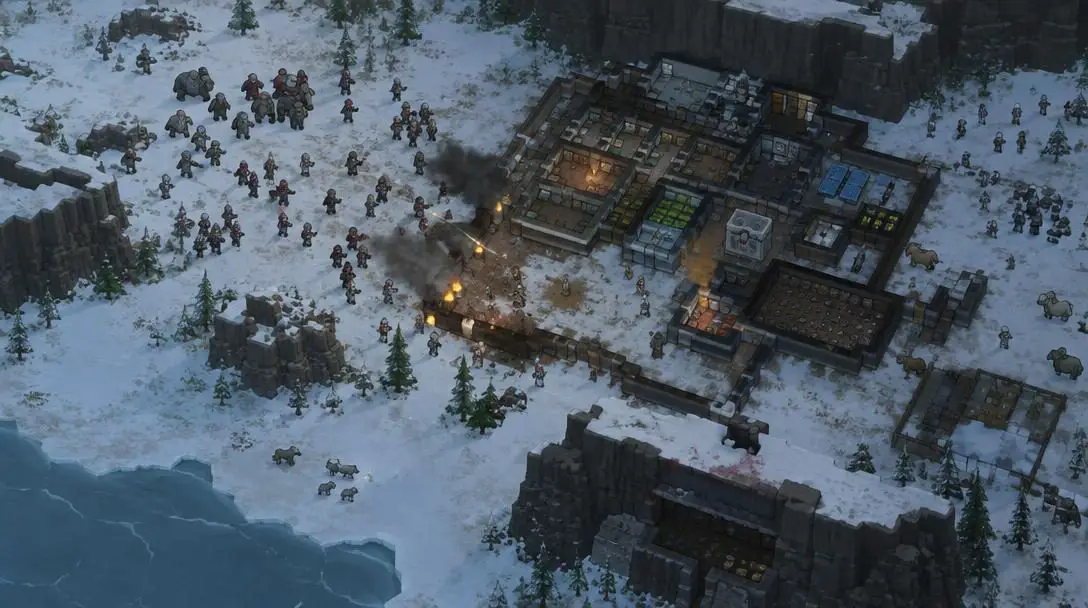
Rimworld tests player judgment not through predictable, incremental milestones, but through sudden, dynamic crises that strike at a colony's structural dependencies. A settlement can appear completely secure on paper—stocked with food, shielded by heavy walls, and powered by advanced energy networks—only to collapse when an unexpected environmental or biological catastrophe ruptures its daily workflow.
Surviving on an alien planet requires overseers to understand how individual systems interact when subjected to severe stress. Extreme weather, subterranean horrors, and invisible environmental hazards push living conditions to the breaking point. Five specific crises stand out as the ultimate trials of colony endurance: heatwaves, toxic fallout, infestations, toxic spewers, and solar flares.
Key takeaways
- Extreme climate events like heatwaves demand aggressive cooling and rapid temperature regulation to protect colonists and crops from fatal heat exhaustion.
- Atmospheric disasters such as toxic fallout and toxic spewers require immediate architectural isolation to prevent toxic buildup in pawns and livestock.
- Subterranean infestations bypass perimeter walls completely, turning interior corridors into lethal close-quarters battlegrounds that must be contained with choke points and traps.
- Solar flares instantly eliminate electrical safety nets, making non-perishable food stores and redundant power plans essential for ongoing survival.
The 5 most demanding colony crises at a glance
Every major emergency in Rimworld targets a distinct operational vulnerability, forcing you to pivot your workers from standard production to emergency containment. The table below outlines how each hazard functions and the primary threat it poses to your base.
| Scenario | Hazard Category | Targeted Colony Asset | Primary Danger | Core Mitigation Strategy |
|---|---|---|---|---|
| Heatwaves | Thermal Environmental | Human biology and agriculture | Lethal heatstroke and scorched crops | Air conditioning and interior water access |
| Toxic Fallout | Atmospheric Environmental | Open-air ecosystems and food chains | Toxic buildup and outdoor plant die-offs | Indoor hydroponics and roofed corridors |
| Infestations | Subterranean Biological | Internal base corridors and bedrooms | Swarms overrunning tight interior spaces | Choke-point traps, bulkheads, and heavy armor |
| Toxic Spewers | Localized Environmental | Ambient breathable air supply | Inhaled contamination causing tissue injury | Sealed walls, ventilation, and detour zones |
| Solar Flares | Electromagnetic Disruption | Electrical grid and automated systems | Spoiled food, dropped defenses, and no climate control | Non-perishable meal reserves and backup generators |
Detailed breakdown of Rimworld's most lethal scenarios
Understanding the exact mechanics behind these five events is the difference between a minor operational hiccup and a total colony wipeout. Each threat exploits specific weaknesses in colony design, requiring distinct countermeasures.
Heatwaves

- Threat Category: Thermal environmental event
- Biological Hazard: Severe heat exhaustion, heatstroke, and organ failure
- Secondary Vulnerability: Overheating indoor greenhouses and ruined harvests
A heatwave causes the ambient temperature across the map to skyrocket, turning outdoor zones and inadequately insulated rooms into deadly ovens. As external temperatures climb, exterior walls radiate ambient warmth into workshops, common areas, and bedrooms. Without active cooling systems running continuously, room temperatures can quickly exceed safe biological limits.
Pawns exposed to this extreme thermal stress quickly begin accumulating heat exhaustion. If unaddressed, this condition steadily progresses into advanced heatstroke, leaving colonists downed, incapacitated, and at risk of fatal organ collapse. Greenhouses and indoor farming bays are equally vulnerable; trapped indoor heat can wipe out seasons of staple crops within days, creating a delayed famine long after the climate event dissipates.
Toxic Fallout

- Threat Category: Atmospheric ecological disaster
- Biological Hazard: Progressive toxic buildup in pawns and animals
- Secondary Vulnerability: Mass death of wild flora, crops, and local hunting prey
Toxic fallout blanket the entire region in hazardous particles that drift down from the sky, poisoning everything left uncovered. Any colonist or domesticated animal that steps outside accumulates toxic buildup within their bloodstream. Prolonged exposure causes severe physical degradation, cognitive impairment, and eventual death.
The fallout also devastates the surrounding ecosystem. Wild trees, berry bushes, and exposed outdoor farm plots wither and die under the toxic blanket. Local wildlife either succumbs to poisoning or flees the region, cutting off standard hunting operations. Colonies that rely exclusively on surface agriculture and wild game find their entire food supply chain severed for the full duration of the storm.

A colony might look stable on paper, with ample storage, strong defenses, and productive colonists, only for a single event to unravel the entire infrastructure.
Infestations

- Threat Category: Subterranean biological assault
- Combat Dynamic: Swarming melee ambush within tight interior spaces
- Structural Risk: Breaches inside mining tunnels, storage bays, and living quarters
Unlike standard raiders that approach from the map's outer edges, insect infestations originate from deep within your own carved-out structures, subterranean living spaces, or mining shafts. The swarm spawns suddenly and aggressively, creating an immediate close-quarters melee battle inside tight hallways where long-range rifles and sniper weapons lose their effectiveness.
The heavy natural armor, high movement speeds, and devastating close-range attacks of the insect species make an improvised retreat dangerous. If pawns attempt an uncoordinated shoot-and-retreat defense within narrow hallways, the swarm can easily catch them, cutting off retreat paths and mauling colonists in their own private living corridors.
Toxic Spewers
- Threat Category: Continuous localized gas contamination
- Biological Hazard: Acute respiratory damage from inhaled poison
- Secondary Vulnerability: Contamination seeping through open ventilation and doorways
A toxic spewer introduces a steady, dangerous discharge directly into the surrounding environment, pumping out toxic gas that spreads across the terrain. If this hazardous vapor reaches open doors, unsealed entryways, or shared ventilation passages, it penetrates domestic living spaces and production facilities.
Colonists who breathe the contaminated air take immediate, progressive damage to their respiratory systems and biological integrity. The gas creates an active bio-hazard footprint that restricts movement across your base, forces defensive isolation, and demands precise physical engineering solutions to keep standard colonist pathing clear of poisoned air pockets.
Solar Flares

- Threat Category: Global electromagnetic disruption
- System Impact: Total shutdown of all electrically powered devices
- Secondary Vulnerability: Freezer failure, disabled auto-turrets, and disabled hydroponics
A solar flare disables every powered electrical circuit across the map simultaneously. The event bypasses defenses, fuses, and battery banks entirely. Powered defensive turrets shut down, electric lights go dark, motorized security doors grind to a crawl, and indoor hydroponic basins instantly lose power, jeopardizing the crops grown within them.
The most immediate secondary crisis caused by a solar flare is temperature failure. Freezers and refrigerated food caches begin warming up, placing fresh ingredients and harvested meat at risk of rot. Stoves stop working, climate-control networks fail, and automated defense networks cease functioning, stripping away the technological advantages modern colonies rely on to survive.
Step-by-step crisis survival protocols
Successfully surviving these events requires structured, pre-planned operational workflows. Implement these procedures the moment the corresponding alert triggers.
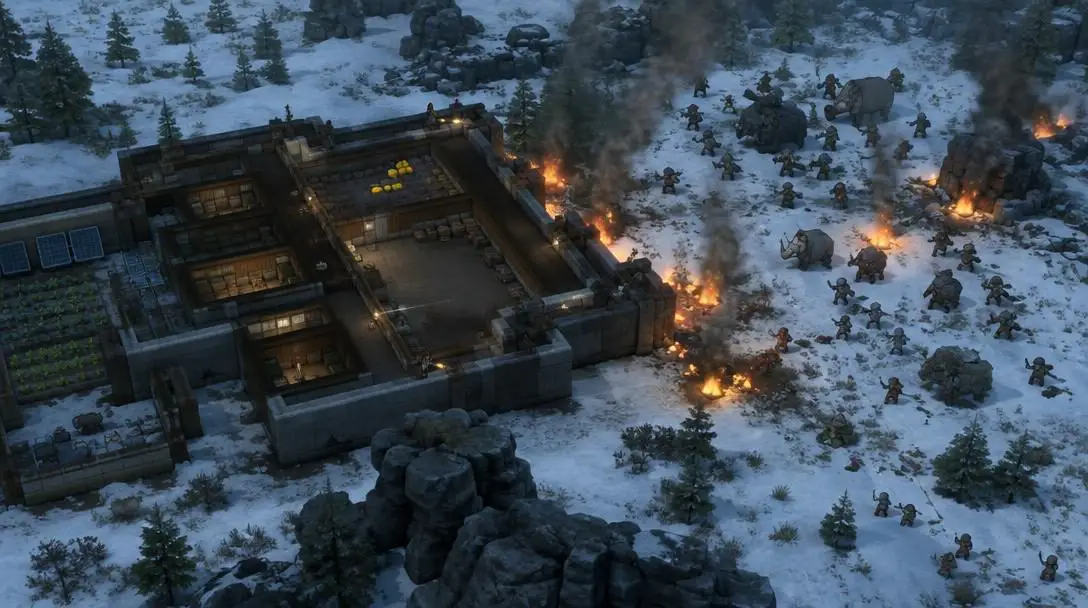
- Stabilize thermal conditions during heatwaves: Construct air conditioning units across all interconnected living quarters, workshops, and communal hubs to regulate interior temperatures. Provide pawns with consistent access to water so they avoid severe dehydration and escalating heat sickness. When greenhouses overheat, relocate vulnerable crops to cooler internal zones to salvage the harvest.
- Establish atmospheric isolation during toxic fallout: Shift agricultural production indoors immediately by setting up sealed greenhouses and hydroponics bays. Restrict colonist pathing exclusively to roofed walkways, interior corridors, and designated indoor structures to stop toxic accumulation. Dispatch specialized hunting teams into uncontaminated zones to secure fresh protein before local fauna dies off.
- Contain and eliminate interior infestations: Seal internal security bulkheads and close heavy doors immediately to trap the insect swarm inside a controlled containment zone. Funnel the advancing insects toward pre-built trap corridors, allowing mechanical defenses to soften the wave before sending in pawns equipped with high-impact armaments, heavy armor, and close-range weapons.
- Seal and bypass toxic spewer emissions: Construct physical exterior walls and airtight doors around the active spewer to trap the gas cloud at its source. Set up independent ventilation networks to flush contaminated air away from high-traffic domestic zones, and adjust colonist work routes so daily tasks never cross toxic gas pockets.
- Maintain non-electric continuity during solar flares: Keep a dedicated stockpile of non-perishable foods, including pemmican and simple rations, so colonists do not rely on electric stoves or refrigerated ingredients. Ensure colonists retain access to clean food and water reserves throughout the blackout, and prepare backup generators to jump-start the primary power grid the moment the flare concludes.
Costly tactical errors that ruin colonies
When emergencies happen at the same time, panicking often causes players to make common administrative mistakes. Avoiding these tactical missteps will keep your base intact:
- Under-cooling shared residential spaces: Attempting to cool an entire living complex with a single air conditioning unit causes temperatures to spike dangerously during a severe heatwave.
- Allowing colonists to wander outdoors during fallout: Permitting pawns to haul outdoor materials or hunt across poisoned ground causes progressive toxic buildup that results in long-term health crises.
- Delaying indoor crop transitions: Waiting until outdoor fields are already poisoned before building hydroponics or greenhouses guarantees food shortages before indoor crops can mature.
- Engaging insects in wide-open areas: Fighting an infestation without walls, traps, or narrow choke points allows swarming melee insects to flank and cut down your ranged fighters.
- Leaving open vents near toxic spewers: Failing to physically seal off walls and vents close to a spewer lets the toxic gas drift directly into high-traffic work rooms.
- Relying exclusively on refrigerated perishables: Storing only raw meats and electric-dependent cooked meals leaves the colony without food options when a solar flare cuts freezer power.
- Overlooking emergency non-electric resources: Assuming electricity will always run your stoves and water supplies leaves no safety margin when an environmental shutdown occurs.
Long-term architectural and supply resilience
Surviving a single crisis is not enough; your base layout must evolve to withstand overlapping disruptions. Designing for resilience requires auditing your architecture, food pipelines, and power configurations after every major emergency.
Base compartmentalization forms your primary defense against physical and atmospheric breaches. Constructing interior bulkheads and heavy doors throughout mining corridors allows you to seal off infestations and gas leaks without shutting down your entire colony. Using insulating double-thick exterior walls also minimizes thermal leakage, protecting your base against seasonal temperature spikes.
Supply chain independence ensures your settlers can endure prolonged quarantines. Greenhouses and hydroponics bays should operate as permanent fixtures rather than rushed emergency builds. Maintaining deep stores of shelf-stable pemmican, simple rations, and secure water reserves guarantees that extended solar flares and toxic showers will not disrupt your colonists' baseline nutrition.
Finally, your power infrastructure needs built-in redundancies. Modern settlements rely on clean power, but relying entirely on a single electrical circuit invites catastrophe. Keeping backup generators ready for rapid deployment, alongside non-electric methods for heating, cooling, and meal preparation, ensures your colony remains standing when the electrical grid inevitably goes dark.
Frequently asked questions
How do you protect crops from dying during a sudden heatwave?
To keep crops alive during extreme heat, install sufficient air conditioning units in your indoor growing areas to bring ambient temperatures back within safe thresholds. If your greenhouse lacks dedicated climate control, immediately move crops to cooler, climate-controlled rooms before the heat damages the harvest.
Can colonists safely go outside at all during toxic fallout?
Colonists should be strictly restricted to indoor rooms and covered walkways during toxic fallout. Walking outside exposes them to falling toxic particles that build up in their bodies. If pawns must travel between buildings, ensure all pathways are roofed to prevent direct exposure to the sky.
What is the best way to handle insect infestations in mountain bases?
Containment is critical. Seal off the infested mining tunnels or living rooms using heavy doors and structural bulkheads. Force the insects to advance through narrow choke points lined with pre-built traps, and use heavily armored melee fighters supported by close-range weapons to hold the doorway.
How does a toxic spewer differ from toxic fallout?
Toxic fallout is a map-wide atmospheric event that drops toxic particles from the sky across all unroofed terrain. A toxic spewer introduces a steady, localized toxic gas cloud directly into the environment, requiring physical walls, airtight doors, and ventilation systems to keep the gas from entering colonist work areas.
What should you do about food spoiling during an extended solar flare?
Keep a constant reserve of non-perishable food items, such as pemmican or simple rations, stored separately from refrigerated items. Because solar flares disable electric stoves and cooling units, having rations that require no power to preserve or prepare ensures your colonists remain fed throughout the blackout.
The bottom line
Rimworld is designed to test your foresight, adaptability, and ability to handle chaos under pressure. Whether facing scorching heatwaves, poisonous fallout, sudden insect attacks, toxic gas clouds, or sweeping electrical blackouts, success relies on compartmentalization, redundant utility networks, and careful planning. By mastering the core mechanics of these five demanding scenarios and addressing tactical vulnerabilities before disaster strikes, you ensure your settlement survives every catastrophe the rim throws its way.