5 Most Memorable Fast Food Ad Campaigns
In the modern retail dining landscape, physical accessibility is rarely the deciding factor for consumers choosing where to eat. Nearly every neighborhood, highway exit, and commercial district features an array of competing drive-thrus and walk-up counters. Because potential diners already recognize the establishments operating nearby, restaurant chains must deploy aggressive marketing initiatives to sway everyday meal decisions. While corporate brands regularly allocate massive budgets toward advertising efforts that quickly fade from public consciousness, a select tier of promotions manages to break through standard commercial noise.
When an advertising concept truly connects, the return on investment can alter a brand's corporate trajectory for decades. The most memorable campaigns accomplish far more than generating temporary spikes in quarterly revenue; they embed distinctive catchphrases, characters, and melodies directly into the cultural lexicon. Decades after their initial broadcasts, the landmark marketing pushes launched by the industry's biggest brands continue to serve as the definitive playbook for commercial storytelling, customer differentiation, and brand longevity.
Key takeaways
- Breakthrough restaurant marketing succeeds by highlighting genuine operational differences or addressing common customer frustrations.
- Memorable jingles and rhythmic slogans can transcend commercial advertising to become cultural touchstones and chart-topping media.
- Tying brand identity to a single public spokesperson creates serious long-term reputational vulnerabilities if controversies arise.
- Failing to maintain a documented paper trail for creative concepts can lead to catastrophic intellectual property lawsuits.
- Promotional pricing and high-frequency ad repetition require careful balancing to avoid margin compression and consumer fatigue.
Comparative analysis: 5 landmark fast food campaigns
Over the decades, leading restaurant franchises have tested numerous promotional angles, from musical collaborations to humorous competitive critiques. The table below outlines how these five industry-defining campaigns approached consumer messaging, primary creative talent, and their lasting market legacies.
| Campaign | Brand | Key talent & figures | Core strategic focus | Notable market impact |
|---|---|---|---|---|
| Have It Your Way | Burger King | Original 1970s creative team | Kitchen customization and order flexibility | Revived decades later as the "Whopper Whopper" sports broadcast earworm |
| I'm Lovin' It | McDonald's | Justin Timberlake, Pharrell Williams | Global lifestyle branding with localized slogans | Full-length track reached number one on the music charts in Belgium |
| Subway's Weight Loss Promotion | Subway | Jared Fogle | Health-conscious dining and personal transformation | Propelled the brand to become the most common fast-food chain globally |
| Where's the Beef? | Wendy's | Clara Peller | Direct competitive criticism of small rival burger patties | Generated global apparel, bumper stickers, and novelty songs |
| Yo Quiero Taco Bell | Taco Bell | Gidget the Chihuahua, Carlos Alazraqui | Catchphrase-driven character comedy | Led to a $30 million legal judgment over disputed concept origins |
The 5 most memorable fast food campaigns
The history of restaurant advertising features thousands of localized spots and promotional tie-ins, but only a handful have redefined consumer behavior. These five campaigns set new industry benchmarks for reach, creativity, and cultural permanence.
Have It Your Way (Burger King)
- Debut era: Early 1970s
- Signature promise: "Special orders don't upset us"
- Modern revival: "Whopper Whopper" sports campaign
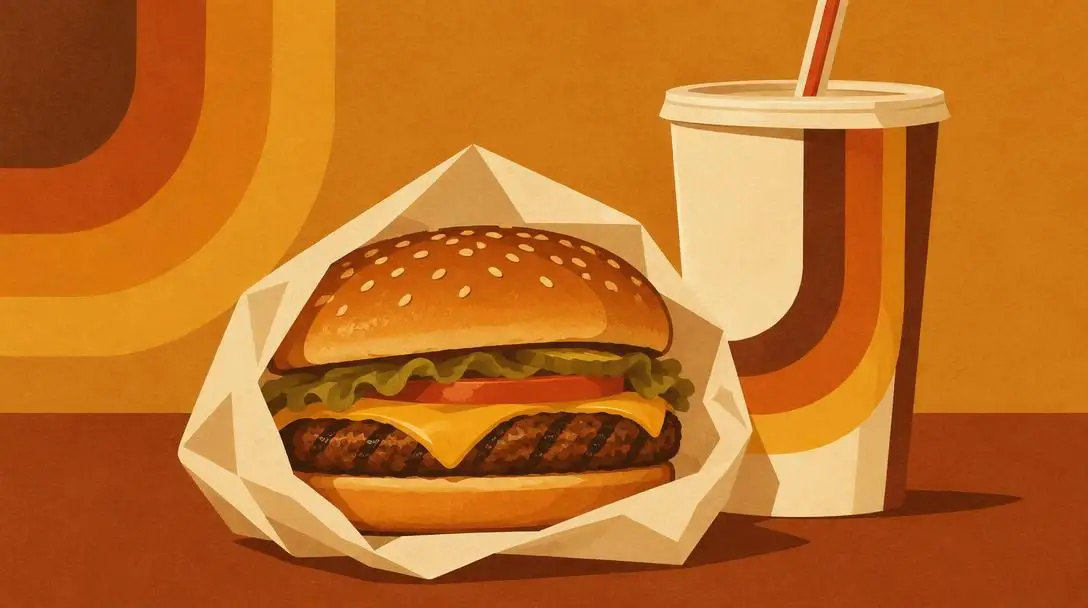
During the early days of fast-food dining, restaurant kitchens were operated strictly around rigid, uniform assembly lines. If a customer approached a counter and requested an alteration or substitution, they were routinely rebuffed and advised to select a different menu item altogether. In the early 1970s, Burger King recognized that this rigid operational setup frustrated countless diners. The company disrupted the entire industry model by launching the Have It Your Way campaign, presenting customization not as a kitchen headache, but as a core competitive virtue.
The campaign explicitly reassured diners that asking for modifications—such as requesting a signature Whopper prepared without mayonnaise—was fully welcomed. The accompanying musical jingle reinforced that "special orders don't upset us," transforming ordinary order customization into an empowering customer choice. The core musical identity proved exceptionally durable; decades later, the brand modernized the melody into the inescapable "Whopper Whopper" commercial push. Broadcast relentlessly during high-profile sporting events, the updated track became a modern earworm while continuing to celebrate the personalized ordering freedom first promised fifty years earlier.
I'm Lovin' It (McDonald's)

- Launch era: Early 2000s
- Initial market: Germany ("Ich Liebe Es")
- Creative contributors: Pharrell Williams and Justin Timberlake
At the turn of the millennium, McDonald's required a unified global marketing architecture that could communicate across language barriers and national borders. The initiative originally debuted in Germany under the localized slogan "Ich Liebe Es" before expanding worldwide. Translated into the native tongue of every international territory serving the golden arches, the phrase became I'm Lovin' It across English-speaking markets. To ensure the campaign made an immediate cultural splash in the early 2000s, corporate leadership committed heavy promotional resources to recruit prominent music industry hitmakers.
The brand commissioned pop icon Justin Timberlake to perform a full-length commercial single composed by Pharrell Williams. The commercial investment paid swift dividends: the catchphrase became a permanent corporate signature, and the accompanying pop track achieved standalone commercial success, climbing to the number-one spot on the pop music charts in Belgium. By treating advertising creative with the same production standards as mainstream pop music, McDonald's created an enduring multi-decade anthem that consumers routinely recite outside of commercial dining contexts.
Subway's Weight Loss Promotion
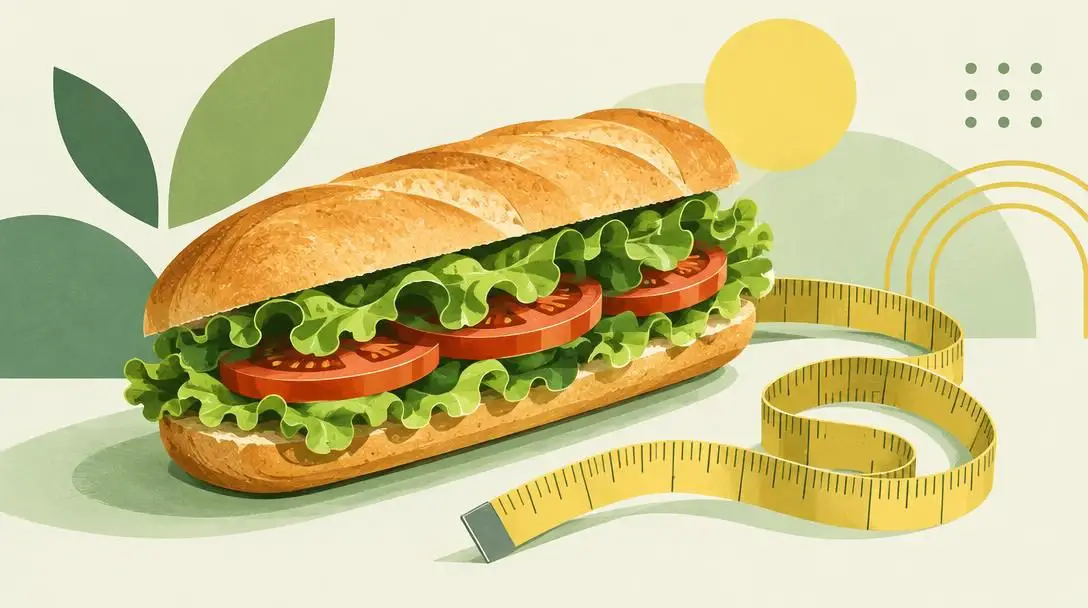
- Central figure: Jared Fogle
- Key marketing claim: 250-pound weight loss through sandwich meals
- Complementary promotion: The $5 footlong
As fast-food restaurants multiplied across the globe, the entire dining sector faced intense public scrutiny regarding its connection to rising obesity rates. While many traditional burger franchises struggled to present convincing low-calorie alternatives, Subway seized the opportunity to position itself as a nutritious, health-forward counterweight to greasy fried meals. The centerpiece of this transformation was Jared Fogle, an everyday college student who shared his personal story of losing 250 pounds by maintaining a routine diet centered around Subway sandwiches.
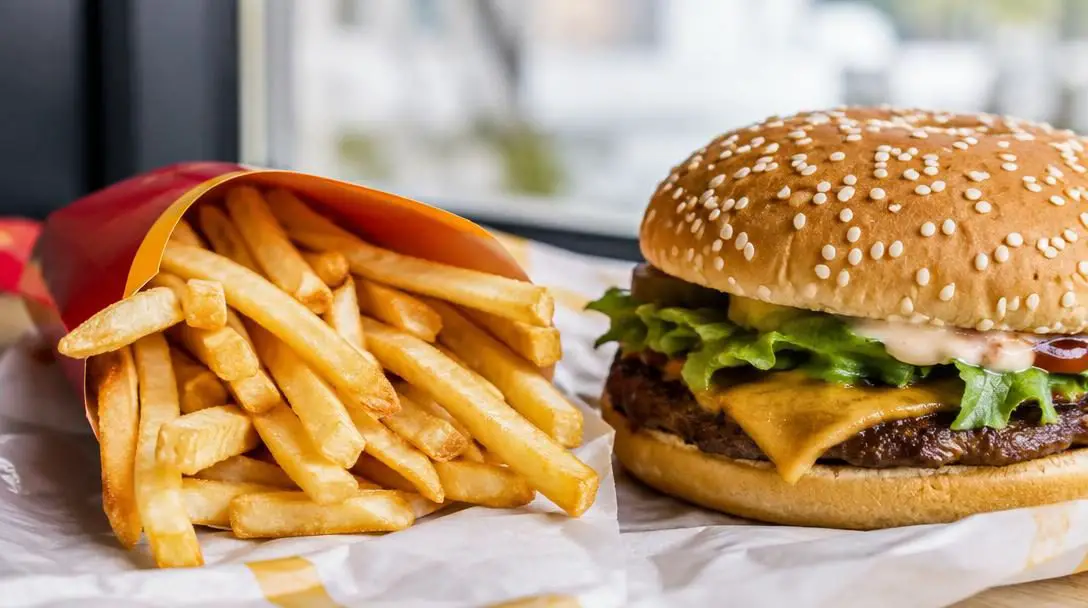
The everyman narrative resonated profoundly with health-conscious diners seeking quick meal options that fit into active lifestyle goals. This wave of sustained customer enthusiasm funded rapid franchise expansion, eventually driving Subway to surpass its rivals and become the most common fast-food chain in the world. During this golden operational era, the franchise reinforced its dominance by pairing the health narrative with its famous $5 footlong promotional value pricing. However, long-term brand equity proved vulnerable: subsequent price inflation and the catastrophic public downfall and tarnished reputation of Fogle severely diminished the chain's uncontested market standing.
Where's the Beef? (Wendy's)
- Lead actress: Clara Peller
- Primary targets: McDonald's and Burger King
- Merchandise reach: Apparel, novelty songs, and bumper stickers
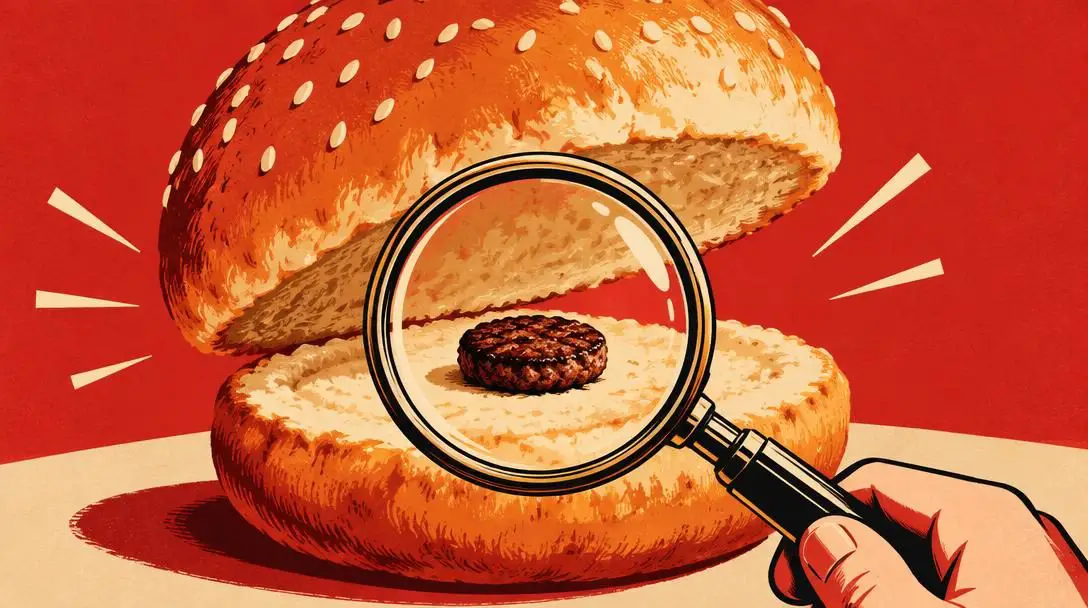
For decades, fast-food consumers quietly harbored skepticism toward promotional imagery that depicted massive sandwiches, only to receive a modest, paper-thin beef patty overshadowed by an oversized bun at the counter. Wendy's chose to tackle this industry reality head-on. Rather than ignoring customer skepticism, the brand launched a direct, satirical broadside against dominant rivals McDonald's and Burger King by posing a simple, humorous question: Where's the beef?
The campaign starred veteran actress Clara Peller, whose incredulous delivery as she inspected exaggerated, bun-heavy burgers delighted the viewing public. The commercial instantly evolved into a nationwide pop-culture phenomenon. The catchphrase was adopted by politicians, spawned global sales of branded apparel and bumper stickers, and even inspired novelty pop songs. By leveraging relatable humor to point out the meager beef portions of its larger competitors, Wendy's accelerated its corporate growth and established itself as an aggressive, authentic contender in the competitive hamburger landscape.
A breakout commercial campaign transforms everyday operational friction into an unforgettable cultural conversation.
Yo Quiero Taco Bell
- Debut year: 1997
- Campaign star: Gidget the Chihuahua
- Voice actor: Carlos Alazraqui
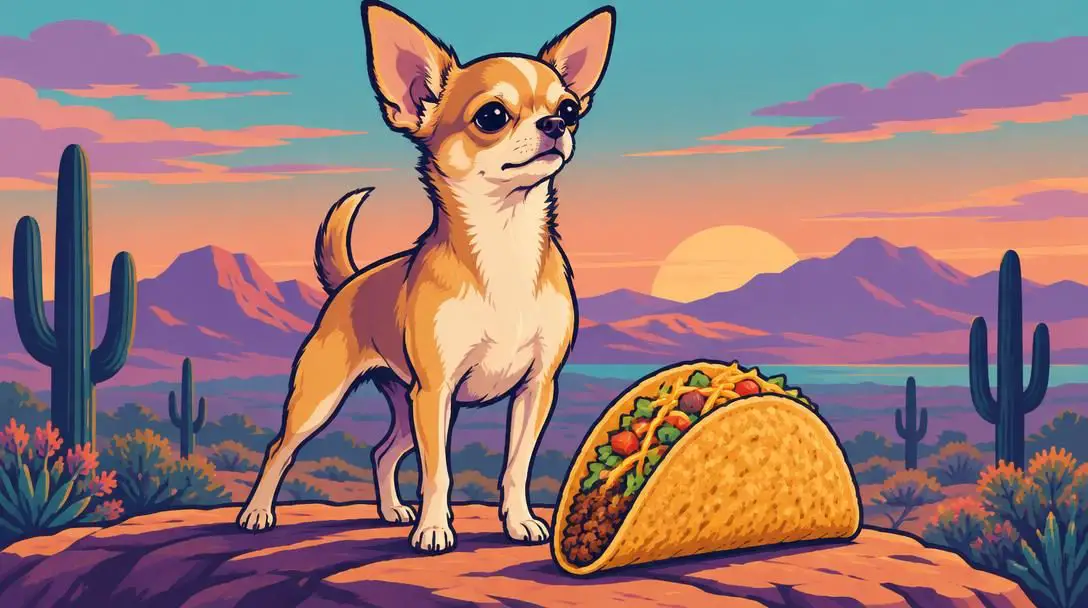
In 1997, Taco Bell unveiled an advertising push that rapidly saturated late-1990s popular culture. Anchored by the phrase Yo quiero Taco Bell, the commercials featured an expressive, live-action chihuahua named Gidget, whose deadpan thoughts were voiced by actor Carlos Alazraqui of Reno 911 fame. The visual juxtaposition of a tiny canine exhibiting an insatiable craving for fast-food Mexican fare became an immediate success. While standard commercial initiatives rarely maintain viewer interest beyond a couple of months, Gidget remained the undisputed focal point of the brand's public profile for three consecutive years.
Despite the immense popularity of the talking dog, the campaign ultimately triggered severe legal and financial fallout for the corporation. Two Michigan creators had formally pitched the concept of a promotional chihuahua to Taco Bell representatives in 1996. While the corporate chain formally declined their proposal, it subsequently produced and aired the remarkably similar campaign without compensating the original pitch team. The Michigan creators filed an intellectual property lawsuit, ultimately securing a courtroom victory that forced Taco Bell to pay more than $30 million in damages.
The anatomy of an effective marketing campaign
The enduring success of these iconic promotional pushes reveals clear underlying patterns. High-impact restaurant marketing relies on specific psychological mechanisms that turn standard commercial announcements into memorable cultural fixtures.
- Identifying customer friction: Landmark campaigns frequently validate an unvoiced consumer frustration. Burger King addressed rigid kitchen assembly rules, while Wendy's exposed the disparity between commercial photographs and the skimpy patties served at rival counters.
- Crafting rhythmic, repeatable catchphrases: Short, punchy linguistic hooks like "Where's the beef?" and "Yo quiero Taco Bell" slip easily into everyday dialogue, allowing customers to perpetuate brand messaging without requiring additional advertising expenditure.
- Leveraging strategic creative collaborations: Partnering with established artists and memorable character actors injects instant authenticity into commercial work. McDonald's alignment with Pharrell Williams and Justin Timberlake gave an advertising slogan the momentum of a radio hit.
- Carving out distinct positioning: A durable campaign gives prospective diners a compelling reason to choose one counter over another. Subway achieved unprecedented international growth by positioning its menu as a transformative lifestyle tool rather than generic convenience dining.
Practical steps for designing durable promotional campaigns
Building a multi-year advertising program requires balancing creative originality with rigorous operational planning. Marketing leaders can follow a structured framework to validate ideas while safeguarding their organization from avoidable operational and legal hazards.
- Pinpoint a defensible operational advantage: Identify the specific service or menu attribute your brand executes better than nearby competitors. Ensure your creative narrative focuses on an authentic strength, such as customized food preparation or distinct ingredient sizing.
- Develop a concise, cross-cultural hook: Engineer slogans and concepts capable of translating smoothly across varied media channels, demographics, and international markets without losing their fundamental meaning.
- Formalize clear intellectual property clearance: Establish an ironclad documentation process for every script, concept pitch, and creative submission. Securing comprehensive release forms prevents devastating copyright claims like the $30 million dispute that impacted Taco Bell.
- Synchronize store operations with ad messaging: Prepare frontline kitchen crews and logistics networks to fulfill the exact promises broadcast in commercials. If marketing declares that customized orders are welcome, assembly lines must handle modifications without service bottlenecks.
- Stress-test long-term brand commitments: Evaluate the risks associated with static value promotions or high-profile celebrity partners before cementing them as the core identity of the business.
Common pitfalls in enterprise advertising
Even the most lucrative promotional concepts can cause severe institutional damage if corporate leadership overlooks legal exposure, changing cost structures, or audience fatigue. When examining past advertising missteps, several critical risks emerge consistently.
Spokesperson dependency: Anchoring an entire international brand to the personal reputation of an individual creates an existential vulnerability. When personal scandals arise, the negative press directly taints consumer perception of the business, as demonstrated by the long-term erosion of Subway's standing following the controversies surrounding its former representative.
Unresolved concept ownership: Rushing a creative concept into production without properly compensating the originators represents a massive financial hazard. Rejecting an outside agency pitch only to execute a substantially identical concept internally invites high-stakes litigation, highlighted by Taco Bell's multi-million-dollar Michigan trial loss.
Fixed promotional margin compression: Introducing rigid pricing slogans—such as a heavily publicized $5 sandwich price point—can trap a restaurant chain when wholesale ingredient and operational labor costs rise. Once diners come to treat a deep discount as the default baseline price, returning to profitable menu pricing without alienating regular patrons becomes remarkably difficult.
Consumer overexposure and creative burnout: While high-frequency media buys are designed to drill musical hooks into consumer memory, excessive repetition during live broadcasts can turn a catchy jingle into an annoying distraction. Brands must carefully pace their broadcasts to prevent valuable hooks from triggering viewer backlash.
Future trends in restaurant marketing
As consumer media habits fragment across digital streaming services and social feeds, the methods brands use to craft memorable campaigns are undergoing significant shifts. Marketing strategists must weigh several evolving dynamics when designing the next generation of promotional pushes.
The strategic revival of nostalgia: Established brands increasingly recycle beloved slogans and musical arrangements from past decades to capture multi-generational interest. Burger King's recent decision to adapt its 1970s customization jingle into modern sports programming demonstrates how historic brand assets can be refreshed for younger demographics.
Universal cultural adaptability: In an era of immediate global communication, restaurant taglines must be intentionally crafted to function across languages and cultures. McDonald's meticulous international rollout of localized variations on a single core sentiment remains the gold standard for global creative planning.
Authenticity in wellness messaging: Modern diners demand far greater transparency regarding nutrition, ingredient sourcing, and corporate practices. Chains seeking to position their offerings as healthy lifestyle alternatives face intense public scrutiny, making genuine product quality essential for sustaining long-term credibility.
Frequently asked questions
Why did Burger King introduce the "Have It Your Way" campaign?
Burger King launched the campaign in the early 1970s to directly challenge the rigid assembly-line rules of the fast-food industry. At the time, competitors frequently refused customer modifications, so Burger King highlighted its willingness to prepare custom burgers—such as a Whopper without mayonnaise—under the slogan "special orders don't upset us."
Who wrote and performed McDonald's "I'm Lovin' It" jingle?
The campaign, which originally began in Germany as "Ich Liebe Es," featured a full-length pop track written by Pharrell Williams and performed by Justin Timberlake. The resulting commercial single was so popular that it reached the number-one position on the pop music charts in Belgium.
How did Jared Fogle's campaign impact Subway's global footprint?
By framing its menu around Jared Fogle's story of shedding 250 pounds, Subway successfully positioned itself as a nutritious alternative to traditional greasy fast food. This health-conscious pivot resonated with consumers and fueled massive franchise growth, helping Subway become the most common fast-food restaurant chain in the world.
What was the inspiration behind Wendy's "Where's the Beef?" commercials?
Wendy's developed the campaign to address consumer skepticism toward competitors like McDonald's and Burger King, who were criticized for serving modest beef patties inside oversized buns. Starring actress Clara Peller, the ads used humor to showcase Wendy's generous meat portions relative to its rivals.
Why was Taco Bell sued over the "Yo Quiero Taco Bell" chihuahua?
Two men from Michigan had originally pitched the concept of using a promotional chihuahua to Taco Bell in 1996. After the chain formally rejected their pitch, it proceeded to launch a remarkably similar campaign in 1997 without paying them royalties, resulting in a successful lawsuit that awarded the creators over $30 million.
The bottom line
The history of restaurant advertising illustrates that true marketing immortality requires far more than expansive media budgets. The campaigns that continue to resonate across generations succeeded because they paired unforgettable creative hooks with authentic operational differences. Whether by empowering customer choice at the order counter, tapping into global music talent, or applying biting humor against industry giants, these benchmark marketing pushes permanently reshaped the way restaurants engage with the public.