5 Myths About Living In A Big City
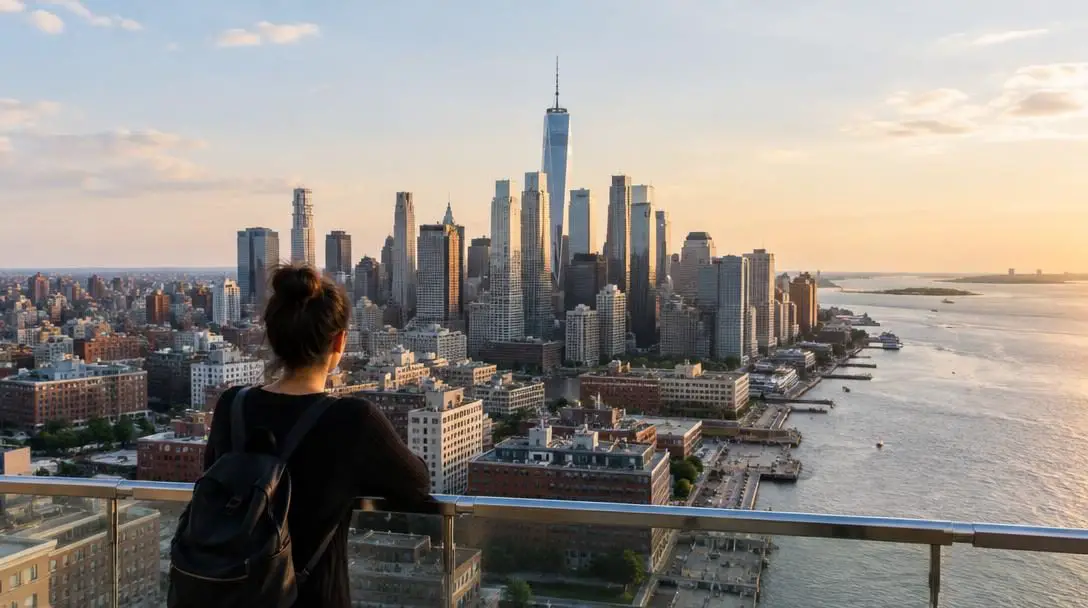
Relocating to a major metropolitan area is often viewed as a transformative milestone that opens doors to dynamic career paths, rich cultural tapestries, and unmatched everyday convenience. At the same time, the prospect of navigating a fast-paced urban environment can intimidate even the most adventurous newcomers. Popular media, dramatic television storylines, and word-of-mouth stereotypes frequently paint large cities as chaotic, unaffordable, and isolating pressure cookers where calm moments are nonexistent and personal budgets quickly collapse.
The reality of metropolitan life is far more layered and manageable than these dramatizations suggest. Modern cities function not as uniform monoliths, but as diverse collections of micro-neighborhoods, each possessing distinct economic conditions, communal rhythms, and living environments. By examining the most common assumptions through a practical lens, prospective residents and current city dwellers can separate outdated misconceptions from day-to-day realities and make informed choices about their urban lifestyle.
Key takeaways
- Metropolitan expenses are heavily influenced by neighborhood choice, local shopping habits, and municipal support resources rather than being uniformly unmanageable.
- Urban density does not eliminate personal downtime, as cities feature abundant parks, conservatories, and quiet residential alcoves designed for restoration.
- Relying on comprehensive public transportation networks like buses and trains bypasses roadway gridlock while keeping commuting costs sustainable.
- Proactive situational awareness and 24-hour municipal emergency patrols provide a reliable framework for daily personal safety across metropolitan districts.
At a glance: Urban myths vs. metropolitan realities
| Myth | Widespread assumption | Day-to-day reality | Actionable strategy |
|---|---|---|---|
| 1. Cost of living | Budgets will inevitably collapse under baseline city expenses. | Costs vary widely between commercial cores and outer neighborhoods. | Seek housing in outer districts and apply for municipal public benefits. |
| 2. Solitude | High density makes finding quiet personal time impossible. | Cities are filled with parks, preserves, and quiet side streets. | Map out neighborhood conservatories and residential pockets for downtime. |
| 3. Daily prices | Every meal, grocery item, and necessity carries inflated rates. | Non-tourist residential shops feature standard, competitive pricing. | Shop outside central hubs and check delivery apps for special promotions. |
| 4. Traffic | Severe roadway gridlock is an unavoidable daily ordeal. | Buses and trains offer scheduled routes that bypass street jams entirely. | Use public transit systems and observe recommended physical distancing. |
| 5. Personal safety | Dense environments are fundamentally unsafe and hazardous. | Continuous police patrols and situational mindfulness reduce risks. | Practice prevention, secure belongings, and stay mindful of surroundings. |
Deconstructing the five persistent myths of city living
Assumptions about city life usually persist because people generalize conditions found in busy commercial corridors to entire metropolitan areas. Looking closer at specific daily factors reveals how urban systems really operate.
Myth 1: The Cost of Living Is Always Too High
- Key driver: Disparities between commercial districts and residential quarters
- Mitigating resource: Municipal assistance initiatives and public benefits
- Financial lever: Neighborhood selection and disciplined personal budgeting
It is indisputable that baseline costs in major metropolitan hubs, particularly average residential rent, utility fees, and basic service charges, often exceed those in smaller towns or rural areas. However, this does not mean that establishing a stable life in a metropolis will inevitably break the bank. Urban affordability is not a fixed, universal number; it depends largely on your lifestyle choices, personal consumption habits, and the location you choose for housing.
Real estate markets within a single metropolis are rarely uniform. Renting directly adjacent to prominent commercial centers or entertainment avenues carries a steep premium, while exploring secondary residential quarters often yields housing rates that are far more reasonable. Furthermore, cities provide an array of public benefits, community assistance programs, and free public services designed to cushion high baseline costs, making an extended stay feasible for households operating on structured budgets.
Myth 2: You Won't Get Any Time for Yourself
- Quiet havens: Public parks, botanical conservatories, and residential alcoves
- Social proximity: Shorter travel distances to meet friends and neighbors
- Health precaution: Mask wearing during close indoor and outdoor gatherings
Urban density frequently leads newcomers to worry that they will be trapped in endless crowds without personal space or peace. While streets and transit hubs can be bustling during rush hours, metropolitan areas are far from solid corridors of noise and concrete. Municipal planners incorporate diverse public spaces, botanical conservatories, natural preserves, and dedicated community sanctuaries explicitly meant for rest, quiet contemplation, and personal leisure.
Locating a peaceful refuge simply requires exploring beyond the main commercial avenues. Tucked-away neighborhood alcoves, tranquil library reading rooms, and quiet residential blocks provide ample room for downtime. At the same time, high density means social connections are nearby, eliminating the need for long travel just to see friends. When gathering in close proximity with neighbors or peers, making sure everyone wears a mask during gatherings keeps health risks low while preserving strong community bonds.
Myth 3: Everything Is Really Expensive
A widespread assumption among prospective movers is that merely stepping out the front door incurs exorbitant expenses for basic sustenance, household supplies, and recreation. While luxury retailers, high-end bistros, and tourist-heavy corridors certainly charge premium rates, everyday necessities do not require endless financial compromise. Residential neighborhoods located outside the central downtown core feature competitive retail pricing at family-owned grocery stores, discount markets, and independent shops.
Managing food expenses has also become simpler thanks to digital ordering tools. Food delivery platforms like Door Dash and Uber Eats routinely feature special discounts, off-peak coupons, and seasonal promotions. Checking their websites or apps for weekday specials before placing an order allows urbanites to secure convenient meals at manageable rates while sidestepping downtown menu surcharges.
Myth 4: Traffic Is Always Bad
- Primary alternative: Municipal train networks and scheduled bus lines
- Congestion pattern: Concentrated during peak hours along central roadway arteries
- Commuter measure: Practicing proper social distancing across transit platforms
Automobile congestion is frequently cited as the deciding factor that ruins metropolitan life. Gridlock is indeed common in central road corridors during peak morning and evening commuting hours, especially for drivers attempting to navigate dense thoroughfares. However, vehicular travel is far from the only or most efficient way to travel across a modern urban area.
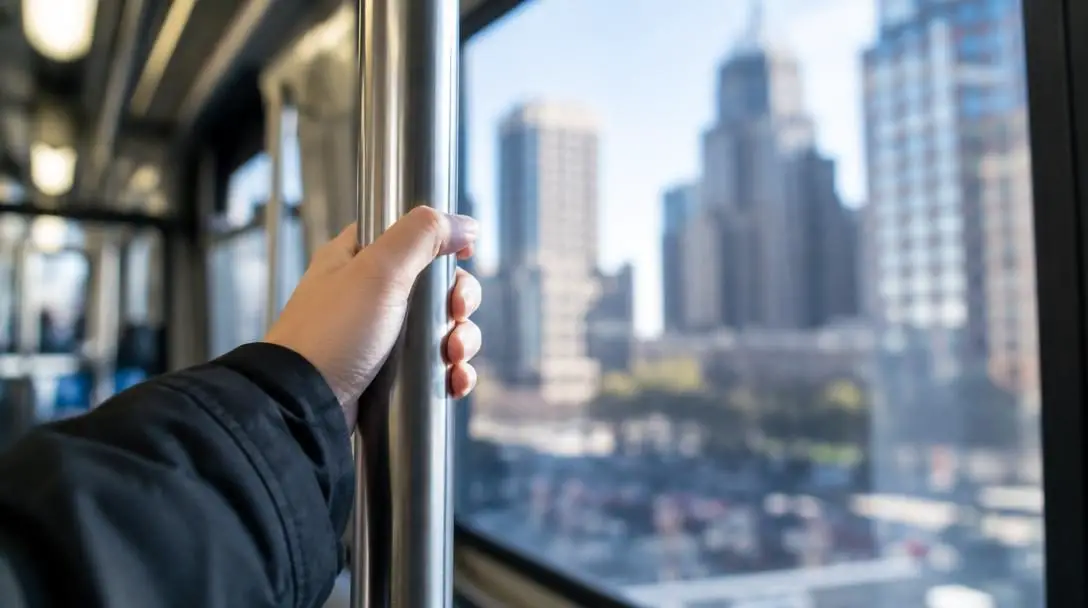
Public transportation systems, including scheduled bus routes and light rail or underground train networks, allow millions of commuters to bypass street gridlock entirely. Choosing trains and buses keeps additional vehicles off congested highways while offering predictable travel schedules. Additionally, passengers who practice proper social distancing while commuting can move efficiently across the metropolitan network without the stress of daily traffic jams or costly parking garages.
Myth 5: Safety Isn't Guaranteed
Concerns regarding personal safety frequently deter individuals from considering metropolitan life. Because cities have higher population density and greater overall street activity, total crime statistics tend to be higher than in sparsely populated rural regions. Despite these figures, most major cities maintain dedicated police departments that work continuously to protect residents, deploying active patrols across neighborhoods 24 hours a day and maintaining quick response times for unexpected emergencies.
Securing your personal safety in a city relies fundamentally on building daily habits centered on situational awareness. By remaining attentive to your immediate environment, securing your personal belongings, and understanding the general activity patterns of your specific neighborhood, you can live securely and minimize potential hazards before they develop.

Practicing prevention over reaction serves as an effective foundation for safety across any metropolitan neighborhood.
How modern urban ecosystems actually operate
Navigating a large city successfully requires understanding that urban centers function as dynamic, interconnected ecosystems made up of smaller micro-neighborhoods rather than a single uniform environment. Each district operates according to distinct economic and social cycles:
- Neighborhood micro-economies: Downtown business centers and tourist districts inevitably maintain inflated prices for dining, retail, and real estate. In contrast, residential outer districts operate on local commerce, offering budget-conscious pricing on household essentials and daily groceries.
- Fixed transit schedules: Municipal bus lines and passenger rail corridors run on frequent, predictable timetables, providing alternatives to congested roadways and helping residents plan daily commutes without a personal car.
- Continuous municipal infrastructure: Cities operate round-the-clock municipal sanitation services, public health initiatives, continuous emergency support, and local assistance programs to keep high-density populations safe and supported.
- Fluctuating neighborhood activity: Urban density does not mean non-stop noise. Central business districts often clear out after regular office hours and on weekends, while quiet residential neighborhoods stay calm throughout standard working hours.
Practical steps for navigating daily city life
Transitioning smoothly into an urban setting involves developing structured personal routines. Implementing practical daily habits will keep living costs under control, reduce commuting friction, and protect personal well-being.
- Establish an itemized budget: Track all regular income and expenditures, separating fixed necessities like housing from discretionary entertainment, and apply for local municipal benefits or assistance programs that help balance baseline costs.
- Shop beyond commercial zones: Purchase household goods, fresh produce, and dry staples at local markets and grocers situated in residential neighborhoods rather than expensive downtown centers.
- Leverage delivery promotions strategically: When ordering prepared meals through Door Dash or Uber Eats, check their websites or apps for weekday meal deals, promotional codes, and seasonal discounts to keep dining costs low.
- Rely on municipal public transit: Trade personal vehicles and rideshares for scheduled buses and train lines to avoid peak-hour gridlock, practicing proper social distancing while traveling across town.
- Identify neighborhood recharge zones: Scout nearby parks, botanical conservatories, and quiet side streets early on so you have designated places to relax when you need a break from high activity levels.
- Maintain daily situational awareness: Stay conscious of your surroundings, secure personal belongings when walking on busy streets, and prioritize preventive habits over reactive responses.
- Use health precautions in groups: Ensure that you and your companions wear masks during social gatherings to protect community wellness and keep health risks low.
Costly mistakes new urbanites should avoid
Many newcomers struggle to adapt to city life simply because they continue using suburban or small-town habits that do not fit a dense metropolitan environment. Avoiding these common mistakes makes urban living far more affordable and enjoyable:
- Relying exclusively on personal cars: Insisting on driving everywhere leads to high fuel spending, steep parking fees, and daily delays in traffic bottlenecks that could easily be avoided by using public transit.
- Restricting your life to downtown districts: Confining your dining, shopping, and entertainment to central business cores results in paying premium tourist pricing for standard goods and misses the variety available in secondary districts.
- Neglecting daily budget tracking: Overlooking the cumulative cost of small, casual retail purchases can quickly strain personal finances, even for those earning reliable incomes.
- Ignoring your immediate surroundings: Becoming distracted by mobile phones or wearing noise-canceling headphones in crowded transit corridors lowers your awareness and increases personal safety risks.
- Overlooking community support resources: Failing to research local government services, neighborhood programming, and municipal public benefits leaves valuable financial relief on the table.
- Isolating yourself inside: Assuming that cities offer no opportunities for peace can cause residents to stay inside their apartments, missing out on local conservatories, hidden gems, and nearby community connections.
Frequently asked questions
Is it genuinely possible to save money while living in a major city?
Yes. Urban affordability depends heavily on choosing housing in residential neighborhoods outside central commercial hubs, shopping at local discount grocers, using public buses and trains instead of maintaining a personal car, and taking advantage of municipal assistance programs and public benefits.
How can I find peace and quiet in a crowded urban center?
Cities feature an array of public parks, municipal botanical conservatories, residential pockets, and quiet neighborhood alcoves designed specifically for relaxation. Exploring away from primary commercial arteries makes finding downtime straightforward.
Do I need to own a car to live comfortably in a big city?
In most metropolitan areas, a personal vehicle is unnecessary and often adds unnecessary costs and stress. Relying on municipal bus routes and train systems allows residents to bypass highway traffic jams, save on parking fees, and travel efficiently.
How do delivery apps help keep urban dining costs manageable?
Platforms like Door Dash and Uber Eats frequently offer seasonal promotions, off-peak weekday discounts, and special coupons. Checking these delivery websites before placing an order helps residents secure prepared meals without paying inflated downtown prices.
What is the most effective way to stay safe in a large city?
Maintaining situational awareness is the most critical safety habit. Remaining alert to your surroundings, securing personal belongings, understanding local neighborhood activity patterns, and relying on active 24-hour police patrols help prevent potential problems before they arise.
The bottom line
Metropolitan living is neither inherently unaffordable nor non-stop chaos. The belief that big cities are universally dangerous, noisy, and budget-breaking stems from common misconceptions that treat bustling commercial centers as representative of an entire urban area. In truth, cities are made up of diverse micro-neighborhoods that offer a balance of communal energy, convenient public transit, and quiet residential sanctuaries.
Thriving in a metropolitan hub requires intentional adjustments: choosing neighborhoods thoughtfully, shopping outside tourist corridors, taking buses and trains, and maintaining active situational awareness. By setting aside outdated myths and applying practical strategies, you can minimize costs, protect your well-being, and take full advantage of the culture, community, and career opportunities that big city life provides.