5 Surprising Facts About The World Of Pro Gaming
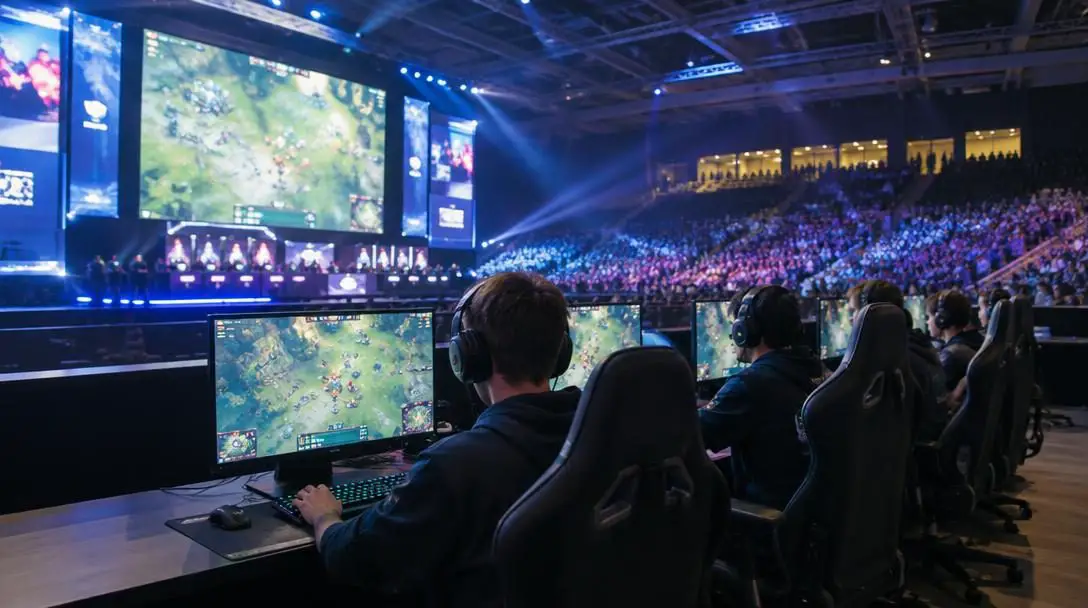
The world of professional gaming may look like simple entertainment from the outside, but it has quietly transformed into a multibillion-dollar global industry. What started in localized arcades, college computer labs, and casual living room gatherings has grown into a structured, highly commercialized entertainment phenomenon that commands sold-out arenas and mainstream broadcast deals.
Today, competitive gaming rivals established physical sports in viewership, commercial sponsorship, and operational complexity. From state-of-the-art physical arenas and rigorous athletic training regimens to specialized university degrees and high-profile team ownership, esports is reshaping how modern audiences consume competitive entertainment.
Key takeaways
- The global esports sector is projected to reach $4.75 billion by 2030, driven by media rights, commercial sponsorships, and ticketed live competitions.
- In the United States, elite professional gamers are officially categorized as professional athletes, granting them access to the same legal and visa protections as traditional athletes.
- Purpose-built physical venues, such as Philadelphia's $50 million Fusion Arena, are establishing permanent home bases for franchised esports teams.
- Renowned universities, including Ohio State University and UC Irvine, now offer formal degree programs preparing students for careers in esports business management, data analysis, and broadcast media.
Five Surprising Facts About Competitive Gaming
While millions of fans tune in weekly to watch their favorite streamers and competitive tournaments, the infrastructure powering the sport remains widely misunderstood. Here are five foundational facts that illustrate the surprising depth and scale of the modern esports market.
Competitive Versatility Across Diverse Game Titles
In traditional sports, athletes dedicate their entire lives to mastering a single discipline with fixed, static rules, such as baseball, basketball, or tennis. Dual-sport professional athletes exist, but they are exceptionally rare historical anomalies. The digital sporting realm, by contrast, operates under a completely different paradigm where almost any title with a competitive mechanic can sustain an organized tournament ecosystem.
Competitive disciplines span a vast spectrum of genres, from multiplayer online battle arenas (MOBAs) to fast-paced first-person shooters (FPS). Because the underlying competitive principles of spatial awareness, team coordination, and rapid tactical execution overlap, many elite gamers compete across different titles and distinct game types throughout their careers. However, commercial returns vary significantly across the landscape; game titles backed by major publishers and multi-million-dollar leagues offer far more lucrative prize pools and player salaries than smaller, community-run competitive scenes.
Professional Gamers Train and Qualify as Professional Athletes
The dated cultural stereotype of the video gamer spending idle hours in a parent's basement does not reflect the reality of elite professional esports. Today's competitive gamers function under intense, highly regimented schedules identical to those of top-tier traditional athletes. Beyond spending hours each day drilling mechanical actions and executing team scrimmages, players rigorously analyze game film, dissect opponent tendencies, and study strategic methodologies.
Because these competitors perform hundreds of precise physical inputs per minute, they are vulnerable to career-ending physical injuries, including severe carpal tunnel syndrome, back complications, and debilitating neck pain. Recognizing both the physical toll and the specialized talent required, the United States government officially categorizes top competitive gamers as professional athletes, affording them the same legal protections, athletic travel visas, and institutional benefits granted to competitors in conventional major leagues.
Fusion Arena
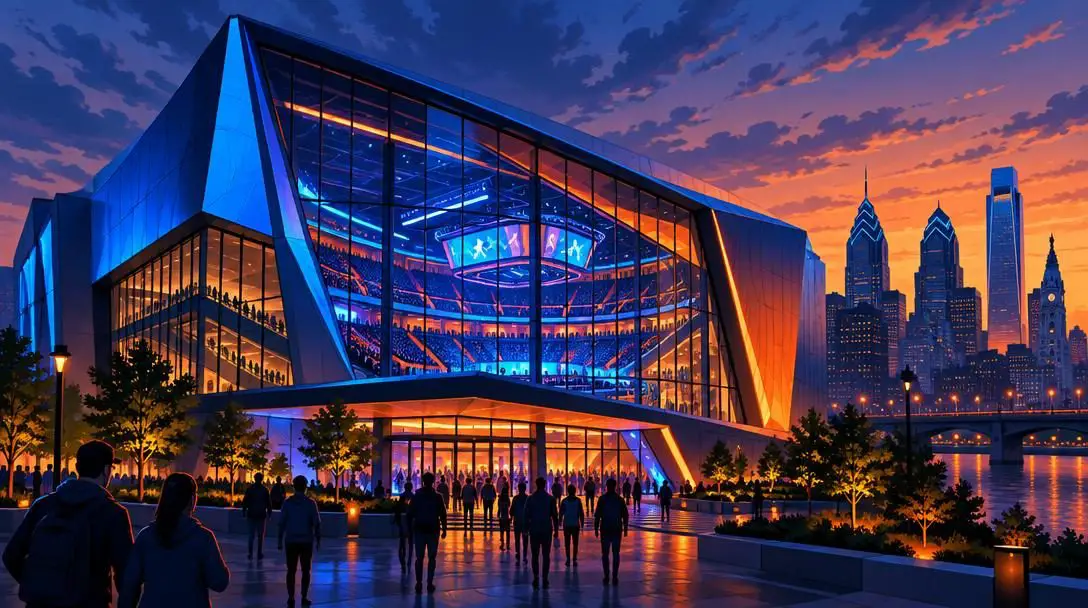
- Location: Philadelphia
- Project cost: $50 million
- Seating capacity: Up to 3,500 spectators
- Primary tenant: Philadelphia Fusion esports franchise
Live esports has outgrown shared convention halls and repurposed basketball arenas. The construction of the $50 million Fusion Arena in Philadelphia marks a historic milestone as a first-of-its-kind, next-generation competitive venue designed specifically for digital athletic competition. Seating up to 3,500 spectators, the facility serves as the permanent home base for the Philadelphia Fusion franchise while functioning as a premier destination for major international gaming championships.

The facility represents a fundamental shift toward localized, venue-driven team support. By building dedicated digital arenas equipped with specialized audio, broadcast production suites, and massive spectator display arrays, esports organizations are adopting the physical territorial identity that fuels multi-generational loyalty in conventional sports franchises.
Celebrity and Traditional Sports Ownership
As esports viewership and commercial revenues expanded, prominent figures from entertainment and legacy sports franchises entered the ecosystem as direct investors and team owners. Wealthy investors recognize esports as a high-growth vehicle that captures younger demographic segments that traditional television broadcasts struggle to reach.
Cultural icons from music and sports have committed significant personal capital to secure ownership stakes in competitive franchises. Former NBA champion Rick Fox established himself as an early pioneer by purchasing and operating an esports organization, while recording artist Drake and basketball icon Magic Johnson have backed premier gaming brands. Concurrently, legendary NFL owners have acquired franchise slots, applying proven commercial sports management practices to digital teams.
| Investor | Primary Background | Esports Involvement |
|---|---|---|
| Drake | Musician and recording artist | Direct private capital investor |
| Jerry Jones | Dallas Cowboys owner | Institutional sports franchise investor |
| Magic Johnson | Iconic athlete and NBA legend | Direct private capital investor |
| Rick Fox | Three-time NBA champion | Esports team owner and capital investor |
| Robert Kraft | New England Patriots owner | Institutional sports franchise investor |
Accredited Degree Programs in Esports
With independent forecasts projecting esports to reach a valuation of $4.75 billion globally by 2030, academia has integrated competitive gaming into university curricula. Prominent institutions such as the University of California, Irvine (UC Irvine) and Ohio State University have developed dedicated degree tracks, research labs, and academic minors tailored to the gaming sector.
Rather than simply training students to play video games, these academic programs prepare graduates for critical support roles across business management, event coordination, marketing, and strategic statistical analysis. In addition to classroom instruction, colleges across North America maintain dedicated campus gaming arenas, fund varsity teams that award collegiate athletic scholarships, and provide real-world broadcast production training for campus tournaments.
Evolution of the Modern Esports Ecosystem
The transition of video games from informal living room leisure to an international spectator industry followed key technological breakthroughs. The introduction of high-speed broadband internet and low-latency digital servers allowed players to organize online competitions across geographic boundaries, moving competition beyond local arcades.
The emergence of dedicated live-streaming platforms turned competitive gaming from a niche private hobby into a global broadcast spectacle.
Live-streaming infrastructure eliminated the barrier between elite competitors and fans. Viewers no longer needed physical event access; they could study top-tier mechanics, hear real-time communication, and interact with tournament broadcasts from anywhere in the world. As viewership scaled into tens of millions of unique viewers, corporate brands, venture capital groups, and media conglomerates moved in to formalize the ecosystem.
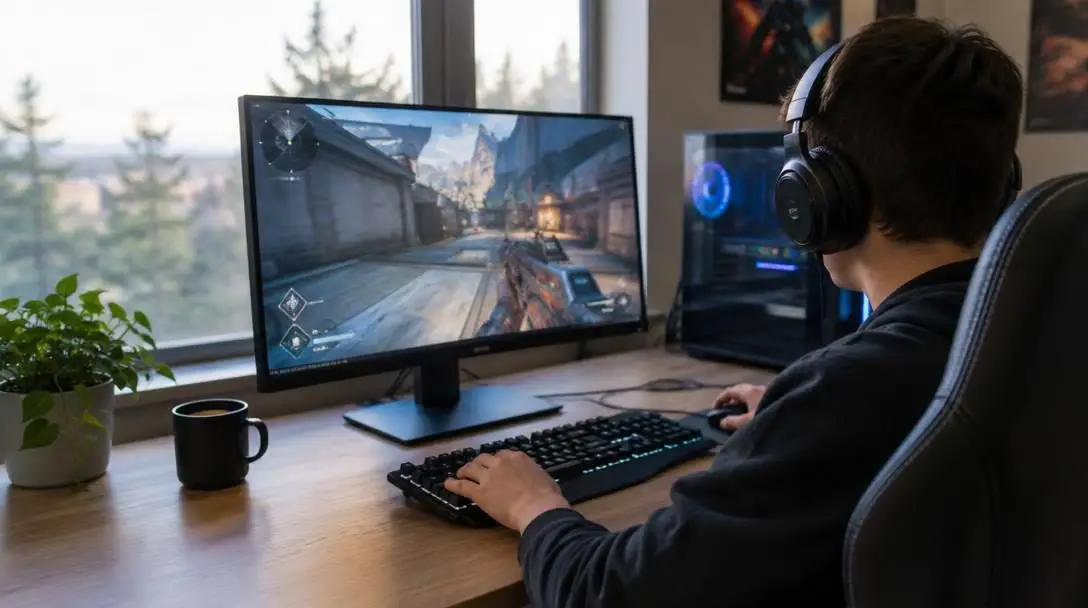
Today, the professional gaming economy operates through six interconnected operational pillars:
- Game Publishers: The corporate owners and developers who hold the intellectual property rights to the titles, govern competitive balance via software patches, and license broadcast permissions.
- Esports Franchises: Commercial clubs, such as the Philadelphia Fusion, that sign professional players, run physical training facilities, and negotiate sponsorship partnerships.
- Athletes and Coaching Staffs: Contracted competitors, strategic analysts, and performance psychologists who dedicate their daily work to competitive optimization.
- Tournaments and League Operators: Organizations responsible for hosting physical stage events, managing league structures, and enforcing competitive integrity.
- Broadcast and Commentary Teams: On-air analysts and play-by-play casters who translate complex digital skirmishes into compelling spectator entertainment.
- Academic and Collegiate Programs: Universities and research institutions that cultivate business leadership, conduct performance research, and field collegiate rosters.
How to Pursue a Professional Career in Esports
Entering the competitive gaming sector requires strategic career planning, deliberate daily execution, and measurable competence. Whether pursuing an athletic roster spot or a front-office operational role, candidates should follow a structured development path.
- Select a distinct career trajectory. Determine whether your primary strengths align with mechanical in-game performance or operational specialties like business management, data analysis, game design, event marketing, or broadcast commentary.
- Focus on a specific competitive game genre. If pursuing competition, select an established title within the MOBA or first-person shooter genre that features supported professional pathways and league backing.
- Conduct systematic gameplay analysis. Replace passive play sessions with deliberate practice. Record your matches, review replays to identify positioning errors, and dissect the tactical decision-making of top international teams.
- Build a competitive tournament record. Enter organized amateur ladders, open qualifiers, and collegiate leagues to establish a public, verifiable competitive ranking that catches the eye of professional scouts.
- Pursue relevant academic training. Enroll in degree programs or relevant coursework at institutions like UC Irvine or Ohio State University, focusing on sports administration, digital marketing, computer science, or statistical analytics.
- Adopt rigorous ergonomic and physical conditioning habits. Prevent repetitive stress injuries by establishing an ergonomic station setup, scheduling daily postural exercises, and taking structured physical breaks.
- Network through industry panels and local circuits. Attend physical tournament events, engage with university esports coordinators, and establish relationships with coaching staffs and league administrators.
Common Pitfalls to Avoid
Because the digital gaming sector is younger than conventional sports industries, newcomers frequently fall victim to structural and physical mistakes that shorten their careers or hinder their professional growth.
- Assuming sheer volume replaces deliberate training: Grinding a game for twelve hours a day without analytical review, targeted mechanical drills, and proper rest leads directly to cognitive burnout and diminishing performance returns.
- Neglecting personal ergonomics and physical fitness: Failing to stretch, correct posture, and exercise core and wrist muscles can trigger career-ending conditions like carpal tunnel syndrome and chronic neck pain.
- Overlooking contract terms and legal representation: Signing binding management agreements or team contracts without professional legal review can result in unfair compensation splits or loss of individual intellectual property rights.
- Pursuing games without sustainable financial ecosystems: Dedicating years of practice to a title without corporate backing, publisher investment, or active tournament prize pools makes sustaining a full-time livelihood nearly impossible.
- Focusing exclusively on playing over industry infrastructure: Aspiring professionals often ignore high-demand, high-paying operational opportunities in data analysis, broadcast production, and event operations.
- Tolerating unprofessional behavior and toxicity: In-game toxicity, unsportsmanlike communication, and negative social media conduct will permanently disqualify prospective players from university scholarships and professional team rosters.
Future Outlook and Strategic Considerations
As esports advances toward its projected $4.75 billion market size by 2030, the boundaries between digital entertainment, physical real estate, and traditional broadcast media will continue to blur. The development of permanent urban facilities like Fusion Arena demonstrates that physical ticket sales and localized fandom are central to the next phase of industry expansion.
At the same time, academic credentials from institutions like Ohio State and UC Irvine are raising the baseline qualifications for industry employment. The era of informal hiring is being replaced by structured corporate hiring practices, requiring candidates to present quantitative portfolios, business degrees, and proven administrative expertise.
Aspiring participants must monitor evolving labor standards, player associations, and contract transparency. As governments and athletic boards expand legal protections for digital athletes, the industry will demand greater operational integrity from team owners, tournament directors, and corporate sponsors alike.
Frequently asked questions
Are professional esports players considered real athletes by the government?
Yes. In the United States, top-tier professional esports competitors are officially categorized as professional athletes, which enables them to obtain specialized athletic visas and access legal protections identical to those granted to traditional sports figures.
What is Fusion Arena, and what makes it significant?
Fusion Arena is a $50 million, 3,500-seat purpose-built esports stadium under construction in Philadelphia. It serves as the official home facility for the Philadelphia Fusion esports franchise and hosts premier international competitive gaming events.
Which prominent celebrities and sports owners have invested in esports?
Notable investors include music superstar Drake, NBA legend Magic Johnson, three-time NBA champion Rick Fox, Dallas Cowboys owner Jerry Jones, and New England Patriots owner Robert Kraft.
Can you earn an accredited college degree in esports?
Yes. Major institutions including UC Irvine and Ohio State University offer dedicated degree programs and coursework covering esports business management, event coordination, marketing, and strategic statistical analysis.
What types of injuries do competitive video gamers face?
Because of intense, repetitive physical inputs and long practice hours, professional gamers frequently battle repetitive strain injuries, severe carpal tunnel syndrome, back strain, and debilitating neck pain, all of which can end a competitive career prematurely.
The Bottom Line
Professional gaming has definitively evolved past its roots as a casual hobby into an economic and cultural force. Backed by billions in projected revenue, high-profile institutional investors, specialized collegiate degree tracks, and purpose-built venues like Philadelphia's Fusion Arena, esports operates under the same commercial and athletic principles as legacy sports. Succeeding within this fast-evolving space requires tactical specialization, physical discipline, and professional business acumen.