5 Surprising Ways Your Environment Affects Your Mood
Most people have experienced walking into a room and feeling an instantaneous lift in spirits, or conversely, entering a dense, poorly arranged room and feeling their physical and mental energy slowly drain away. Because we constantly navigate homes, corporate workplaces, civic hubs, and outdoor spaces, our sensory systems continuously absorb subtle environmental cues without our conscious awareness. When these everyday environments are chaotic, dimly lit, loud, or devoid of natural life, the nervous system often registers that strain through persistent low-grade fatigue, irritability, and diminished focus.
Human psychology is intimately tied to physical surroundings. Spaces that are intentionally designed to harmonize sensory inputs can foster sustained mental clarity, restorative relaxation, and emotional resilience. By identifying how sensory elements such as illumination, acoustics, color palettes, organic textures, and physical layout interact with human physiology, you can take deliberate control over your surroundings and reshape everyday rooms into nurturing, mood-boosting sanctuaries.
Key takeaways
- Natural sunlight and calibrated color temperatures regulate circadian rhythms, while harsh artificial glare promotes fatigue and depressive moods.
- Jarring, loud background noises induce cognitive strain, whereas natural sounds and consistent white noise soothe the nervous system.
- Visual tones establish the emotional atmosphere of an interior, with cool blues encouraging restful calm and vibrant reds inspiring high-energy passion.
- Direct exposure to living plants and organic textures reduces stress markers, enhances emotional balance, and supports immune health.
- Physical clutter overstimulates the mind, meaning true organization requires ruthless decluttering before establishing functional, habit-aligned storage systems.
The Five Environmental Pillars at a Glance
Every interior space produces an ambient sensory profile. Understanding how specific sensory inputs trigger psychological and physiological reactions allows you to diagnose why a room feels supportive or depleting. The table below outlines how each environmental factor operates and how to balance it effectively.
| Environmental Factor | Primary Psychological Impact | Optimal Applications | Potential Risks |
|---|---|---|---|
| Lighting | Regulates circadian rhythm, daytime alertness, and sleep readiness | Abundant natural light; cool light for tasks; soft warm light for rest | Harsh, unshaded artificial bulbs that trigger fatigue and low mood |
| Sound | Modulates nervous system arousal, stress levels, and concentration | Recordings of ocean waves, birds chirping, or masking white noise | Unpredictable, jarring auditory interruptions that demand cognitive filtering |
| Colors | Directs emotional intensity, appetite, focus, and creative drive | Tranquil blues and greens for bedrooms; energetic accents for work areas | Overly saturated walls in resting spaces that generate sensory overstimulation |
| Nature | Lowers stress hormones, promotes grounding, and bolsters immune health | Potted indoor plants, exposed wood, natural stone, and park views | Sterile, purely synthetic spaces that sever connection to organic rhythms |
| Organization | Frees mental bandwidth, eliminates friction, and fosters deep calm | Logical categorization, cleared horizontal surfaces, and minimal clutter | Visual disorder that bombards the brain with reminders of unfinished tasks |
The Five Core Environmental Influences on Mood
Our overall mental health responds continuously to external stimuli. While many people attribute fluctuations in emotional stamina strictly to personal interactions or workload, the physical architecture of everyday rooms plays an equally decisive role. Five specific dimensions exert the greatest influence over human emotional well-being.
Lighting
Light is perhaps the single most potent physical cue governing human vitality. Natural light serves as the biological foundation of healthy mood regulation by synchronizing the circadian rhythm, the internal master clock that dictates when we feel wakeful and when we feel drowsy. Adequate exposure to sunlight during the morning and midday hours promotes robust daytime energy and paves the way for restorative evening sleep. Conversely, spending extended hours under harsh or excessively bright artificial fixtures can foster feelings of lethargy and depression. Beyond intensity, color temperature plays an equally vital role: warm light fosters an intimate, soothing ambiance suited for evening winding down, while cool, blue-toned illumination activates alertness and sharp task focus.
Sound
The auditory landscape of an interior continually shapes autonomic nervous system arousal. When a room is subjected to loud, erratic, or abrasive sounds, the brain must expend continuous cognitive energy to filter out interruptions, driving up baseline stress and anxiety. In contrast, predictable, gentle acoustics create an auditory cushion that enables relaxation and deep concentration. Exposure to natural soundscapes—such as ocean surf, rainfall, or wild bird calls—yields measurable reductions in emotional tension. Introducing consistent background sound, such as gentle white noise, effectively masks intrusive noises from streets or neighboring rooms, replacing unpredictable friction with acoustic stability.
Colors
The hues that dominate our walls, furniture, and decorative accessories communicate directly with emotional centers in the brain. Color psychology demonstrates that visual tones alter not just mood, but also physiological metrics such as appetite, heart rate, and creative engagement. Restful tones like gentle sky blues, sage greens, and muted earthy neutrals produce a calming, tranquil backdrop that encourages emotional decompression and restful sleep. On the other hand, vivid hues like intense reds and warm yellows generate excitement, invigorate physical senses, and cultivate passionate focus. When used strategically in spaces requiring high output, bright colors energize the mind, though when applied excessively in quiet quarters, they can trigger restlessness.
Nature
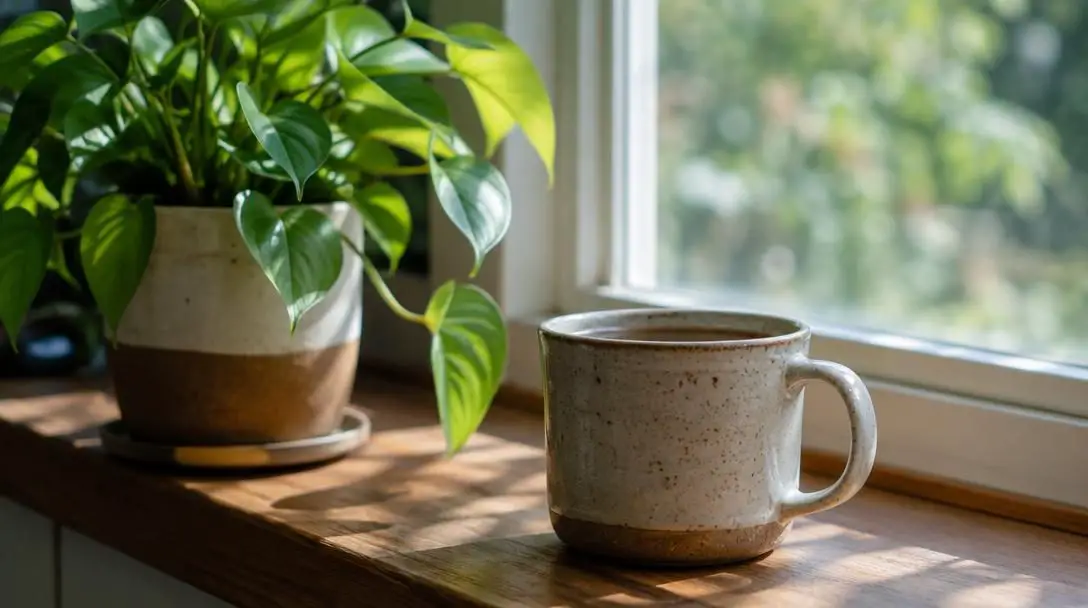
Biophilic connection—the innate human affinity for the living natural world—is an indispensable requirement for lasting psychological equilibrium. Immersion in outdoor natural environments has been proven to alleviate chronic stress, elevate mood, and strengthen overall immune function. When modern architecture restricts direct outdoor contact, introducing living vegetation, potted plants, and raw natural textures into interior spaces bridges the gap. Houseplants actively freshen the indoor atmosphere while softening geometric interiors with organic lines. Similarly, incorporating organic textures like untreated wood, woven fibers, and natural stone anchors indoor spaces, counteracting the sterile, artificial feel common to contemporary urban buildings.
When an environment is structured logically, the brain expends far less energy managing distractions, preserving focus and emotional balance throughout the day.
Organization
The structural layout and cleanliness of a physical space directly reflect and affect your mental state. A room filled with disorganized piles, scattered objects, and congested surfaces serves as a continuous visual source of stress. Each misplaced object acts as a visual prompt reminding the mind of unfinished maintenance and unresolved chores. This continuous cognitive friction drains executive mental energy and elevates anxiety. An uncluttered, systematically arranged room promotes an immediate sense of peaceful relief. When every item occupies an intuitive, easily accessible home, the brain no longer wastes cognitive resources processing physical chaos, leaving mental space open for creativity and relaxation.
Step-by-Step Guide to Transforming Your Physical Environment
Revitalizing an interior space to support psychological well-being does not require expensive remodeling or architectural construction. By implementing targeted, progressive adjustments across lighting, sound, color, natural materials, and room layout, you can systematically cultivate a restorative haven.
- Maximize organic daylight and layer your illumination. Pull back heavy curtains and open window blinds completely to flood daytime spaces with genuine sunlight. In task-heavy work zones, install cool-toned task lamps that stimulate mental sharpness. In living rooms, reading corners, and sleeping quarters, switch off blinding overhead fixtures in favor of low-glare accent lamps outfitted with warm, cozy bulbs.
- Curate an acoustic sanctuary. Audit your room for intrusive external noises such as traffic, building mechanicals, or neighbor activity. Introduce a white noise generator or play recordings of natural sounds, like coastal surf or singing birds, through a small speaker to smooth over sudden disruptions. For high-focus or resting periods in loud settings, keep high-quality noise-canceling headphones readily accessible.
- Infuse purposeful color through accents. Rather than following short-lived decorative fads, evaluate how each space needs to function emotionally. In bedrooms or quiet retreats, introduce soothing blues, tranquil greens, or grounded earth tones on linens and walls. In creative studios, home offices, or social areas, incorporate energetic accents like red cushions, vibrant artwork, or warm throws to stimulate creative energy.
- Integrate living greenery and natural textures. Place hardy indoor plants along windowsills, bookshelves, and desktop corners where they remain continuously within your sightline. Pair living foliage with home decor crafted from genuine organic elements, such as unpolished stone bowls, natural timber accents, or woven textiles, creating an earthy contrast against modern synthetic materials.
- Execute a ruthless decluttering session before organizing. Systematically clear work surfaces, countertops, and bedside tables by discarding, recycling, or donating possessions that no longer serve a functional purpose. Once the volume of items is reduced, categorize remaining belongings logically by frequency of use, ensuring daily essentials remain immediately within arm's reach while secondary items are neatly tucked away.
Common Pitfalls That Derail Your Atmosphere
When individuals attempt to improve their living quarters, they frequently fall victim to common design traps that inadvertently elevate tension rather than relieving it. Sidestepping these common oversights will ensure your atmospheric improvements yield lasting, restorative results.

- Relying exclusively on harsh overhead lighting: Flooding an entire room with unshaded, high-wattage ceiling fixtures washes out dimensional depth, creates visual glare, and promotes headaches and low energy. A well-designed room always relies on layered lamps tailored to specific activities.
- Ignoring ambient acoustic pollution: Many individuals invest heavily in high-end visual decor while tolerating constant, jarring noises from city traffic or household appliances. Failing to implement acoustic dampening or nature-sound masking leaves baseline stress elevated.
- Saturating resting spaces with hyper-stimulating colors: Covering bedroom walls in fiery reds or intense primary yellows may feel bold initially, but high-intensity warm hues stimulate heart rate and neurological arousal, sabotaging peaceful unwinding.
- Maintaining a completely sterile, plant-free interior: Omitting all organic life creates a disconnected, clinical atmosphere that lacks the grounding warmth and air-refreshing properties of natural foliage and raw materials.
- Organizing possessions without first purging excess items: Buying matching plastic bins and labeling systems to contain items you neither need nor use does not produce calm; it merely organizes clutter. Purging must always precede organization.
- Imposing rigid systems that conflict with everyday behavior: Implementing complicated sorting rules that clash with your natural habits ensures rapid relapse into chaos. Systems must align intuitively with daily movement patterns and routines.
How to Assess and Iterate Your Living Spaces
Cultivating an environment that uplifts your emotional state is an ongoing, adaptive discipline rather than an isolated weekend project. As seasonal weather changes, professional obligations shift, and personal priorities evolve, the spatial dynamics of your home and workspace must adapt in turn to provide steady emotional reinforcement.
Begin by conducting a mindful sensory inventory of the rooms where you spend the vast majority of your waking and sleeping hours. Pay close attention to how your body and emotions respond after occupying your main workspace or living area for several consecutive hours. If you consistently experience mid-afternoon slumps or mental fog, analyze whether poor window access or harsh, unshaded bulbs are sapping your stamina. If you feel chronic low-grade anxiety, observe your horizontal surfaces to see if visual disorder has quietly accumulated, or tune in to the ambient noise floor to identify disruptive hums, rattles, or outdoor sounds that require masking.
Once you pinpoint the sensory frictions within a room, prioritize changes according to what will offer the fastest relief. You do not need to overhaul every fixture, apply fresh coats of paint, or redesign storage layouts simultaneously. Placing a vibrant, easy-care plant on your desk, swapping a cool-white bulb for a warm-toned lamp beside your bed, or clearing away disused desktop paperwork can spark an immediate, palpable transformation in how you feel each day.
Frequently asked questions
How does natural daylight improve daytime mood and energy?
Natural daylight acts as the primary regulator for the body's internal circadian rhythm. By synchronizing this biological clock, sunlight stimulates wakefulness and sustained energy during daytime hours while preparing the body for deep, restorative sleep at night, which directly buffers against depressive symptoms and chronic fatigue.
What is the difference between warm and cool lighting for mental well-being?
Warm lighting produces a soft, cozy, and relaxing atmosphere that signals the brain to unwind, making it ideal for bedrooms and evening relaxation zones. Cool lighting features a higher color temperature that stimulates mental alertness, visual clarity, and sharp focus, making it best suited for workspaces and task-oriented desks.
Can indoor plants really provide psychological benefits?
Yes. Introducing indoor greenery connects residents to living organic elements, which has been shown to reduce stress, improve overall mood, and support immune function. Houseplants also help freshen indoor air quality and soften clinical, synthetic modern architectural finishes.
Why does physical clutter produce mental anxiety?
Cluttered spaces constantly present the visual cortex with chaotic stimuli, forcing the brain to expend continuous cognitive energy filtering out distractions. Each disarranged pile also serves as a subconscious reminder of unfinished tasks, generating ongoing low-grade tension that impairs focus and relaxation.
Which colors are most effective for creating a calming interior?
Soft blues and greens are widely associated with tranquility, peace, and emotional balance, making them the most effective choices for bedrooms, meditation corners, and rest areas. Earthy neutrals also help ground an interior and prevent sensory overstimulation.
The bottom line
Your surrounding environment is never neutral; it is continuously communicating with your nervous system, shaping your emotional state, focus, and baseline energy levels every hour of the day. By consciously tuning the physical spaces you inhabit through balanced illumination, soothing soundscapes, deliberate color choices, living organic elements, and disciplined organization, you convert passive rooms into active allies for mental clarity, stress relief, and enduring emotional well-being.